
Trasforma le intuizioni dell’IA in azioni concrete

Tendenze
Categories
Airbus Requests Modifications to 6,000 Planes Amid Flight Disruption Concerns
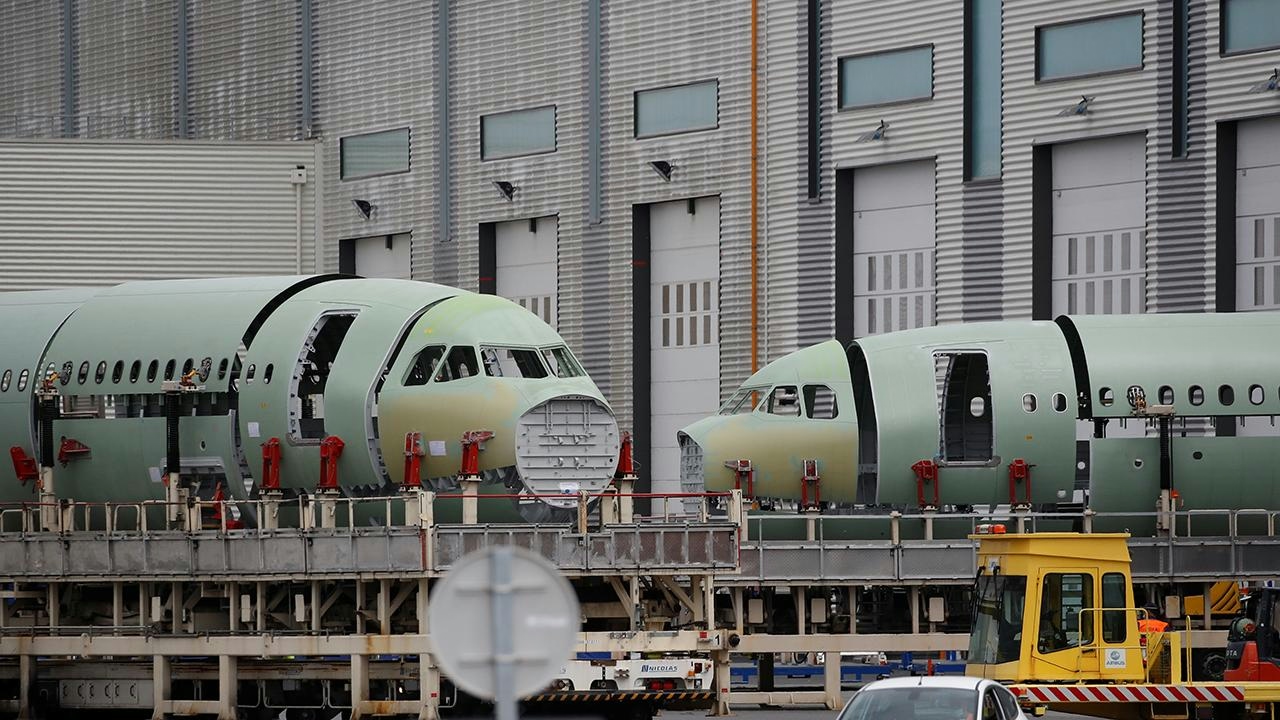
Airbus Calls for Urgent Modifications to Thousands of Aircraft Amid Solar Radiation Risks
Airbus has issued a call for urgent modifications to approximately 6,000 aircraft worldwide, citing concerns that intense solar radiation could jeopardize critical flight control data. This development arises amid heightened awareness of the risks posed by solar activity, particularly coronal mass ejections (CMEs), which have the potential to disrupt aircraft electronics and satellite systems essential for safe flight operations.
The Impact of Solar Activity on Aviation Electronics
Coronal mass ejections occur when the sun releases plasma into space, emitting heavily charged particles that interact with the Earth's upper atmosphere. Dr. Ian Getley, a former Qantas captain and expert in cosmic and solar radiation in aviation, explains that the severity of a CME directly correlates with the likelihood of interference affecting satellites and aircraft electronics operating above 28,000 feet (8.5 km). These charged particles can induce disruptions in onboard electronic systems, including sensitive avionics and flight control data.
Dr. Getley’s interest in this phenomenon was sparked by his own experience of electronic disturbances during a 2003 flight between Los Angeles and New York. His research underscores how solar radiation can increase the density of charged particles in the atmosphere, thereby compromising the integrity of critical flight systems.
Regulatory Response and Industry Implications
In response to these concerns, the European Union Aviation Safety Agency (EASA) has issued an emergency directive mandating that airlines implement the necessary software and hardware updates before affected aircraft are permitted to resume service. This directive has prompted operational challenges across the aviation sector, with carriers such as Air New Zealand and Delta Airlines warning of potential delays and cancellations as they work to comply with the new safety requirements.
Although some airlines expect only limited disruptions, the sheer scale of the modifications—impacting thousands of planes globally—suggests that significant operational disturbances are likely, especially during peak travel periods. Airlines are expediting the update process to mitigate passenger inconvenience while upholding stringent safety standards.
This situation highlights the increasing vulnerability of modern aviation to solar activity, as the industry’s growing reliance on advanced electronic systems makes it more susceptible to space weather events. While passengers may experience temporary disruptions, industry leaders emphasize that ensuring safety remains the paramount concern.

Etihad Airways Suspends Airbus A380 Flights on Key Route

Aditya Birla Group Seeks Approval for Aircraft Leasing in GIFT City

Qatar Airways Highlights Innovation and Connectivity at Arabian Travel Market 2026

Hong Kong's Five-Year Plan Includes Andrew Fan's Aircraft Parts Processing Hub Proposal

ACIA Aero Leasing Delivers ATR72-600 to Air Nostrum

RTX Appoints Jill Albertelli as Head of Pratt & Whitney

TAT Technologies Joins Beyond Aero Hydrogen Aircraft Program

AURAK Study Highlights Barriers to Air Taxi Adoption in Emerging Economies

Xiamen Air Selects Altitude for 787 Maintenance at Heathrow

Etihad and Swissport Extend Global Partnership
