
Trasforma le intuizioni dell’IA in azioni concrete

Tendenze
Categories
EASA Announces Major Overhaul of Flight Simulation Standards
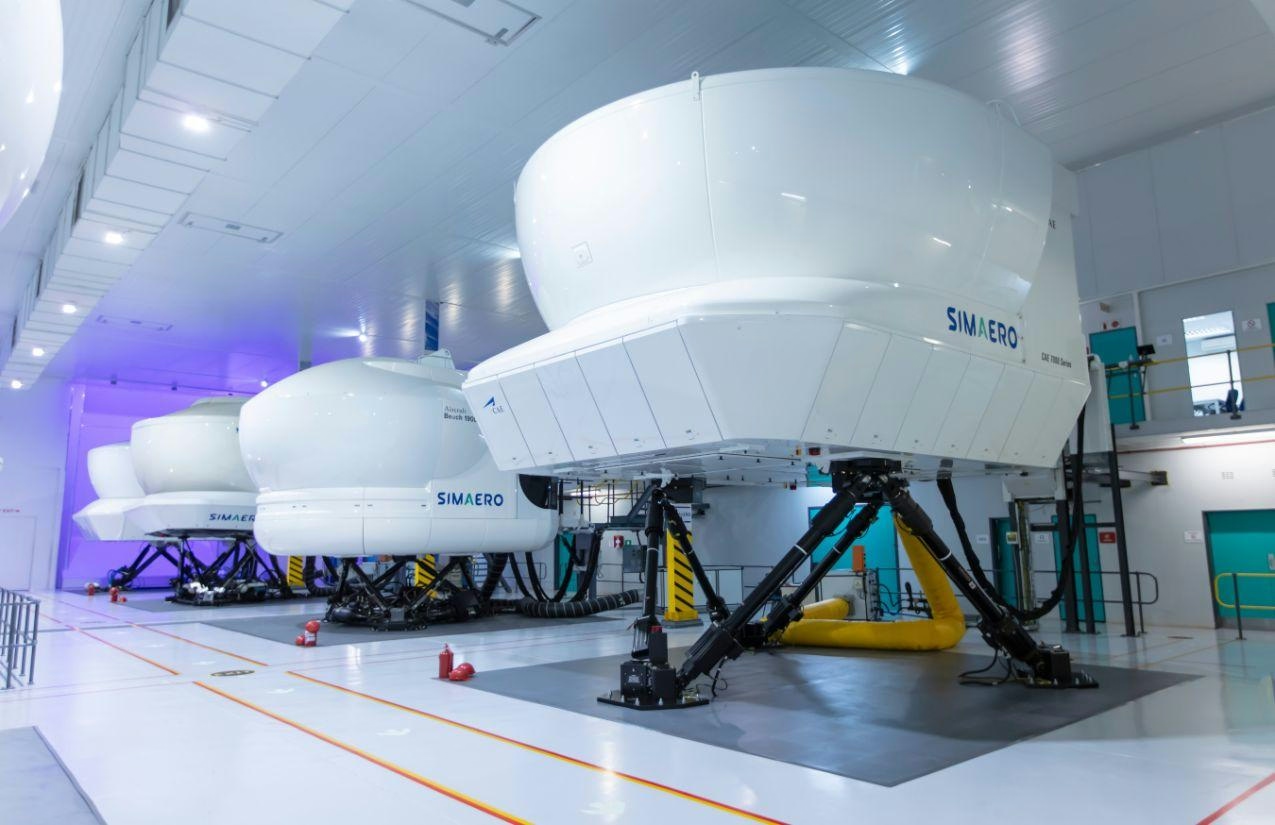
EASA Announces Major Overhaul of Flight Simulation Standards
The European Union Aviation Safety Agency (EASA) has unveiled a comprehensive reform of the regulations governing Flight Simulation Training Devices (FSTDs), marking the most significant update to flight simulation qualification standards in Europe in decades. This new regulatory framework, established under Regulation (EU) 2026/781 and detailed in Certification Specifications (CS-FSTD Issue 1), replaces the traditional fixed categories of simulator types and qualification levels with a more flexible, capability-based system. This approach aims to more accurately represent the actual performance and functionalities of training devices.
Modernising Pilot Training and Embracing Innovation
The overhaul is designed to modernise pilot training by fostering innovation and ensuring that qualification standards keep pace with rapid technological advancements in simulation. Flight simulation devices play a critical role in aviation safety by allowing pilots to train and maintain proficiency in highly realistic environments. These devices contribute to operational efficiency while reducing environmental impact and mitigating risks associated with live flight training.
Francesco Gaetani, EASA’s Flight Standards Director, emphasized the transformative impact of flight simulation on pilot training over recent decades and its continuing importance for the future of aviation. He noted that the new framework establishes a modern and adaptable system that reflects the actual capabilities of training devices rather than relying on traditional classifications. This shift supports the integration of new technologies into training programs and ensures that pilots receive effective, high-quality instruction in an evolving aviation landscape.
Key Features of the New Framework
Central to the updated regulations is the introduction of the FSTD Capability Signature (FCS), a standardized method for describing a simulator’s capabilities based on specific features and fidelity levels. The framework also incorporates qualification requirements and guidance for emerging technologies, including touchscreen flight deck interfaces and extended reality (XR) applications. Furthermore, it offers an optional task-to-tool training methodology, enabling Approved Training Organisations (ATOs) and operators to align particular training objectives with the most appropriate simulation devices. This approach is intended to provide greater flexibility in designing training programs while maintaining stringent safety standards.
Challenges and Industry Implications
The transition to the new system presents significant challenges for the aviation training sector. Training facilities and operators will be required to make substantial investments in upgrading equipment and infrastructure to meet the revised standards. Existing training programs may experience temporary disruptions as organisations adapt to the new requirements, necessitating adjustments to budgets and schedules by airlines and training institutions. The market response is expected to be varied; some companies may gain a competitive edge by rapidly adopting the new standards, while others could face delays and increased costs.
The reform also highlights the necessity of close collaboration between industry stakeholders and regulatory authorities. EASA has stressed the importance of ongoing dialogue to address implementation challenges and streamline processes. This commitment to cooperation is reflected in renewed partnerships with the U.S. Federal Aviation Administration (FAA), which are considered essential for ensuring a smooth transition and maintaining high safety and training standards across the global aviation industry.
As the sector adapts to these extensive changes, EASA’s new framework is set to establish a benchmark for modern, capability-driven pilot training not only in Europe but internationally.

Etihad and Swissport Extend Global Partnership
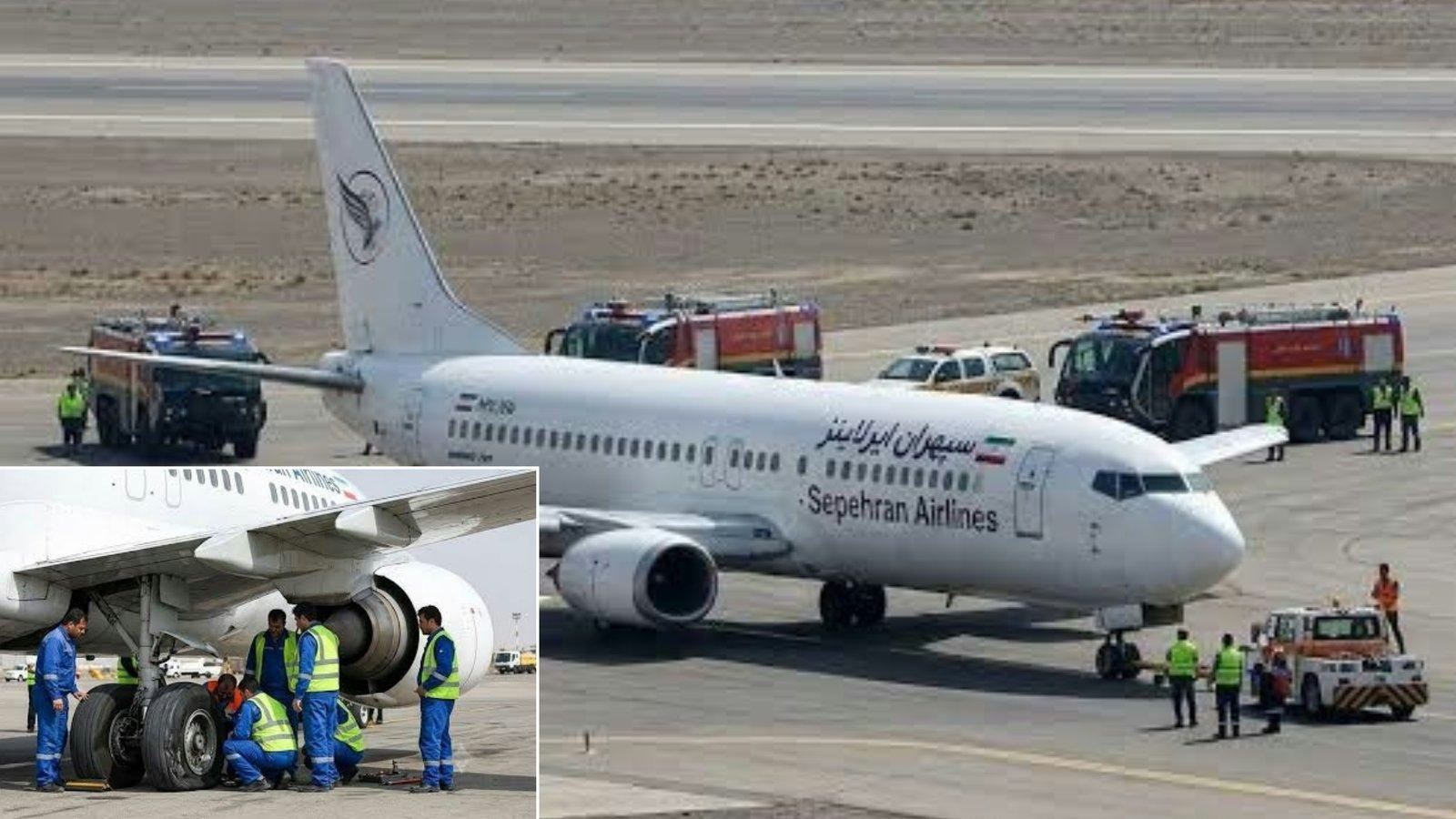
Sepehran Airlines B737 Returns to Mashhad After Tyre and Engine Issues

Etihad Deploys Widebody Fleet to Meet Strong Demand
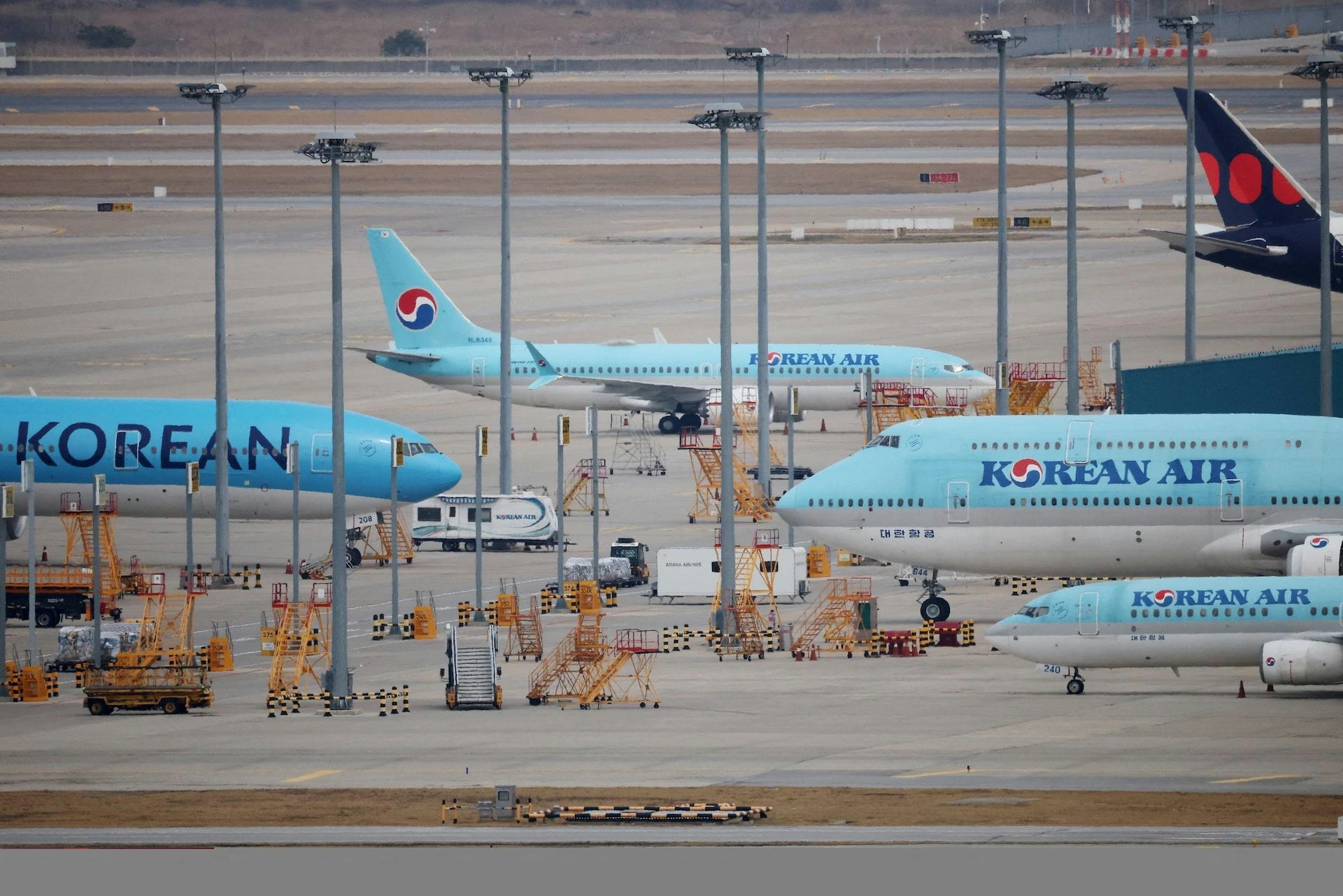
Korean Air Finalizes $36.2 Billion Deal with Boeing
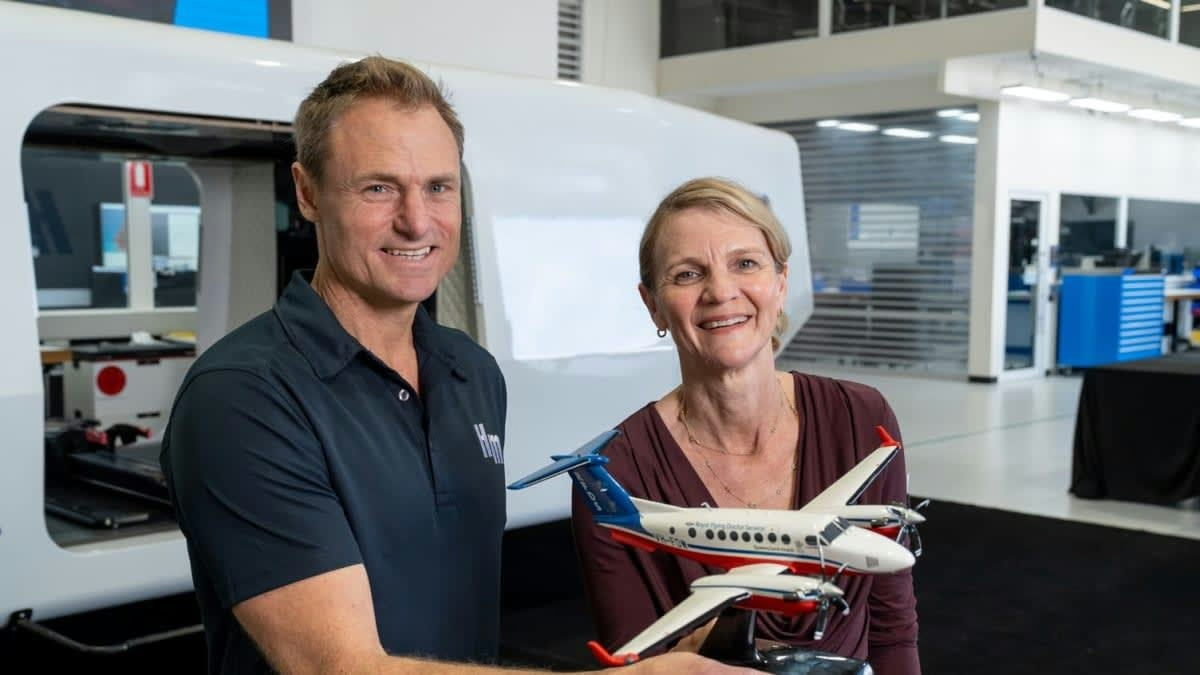
Australia’s RFDS Queensland Section Orders Six King Air 260Cs

Korean Air Finalizes Order for 103 Boeing Jets and Engines
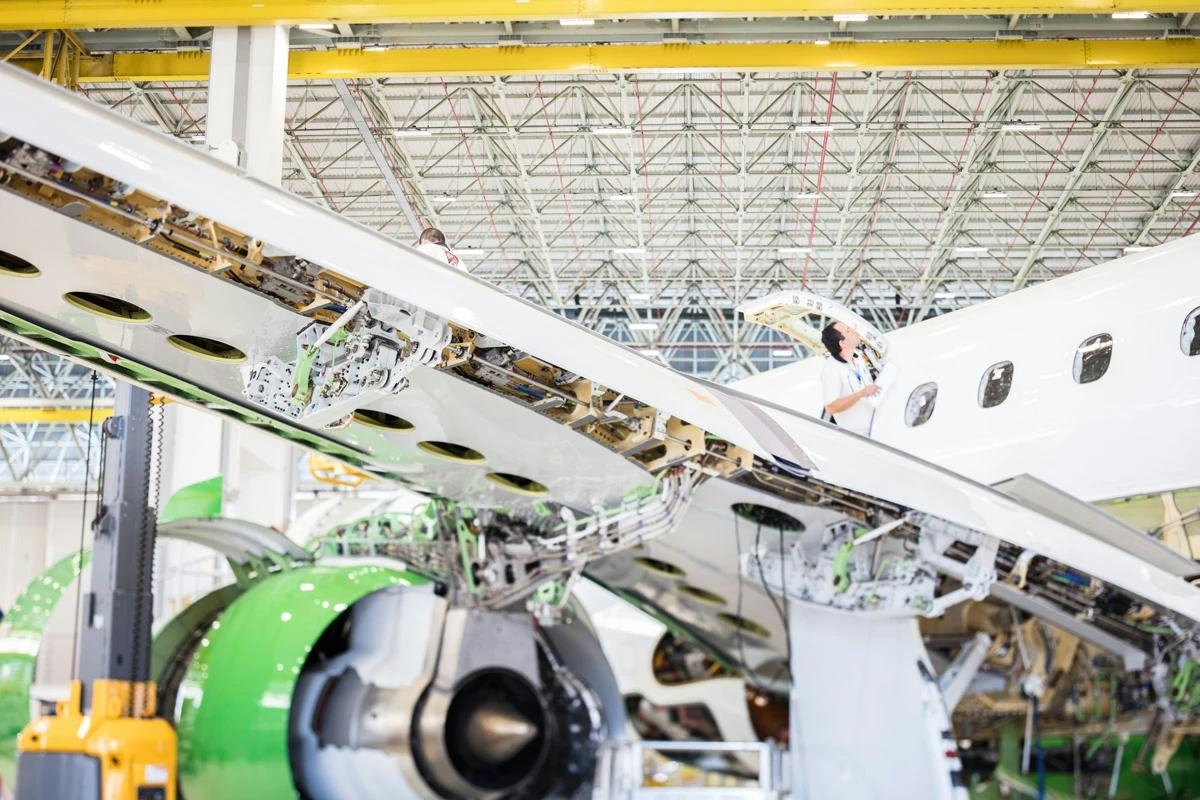
Embraer E195-E2 Features Distinctive Engine Placement Among Regional Jets
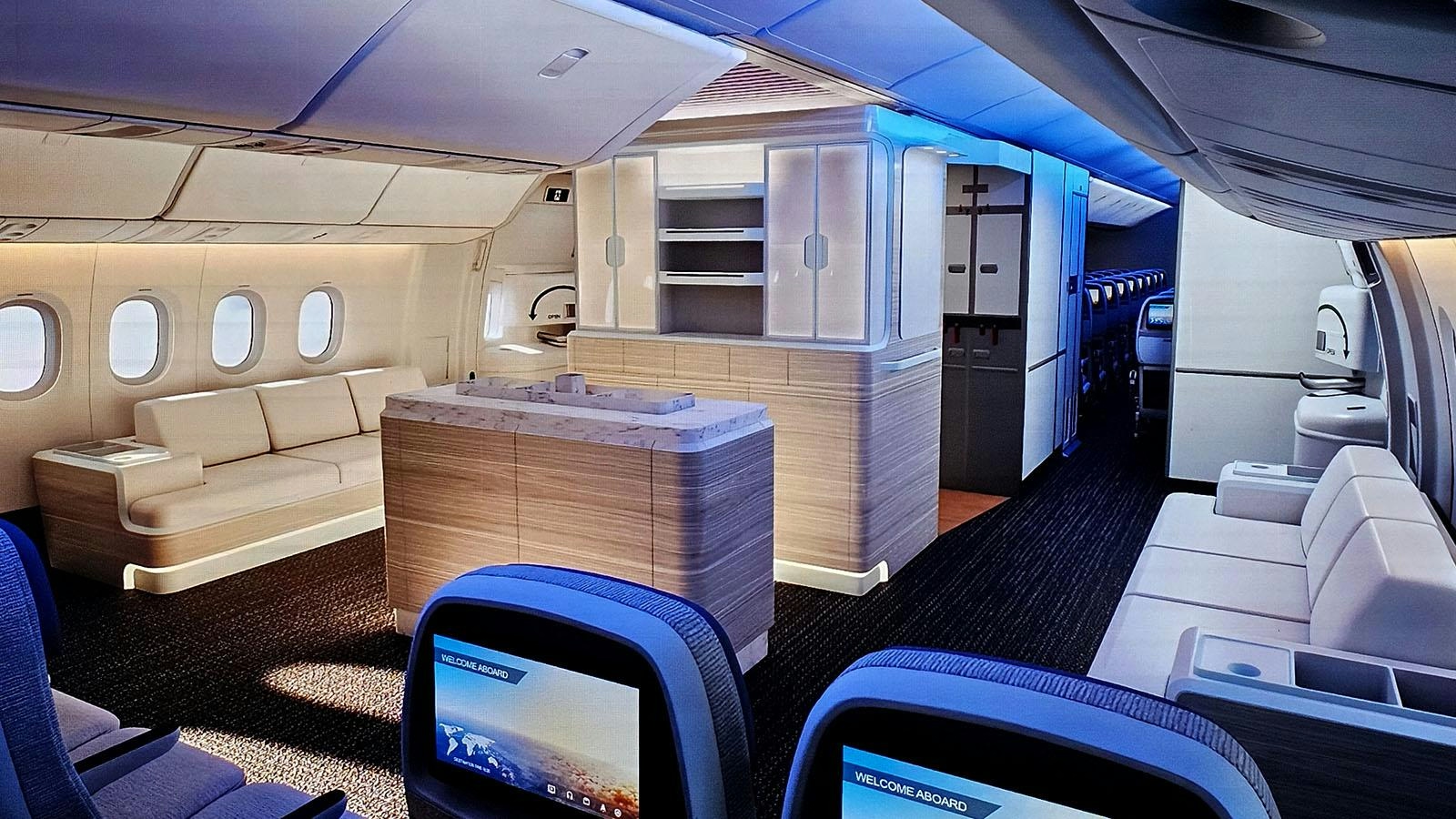
What Passengers Can Expect on Boeing’s New 777X Jet
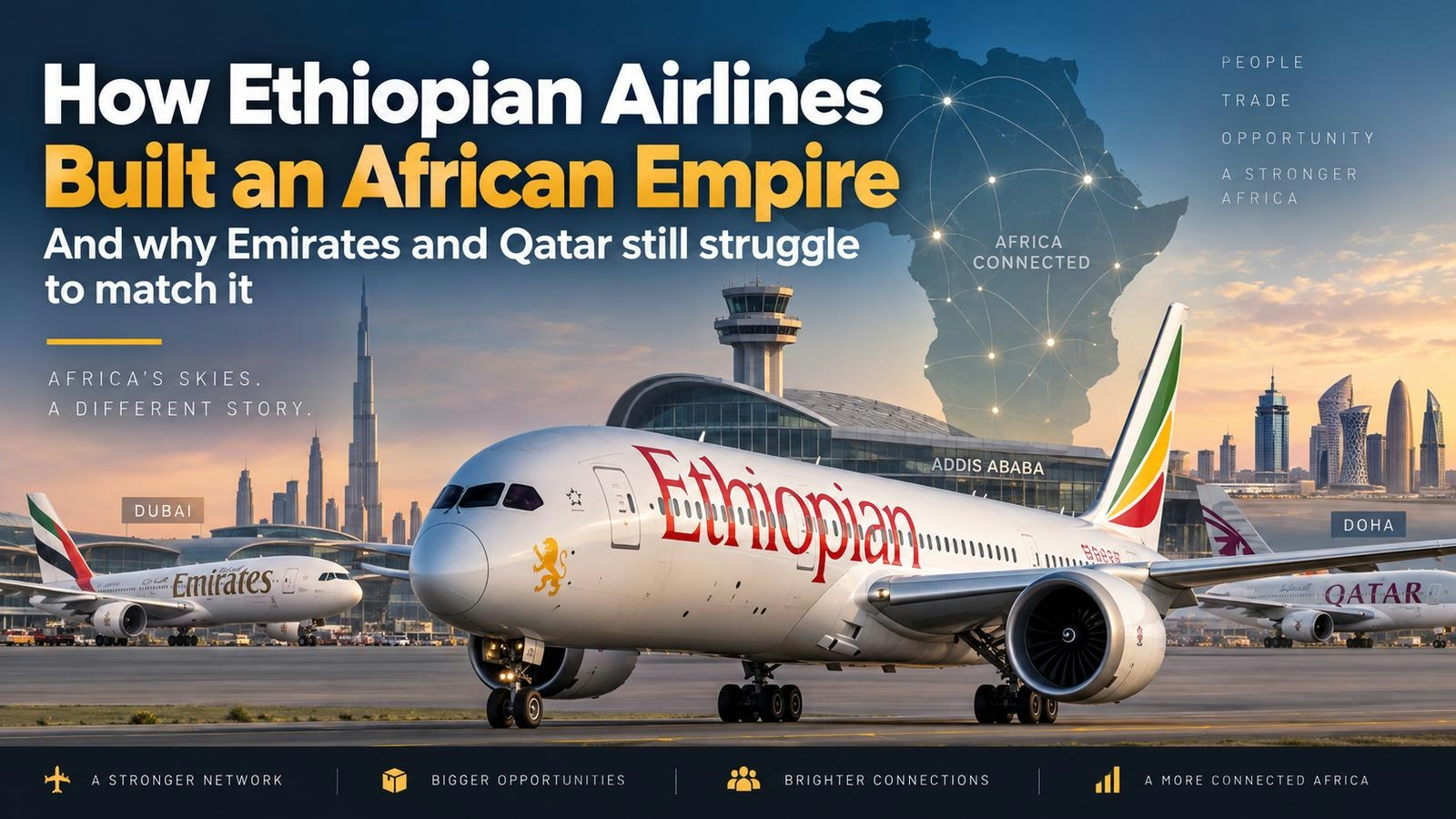
How Ethiopian Airlines Became Africa’s Leading Carrier Amid Gulf Competition

Joby Aviation Extends Autonomous Flight Capabilities with Cross-Country Tour
