
Trasforma le intuizioni dell’IA in azioni concrete

Tendenze
Categories
GE Aerospace and TAI Sign Agreement for F404 Engines on Türkiye’s Hurjet Aircraft
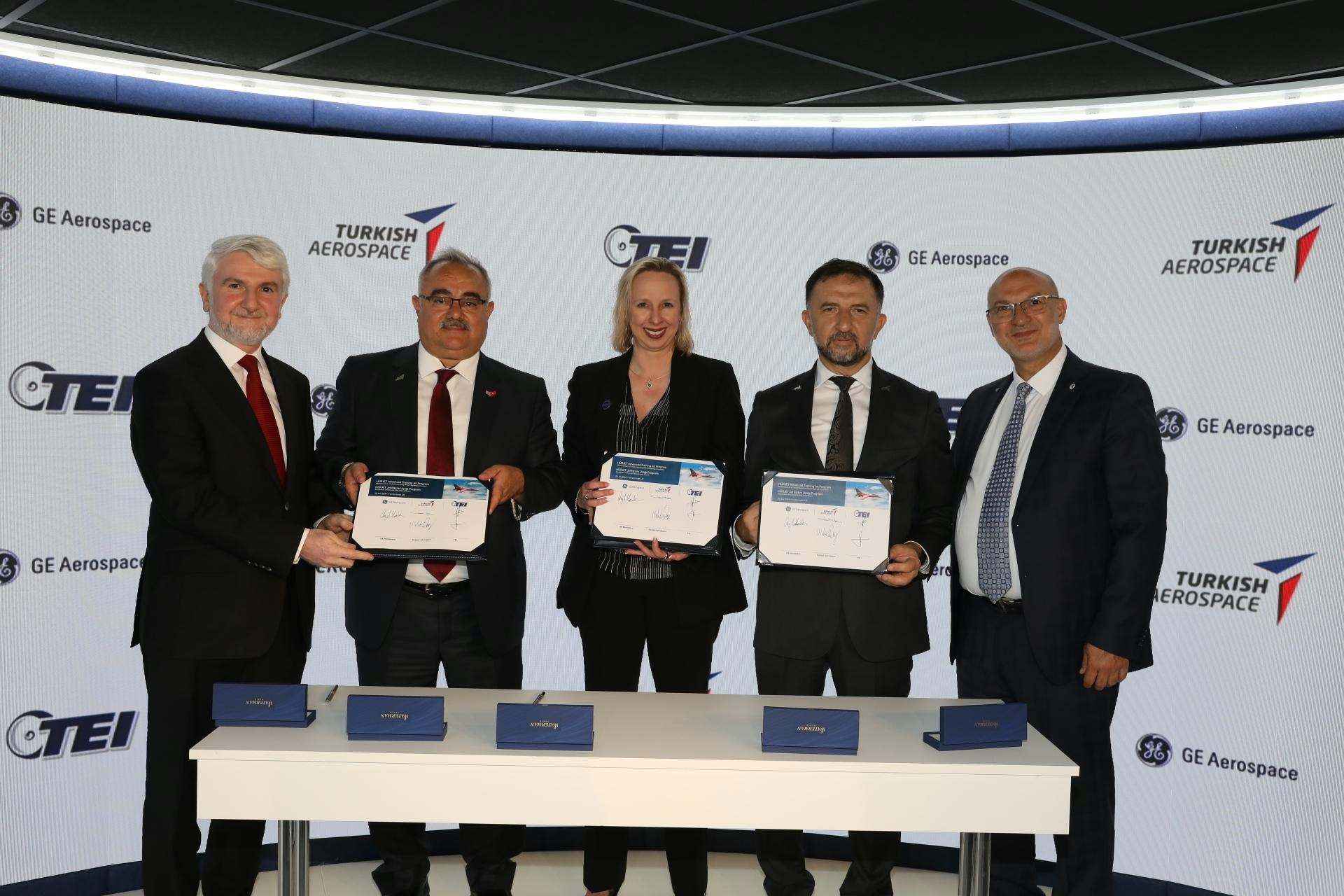
GE Aerospace and TAI Formalize Agreement for F404 Engines on Türkiye’s Hurjet Trainer
US-based aircraft engine manufacturer GE Aerospace and Turkish Aerospace Industries (TAI) have entered into a new agreement for the supply of F404 engines to power Türkiye’s Hurjet advanced jet trainer. Announced jointly on Tuesday, the deal represents a significant advancement in Türkiye’s aerospace and defense ambitions, highlighting the strengthening strategic partnership between the two companies as the Hurjet program expands its operational capabilities and prepares for future variants.
Strategic Partnership and Industry Significance
TAI President and CEO Mehmet Demiroglu characterized the agreement as a pivotal development for Turkish aerospace. He emphasized that the longstanding collaboration with GE Aerospace continues to deliver essential propulsion technology, underpinning the Hurjet’s emergence as a modern, reliable, and globally competitive training platform. From GE Aerospace’s perspective, Rita Flaherty, vice president for global sales and business development for defense and systems, reaffirmed the company’s dedication to the program. She noted that supporting the Hurjet’s introduction to the international market aligns with Türkiye’s growing stature as a key player in the global defense and aviation sectors.
The F404 Engine: Performance and Industry Challenges
The Hurjet will be equipped with GE Aerospace’s F404 engine, a combat-proven turbofan widely deployed in advanced training and fighter aircraft across 16 countries. Renowned for its versatility and reliability, the F404 has become a mainstay in its class. Nevertheless, recent industry developments have subjected engine suppliers to heightened scrutiny. GE Aerospace has encountered delivery delays affecting programs such as India’s Hindustan Aeronautics Tejas Light Combat Aircraft, raising concerns about supply chain robustness and the potential impact on the company’s reputation.
This scrutiny coincides with increased vigilance from defense procurement agencies regarding engine performance and delivery schedules. Competitors, including Pratt & Whitney, are simultaneously addressing their own engine durability challenges, intensifying competition within the sector. Rival manufacturers may seek to capitalize on technological innovations and market positioning to secure future contracts in Türkiye’s expanding defense market.
A Legacy of Collaboration and Future Outlook
This agreement builds upon nearly four decades of cooperation between GE Aerospace and TAI, including their joint venture Turkish Engine Industries (TEI), established in 1985. The contract follows two memoranda of understanding signed at the 2024 Farnborough Airshow and the 2025 IDEF defense exhibition, underscoring the companies’ shared commitment to advancing Türkiye’s aerospace industry.
As the Hurjet program progresses, the partnership between GE Aerospace and TAI will remain under close observation by industry stakeholders. Both companies are poised to demonstrate continued reliability and innovation amid a competitive global aerospace market.
Precision and Care Essential in Aerospace Coating Applications
Drukair Chooses LEAP Engines for Five Airbus Aircraft

Russia Tests Air Taxis with Passenger Flights Possible in 2-3 Years
EPCOR and MAS Sign Five-Year A330 APU Support Agreement
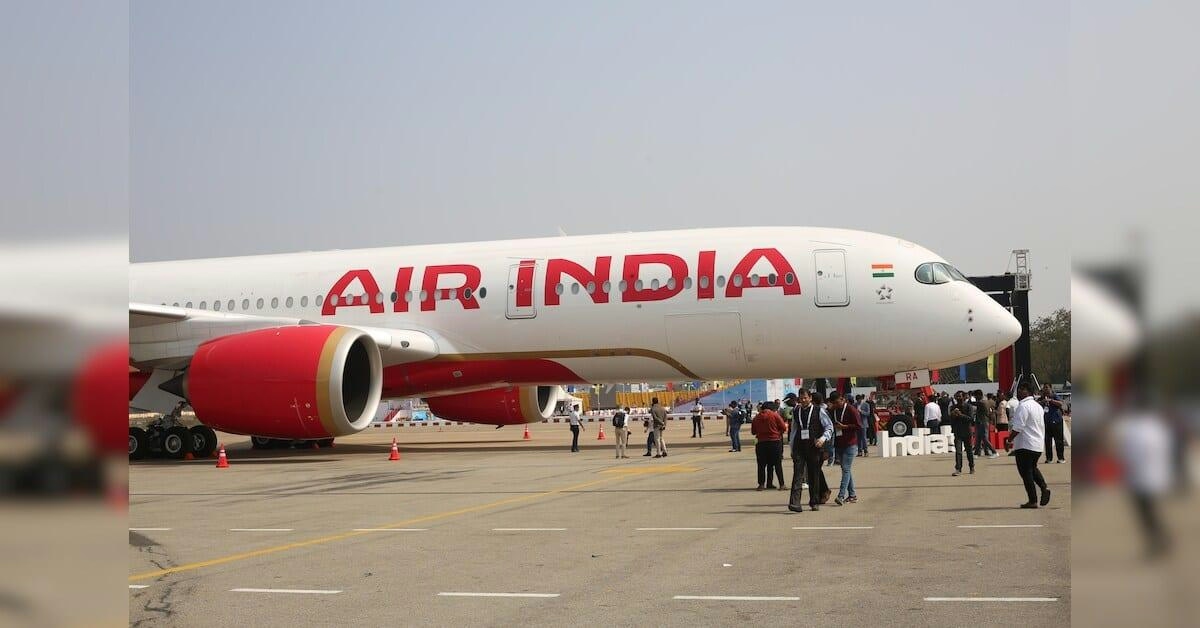
Air India Expands Use of Salesforce AI to Enhance Customer Service
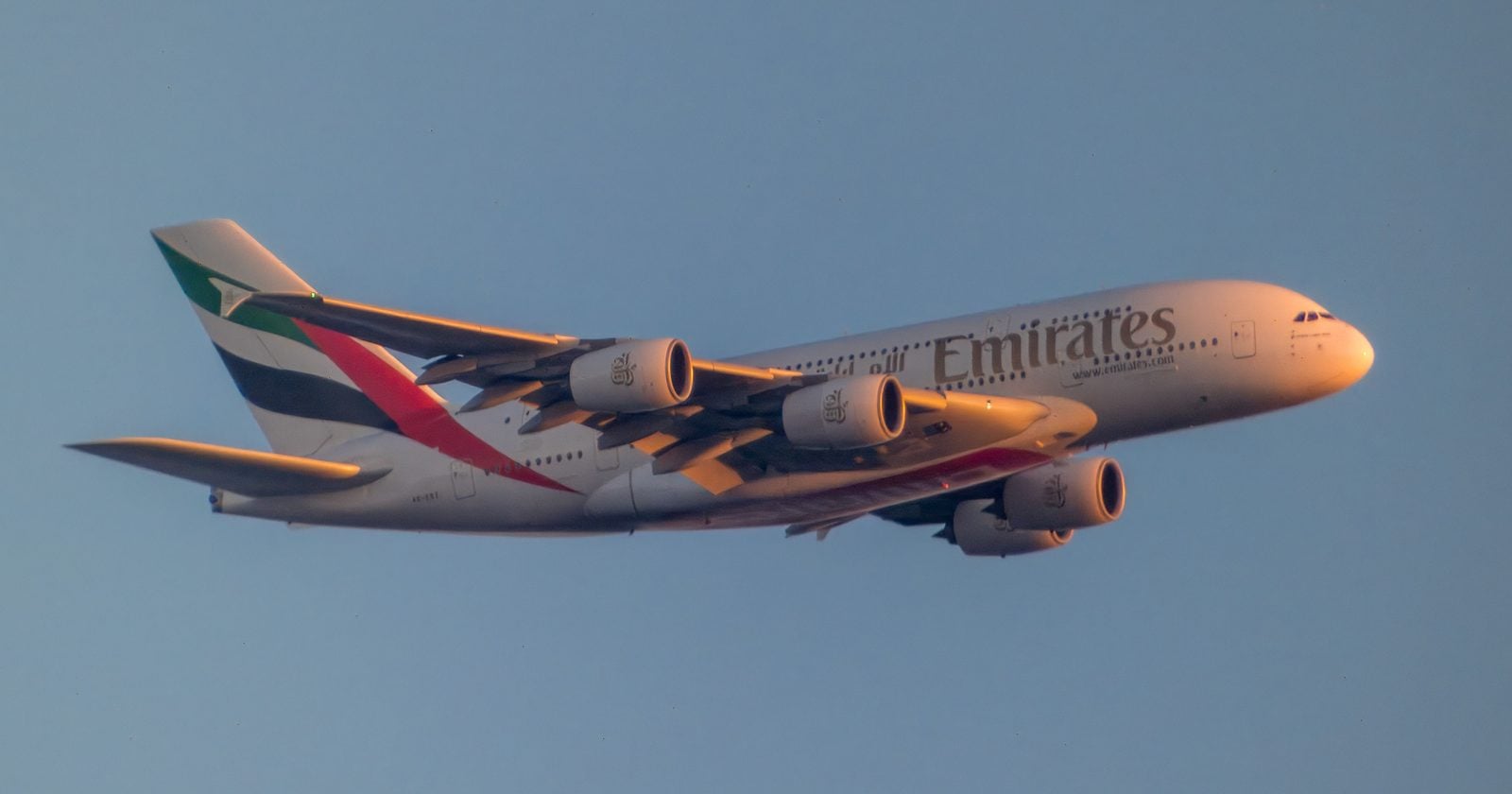
European Regulators Order Urgent Inspections After Cracks Found in Airbus A380 Wing Spars

GCAA Strengthens Drone Regulations Amid Growing Unmanned Aviation
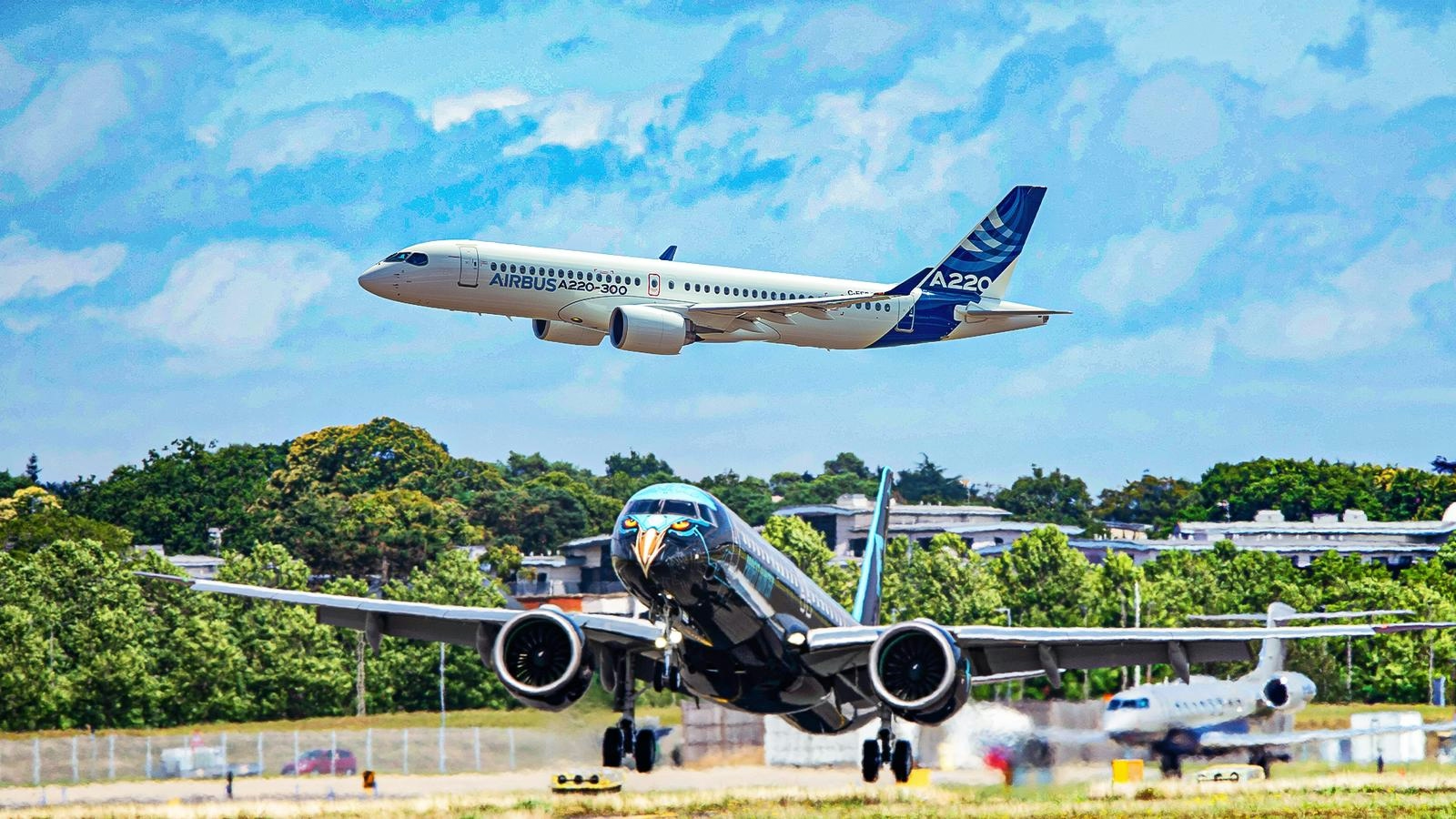
Embraer Delivers 2,000th E-Jet as Airbus A220 Seeks Market Share
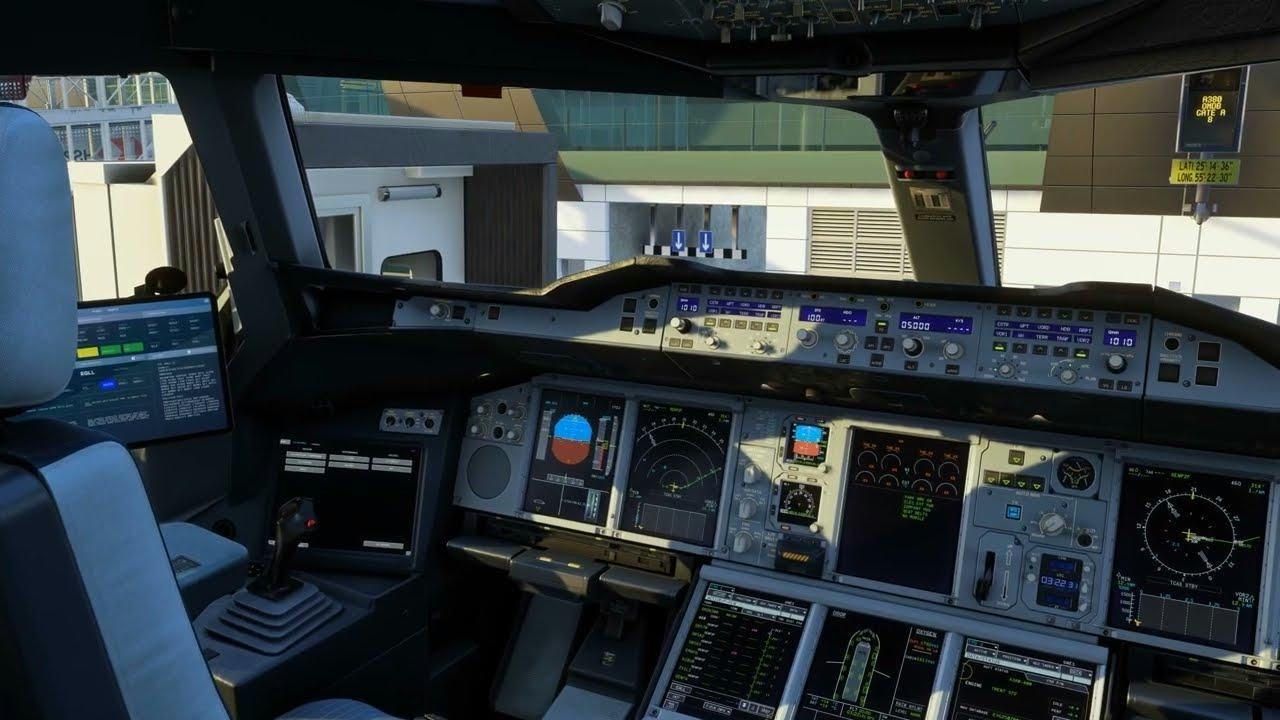
iniBuilds Releases Second In-Depth A380 Video

Sophia Space Secures $300 Million Lease to Finance First Orbital Computing Constellation
