
Trasforma le intuizioni dell’IA in azioni concrete

Tendenze
Categories
Simon Ostrach: Leader in Thermodynamics and Jet Engine Cooling
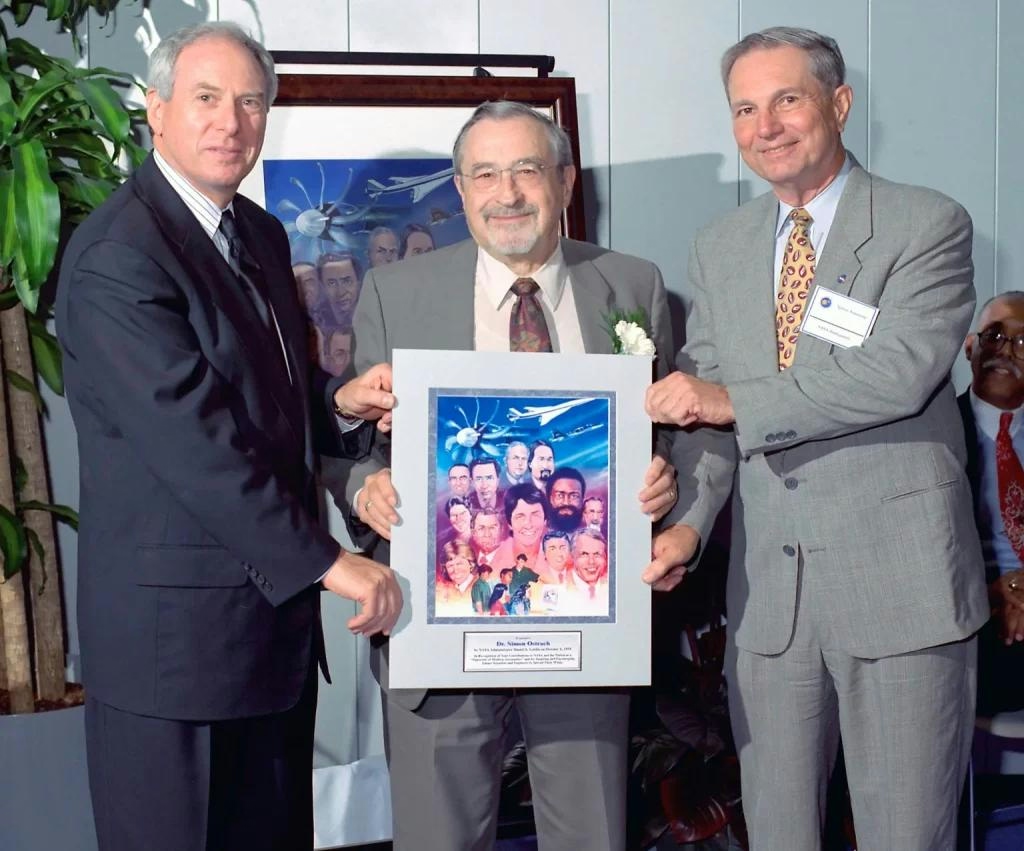
Simon Ostrach: Leader in Thermodynamics and Jet Engine Cooling
Early Career and Contributions to Aircraft Engine Cooling
Simon Ostrach, born on December 26, 1923, emerged as a prominent figure in thermodynamics and jet engine cooling through his pioneering work during and after World War II. A mechanical engineer from Rhode Island, Ostrach graduated from the University of Rhode Island in 1944 and was promptly recruited by the National Advisory Committee for Aeronautics (NACA) to join its Lewis Research Center. At the Aircraft Engine Research Laboratory, he confronted critical cooling challenges associated with wartime aircraft engines, including the Pratt & Whitney R-2800 and Wright 3350 models. His early work laid the foundation for advancements in managing the intense thermal stresses experienced by these engines during combat operations.
Following the war, Ostrach redirected his focus toward the thermodynamics of emerging turbojet and turboprop engines. In 1947, he secured a predoctoral fellowship at Brown University, where he undertook a thesis on fluid heat transfer despite lacking formal training in the subject. Upon returning to the Lewis Laboratory in 1949, he was assigned to the Special Projects Division under Abe Silverstein’s leadership, joining an elite Applied Mechanics Group. Alongside colleagues such as Stephen Maslen, Frank Moore, and Harold Mirels, Ostrach engaged in advanced research that would significantly influence the field.
Innovations in Fluid Dynamics and Industry Impact
Ostrach’s groundbreaking investigations into buoyancy-driven fluid flows, supported by Ernst Eckert, proved crucial in advancing water-cooled turbine blade technology for jet engines. He demonstrated that viscosity, akin to heat, could accelerate fluid motion—a discovery that extended beyond aeronautics to impact the development of semiconductor crystals and microelectromechanical systems (MEMS). His research addressed the aviation industry’s escalating demand for efficient and cost-effective cooling solutions amid intense competition and rapid technological progress. As companies sought to enhance fuel efficiency and reduce emissions, Ostrach’s innovations gained prominence, prompting increased investment in research and strategic collaborations to maintain technological leadership.
Beyond his laboratory achievements, Ostrach contributed to space exploration by designing key experiments for the space shuttle missions in 1992 and 1995. These experiments advanced understanding of life-support systems in microgravity and improved materials processing techniques on Earth. He was a strong advocate for Research for Design (R4D), a collaborative approach linking industry and academia to solve practical engineering problems. This philosophy anticipated contemporary trends emphasizing artificial intelligence, infrastructure development, and sustainability—areas now central to the thermodynamics and jet engine cooling sectors.
Academic Leadership and Lasting Legacy
After departing NASA in 1960, Ostrach joined Case Western Reserve University, where he served as a professor for six decades, shaping generations of engineers. His influence extended into national engineering policy through his role as Home Secretary of the National Academy of Engineering and participation in numerous professional committees and advisory boards. Reflecting on his career, Ostrach expressed profound satisfaction not only in his scientific contributions but also in the acceptance and camaraderie he found within the heat transfer community. His enduring legacy is marked by both the scientific advancements he pioneered and the collaborative spirit he fostered throughout the engineering profession.

Etihad and Swissport Extend Global Partnership

Sepehran Airlines B737 Returns to Mashhad After Tyre and Engine Issues

Etihad Deploys Widebody Fleet to Meet Strong Demand

Korean Air Finalizes $36.2 Billion Deal with Boeing
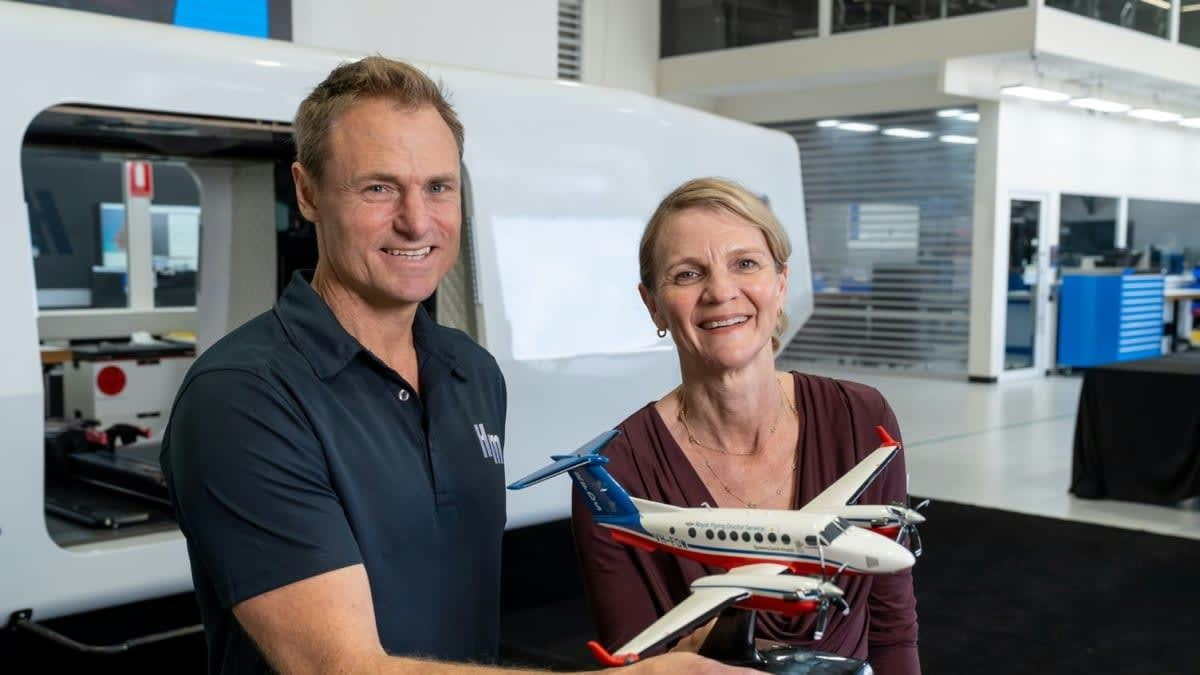
Australia’s RFDS Queensland Section Orders Six King Air 260Cs
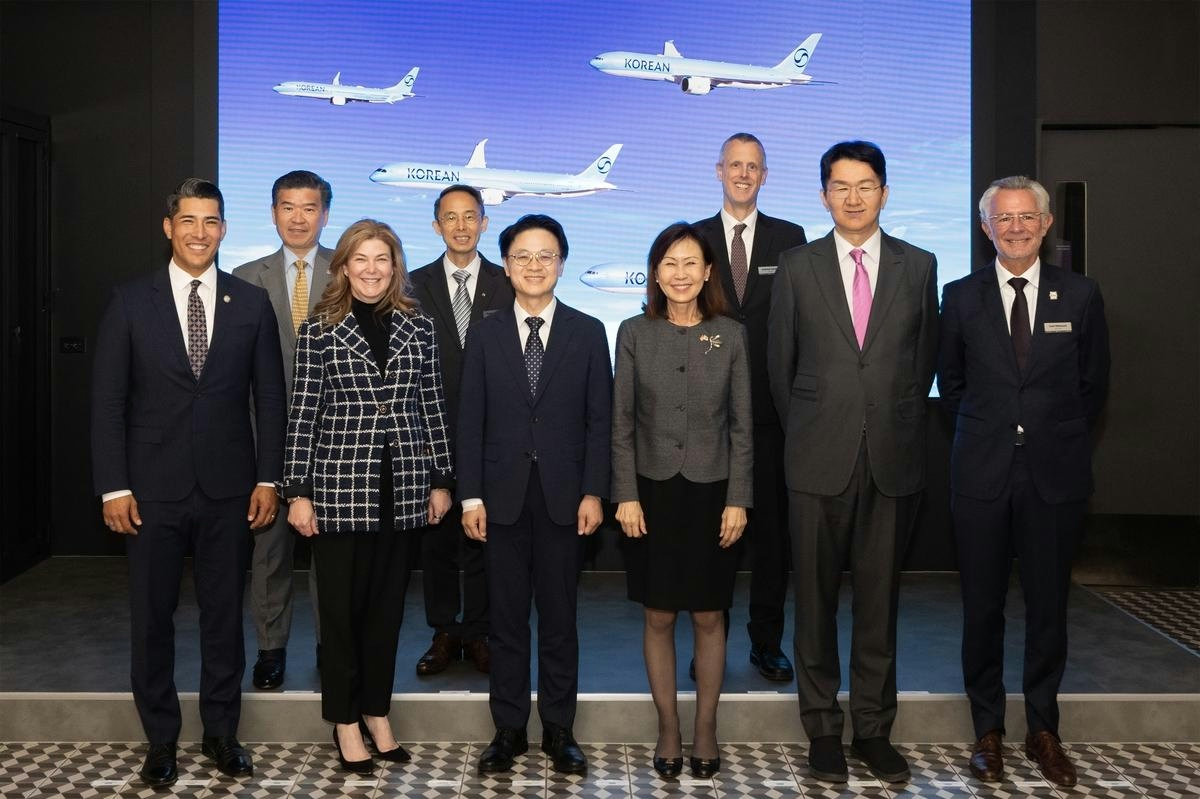
Korean Air Finalizes Order for 103 Boeing Jets and Engines
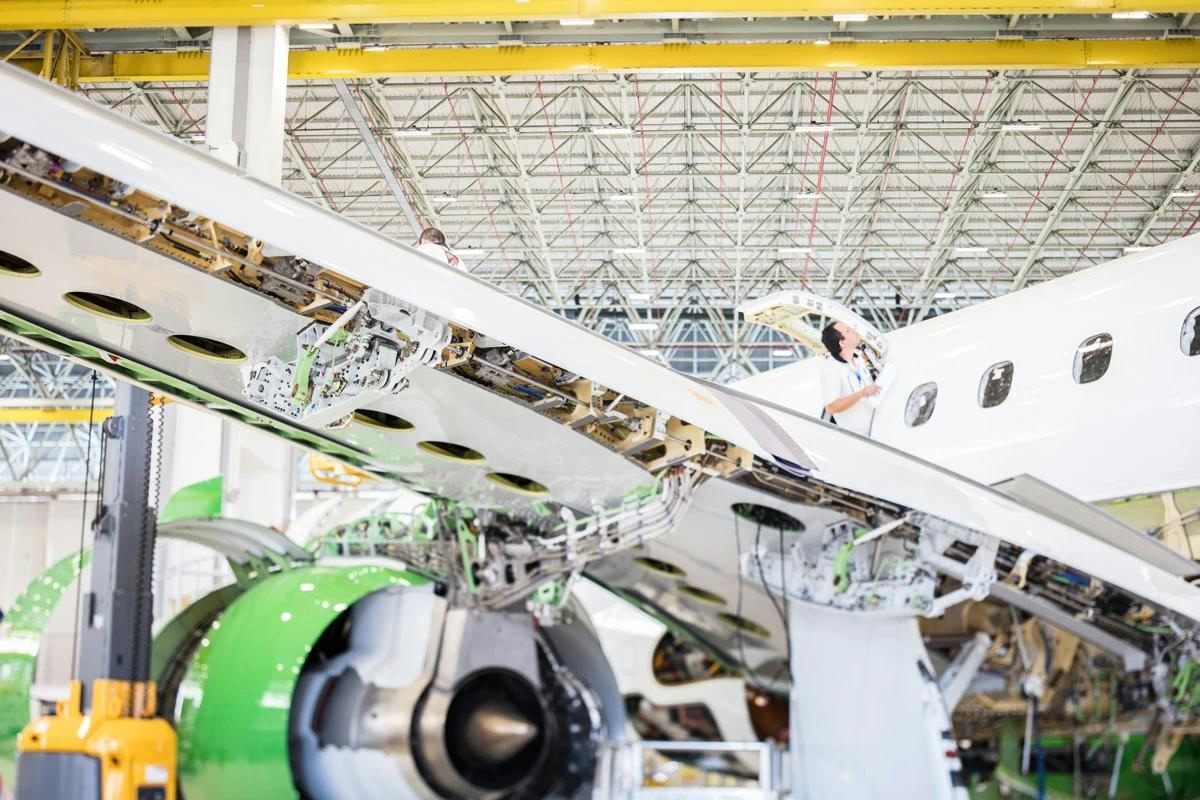
Embraer E195-E2 Features Distinctive Engine Placement Among Regional Jets
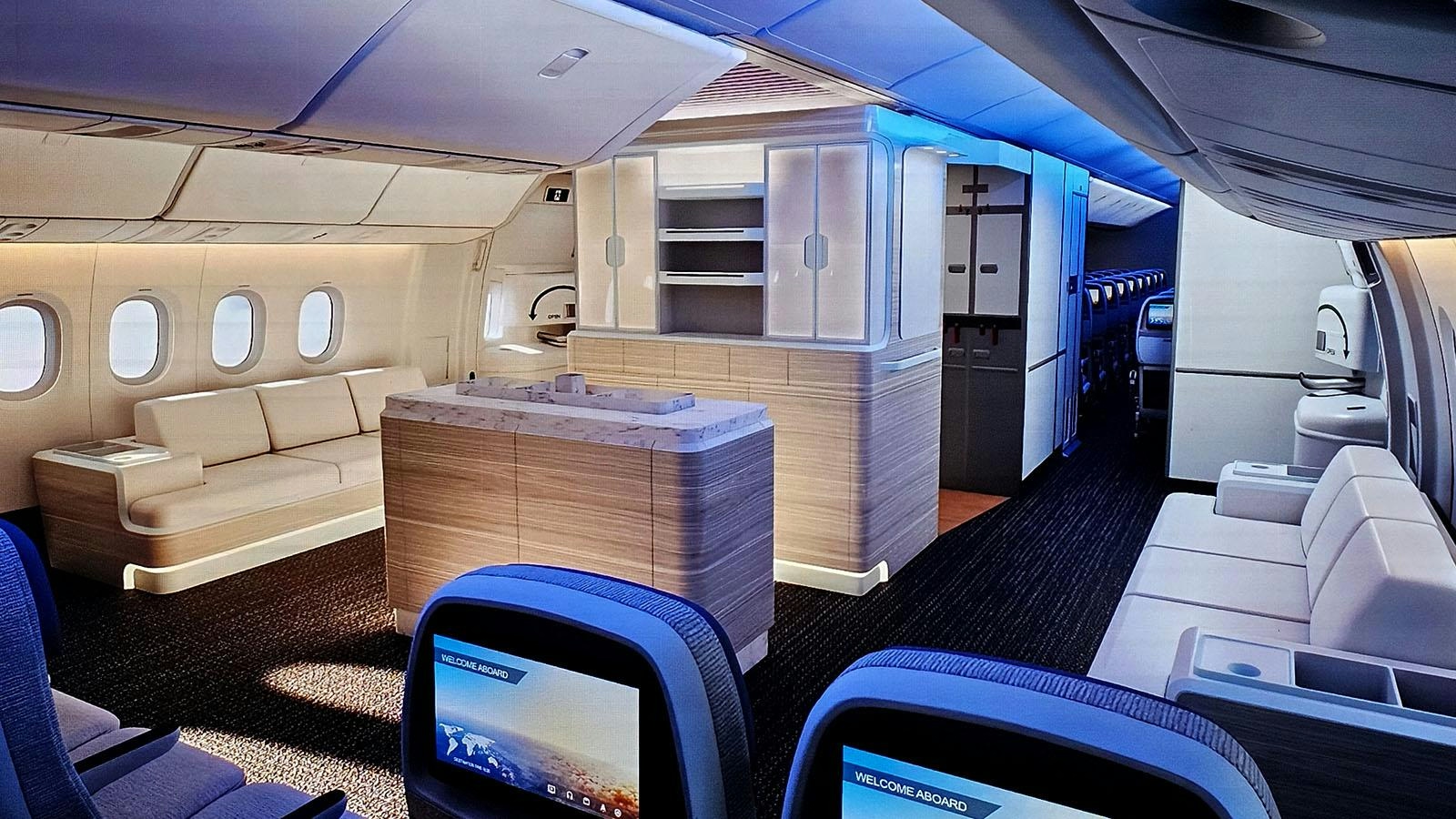
What Passengers Can Expect on Boeing’s New 777X Jet

How Ethiopian Airlines Became Africa’s Leading Carrier Amid Gulf Competition
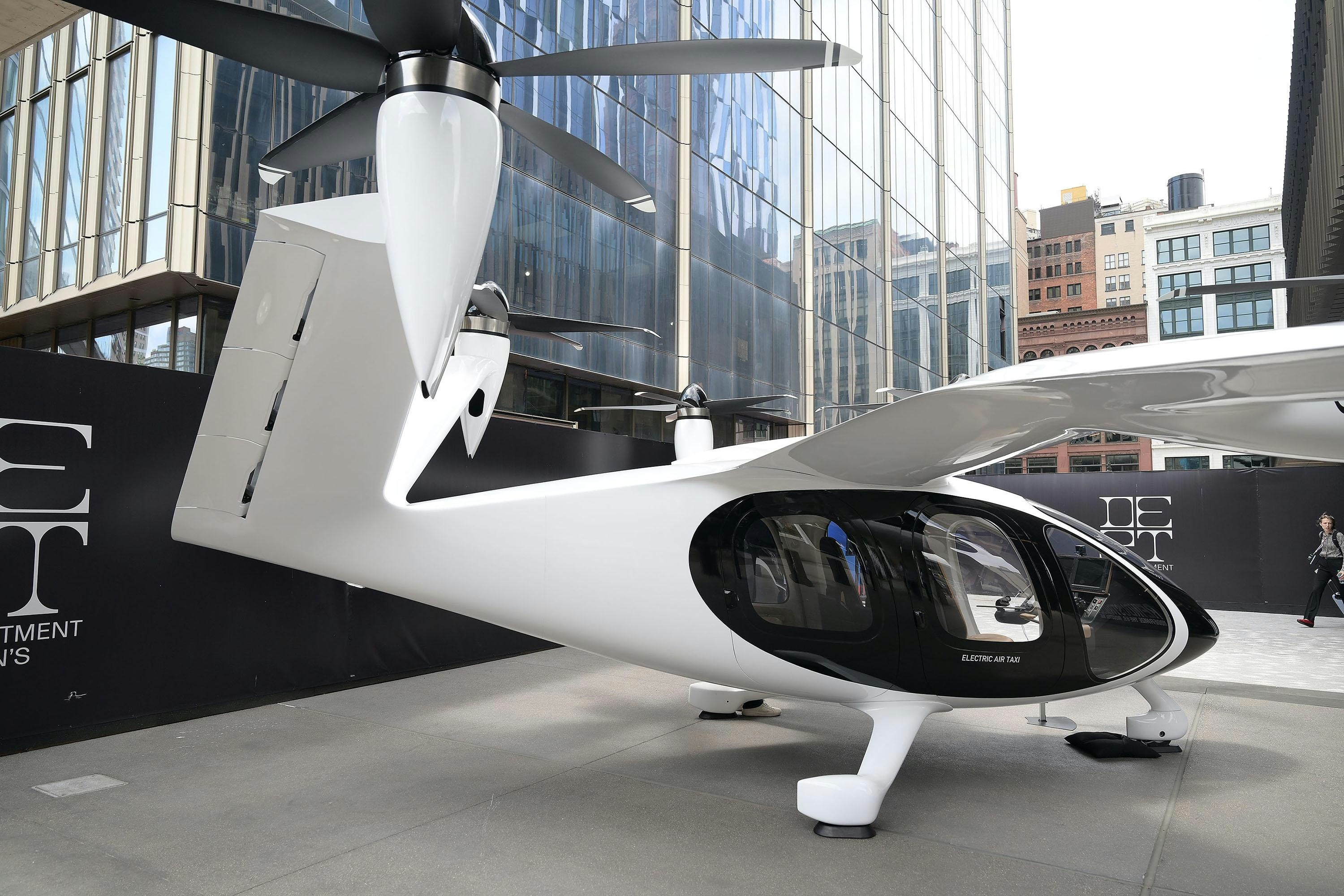
Joby Aviation Extends Autonomous Flight Capabilities with Cross-Country Tour
