
Trasforma le intuizioni dell’IA in azioni concrete

Tendenze
Categories
US Partners with Allies as Alaska and Hawaiian Airlines Expand High-Speed Starlink Wi-Fi
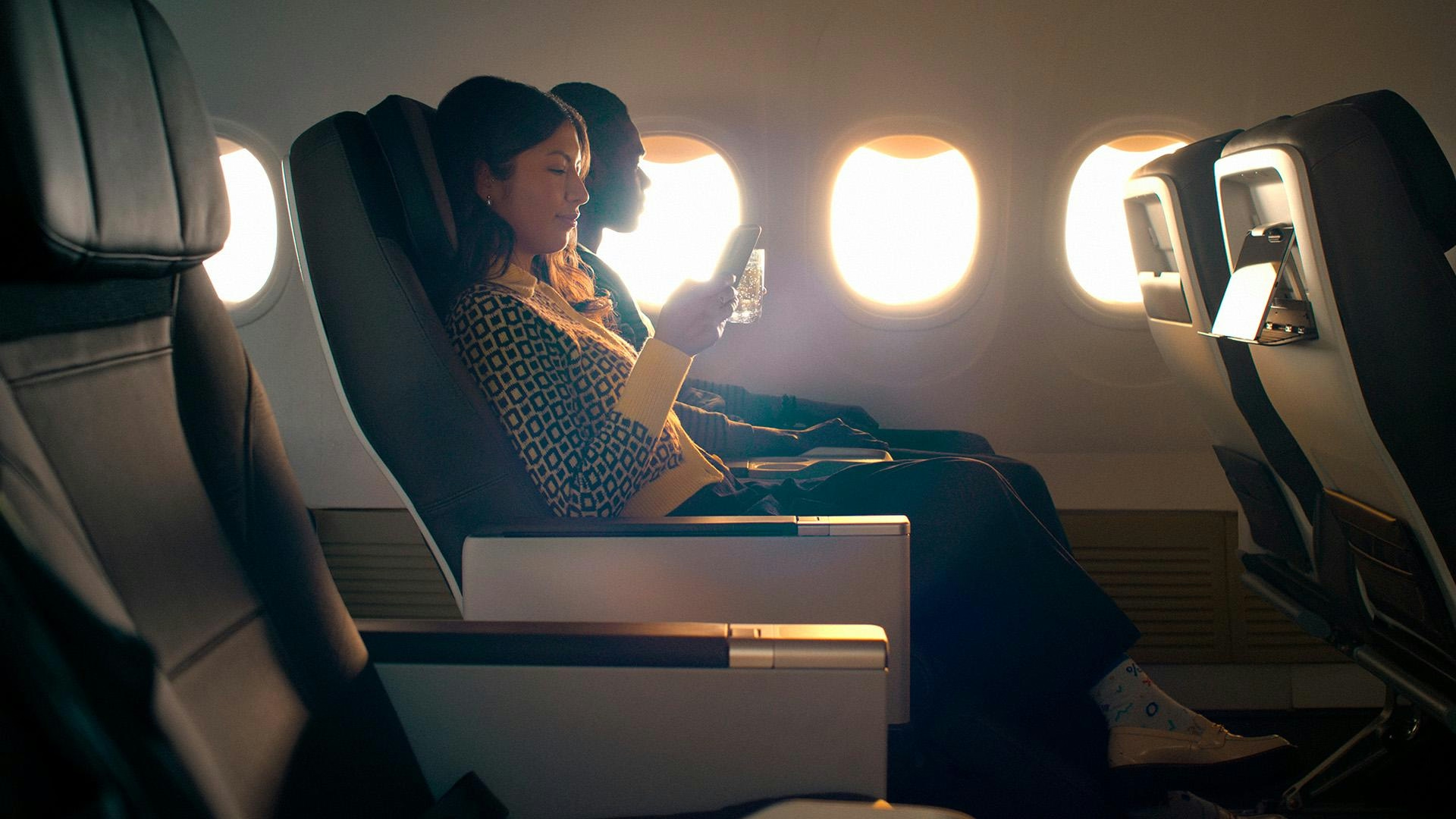
US Partners with Allies as Alaska and Hawaiian Airlines Expand High-Speed Starlink Wi-Fi
Advancing Inflight Connectivity with Starlink
In a significant development for aviation technology, Alaska Airlines and Hawaiian Airlines, subsidiaries of Alaska Air Group, are expanding the deployment of Starlink-powered high-speed inflight internet across their fleets. With 150 aircraft already equipped and plans to complete full fleet integration by 2027, these carriers are positioning themselves at the forefront of a global movement toward enhanced passenger connectivity. This initiative underscores the United States’ leadership in aviation innovation amid a growing international effort, with countries including Canada, Australia, the United Kingdom, and Japan investing heavily in next-generation onboard digital services.
Starlink’s satellite technology offers download speeds reaching up to 300 Mbps, combined with low latency and extensive coverage that surpasses traditional geostationary systems. Passengers benefit from the ability to browse, stream, and work remotely throughout their flights, with the service provided at no additional cost to eligible Atmos Rewards members. This upgrade is poised to transform passenger expectations, elevating reliable inflight internet to a standard as fundamental as comfort and punctuality.
Industry Impact and Competitive Dynamics
The rapid adoption of Starlink by over 40 airlines by mid-2026 signals a profound shift within the $1.6 trillion U.S. communications sector. Established broadband providers such as AT&T, Verizon, and T-Mobile face potential disruption as satellite-based solutions gain favor among airlines and travelers. In response, competitors are exploring alternative technologies and partnerships; for instance, Delta Air Lines and JetBlue have selected Amazon’s Leo satellite system to enhance their inflight connectivity offerings.
Despite the momentum in the U.S. and allied markets, regulatory challenges remain a significant hurdle for global expansion. India’s recent suspension of Starlink’s rollout due to compliance issues exemplifies the complexities involved in navigating diverse regulatory environments. Such obstacles could influence SpaceX’s subscriber growth and have implications for its anticipated initial public offering.
Future Outlook and Fleet Expansion
Alaska Airlines and Hawaiian Airlines aim to complete Starlink installations on their widebody aircraft by fall 2026, with the mainline fleet following by 2027. This technological upgrade coincides with Alaska Air Group’s largest aircraft order to date, which includes over 100 new planes designed to support future growth and further digital enhancements.
As demand for uninterrupted inflight connectivity intensifies, the expansion of Starlink Wi-Fi marks a critical step toward establishing a fully connected travel ecosystem. While reinforcing the competitive edge of U.S. carriers and their partners, this development also heralds increased competition and regulatory scrutiny as the inflight connectivity landscape continues to evolve.
Comments

Etihad and Swissport Extend Global Partnership
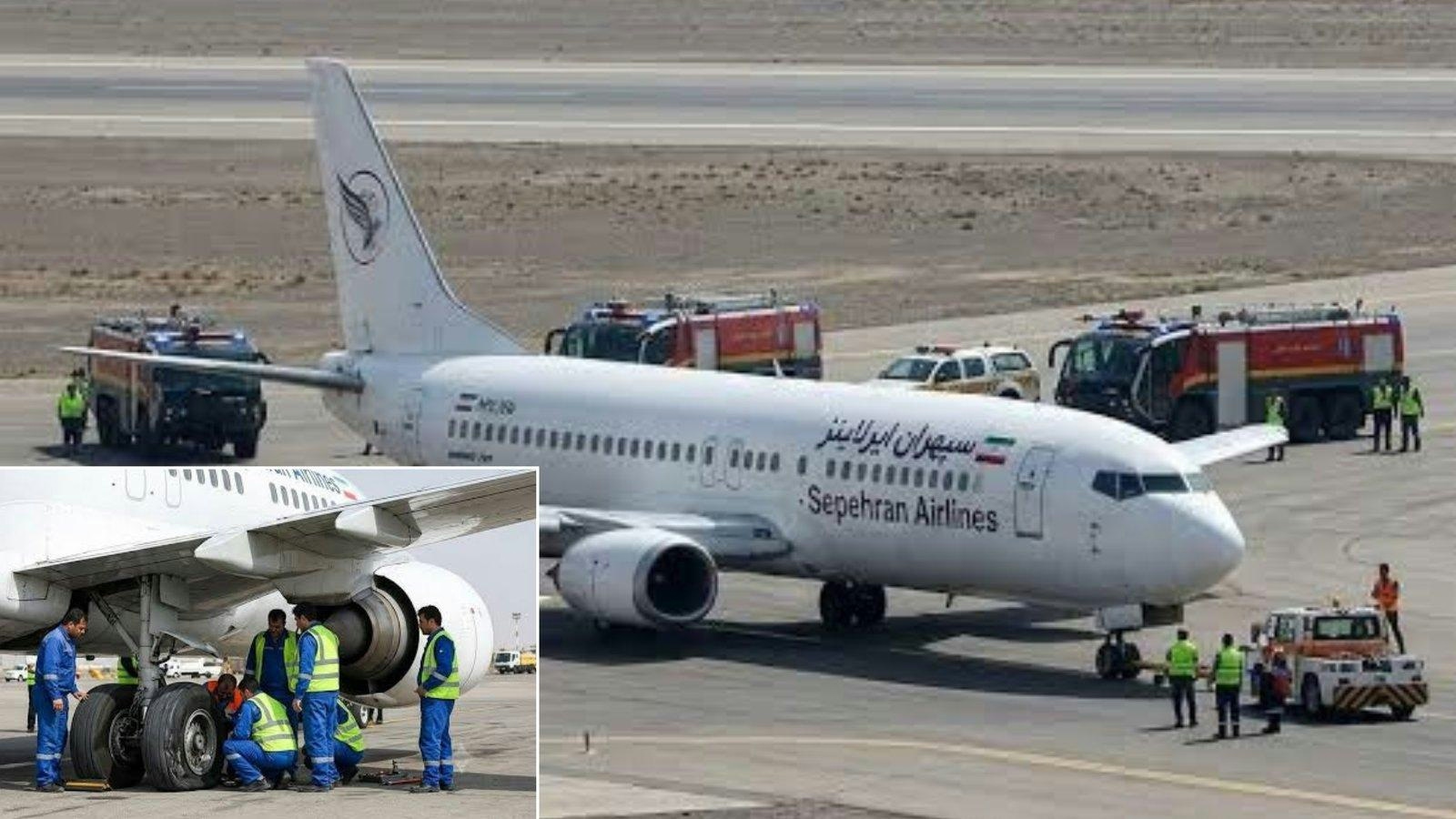
Sepehran Airlines B737 Returns to Mashhad After Tyre and Engine Issues

Etihad Deploys Widebody Fleet to Meet Strong Demand

Korean Air Finalizes $36.2 Billion Deal with Boeing

Australia’s RFDS Queensland Section Orders Six King Air 260Cs

Korean Air Finalizes Order for 103 Boeing Jets and Engines
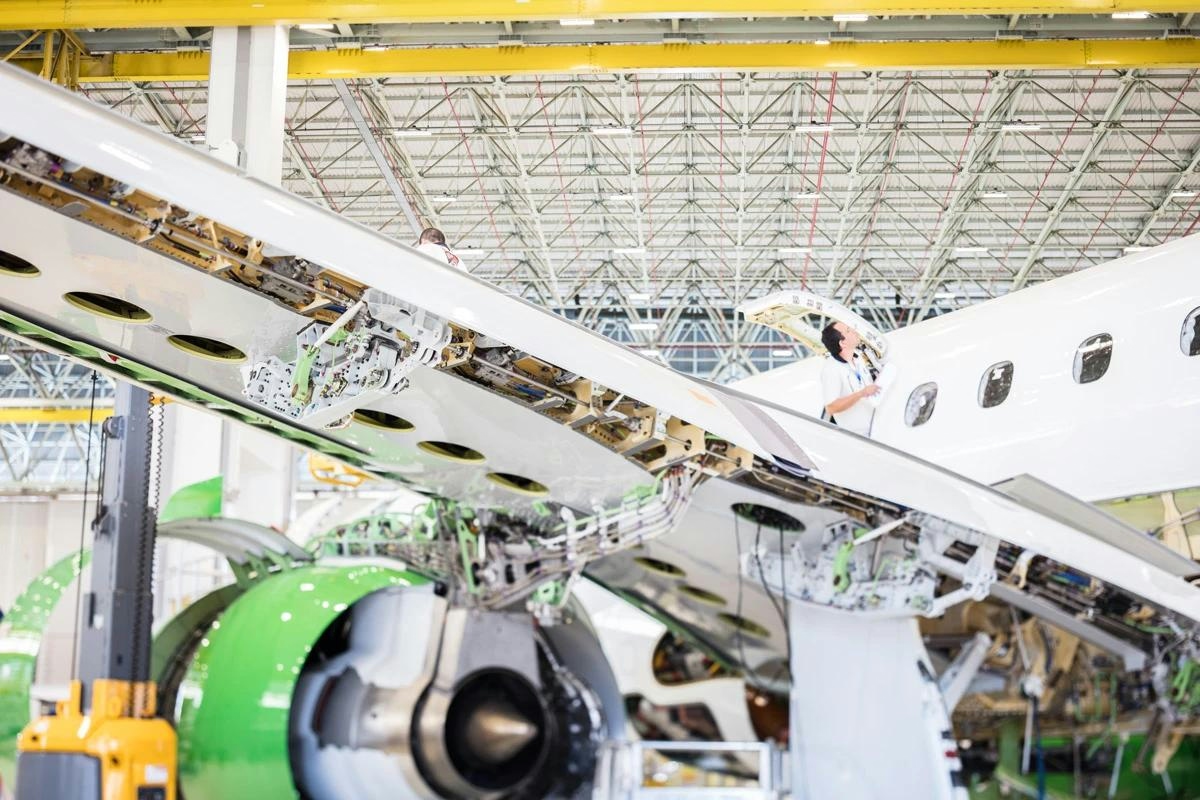
Embraer E195-E2 Features Distinctive Engine Placement Among Regional Jets
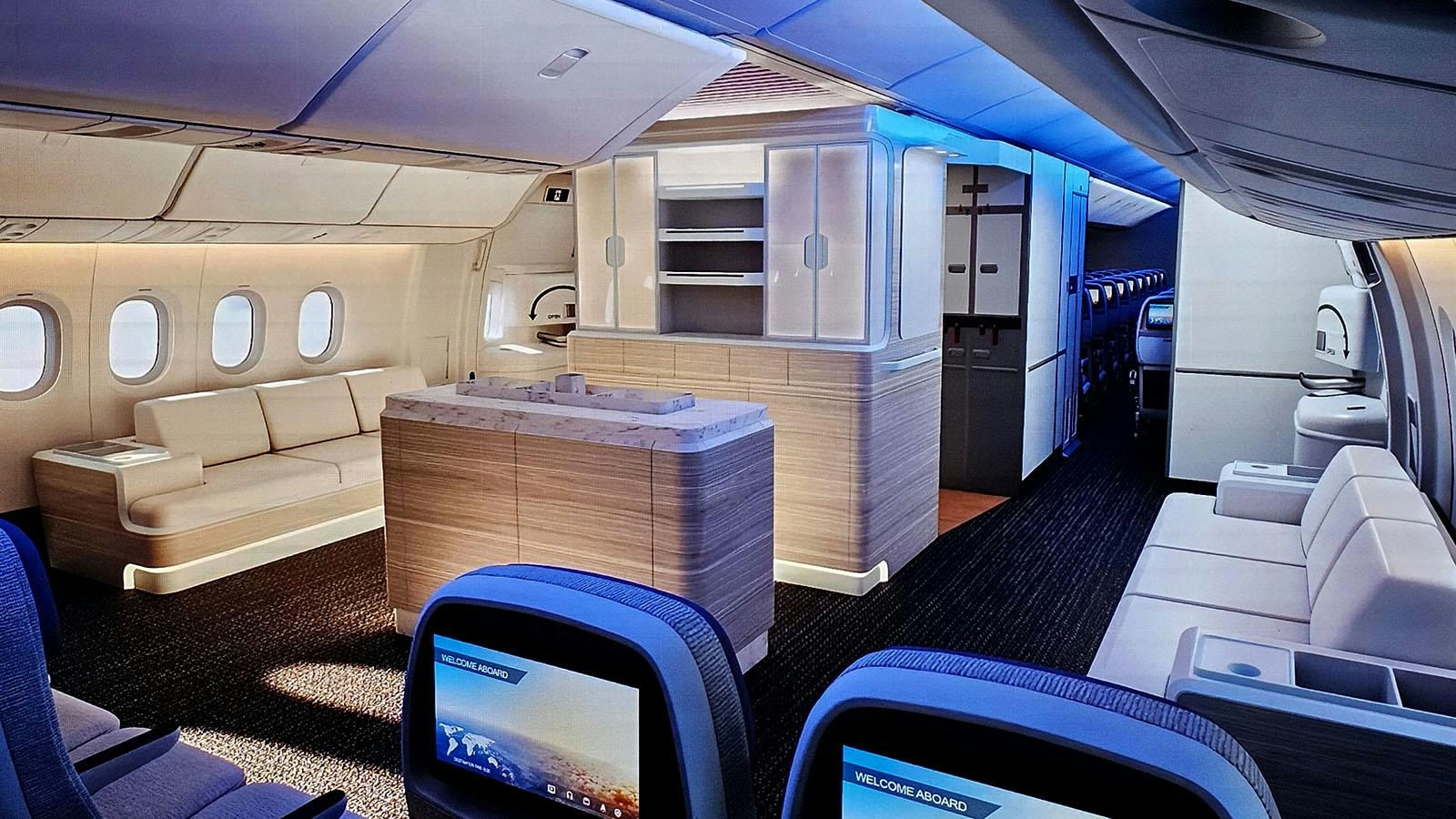
What Passengers Can Expect on Boeing’s New 777X Jet

How Ethiopian Airlines Became Africa’s Leading Carrier Amid Gulf Competition

Joby Aviation Extends Autonomous Flight Capabilities with Cross-Country Tour
