
Zet AI‑inzichten om in gerichte actie

Trending
Categories
Delta CEO Explains Decision to Dismantle New Aircraft
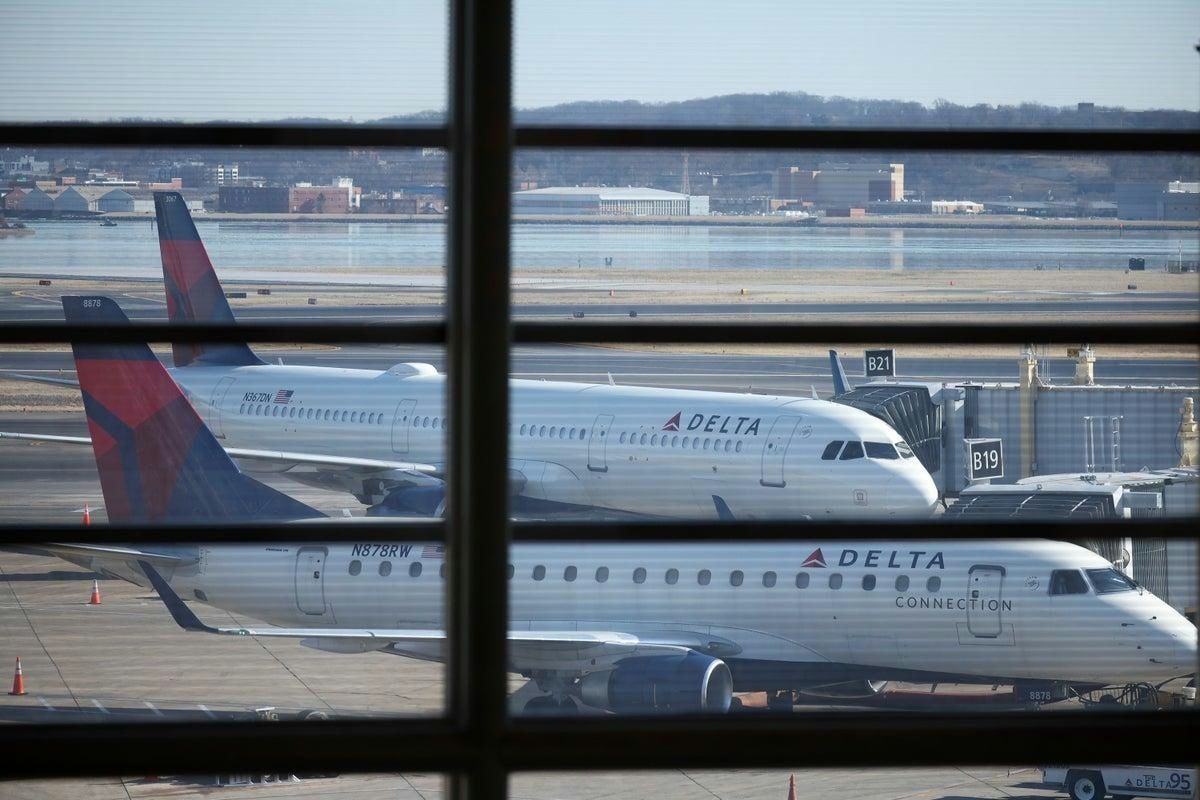
Delta CEO Details Rationale Behind Dismantling New Aircraft
Delta Air Lines has announced a surprising strategic decision to dismantle several newly acquired aircraft, a move driven by persistent supply chain disruptions that continue to affect the global aerospace industry. CEO Ed Bastian outlined the rationale behind this unconventional approach, emphasizing the operational challenges posed by ongoing delays in parts and maintenance.
Navigating Supply Chain Challenges and Operational Realities
Bastian explained that the airline is confronting unprecedented difficulties in sourcing components necessary to keep new planes operational. Rather than allowing these aircraft to remain grounded and unused, Delta has opted to dismantle them to harvest parts that will support its existing fleet. This strategy aims to enhance operational reliability amid a landscape marked by production delays and escalating costs that have burdened airlines since the onset of the pandemic.
The decision reflects broader industry pressures, as aerospace leaders warn that supply chain bottlenecks may persist well into the coming year. Airlines are thus compelled to make difficult choices regarding fleet management, balancing the need to maintain service levels with the realities of constrained resources. Delta’s move also responds to evolving market dynamics, including fluctuating passenger demand and intensifying competition.
Market and Competitive Implications
Reactions to Delta’s announcement have been varied. Some passengers have expressed concern that the reduction in available aircraft could lead to fewer main cabin seats, potentially driving up fares or limiting flight options. Conversely, others view the decision as a pragmatic adaptation to current industry conditions. There is speculation that some travelers might turn to low-cost carriers such as Spirit Airlines, which has positioned itself as an alternative in the competitive landscape.
Competitors are closely monitoring Delta’s strategy, particularly in key international markets. Both Delta and United Airlines have experienced operational disruptions on routes to Israel, prompting analysts to suggest that rival carriers may seek to exploit any vulnerabilities by expanding capacity or targeting premium customer segments.
Despite these operational challenges, Delta’s financial performance remains robust. The airline recently reported quarterly revenues that exceeded Wall Street expectations, underscoring its resilience amid sector-wide headwinds. Bastian reaffirmed the company’s commitment to long-term stability and customer service, stating, “Our priority is to deliver a reliable product for our customers, even if it means making difficult choices in the short term.”
Delta’s decision to dismantle new aircraft highlights the complex strategic balancing act facing major airlines as they navigate supply chain constraints and shifting market conditions. It underscores the operational challenges and strategic flexibility required to maintain competitiveness in an evolving aviation environment.

Etihad Airways Suspends Airbus A380 Flights on Key Route

Aditya Birla Group Seeks Approval for Aircraft Leasing in GIFT City

Qatar Airways Highlights Innovation and Connectivity at Arabian Travel Market 2026

Hong Kong's Five-Year Plan Includes Andrew Fan's Aircraft Parts Processing Hub Proposal

ACIA Aero Leasing Delivers ATR72-600 to Air Nostrum

RTX Appoints Jill Albertelli as Head of Pratt & Whitney

TAT Technologies Joins Beyond Aero Hydrogen Aircraft Program

AURAK Study Highlights Barriers to Air Taxi Adoption in Emerging Economies

Xiamen Air Selects Altitude for 787 Maintenance at Heathrow

Etihad and Swissport Extend Global Partnership
