
Zet AI‑inzichten om in gerichte actie

Trending
Categories
FAA Mandates Modifications to PW1100G Engines After Fires
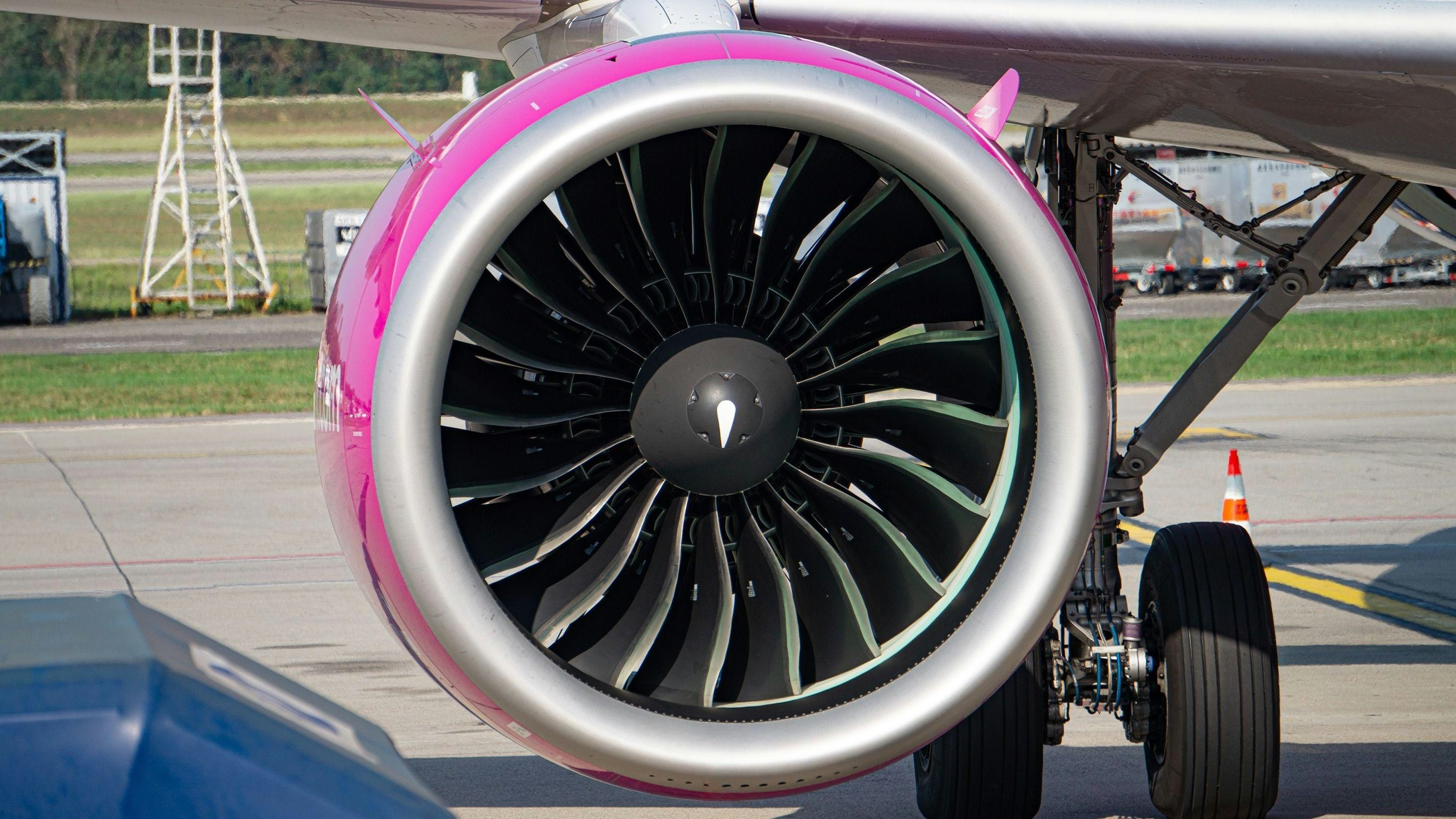
FAA Mandates Modifications to PW1100G Engines Following Engine Fires
The Federal Aviation Administration (FAA) has issued a directive requiring urgent modifications to hundreds of Pratt & Whitney PW1100G engines after a series of engine fire incidents. Published on January 12, the airworthiness directive (AD) compels airlines to remove specific fuel hose clamps and replace thermal management system mounts on affected engines. Operators must complete the initial maintenance within 30 days of the directive’s effective date, February 17.
Background and Scope of the Directive
The PW1100G engine powers the Airbus A320neo family alongside the CFM International Leap-1A. The FAA’s action was triggered by multiple reports of fan-blade fractures, three of which resulted in engine fires beneath the engine cowl. The agency emphasized that the directive aims to prevent fuel leaks caused by these fractures. The order affects 586 PW1100G engines installed on U.S.-registered aircraft.
This directive adds to the challenges airlines face amid a broader global recall of PW1000G engines. That recall stems from a metallic-component manufacturing defect that can lead to engine failures, forcing airlines worldwide to ground hundreds of aircraft equipped with Pratt & Whitney geared turbofans. The resulting operational disruptions have significantly impacted airline schedules and fleet availability.
Details of the Required Maintenance
The FAA’s directive formalizes maintenance procedures that Pratt & Whitney had previously recommended through service bulletins, which most operators have nearly completed. According to the manufacturer, the AD aligns with these earlier recommendations and reflects ongoing efforts to address the issue fleet-wide.
Under the new mandate, airlines must remove a “loop cushion clamp” associated with a fuel tube assembly within 30 days of February 17. At the next engine shop visit, operators are required to replace the thermal management system clevis mounts with redesigned components and reinstall the clamp. Pratt & Whitney’s bulletins explain that fan-blade failures—such as those caused by bird strikes—can fracture these mounts, potentially cracking a fuel tube and causing leaks. Removing the clamp temporarily increases the fuel tube’s flexibility, helping to prevent cracks until the mounts are replaced.
The FAA estimates that the maintenance will require approximately 125 work-hours per engine. Airlines will face increased maintenance costs and potential schedule disruptions as they comply with the directive, compounding the strain from ongoing engine recalls. The situation has intensified scrutiny of engine reliability in the market and may delay aircraft deliveries.
Industry Implications
The directive’s impact extends beyond immediate maintenance challenges. Competitors, particularly CFM International, may leverage the situation to highlight the reliability and safety of their Leap-1A engines. As airlines manage these operational and financial pressures, the mandated modifications are expected to have broader repercussions across the aviation industry.

Etihad Airways Suspends Airbus A380 Flights on Key Route

Aditya Birla Group Seeks Approval for Aircraft Leasing in GIFT City

Qatar Airways Highlights Innovation and Connectivity at Arabian Travel Market 2026

Hong Kong's Five-Year Plan Includes Andrew Fan's Aircraft Parts Processing Hub Proposal

ACIA Aero Leasing Delivers ATR72-600 to Air Nostrum

RTX Appoints Jill Albertelli as Head of Pratt & Whitney

TAT Technologies Joins Beyond Aero Hydrogen Aircraft Program

AURAK Study Highlights Barriers to Air Taxi Adoption in Emerging Economies

Xiamen Air Selects Altitude for 787 Maintenance at Heathrow

Etihad and Swissport Extend Global Partnership
