
Zet AI‑inzichten om in gerichte actie

Trending
Categories
Global Aviation Revenue Expected to Surpass $1 Trillion by 2026
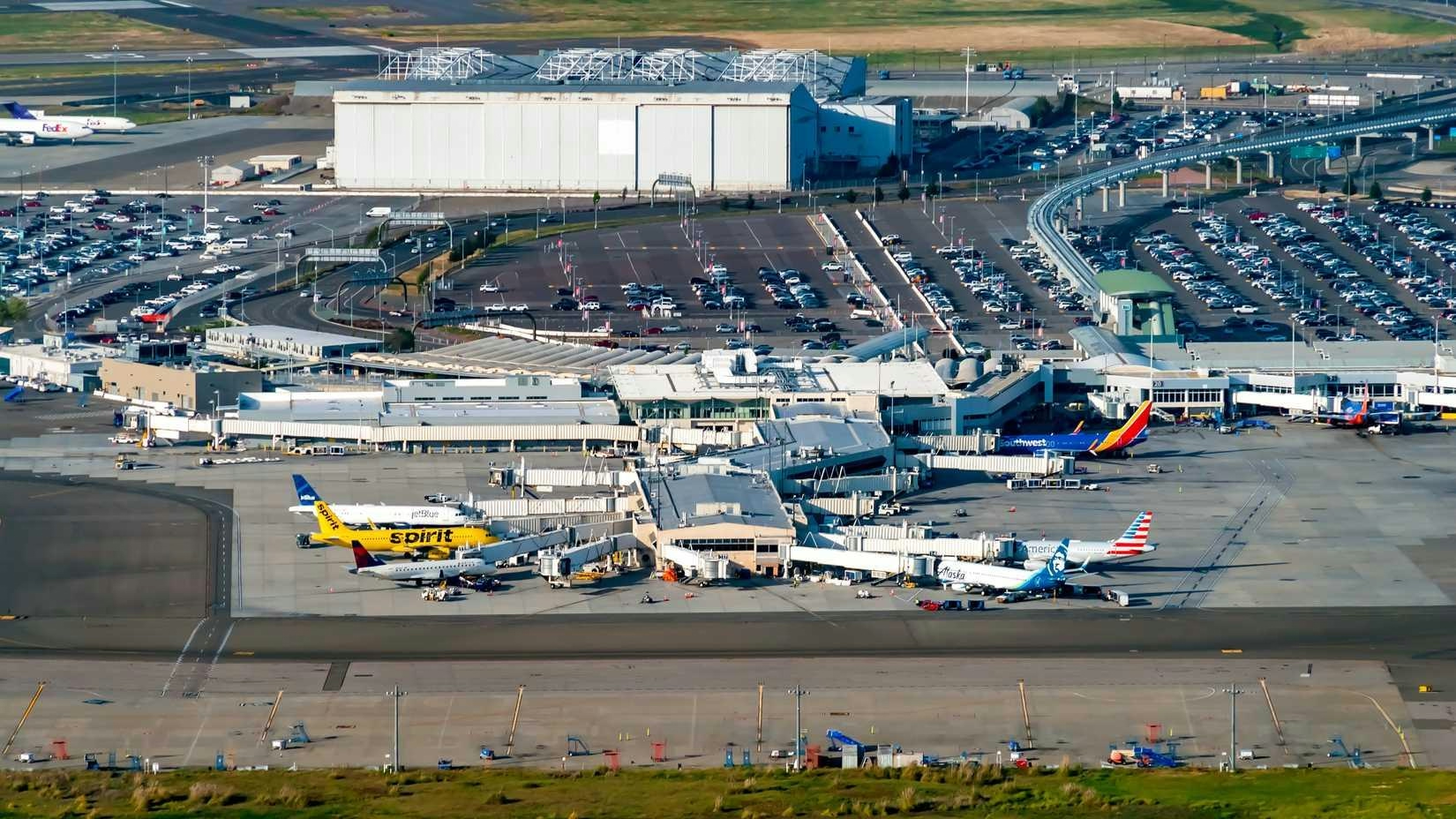
Global Aviation Revenue Set to Surpass $1 Trillion by 2026
The global aviation industry is on track to exceed USD 1 trillion in revenues for the first time by 2026, according to the latest findings from aviation analytics firm IBA. Their report, IBA Market Outlook 2026, highlights a robust surge in demand that is simultaneously constrained by significant structural challenges in aircraft production and delivery. The study forecasts that global origin-destination passenger traffic will double from current figures, reaching 8.4 billion by 2045.
Regional Growth and Fleet Expansion
The Asia-Pacific (APAC) region is expected to be the primary driver of this expansion, with a projected compound annual growth rate (CAGR) of 4.2% in fleet size over the next two decades. In contrast, fleet growth in Europe and North America is anticipated to remain modest, ranging between 1.1% and 1.4% CAGR. Overall, the global commercial aircraft fleet is forecast to grow from approximately 30,800 units today to 51,900 by 2045.
Despite this growth, the industry faces a significant shortfall in aircraft deliveries. IBA data reveals that more than 4,100 aircraft scheduled for delivery have been delayed due to ongoing supply chain disruptions and engine reliability issues. While Airbus and Boeing are expected to deliver a combined total of 1,800 aircraft in 2026, the industry will not return to the delivery levels seen in 2018 until late that year. A stable annual delivery rate of 2,200 units is not anticipated until 2029.
Impact on Aircraft Age, Leasing, and Market Dynamics
The average age of aircraft is increasing, which is driving heightened demand for maintenance, repair, and overhaul (MRO) services, as well as elevated lease rates. Stuart Hatcher, the report’s author, notes that lease rates for older aircraft have softened but remain well above historical norms, indicating a balanced market rather than one in decline. Airlines are focusing on maximizing the use of existing assets rather than pursuing aggressive fleet expansion, with lease starts and ends at historic lows and shorter lease tenors becoming the norm.
The scarcity of new aircraft has also slowed the depreciation of existing assets, keeping values and lease rates for current-generation aircraft elevated. This trend has led some owners to pursue “opportunistic part-out” strategies, dismantling relatively new aircraft to capitalize on the high value of components. For example, AJW has reportedly been dismantling A321neos because the value of their GTF engines exceeds the returns from leasing the entire aircraft.
Lease rates for current-generation models, including the A320ceo and 737 NG families, are expected to remain above historical averages through 2026 as airlines extend the operational life of older fleets to meet capacity demands. The market is also poised for increased transaction volumes, driven in part by new deliveries and sale-leaseback agreements. A key growth driver will be sales that include attached leases.
Additionally, the issuance of Asset-Backed Securities (ABS) is expected to rise, reflecting a growing trend among airlines and lessors to leverage tangible assets such as aircraft, engines, and future revenue streams to generate capital.
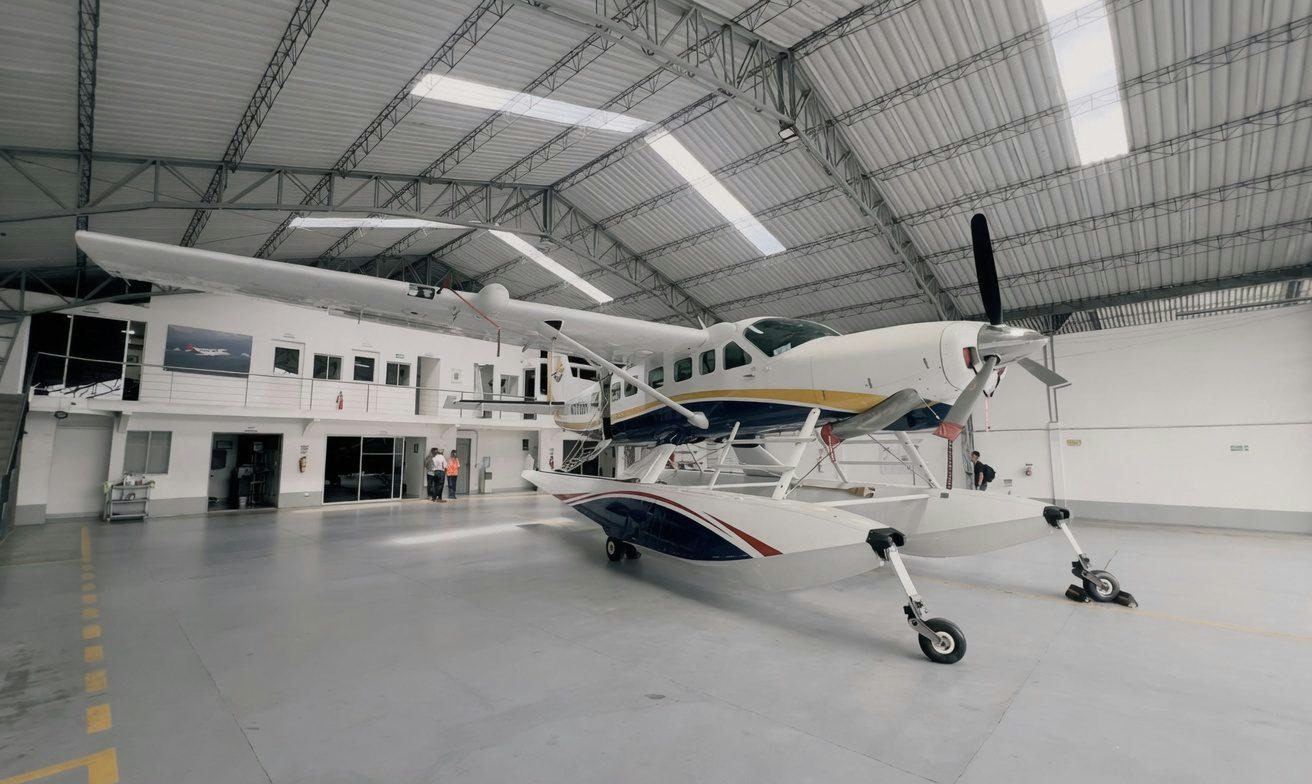
ALMA Air Granted Provisional Permit for Colombia’s First Amphibious Airline Operations
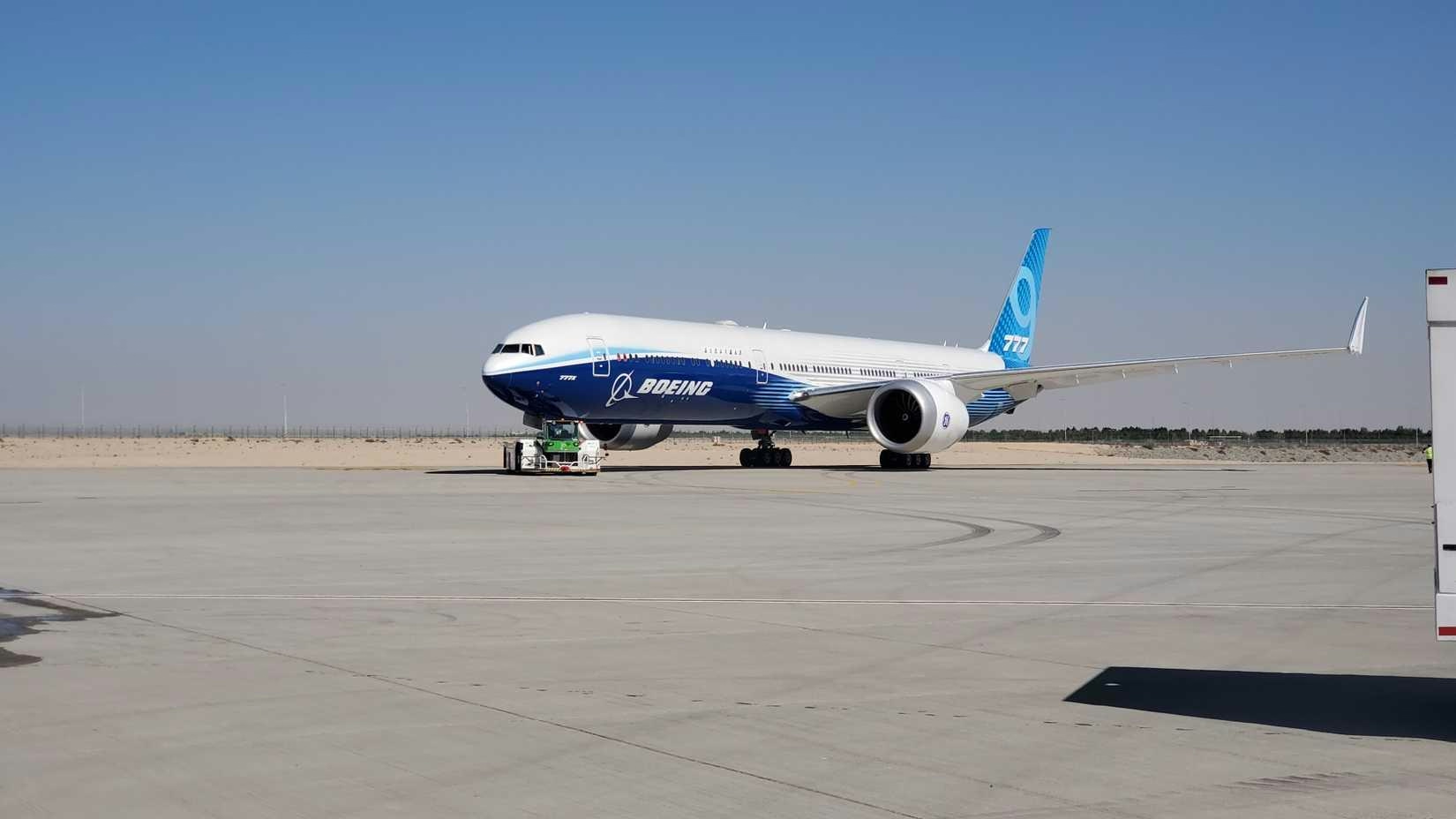
United Airlines Declines to Purchase Former Emirates 777X Aircraft

Cincinnati Airport Announces New Transatlantic Partnership for Innovation

IndiGo to End Norse Atlantic Lease by October 31, Shift Amsterdam Route to A321XLR

Commercial Court Rules on Aircraft Leasing Indemnities in FW Aviation v. VietJet Trial
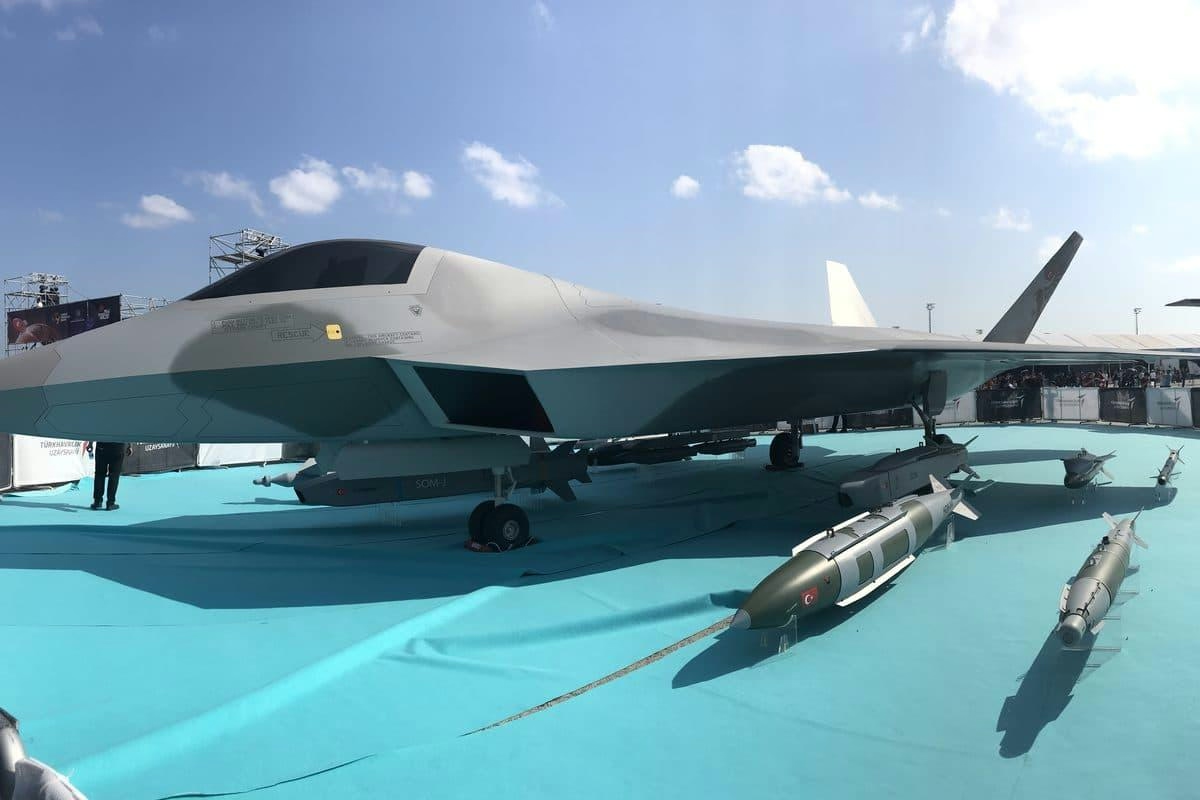
Indonesia’s $10 Billion KAAN P1 Taxi Export Contract Requires US-Free Engines
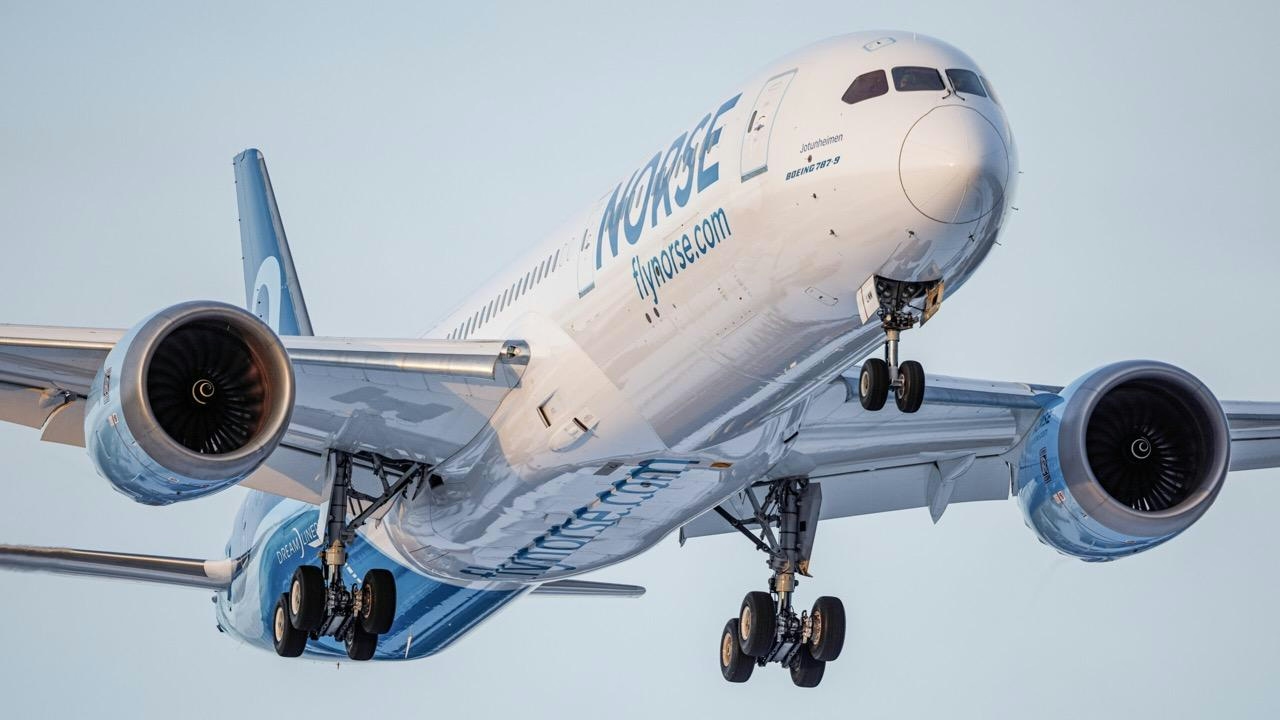
Norse Atlantic and IndiGo End 787 Lease Agreement Amid Long-Haul Route Issues

Sling Unveils Details of Planned MOSAIC Light Twin Aircraft

Porter and Smart AMS Launch Heavy Maintenance Facility in Ottawa

Axinom Celebrates 25 Years in Digital Technology
