
Zet AI‑inzichten om in gerichte actie

Trending
Categories
United Airlines to Reduce Widebody Domestic Flights by 26% in 2026
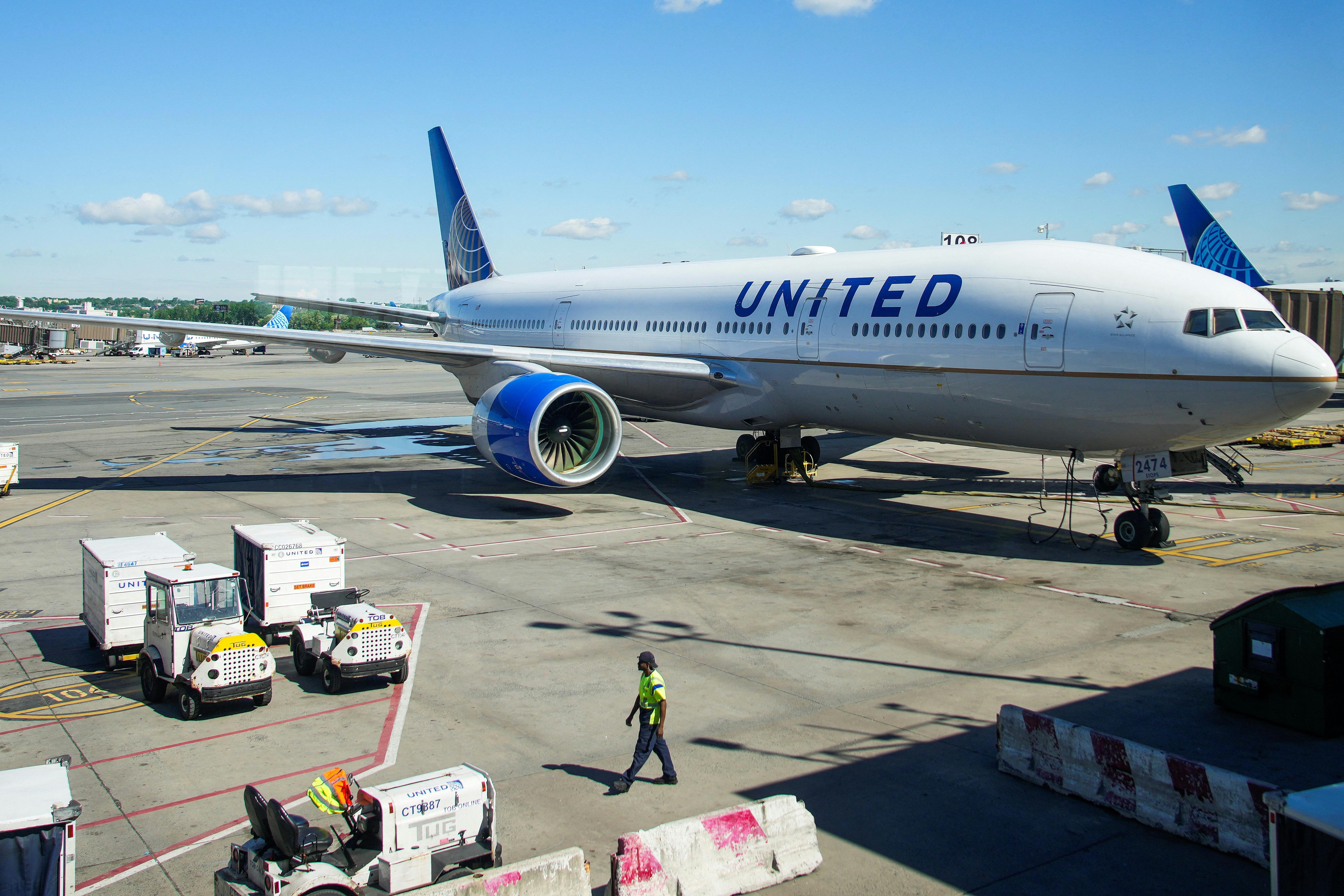
United Airlines to Reduce Widebody Domestic Flights by 26% in 2026
Strategic Response to Rising Fuel Costs and Market Changes
United Airlines has announced a 26% reduction in its domestic widebody aircraft operations for 2026, signaling a major adjustment in its fleet deployment strategy. This decision comes amid a surge in jet fuel prices, exacerbated by geopolitical tensions in Iran, which CEO Scott Kirby warns could cost the airline up to $11 billion. Fuel prices have more than doubled in recent weeks, with projections suggesting oil could reach $175 per barrel and remain above $100 through the end of 2027. In response, United is realigning its fleet to better navigate these economic pressures and shifting market demands.
Fleet Realignment and Route Adjustments
The planned cutback primarily affects United’s Boeing 767, 777, and 787 aircraft, traditionally used on high-capacity domestic routes connecting major hubs, premium transcontinental corridors, and Hawaii services. Rising fuel expenses, evolving labor agreements, and changing passenger demand have made narrowbody aircraft increasingly viable for many domestic flights. Modern narrowbodies such as the Boeing 737 MAX and Airbus A321XLR now offer extended range capabilities and enhanced premium cabins, enabling United to maintain service standards while improving operational efficiency.
Consequently, the airline is reallocating widebody jets to international long-haul routes, where their larger capacity and extended range provide better unit economics. This shift reflects a broader strategic emphasis on optimizing fleet utilization in a challenging cost environment.
Impact on Key Domestic Markets
The reduction in widebody flights will affect several important domestic markets. Major hub-to-hub routes, including Chicago O’Hare to Denver and Dallas to Houston, will see fewer widebody operations as many services transition to narrowbody aircraft. Transcontinental routes from Chicago, Houston, and Denver to West Coast cities such as Los Angeles and San Francisco will experience selective reductions in widebody flights, particularly where competition from low-cost carriers is intensifying.
Hawaii routes will largely retain widebody service due to strong leisure demand, although some lower-demand flights may shift to high-capacity narrowbodies. The extent of these changes will vary regionally, with secondary city pairs more likely to see significant shifts toward narrowbody equipment, while core routes maintain some widebody frequency.
Implications for Business and Premium Travelers
The reduction in domestic widebody flights presents a nuanced impact for business and premium travelers. While access to widebody amenities on certain domestic routes may diminish, United is reinforcing its commitment to premium travel. The airline is investing in a comprehensive fleet upgrade and equipping its widebody aircraft with SpaceX Starlink high-speed internet, aiming to enhance the onboard experience on remaining domestic widebody and international flights.
Navigating Market Volatility
United’s decision to reduce planned capacity by five percentage points this year reflects a cautious approach amid volatile fuel markets and uncertain demand. By optimizing its fleet and concentrating widebody assets on international and high-yield routes, the airline seeks to sustain global connectivity and premium service offerings while mitigating the financial impact of soaring oil prices.

Etihad Airways Suspends Airbus A380 Flights on Key Route

Aditya Birla Group Seeks Approval for Aircraft Leasing in GIFT City

Qatar Airways Highlights Innovation and Connectivity at Arabian Travel Market 2026

Hong Kong's Five-Year Plan Includes Andrew Fan's Aircraft Parts Processing Hub Proposal

ACIA Aero Leasing Delivers ATR72-600 to Air Nostrum

RTX Appoints Jill Albertelli as Head of Pratt & Whitney

TAT Technologies Joins Beyond Aero Hydrogen Aircraft Program

AURAK Study Highlights Barriers to Air Taxi Adoption in Emerging Economies

Xiamen Air Selects Altitude for 787 Maintenance at Heathrow

Etihad and Swissport Extend Global Partnership
