
Zet AI‑inzichten om in gerichte actie

Trending
Categories
Why the Rolls-Royce Trent XWB and GEnx Engines Can Use 100% SAF but Lack Certification
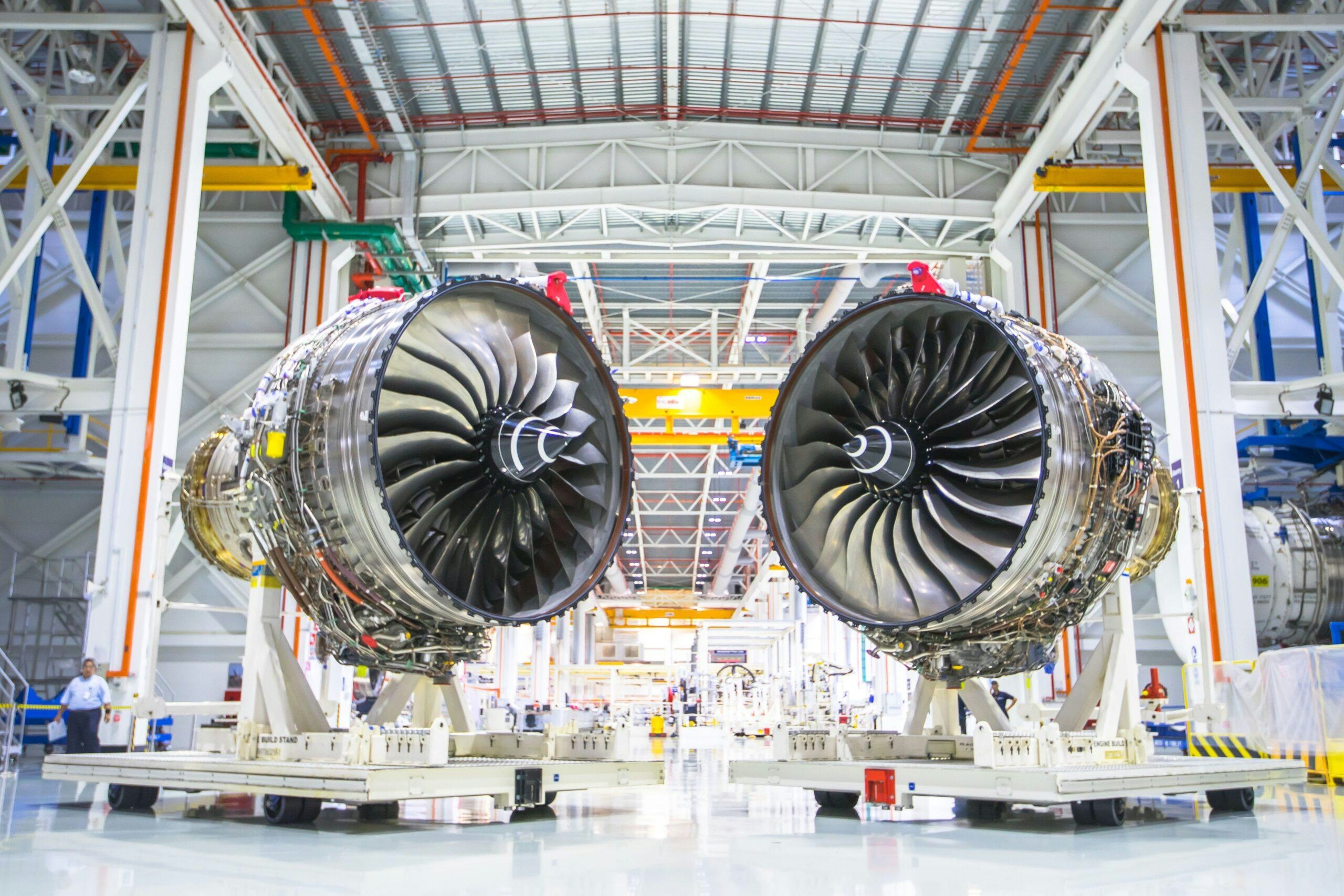
Why the Rolls-Royce Trent XWB and GEnx Engines Can Use 100% SAF but Lack Certification
Technological Advancements Demonstrate Readiness
Modern widebody jet engines, including Rolls-Royce’s Trent XWB and GE Aerospace’s GEnx, represent the forefront of thermodynamic engineering. These engines have proven capable of delivering substantial thrust while operating on 100% sustainable aviation fuel (SAF) during controlled testing. In 2021, Rolls-Royce conducted a landmark three-hour flight test of its Trent XWB-84 engine aboard an Airbus A350, running entirely on synthetic fuel. This trial, carried out in collaboration with European research partners, focused on real-time emissions and engine performance, confirming stable operation without reliance on conventional fossil fuels.
Following this, GE Aerospace undertook extensive validation campaigns across ten engine models, including the GEnx-1B on a Boeing 787, to evaluate the interaction of alternative fuels with engine components under demanding conditions. These demonstrations unequivocally established that both manufacturers’ engines could operate on 100% SAF without issues such as flameouts, thrust asymmetry, or overheating. The core thermodynamic cycles remained consistent, and advanced components like compressors and titanium fan blades processed synthetic fuels effectively. In some instances, engine performance on SAF matched or even surpassed that achieved with traditional jet fuel.
Certification Challenges and Market Implications
Despite these technical achievements, regulatory certification remains a significant obstacle. Aviation authorities require extensive, long-term data to verify that unblended SAF is safe and reliable for routine commercial use. This certification process is both time-intensive and costly, demanding rigorous testing beyond controlled demonstrations. Consequently, current regulations restrict SAF use to blends containing no more than 50% synthetic fuel.
The evolving certification landscape introduces uncertainty for airlines, even as interest in SAF grows as part of broader sustainability strategies. Market dynamics are shifting accordingly; for example, Thai Airways recently received the first new GEnx-powered Boeing 787, signaling a move toward engines certified for SAF use. This development may influence Rolls-Royce’s competitive position, particularly as the company focuses on durability upgrades for the Trent 1000 XE to regain market share. Nonetheless, full certification for 100% SAF operation remains pending for both Rolls-Royce and GE Aerospace engines.
Navigating the Path Forward
The capability of engines such as the Trent XWB and GEnx to run on 100% SAF is no longer in doubt. The primary challenge now lies in aligning regulatory frameworks and market expectations with these technological advances. Until certification processes catch up with engineering progress, the aviation industry’s transition to fully sustainable fuels will continue to face hurdles, despite the readiness of the engines themselves to embrace a more sustainable future.

Etihad and Swissport Extend Global Partnership

Sepehran Airlines B737 Returns to Mashhad After Tyre and Engine Issues

Etihad Deploys Widebody Fleet to Meet Strong Demand

Korean Air Finalizes $36.2 Billion Deal with Boeing
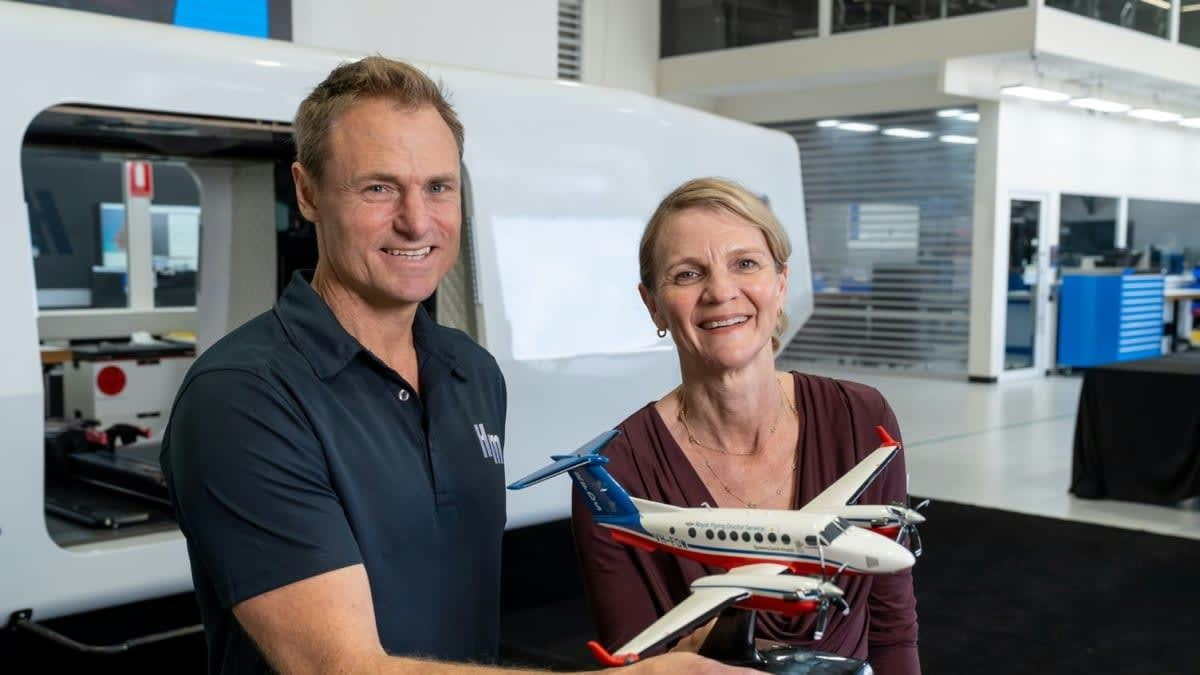
Australia’s RFDS Queensland Section Orders Six King Air 260Cs
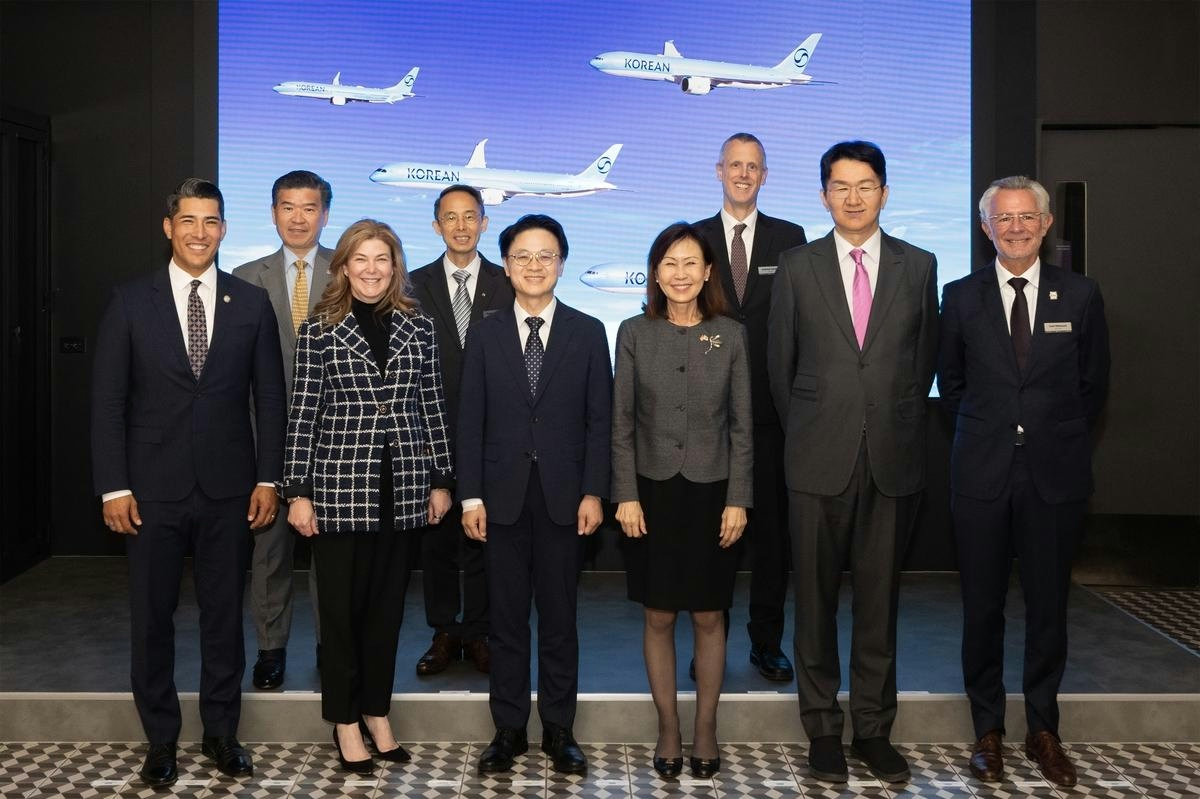
Korean Air Finalizes Order for 103 Boeing Jets and Engines
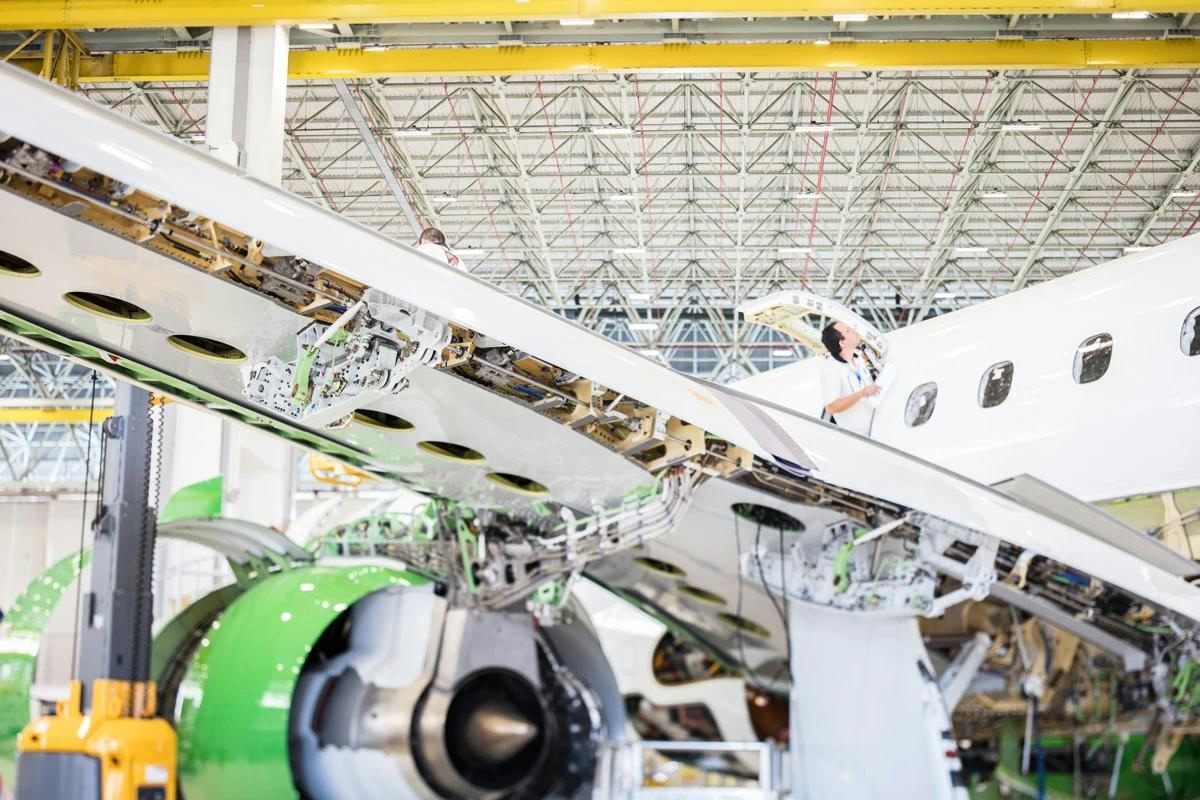
Embraer E195-E2 Features Distinctive Engine Placement Among Regional Jets

What Passengers Can Expect on Boeing’s New 777X Jet
How Ethiopian Airlines Became Africa’s Leading Carrier Amid Gulf Competition

Joby Aviation Extends Autonomous Flight Capabilities with Cross-Country Tour
