
Orquestre insights de IA em ações

Tendências
Categories
Airbus Reduces Parked Aircraft as It Works to Meet Production Goals
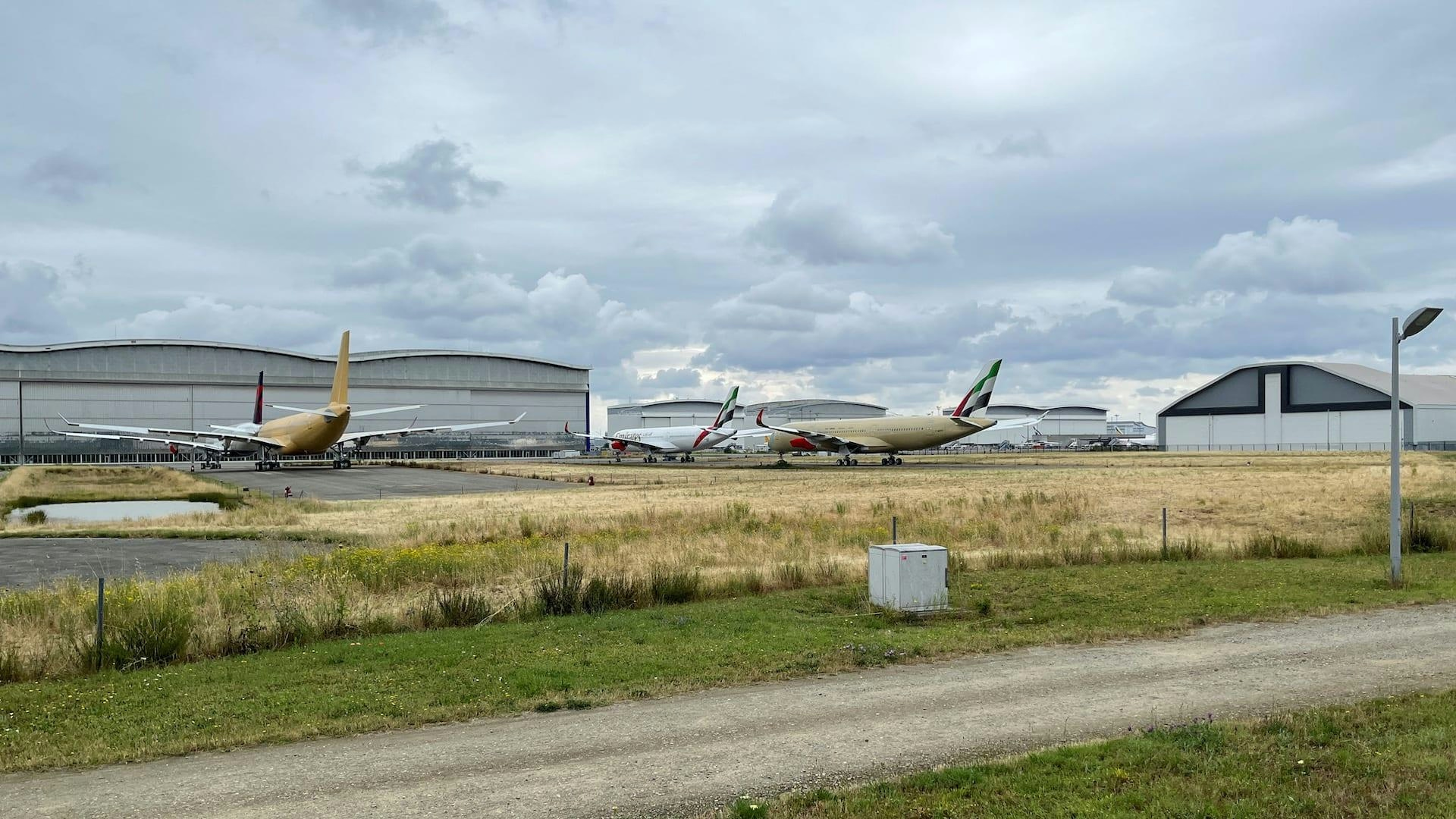
Airbus Reduces Parked Aircraft as It Works to Meet Production Goals
Progress Amid Supply Chain Challenges
Airbus has made significant strides in reducing the number of undelivered, engineless aircraft—commonly referred to as “gliders”—as it confronts ongoing supply chain disruptions. Over the past three months, the number of parked aircraft awaiting engines has declined from approximately 60 in June to 32 by the end of September, according to Airbus Chief Executive Guillaume Faury. This reduction reflects the company’s efforts to address persistent delays from engine suppliers CFM International and Pratt & Whitney, which continue to affect delivery schedules.
During the company’s third-quarter briefing on October 29, Faury noted “signs of recovery” in the engine supply chain but acknowledged that challenges remain. By the close of the third quarter, Airbus had delivered 392 A320neo-family jets, although a substantial number of aircraft remain grounded due to engine shortages. The global airline industry is grappling with mounting supply chain pressures, with the International Air Transport Association (IATA) warning that these disruptions could cost airlines more than $11 billion in 2025.
Production Targets and Industry Milestones
Despite these headwinds, Airbus is maintaining its ambitious target of delivering 820 commercial aircraft by the end of the year. Faury emphasized the company’s close collaboration with engine manufacturers to secure timely deliveries, stating, “We still need to receive engines in the weeks to come to be fully sure that we’ll have what we need.” Suppliers have reaffirmed their commitment to meeting Airbus’s requirements, underscoring the critical importance of engine availability in achieving production goals.
Airbus’s efforts to streamline production and reduce delivery backlogs coincide with a significant industry milestone: the A320 has now surpassed Boeing’s 737 as the most-delivered aircraft in history. This achievement highlights Airbus’s competitive strength even as it navigates ongoing supply chain difficulties.
In response to shifting supply and demand conditions, Airbus has adjusted its production targets for the A220 model, reducing the planned output from 14 to 12 aircraft per month. This adjustment reflects the company’s strategy to align production with market realities while managing persistent component shortages.
Outlook and Challenges Ahead
Faury reiterated Airbus’s commitment to reducing the number of parked “gliders” to “zero, or close to zero” by the end of the year but cautioned that “much more needs to be done” to meet delivery objectives. As the year draws to a close, Airbus’s ability to secure critical engine supplies will remain a decisive factor in fulfilling its production targets and sustaining its leadership position within the aerospace industry.

Etihad Airways Suspends Airbus A380 Flights on Key Route

Aditya Birla Group Seeks Approval for Aircraft Leasing in GIFT City

Qatar Airways Highlights Innovation and Connectivity at Arabian Travel Market 2026

Hong Kong's Five-Year Plan Includes Andrew Fan's Aircraft Parts Processing Hub Proposal

ACIA Aero Leasing Delivers ATR72-600 to Air Nostrum

RTX Appoints Jill Albertelli as Head of Pratt & Whitney

TAT Technologies Joins Beyond Aero Hydrogen Aircraft Program

AURAK Study Highlights Barriers to Air Taxi Adoption in Emerging Economies

Xiamen Air Selects Altitude for 787 Maintenance at Heathrow

Etihad and Swissport Extend Global Partnership
