
Orquestre insights de IA em ações

Tendências
Categories
Aircraft Hangar Heating Systems Expected to Grow Through 2035 Amid Fleet Expansion and MRO Development
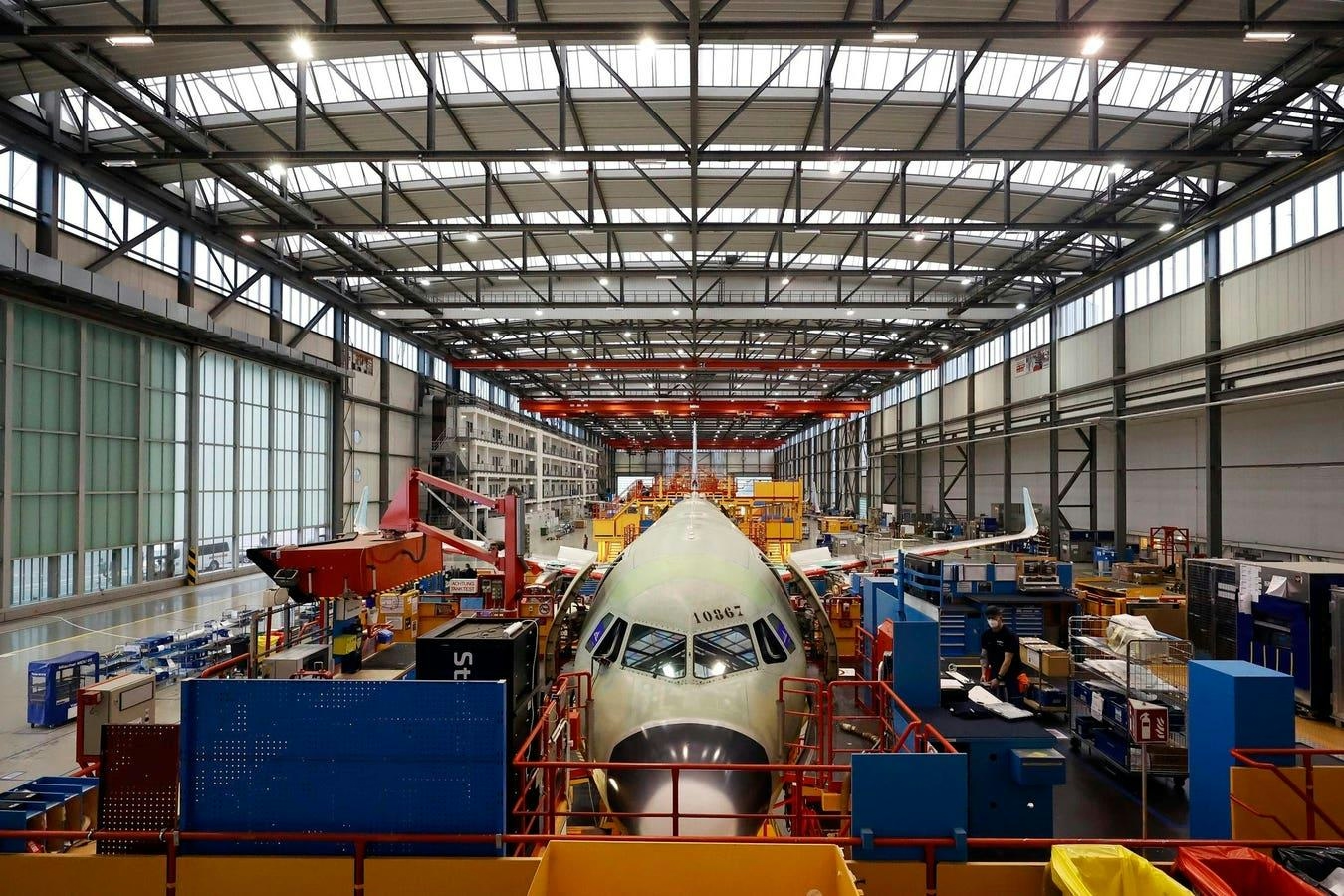
Aircraft Hangar Heating Systems Market Set for Sustained Growth Through 2035
The global market for aircraft hangar heating systems is projected to experience steady expansion through 2035, driven primarily by the growth of commercial aviation fleets, modernization of maintenance, repair, and overhaul (MRO) infrastructure, and increasingly stringent energy-efficiency regulations, especially in colder climates. According to the latest IndexBox report, demand for specialized heating solutions—including radiant tube heaters, forced-air unit heaters, infrared panels, integrated HVAC systems, and associated controls—is expected to grow at a compound annual growth rate (CAGR) of approximately 5.1% between 2026 and 2035.
By 2035, the market index is forecast to reach 156, up from a baseline of 100 in 2025, reflecting both volume growth and value gains driven by technological advancements. The commercial aircraft fleet is anticipated to expand at an average annual rate of 3% over the same period, propelled by rising passenger traffic in the Asia-Pacific and Middle East regions, alongside ongoing fleet renewal efforts in North America and Europe. This expansion is directly increasing the demand for advanced climate control solutions in hangar facilities worldwide.
Market Dynamics and Technological Trends
MRO providers across North America, Europe, and parts of Asia-Pacific are investing heavily in new wide-body hangars and retrofitting existing facilities with high-efficiency heating systems. These upgrades aim to reduce operational costs and comply with carbon-reduction targets. Radiant tube and infrared heating technologies currently dominate the market, accounting for an estimated 55 to 65 percent of global market value. Their effectiveness in large, high-ceiling spaces and ability to minimize energy waste make them preferred choices. However, electric heat pumps and hybrid systems are gaining momentum, particularly in mild-climate regions and retrofit projects. This shift is supported by declining renewable electricity costs and government incentives promoting electrification.
The aftermarket segment, which includes spare parts, burner replacements, and preventive maintenance contracts, is becoming an increasingly significant revenue source as operators focus on maximizing system efficiency and extending equipment lifespan.
Despite these positive trends, the market faces notable challenges. High initial investment costs and the complexity of advanced technologies can deter some operators. Additionally, potential supply chain disruptions threaten the availability of critical components, posing risks to project timelines and system reliability. In response, industry players are accelerating the development of more cost-effective and energy-efficient heating solutions. Strategic partnerships and acquisitions are also being pursued to strengthen market positions and better address evolving customer requirements.
Energy efficiency regulations are playing a pivotal role in shaping market developments. Updated building codes in the European Union, such as revisions to the Energy Performance of Buildings Directive (EPBD), alongside U.S. state-level standards like California’s Title 24, are compelling hangar operators to replace older gas-fired units with high-efficiency radiant tube systems or electric heat pumps. The share of electric heating systems in new installations is projected to increase from approximately 20 percent in 2026 to 30 percent by 2035, further bolstered by the declining cost of renewable electricity.
Smart controls and Internet of Things (IoT)-enabled building management systems are becoming standard features in new hangar projects. These technologies enable zone heating, occupancy-based temperature adjustments, and remote monitoring, all of which contribute to significant reductions in energy consumption and operational costs.
Overall, the aircraft hangar heating systems market is positioned for robust growth, supported by fleet expansion, regulatory pressures, and ongoing innovation, even as it contends with investment and supply chain challenges.

Etihad and Swissport Extend Global Partnership
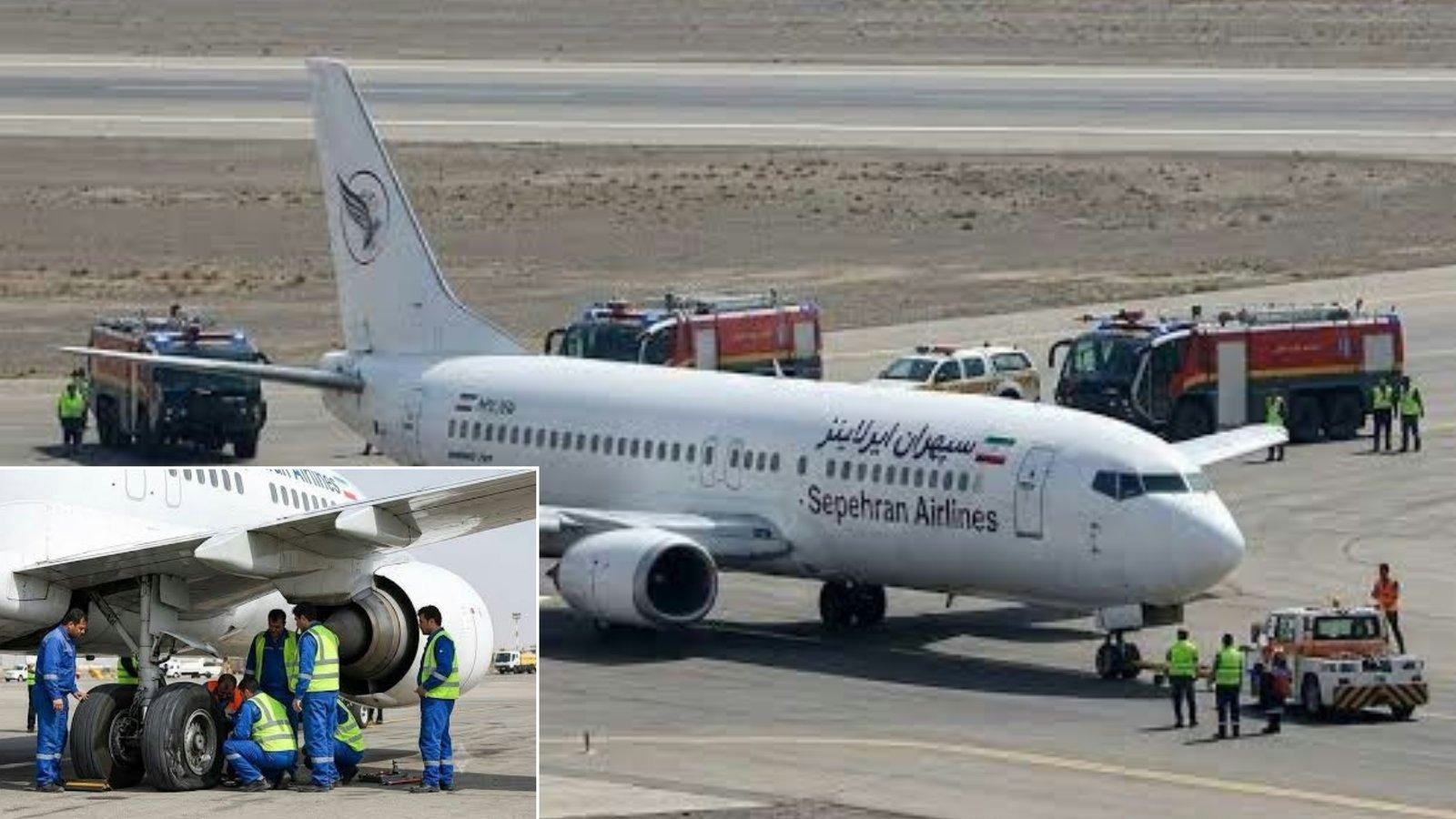
Sepehran Airlines B737 Returns to Mashhad After Tyre and Engine Issues

Etihad Deploys Widebody Fleet to Meet Strong Demand
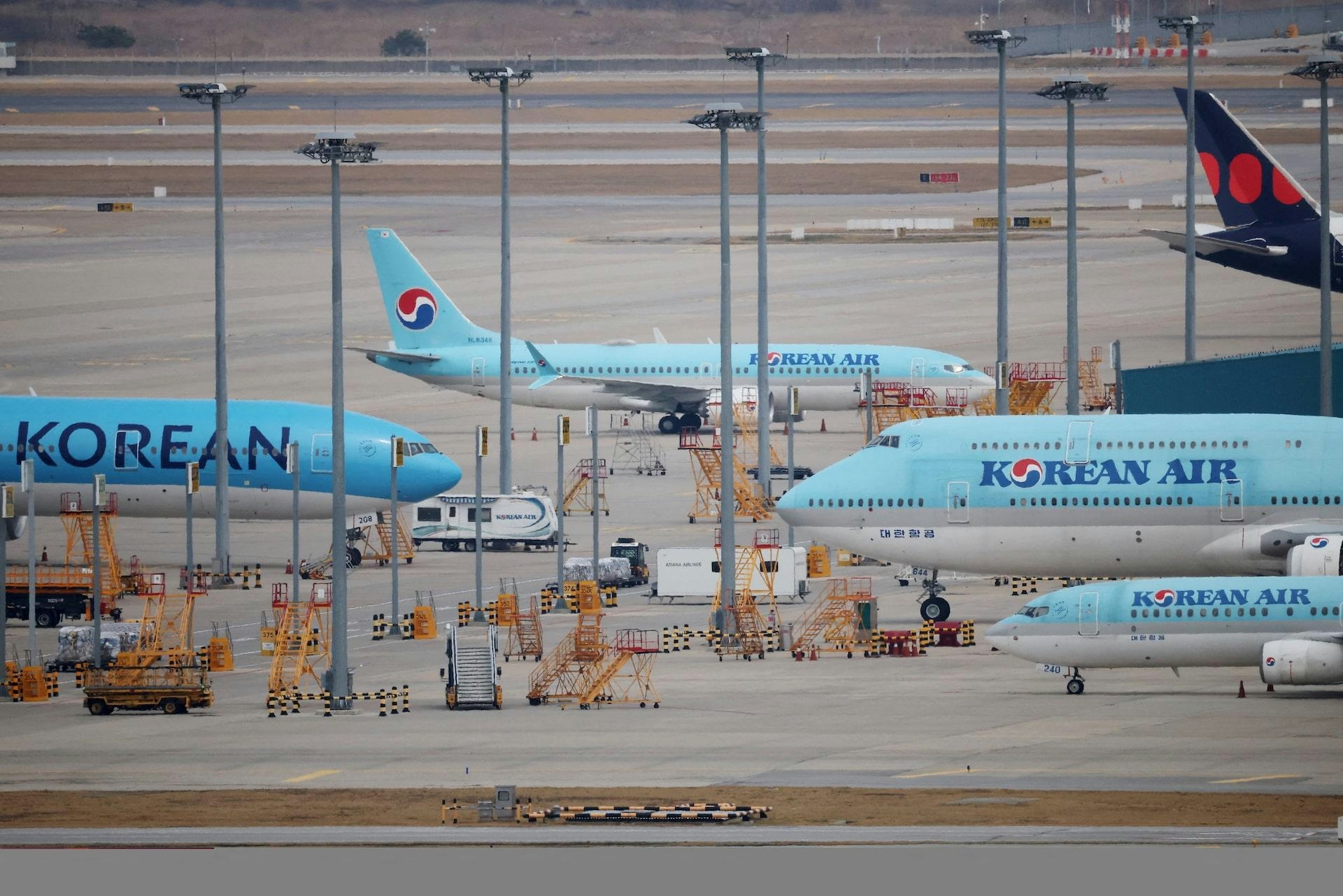
Korean Air Finalizes $36.2 Billion Deal with Boeing

Australia’s RFDS Queensland Section Orders Six King Air 260Cs

Korean Air Finalizes Order for 103 Boeing Jets and Engines
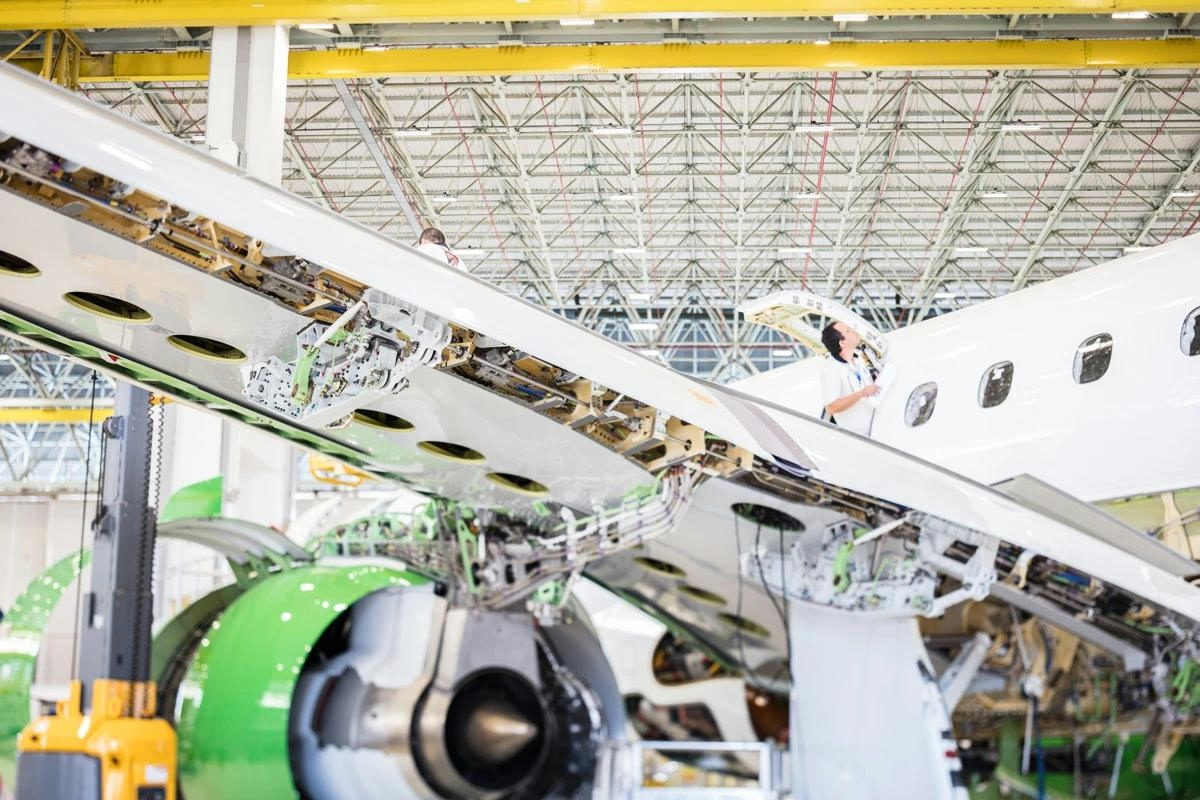
Embraer E195-E2 Features Distinctive Engine Placement Among Regional Jets
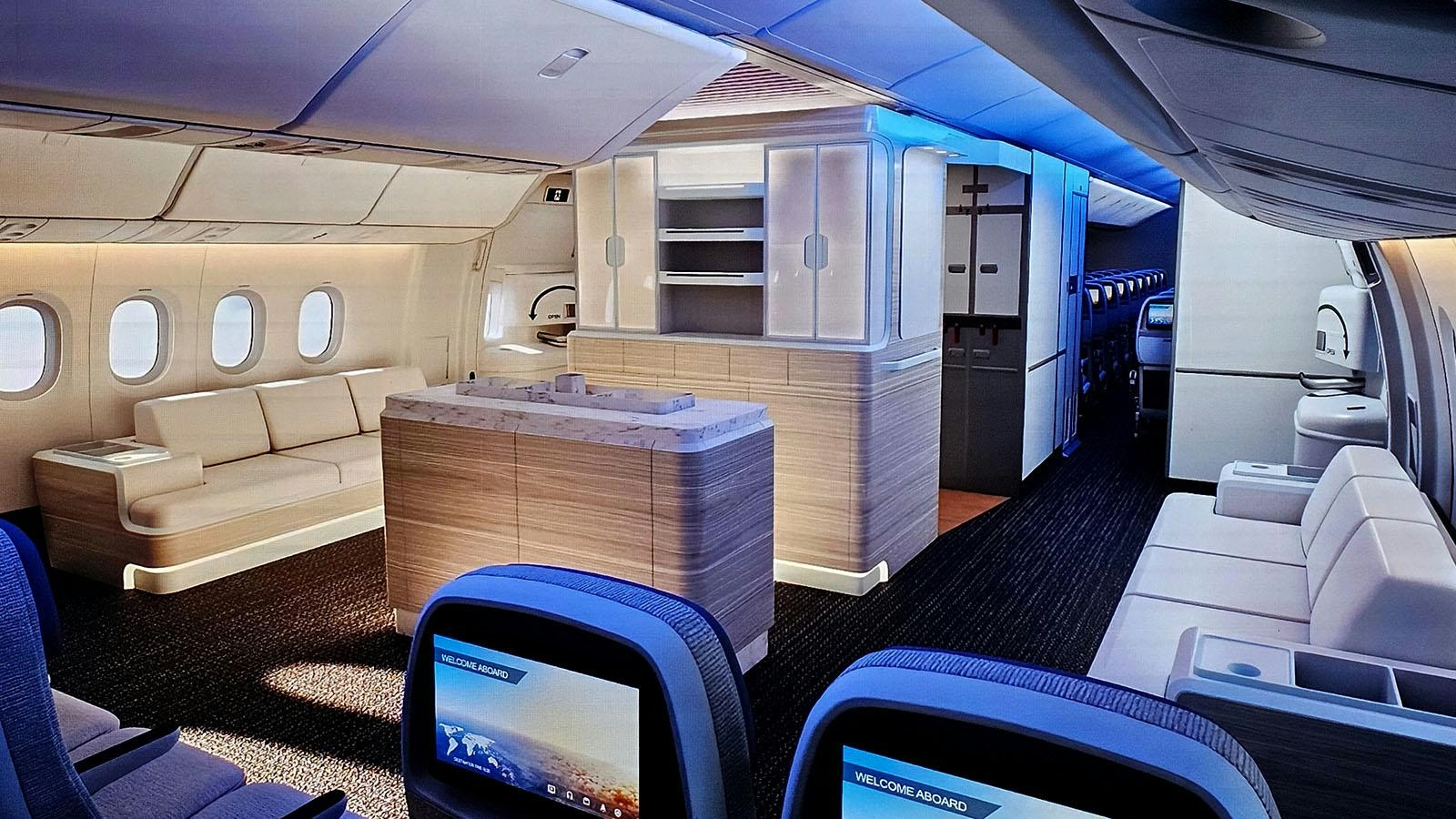
What Passengers Can Expect on Boeing’s New 777X Jet

How Ethiopian Airlines Became Africa’s Leading Carrier Amid Gulf Competition

Joby Aviation Extends Autonomous Flight Capabilities with Cross-Country Tour
