
Orquestre insights de IA em ações

Tendências
Categories
Delta and Shell Launch Five-Year Partnership to Advance Sustainable Aviation Fuel
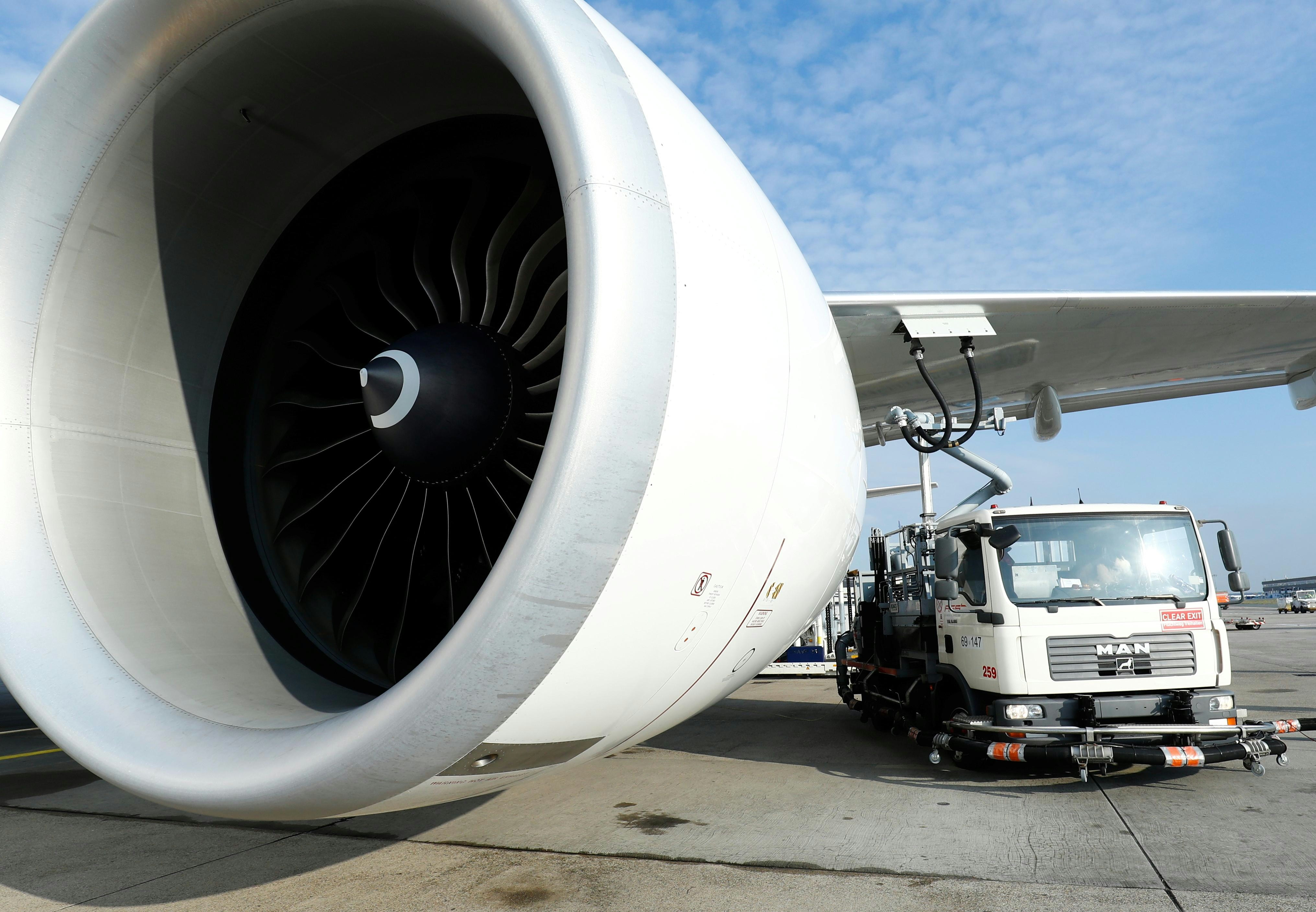
Delta and Shell Launch Five-Year Partnership to Advance Sustainable Aviation Fuel
Shell Aviation and Delta Air Lines have entered into a five-year partnership designed to accelerate the adoption of sustainable aviation fuel (SAF) across several major U.S. airports. This collaboration aims to increase both the availability and utilization of SAF at key hubs, including Los Angeles International Airport (LAX), Portland International Airport (PDX), John F. Kennedy International Airport (JFK), Logan International Airport (BOS), and Minneapolis-St. Paul International Airport (MSP).
Expanding Infrastructure and Supply for Sustainable Aviation Fuel
Central to the initiative is the development of infrastructure that can support a reliable, long-term supply of SAF, which is widely regarded as essential to the aviation industry’s decarbonization efforts. Both Shell and Delta have highlighted that this partnership builds upon their longstanding relationship and mutual commitment to reducing carbon emissions. Reema Bari, Head of Aviation Americas at Shell, emphasized that the collaboration addresses both current fuel demands and future aviation solutions.
Despite the optimism surrounding the partnership, it emerges amid broader industry concerns regarding the capacity of SAF supplies to meet escalating demand and comply with tightening regulatory mandates. Airlines have expressed reservations about whether SAF production can keep pace with future requirements, citing uncertainties related to government initiatives such as the United Kingdom’s SAF fund and the European Union’s ReFuel EU mandate. While some carriers have welcomed these regulatory efforts, doubts persist about the ability of existing supply chains to deliver sufficient volumes of sustainable fuel.
Industry Implications and Market Reactions
Market responses to partnerships like that of Delta and Shell have been mixed. On one hand, such collaborations are viewed as constructive steps toward achieving industry-wide sustainability objectives. On the other, questions remain about the scalability of SAF production and the readiness of supply chains to support widespread adoption. Competitor reactions remain largely speculative, though ongoing consolidation among European aviation companies suggests a competitive environment increasingly focused on sustainability and market concentration.
As Delta and Shell advance their partnership, its success will likely depend not only on infrastructure development and supply agreements but also on the broader industry’s ability to navigate supply constraints and regulatory challenges. The outcome of this collaboration could establish a significant precedent for how airlines and fuel providers work together to meet ambitious decarbonization targets in a rapidly evolving market.

Etihad and Swissport Extend Global Partnership

Sepehran Airlines B737 Returns to Mashhad After Tyre and Engine Issues

Etihad Deploys Widebody Fleet to Meet Strong Demand

Korean Air Finalizes $36.2 Billion Deal with Boeing
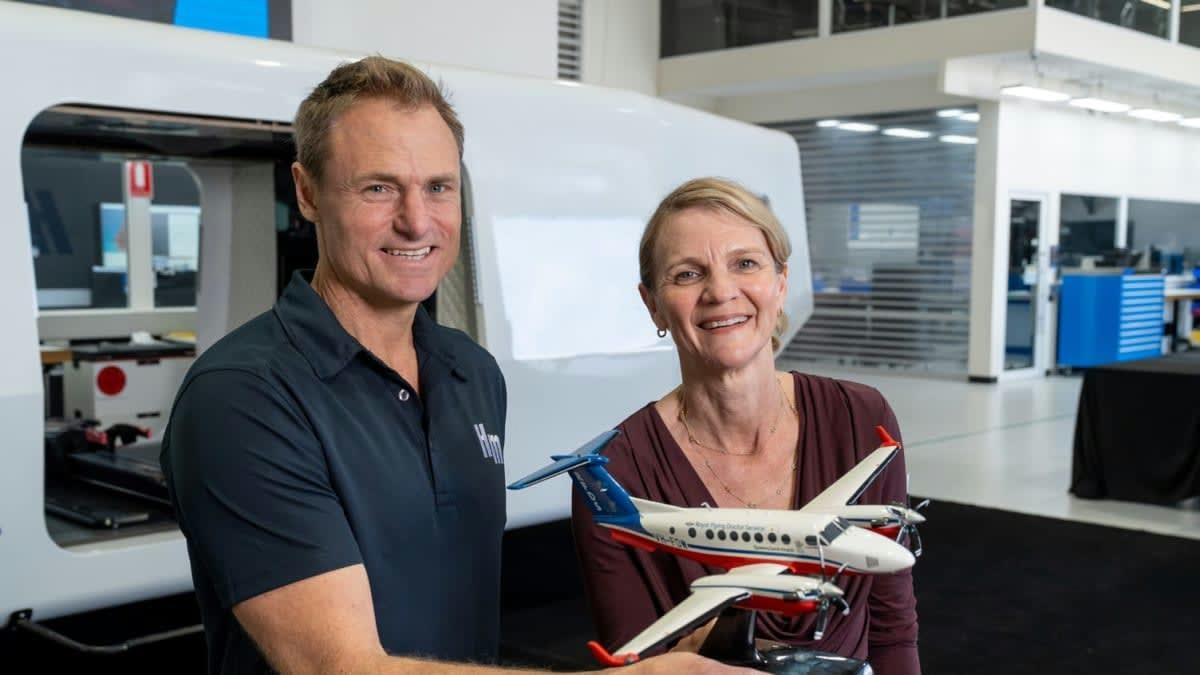
Australia’s RFDS Queensland Section Orders Six King Air 260Cs
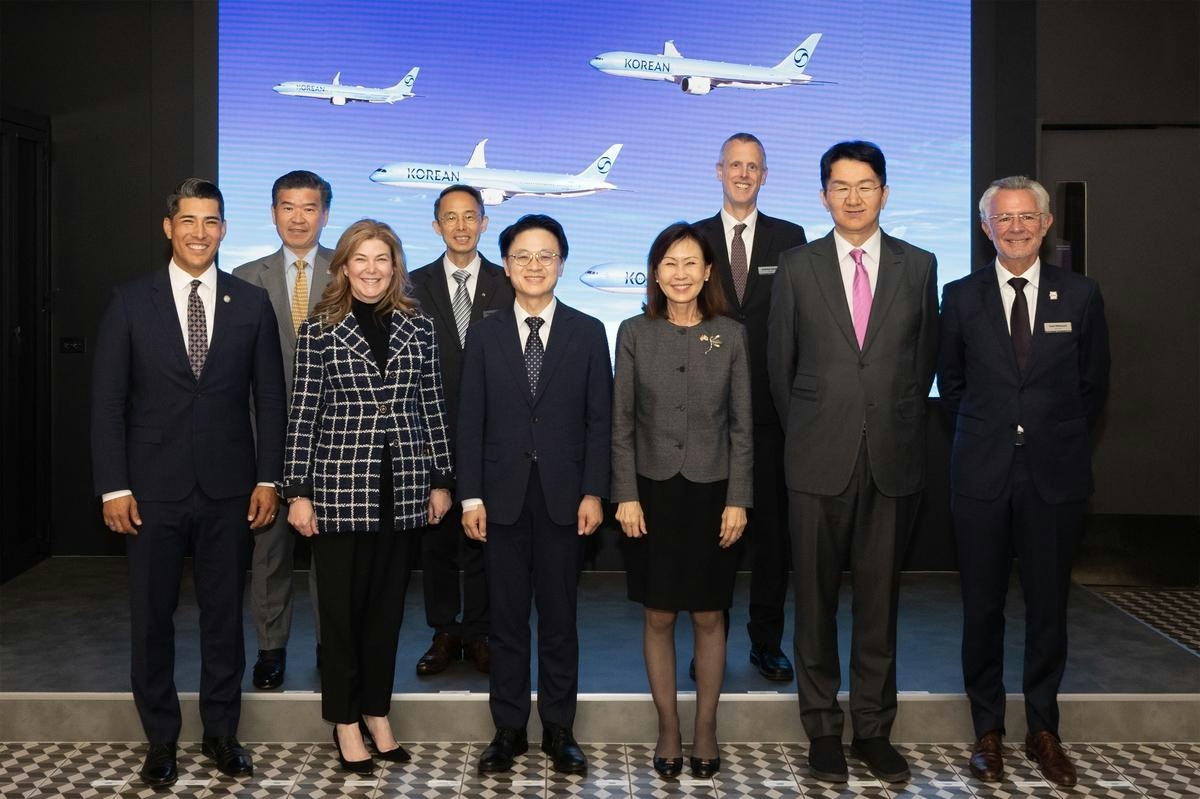
Korean Air Finalizes Order for 103 Boeing Jets and Engines
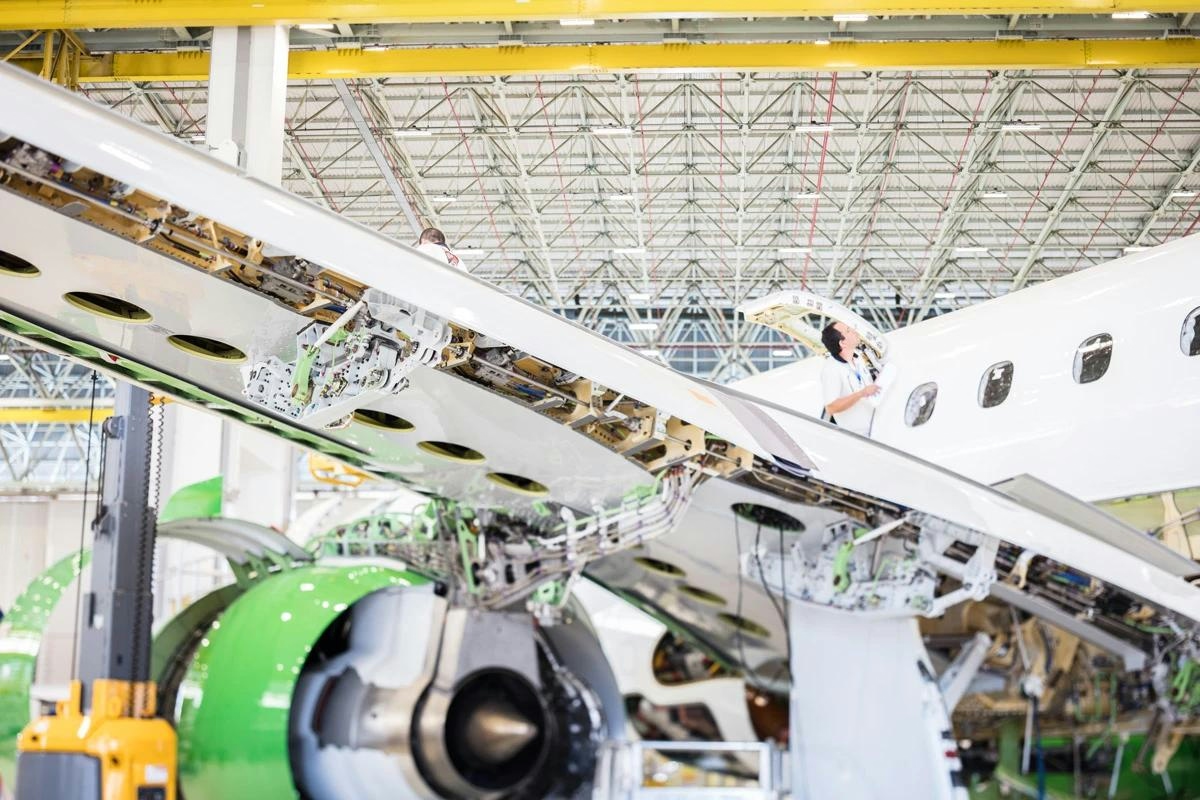
Embraer E195-E2 Features Distinctive Engine Placement Among Regional Jets

What Passengers Can Expect on Boeing’s New 777X Jet
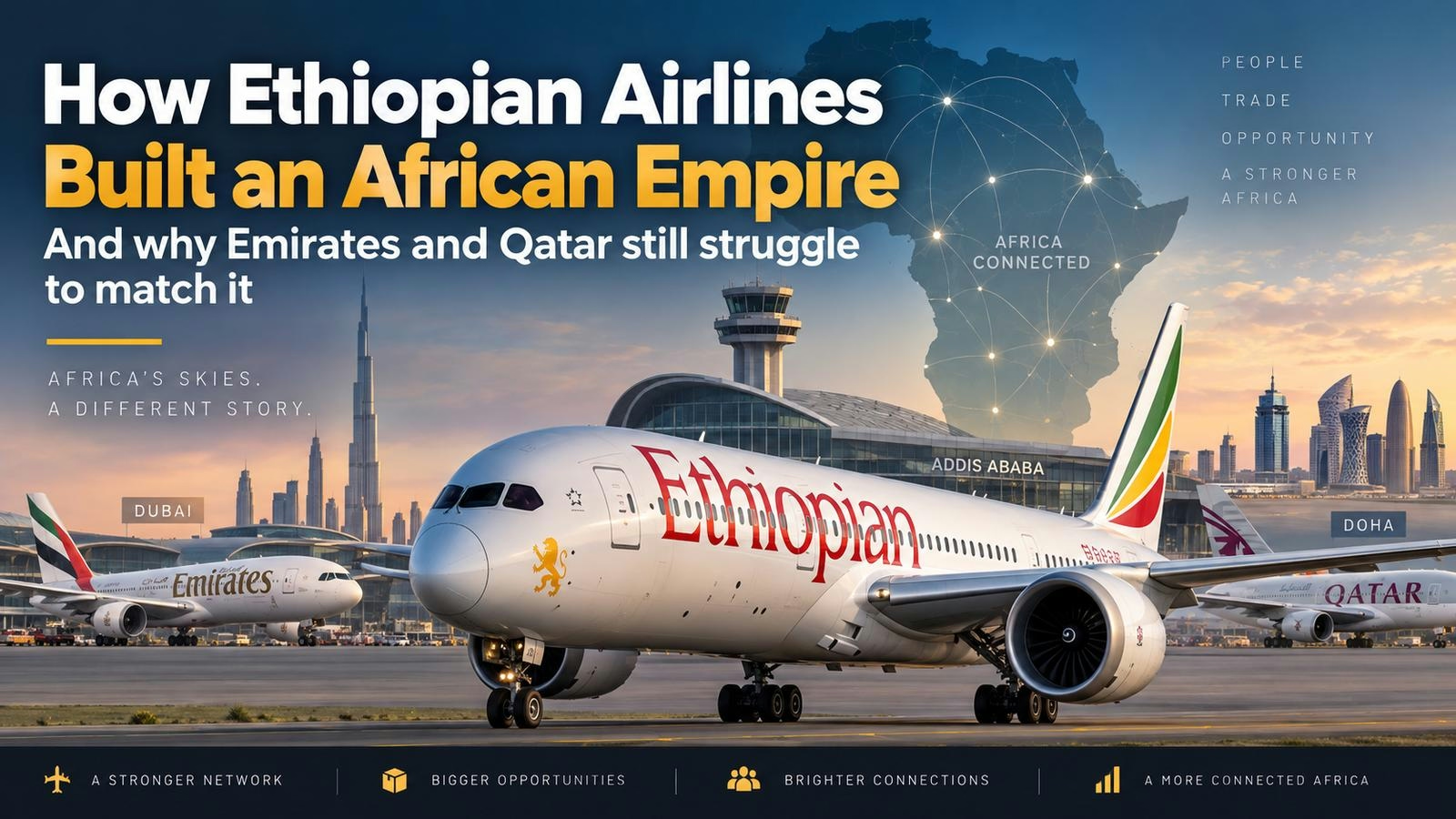
How Ethiopian Airlines Became Africa’s Leading Carrier Amid Gulf Competition

Joby Aviation Extends Autonomous Flight Capabilities with Cross-Country Tour
