
Orquestre insights de IA em ações

Tendências
Categories
Egypt Unveils Expanded Aviation Strategy Focused on Sustainability and Digital Transformation
Egypt Unveils Expanded Aviation Strategy Focused on Sustainability and Digital Transformation
Egypt’s Minister of Civil Aviation, Sameh El-Hefny, has announced a comprehensive strategy aimed at modernizing the nation’s aviation sector. The initiative seeks to enhance Egypt’s global competitiveness while emphasizing sustainability and digital innovation. Presented during a session with the House of Representatives’ tourism and aviation committee, the plan addresses pressing challenges such as rising airfares, infrastructure development, fleet expansion, and preparations for the forthcoming Hajj season.
Addressing Operational Challenges and Infrastructure Expansion
El-Hefny explained that recent increases in ticket prices, particularly on return flights from Gulf countries, stem from exceptional operational difficulties. These include extended flight routes caused by regional tensions, reduced passenger occupancy on certain routes, and escalating costs related to fuel, insurance, and operations. Despite these pressures, EgyptAir remains committed to safeguarding passenger rights and maintaining consistent flight schedules.
A pivotal component of the strategy is the construction of Terminal 4 at Cairo International Airport, which will increase the airport’s capacity to over 60 million passengers annually. This new terminal is designed to incorporate advanced technologies aimed at improving operational efficiency and enhancing the passenger experience, thereby reinforcing Cairo’s position as a key regional aviation hub.
Fleet Expansion and Tourism Integration
The expansion of EgyptAir’s fleet forms another critical element of the plan, with 34 new aircraft expected to be added by 2030/2031, increasing the total fleet size to 97. EgyptAir has improved its standing in the global aviation industry, currently ranked 68th in the 2025 Skytrax list of the world’s top 100 airlines. The airline is also targeting the elimination of accumulated financial losses within four years.
Air Cairo, recognized as a significant contributor to Egypt’s tourism sector, currently operates 41 aircraft and aims to double its fleet to 82 within the same timeframe. The airline accounts for approximately 20% of inbound tourism to Egypt and nearly 30% of arrivals at Hurghada International Airport. Efforts are underway to better integrate Air Cairo’s operations with those of EgyptAir to enhance efficiency and expand market reach.
Commitment to Sustainability and Digital Transformation
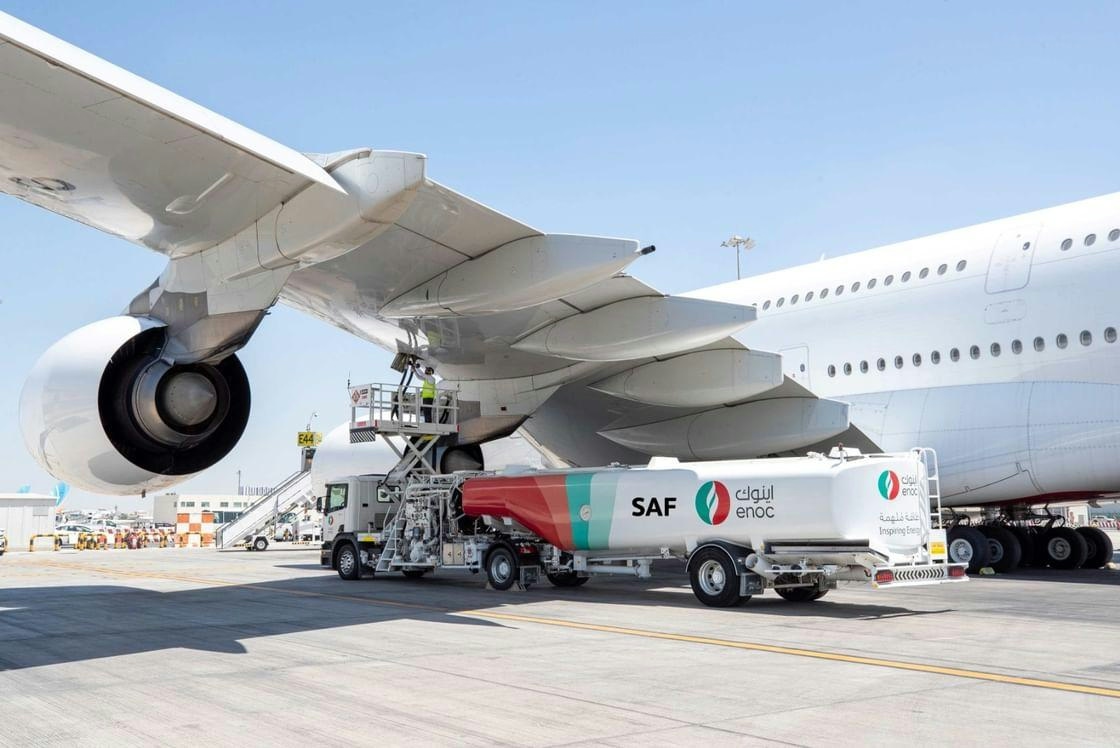
Sustainability is central to Egypt’s aviation strategy. Solar energy is already utilized at Cairo and Alexandria airports, with plans to extend this renewable energy use nationwide. The ministry is also exploring the establishment of a domestic facility for producing Sustainable Aviation Fuel (SAF), aligning with global objectives to achieve net-zero carbon emissions by 2050.
On the digital front, significant progress has been made, including the introduction of a fully digital passport system for Egyptian travelers at Cairo Airport. Developed in collaboration with the Ministry of Interior, this system will be gradually implemented at other airports, supporting the sector’s broader digital transformation goals.
Challenges and Regional Implications
Despite the ambitious scope of the strategy, challenges remain. Integrating sustainability and digital initiatives amid ongoing global air travel disruptions and increasing air traffic demands will test the resilience of Egypt’s aviation sector. Market analysts are closely monitoring Egypt’s ability to fulfill its sustainability commitments and implement digital upgrades effectively. Additionally, regional competitors may adopt similar strategies, potentially reshaping aviation partnerships and alliances within the Middle East and North Africa.
Preparations for the upcoming Hajj season were also reviewed, with enhanced operational readiness measures to ensure smooth travel for pilgrims. Members of parliament praised the ministry’s recent regulatory reforms, which aim to improve the investment climate and accelerate digital transformation within the sector.
Minister El-Hefny concluded by reaffirming the government’s dedication to building a sustainable, efficient, and globally competitive aviation industry, positioning Egypt to navigate the evolving challenges and opportunities in the international aviation landscape.

Etihad Airways Suspends Airbus A380 Flights on Key Route

Aditya Birla Group Seeks Approval for Aircraft Leasing in GIFT City

Qatar Airways Highlights Innovation and Connectivity at Arabian Travel Market 2026

Hong Kong's Five-Year Plan Includes Andrew Fan's Aircraft Parts Processing Hub Proposal

ACIA Aero Leasing Delivers ATR72-600 to Air Nostrum

RTX Appoints Jill Albertelli as Head of Pratt & Whitney

TAT Technologies Joins Beyond Aero Hydrogen Aircraft Program

AURAK Study Highlights Barriers to Air Taxi Adoption in Emerging Economies

Xiamen Air Selects Altitude for 787 Maintenance at Heathrow

Etihad and Swissport Extend Global Partnership
