
Orquestre insights de IA em ações

Tendências
Categories
FAA Invests $875 Million in AI to Reduce Flight Delays
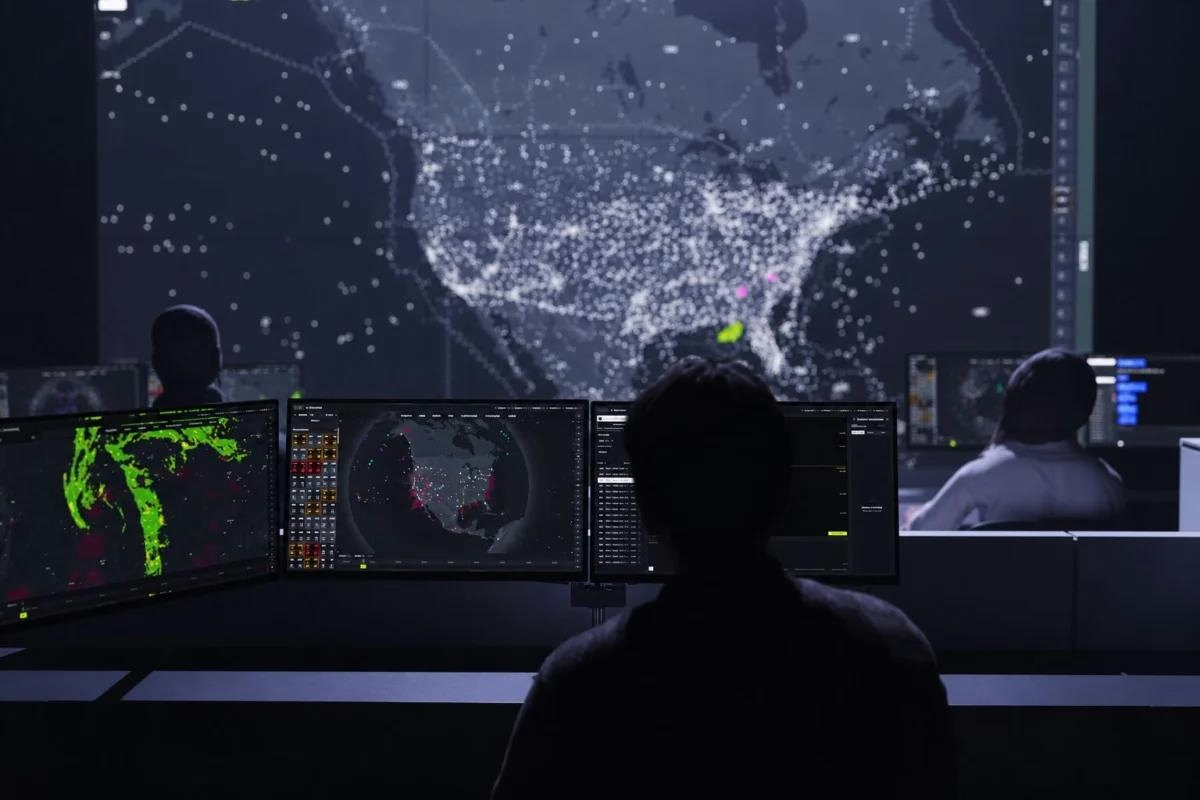
FAA Commits $875 Million to AI-Driven Air Traffic Modernization
Transforming Air Traffic Control Infrastructure
The Federal Aviation Administration (FAA) has announced a significant contract valued at up to $875 million with Air Space Intelligence, aimed at modernizing the United States’ air traffic control system through artificial intelligence and predictive analytics. This 12-year initiative, revealed by U.S. Secretary of Transportation Sean Duffy alongside leading airline executives, represents one of the largest federal investments in AI within the transportation sector to date.
The U.S. airspace system is under increasing strain as passenger numbers have surged from approximately 60 million annually in 1960 to nearly one billion today. Despite this dramatic growth, much of the air traffic management infrastructure remains reliant on technology developed in the 1960s. This outdated framework struggles to accommodate current demands, resulting in frequent delays, congestion, and costly disruptions for both airlines and travelers.
Advancing Predictive Capabilities with AI
Central to the FAA’s modernization plan is the replacement and upgrade of critical components, including radar systems, software, hardware, and telecommunications networks. The integration of AI-driven predictive technology is designed to transition air traffic management from a reactive model to a proactive one. According to the FAA, the current National Airspace System (NAS) has limited capacity to anticipate the impact of forecasted flights and unplanned events such as adverse weather or runway closures. This reactive approach contributes to bottlenecks that ripple across the national airspace.
The new Flow Management Data and Services platform will serve as the technological core of the Air Traffic Control System Command Center. By leveraging AI to analyze extensive data sets—ranging from weather conditions to airport capacity—that are currently dispersed across multiple systems, the FAA aims to optimize airspace utilization, balance traffic demand with available capacity, and mitigate the cascading delays that have long challenged the system.
Industry Challenges and Outlook
Despite the promise of this ambitious modernization, integrating advanced AI into a system that has evolved incrementally over decades presents considerable challenges. Airlines have expressed concerns regarding the system’s ability to effectively resolve flight conflicts and the pace at which the new technology can be implemented to yield tangible improvements.
Industry analysts suggest that the FAA’s investment may encourage competitors to adopt similar AI-driven solutions, potentially accelerating innovation throughout the aviation sector. The announcement has also generated optimism among investors, who view modernization as a pathway to enhanced operational efficiency and reliability.
Beyond the goal of reducing delays, the FAA anticipates that the AI-enhanced system will improve safety by better managing flight congestion and reducing the risk of runway incidents. If successful, this initiative could establish a new global benchmark for air traffic management, influencing market dynamics and shaping traveler expectations for years ahead.

Etihad and Swissport Extend Global Partnership
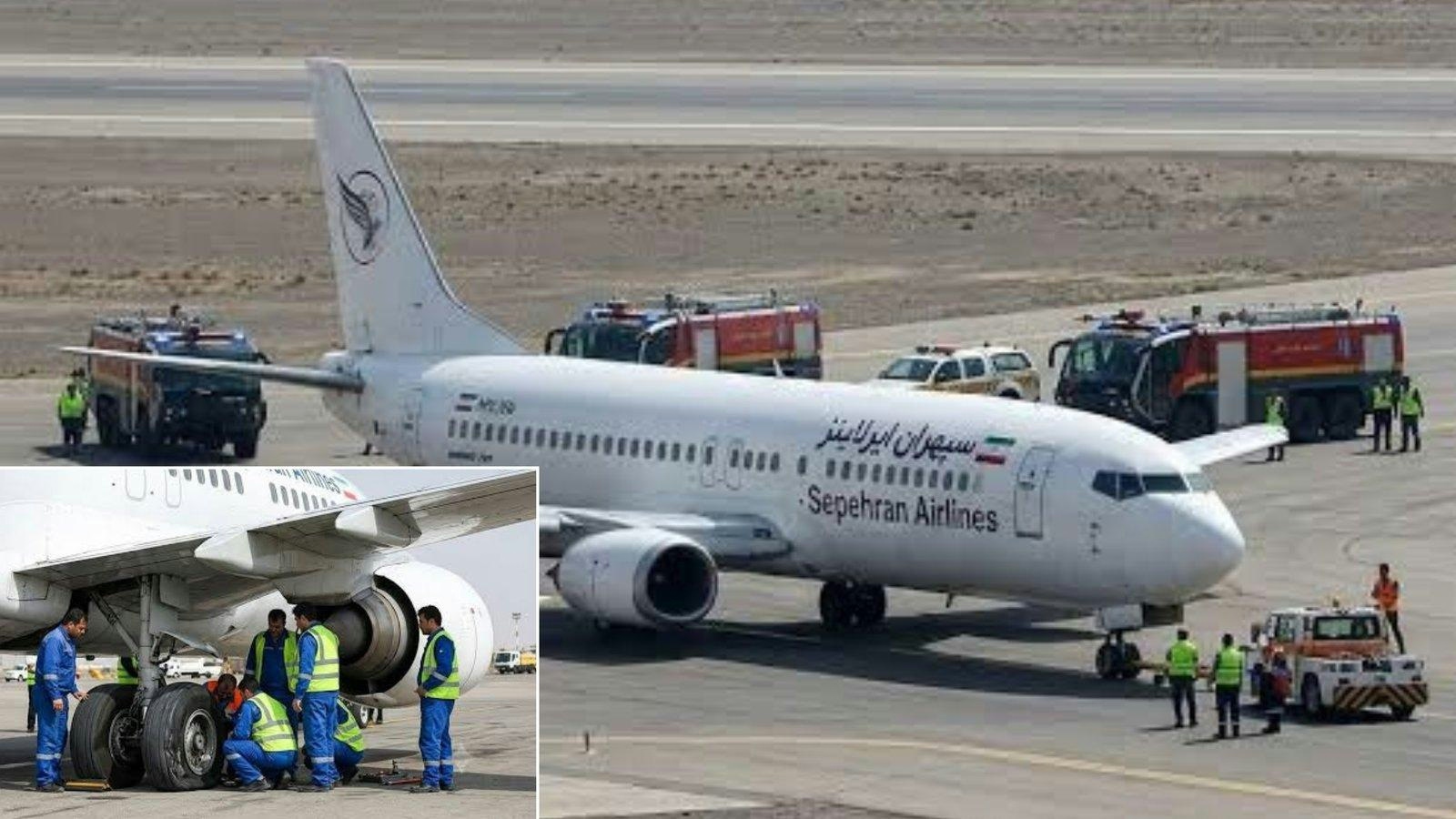
Sepehran Airlines B737 Returns to Mashhad After Tyre and Engine Issues

Etihad Deploys Widebody Fleet to Meet Strong Demand
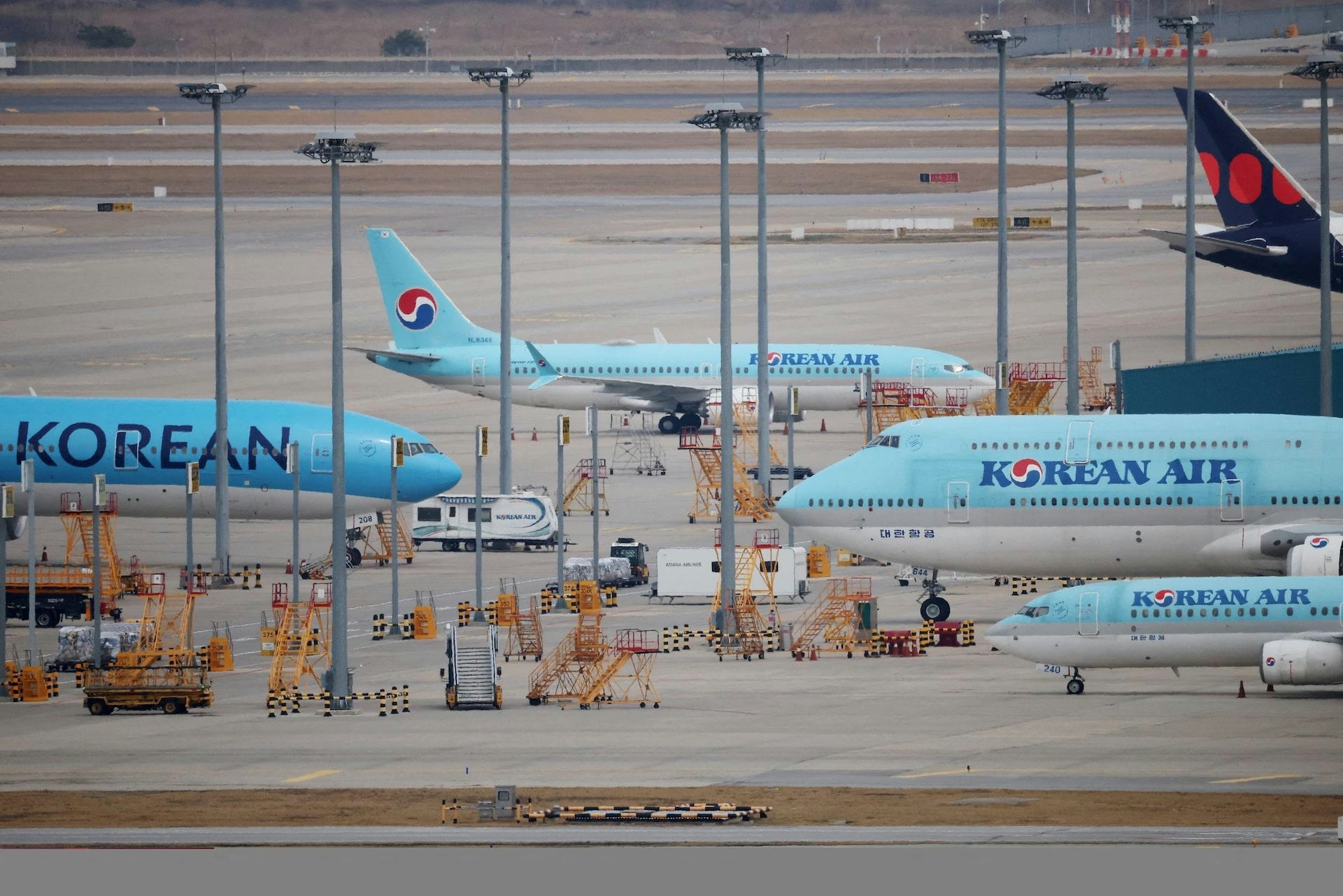
Korean Air Finalizes $36.2 Billion Deal with Boeing

Australia’s RFDS Queensland Section Orders Six King Air 260Cs
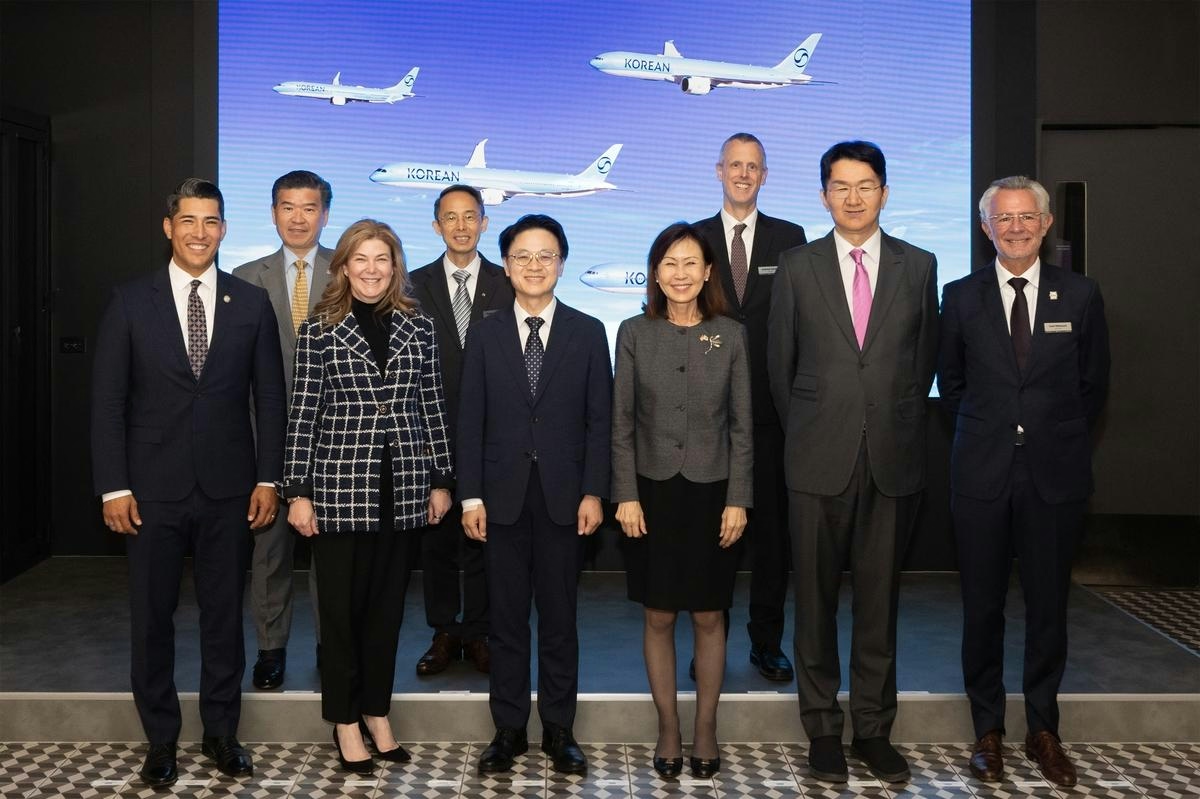
Korean Air Finalizes Order for 103 Boeing Jets and Engines
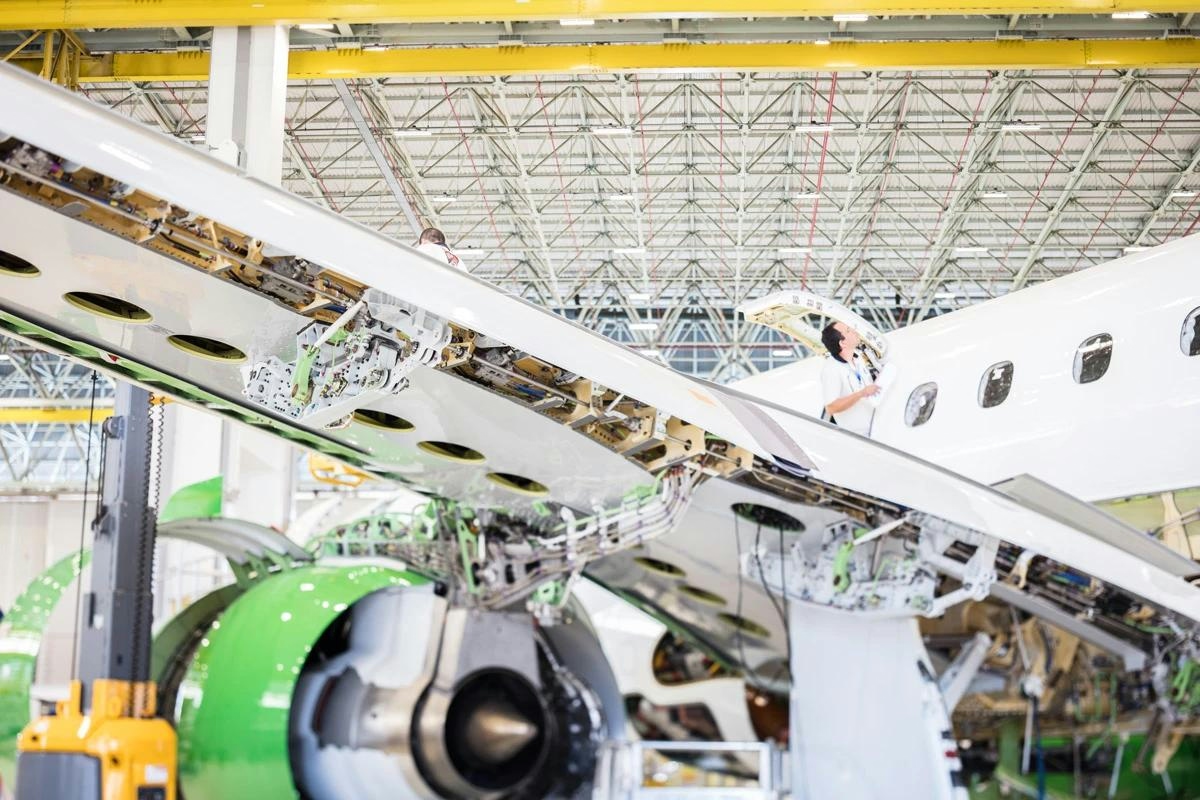
Embraer E195-E2 Features Distinctive Engine Placement Among Regional Jets
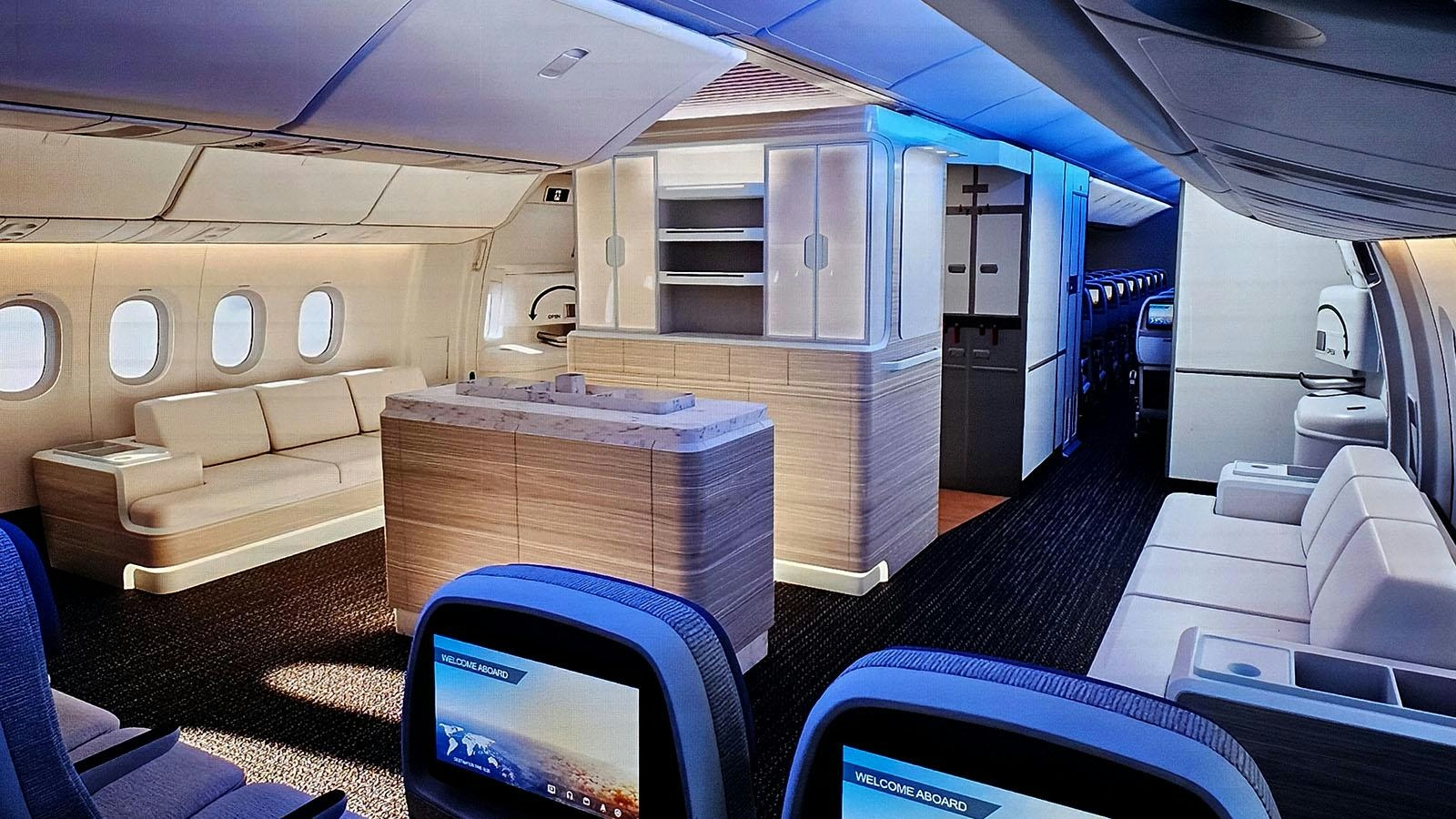
What Passengers Can Expect on Boeing’s New 777X Jet
How Ethiopian Airlines Became Africa’s Leading Carrier Amid Gulf Competition
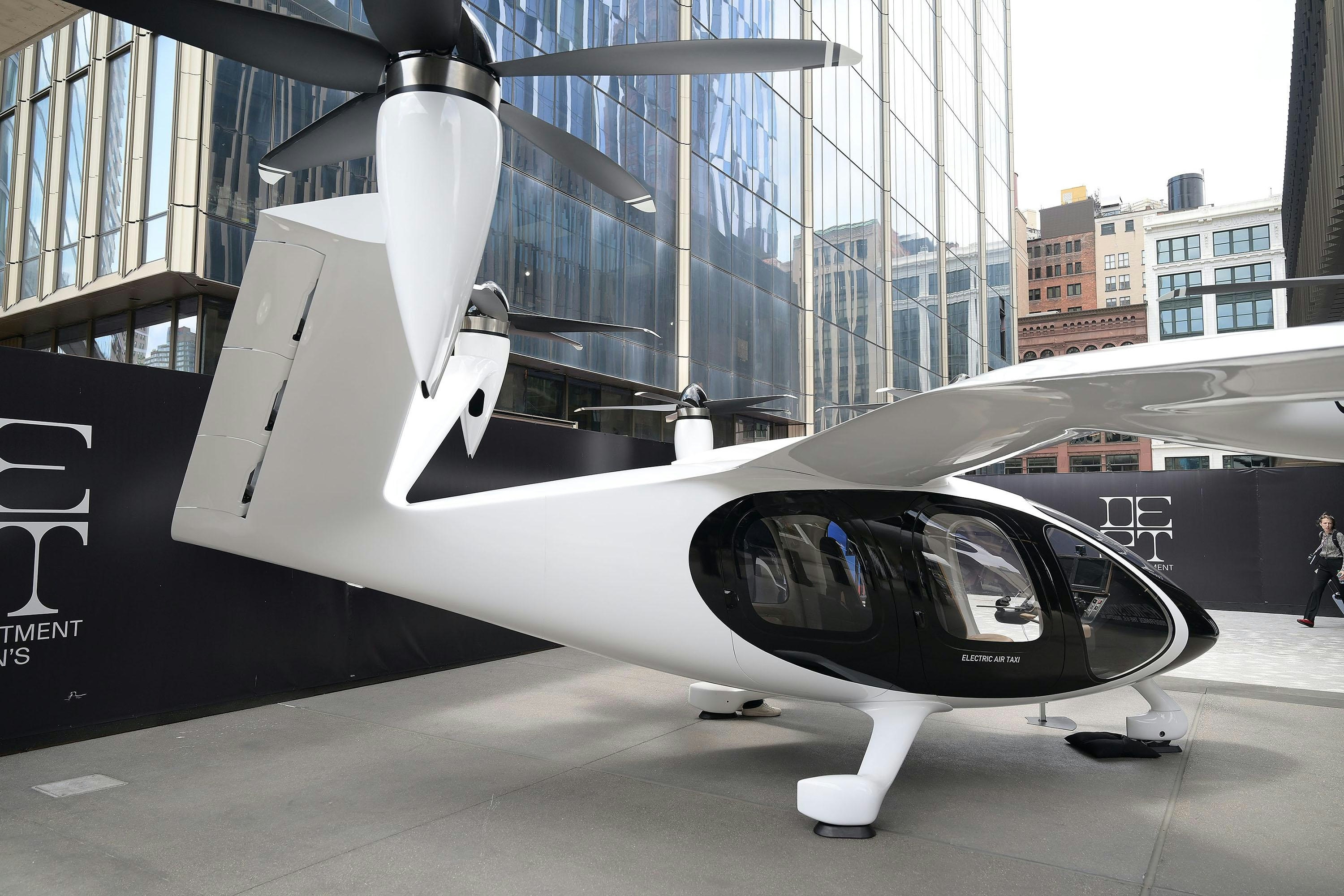
Joby Aviation Extends Autonomous Flight Capabilities with Cross-Country Tour
