
Orquestre insights de IA em ações

Tendências
Categories
Fuel Shortage Disrupts Flights in Sydney, Melbourne, and Brisbane
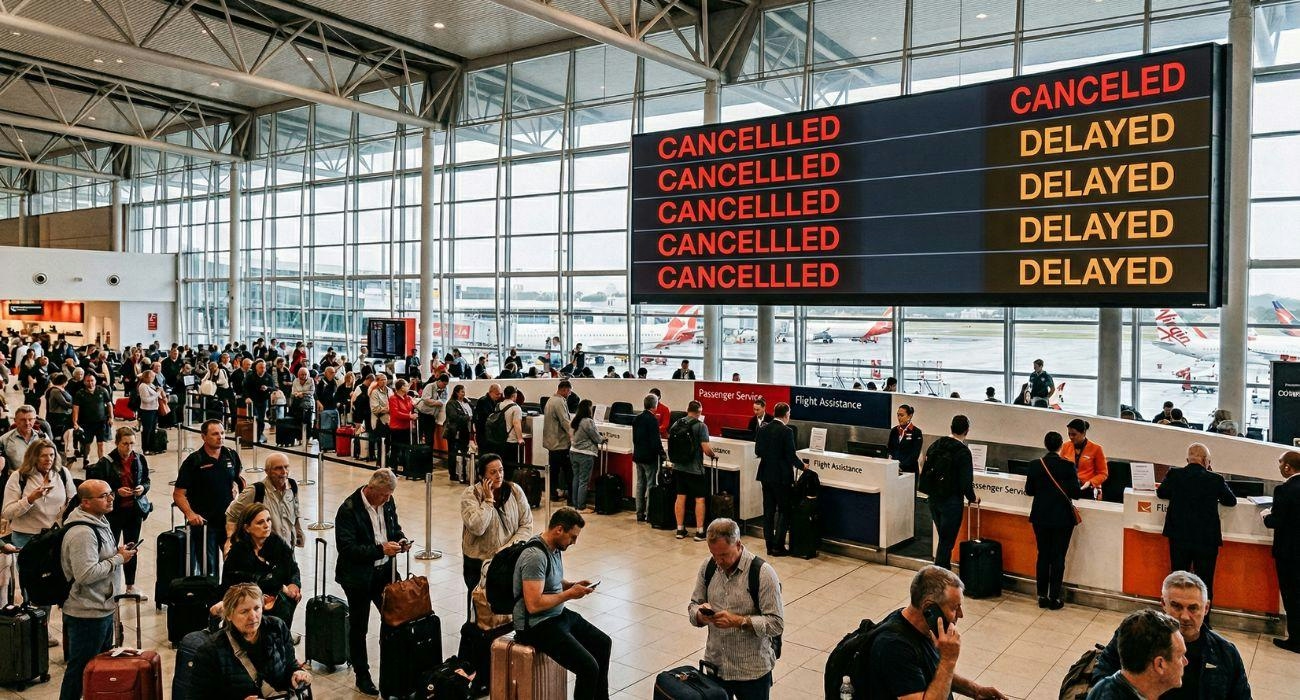
Fuel Shortage Grounds Flights Across Sydney, Melbourne, and Brisbane
A severe jet fuel shortage has caused significant disruption at Australia’s busiest airports, grounding 33 flights and delaying 385 others as airlines struggle to cope with rapidly diminishing supplies. Sydney, Melbourne, and Brisbane airports have been the most affected, revealing the fragility of global aviation supply chains amid rising geopolitical tensions and escalating fuel prices.
Impact on Australian Airports and Airlines
Sydney Airport, the nation’s primary international gateway, has experienced the most severe consequences, with 245 delays and 12 cancellations reported. Melbourne Tullamarine and Brisbane airports have also faced substantial operational challenges. Major carriers including Qantas, Jetstar, QantasLink, and Virgin Australia have been compelled to implement emergency measures, such as flight cancellations and reduced schedules, leaving thousands of passengers stranded and raising concerns about prolonged disruptions in the days ahead.
The shortage originates from a breakdown in fuel distribution networks, exacerbated by soaring global oil prices and the intensifying conflict in the Middle East. This geopolitical instability has tightened jet fuel supplies worldwide, with industry experts warning that key international hubs, including those in Australia, are at risk of critical shortages. Sydney Airport management has issued a cautionary statement regarding the uncertainty of receiving scheduled jet fuel shipments next week, heightening fears of further operational interruptions.
Jetstar has reported nine cancellations and 121 delays, primarily affecting domestic routes. Qantas has faced six cancellations and 107 delays across both domestic and international flights. QantasLink’s regional services have seen six cancellations and 57 delays, while Virgin Australia has experienced one cancellation and 100 delays. In response, airlines are prioritizing essential flights and enacting contingency plans such as fuel rationing and selective cancellations to manage the crisis.
Global Implications and Market Responses
The fuel shortage in Australia reflects a broader global challenge. International carriers are similarly impacted, with Scandinavian Airlines having canceled 1,000 flights in April due to rising oil and jet fuel costs. Etihad Airways has responded by reducing long-haul fares by up to 50 percent in an effort to sustain passenger demand amid soaring expenses.
Within Australia, airlines face mounting pressure to absorb increased operational costs, with fuel now accounting for as much as 30 percent of major carriers’ expenditures. Passengers may encounter higher ticket prices, additional surcharges, and changes to baggage fees as airlines adjust their pricing strategies to mitigate financial losses. This crisis may also accelerate the industry’s transition toward more fuel-efficient aircraft and alternative energy sources.
Industry Outlook
Australia’s aviation sector, dominated by the Qantas Group and Virgin Australia, confronts escalating challenges stemming from fuel price volatility and supply chain vulnerabilities. As domestic disruptions continue, competitors such as Air New Zealand and other international carriers may capitalize on shifting market dynamics. The ongoing fuel shortage underscores the precarious nature of global aviation logistics and the urgent need for more resilient supply strategies in an increasingly uncertain geopolitical environment.

Etihad Airways Suspends Airbus A380 Flights on Key Route

Aditya Birla Group Seeks Approval for Aircraft Leasing in GIFT City

Qatar Airways Highlights Innovation and Connectivity at Arabian Travel Market 2026

Hong Kong's Five-Year Plan Includes Andrew Fan's Aircraft Parts Processing Hub Proposal

ACIA Aero Leasing Delivers ATR72-600 to Air Nostrum

RTX Appoints Jill Albertelli as Head of Pratt & Whitney

TAT Technologies Joins Beyond Aero Hydrogen Aircraft Program

AURAK Study Highlights Barriers to Air Taxi Adoption in Emerging Economies

Xiamen Air Selects Altitude for 787 Maintenance at Heathrow

Etihad and Swissport Extend Global Partnership
