
Orquestre insights de IA em ações

Tendências
Categories
Growth in Aircraft Engine Preheat Systems Expected Through 2035 Amid Cold-Climate Fleet Expansion
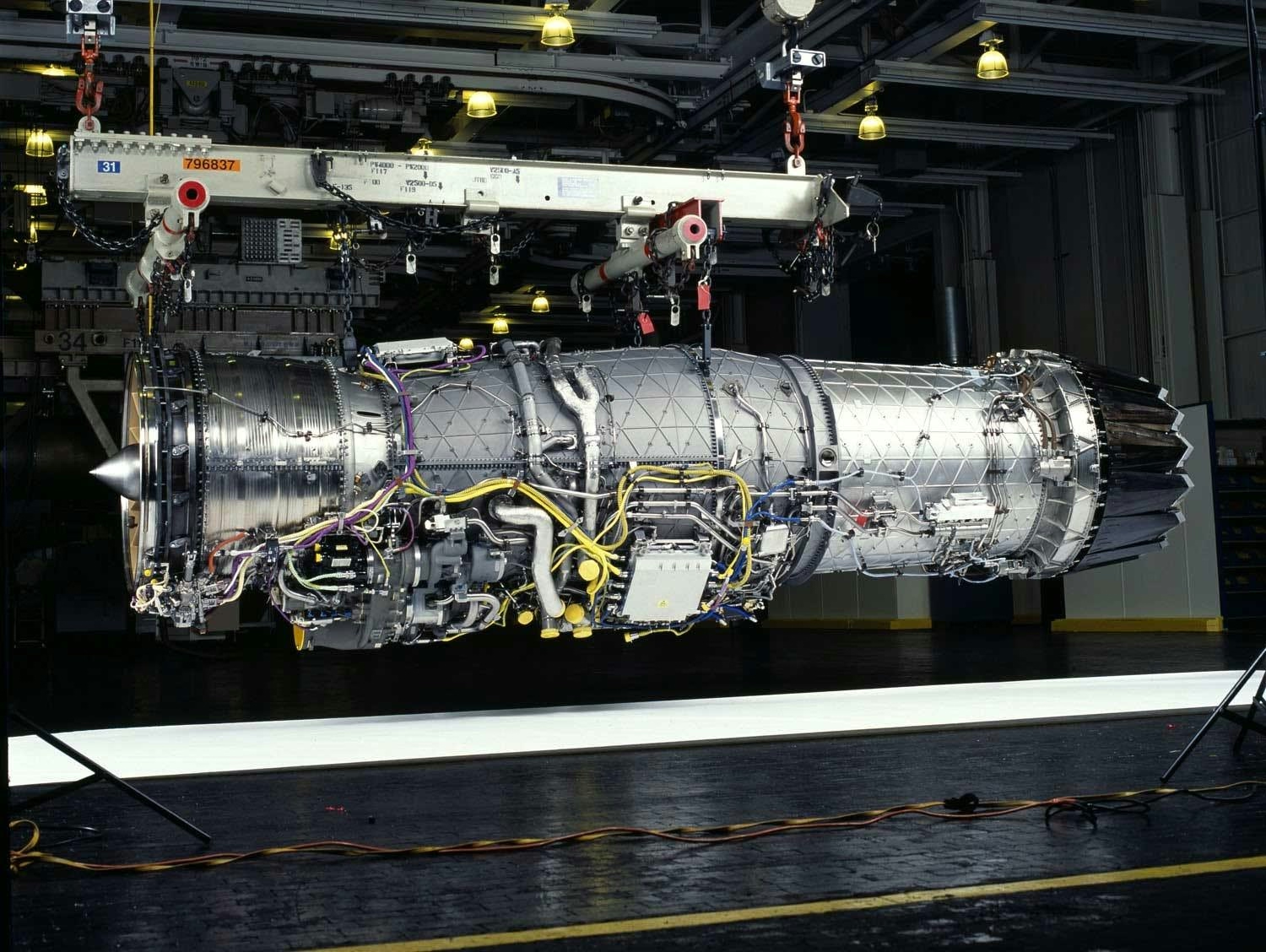
Growth in Aircraft Engine Preheat Systems Driven by Cold-Climate Fleet Expansion
The global market for aircraft engine preheat systems is set for steady expansion through 2035, propelled by the increasing number of general aviation aircraft operating in cold-climate regions. According to the latest IndexBox report, this growth is underpinned by broadening demand fundamentals and more disciplined procurement practices, alongside a progressively diversified regional supply base.
Market Dynamics and Regional Demand
Aircraft engine preheat systems play a vital role in ensuring safe engine starts and prolonging engine life in severe winter conditions. Their importance is particularly pronounced in regions such as Canada, Scandinavia, Russia, and the northern United States, where preheating is often mandated for operational safety. This regulatory environment supports robust and sustained market demand.
Currently, aftermarket retrofit installations constitute approximately 70 to 80 percent of unit volume. However, original equipment manufacturer (OEM) factory installations are gaining traction as airframe manufacturers increasingly integrate preheat systems into new aircraft designs. Pricing for these systems varies significantly, ranging from $200 to $800 for single-engine piston aircraft, and from $2,000 to $5,500 or more for multi-engine turbine and helicopter configurations. Replacement parts and service-related add-ons contribute an additional 25 to 35 percent of total aftermarket revenue.
The market remains structurally dependent on imports outside the primary manufacturing regions, with moderate supplier concentration. A small group of specialized manufacturers based in North America and Europe collectively command between 50 and 65 percent of market influence. This concentration, coupled with the technical demands of producing components capable of withstanding extreme cold, tends to elevate costs and presents operational challenges for airlines in these environments. Consequently, demand for specialized components is rising, which may further increase prices.
Innovation and Technological Advancements
In response to these challenges, industry competitors are prioritizing innovation by developing more efficient and cost-effective preheat solutions. Strategic partnerships are also being formed to enhance supply chain resilience. Notably, the adoption of electric-powered preheat systems is accelerating worldwide, supported by the growing electrification of hangars and a shift away from propane or kerosene-fired units. This transition is driven by increasingly stringent ground-handling safety protocols and emissions reduction targets imposed by airports and fixed-base operators (FBOs). Electric systems now account for an estimated 55 to 70 percent of new unit sales, a significant increase from approximately 40 percent a decade ago.
Smart preheat controllers equipped with thermostatic automation, remote monitoring, and battery-maintenance capabilities are gaining popularity, especially among government, military, and high-utilization fleet operators who prioritize minimizing unscheduled maintenance. Integration with aircraft health monitoring and predictive maintenance platforms is emerging as a key differentiator, particularly for operators of turbine-engine aircraft.
Market Outlook Through 2035
From 2026 to 2035, the aircraft engine preheat systems market is projected to grow at a compound annual growth rate (CAGR) of 4.8 percent, with the market index expected to reach 158 (2025=100). The aftermarket segment will continue to dominate, driven by replacement cycles and the transition from combustion-fired to electric systems. OEM integration is also anticipated to increase as preheat systems become standard features in new aircraft models.
Smart-capable systems, which command a 30 to 50 percent price premium over basic models, are forecast to expand their share of unit sales from 15–20 percent to 30–40 percent by 2035. This growth reflects strong demand from fleet operators seeking enhanced reliability and operational efficiency. While supply chain constraints related to specialized heating elements and electronic controllers may temper near-term growth, capacity expansions by leading manufacturers are expected to alleviate bottlenecks by 2028. Modest real-term price increases are anticipated, driven by higher electronic content and compliance with evolving regulatory standards.

Etihad and Swissport Extend Global Partnership
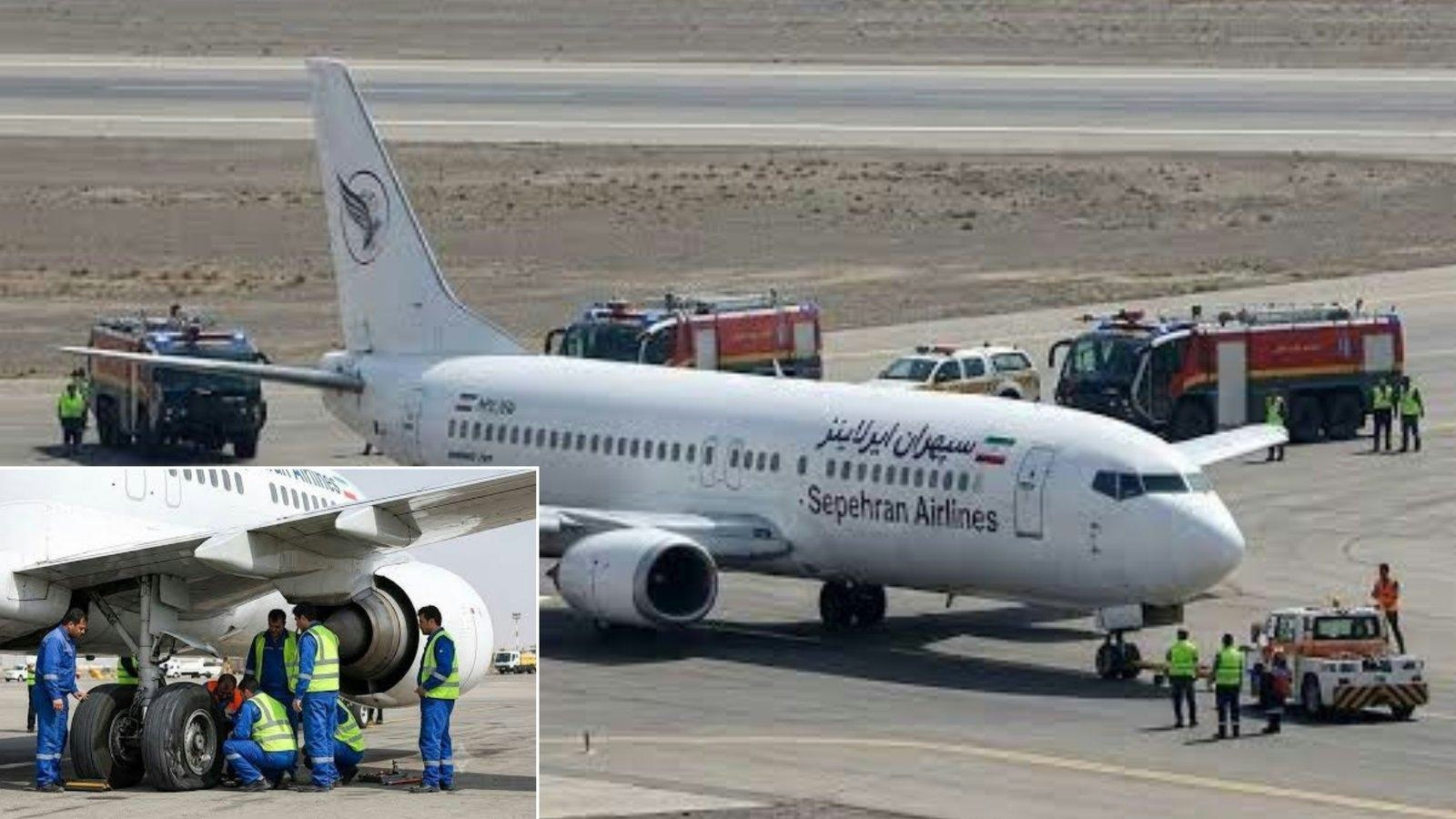
Sepehran Airlines B737 Returns to Mashhad After Tyre and Engine Issues

Etihad Deploys Widebody Fleet to Meet Strong Demand
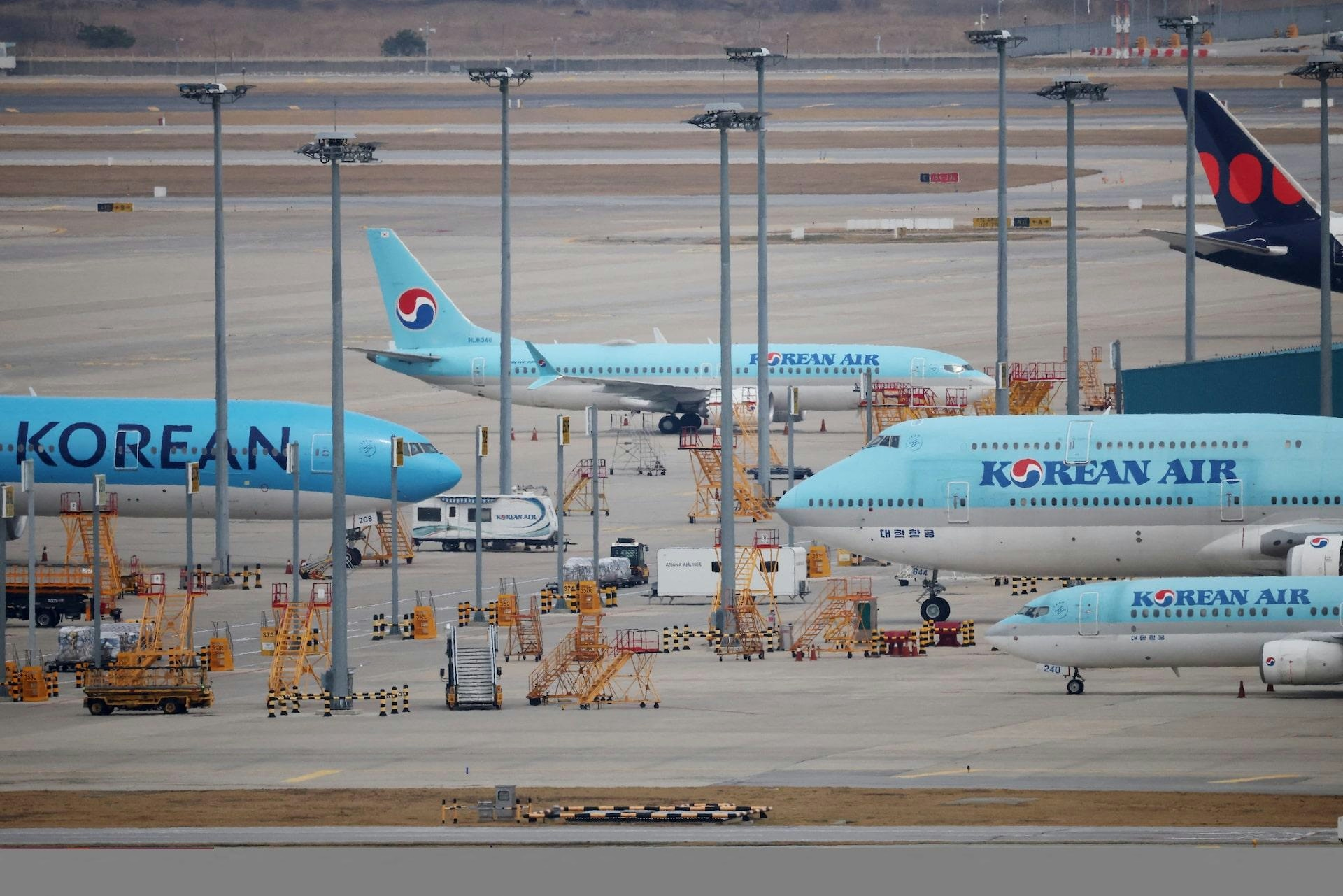
Korean Air Finalizes $36.2 Billion Deal with Boeing

Australia’s RFDS Queensland Section Orders Six King Air 260Cs

Korean Air Finalizes Order for 103 Boeing Jets and Engines
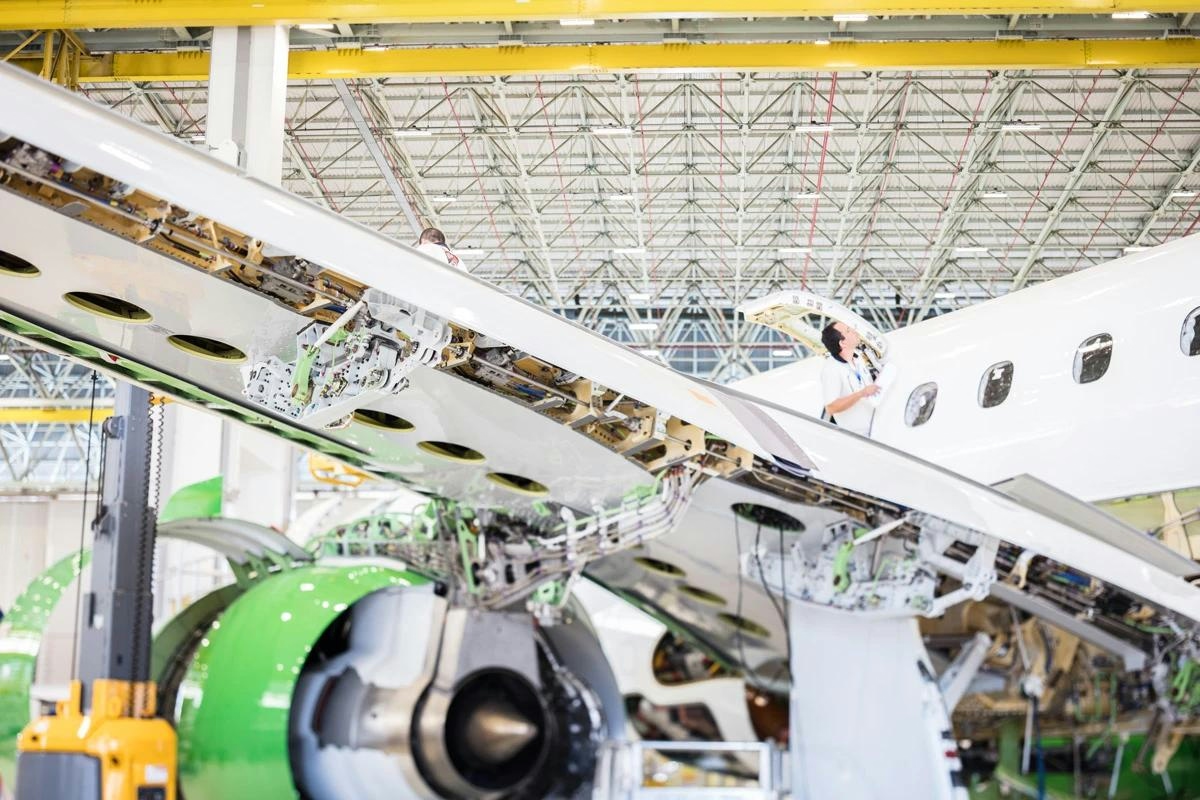
Embraer E195-E2 Features Distinctive Engine Placement Among Regional Jets

What Passengers Can Expect on Boeing’s New 777X Jet

How Ethiopian Airlines Became Africa’s Leading Carrier Amid Gulf Competition

Joby Aviation Extends Autonomous Flight Capabilities with Cross-Country Tour
