
Orquestre insights de IA em ações

Tendências
Categories
How the Boeing 757's Design Enabled Transatlantic Narrowbody Flights

How the Boeing 757’s Design Enabled Transatlantic Narrowbody Flights
The Boeing 757 is widely regarded as one of the most versatile narrowbody aircraft ever produced, distinguished by its ability to serve transatlantic routes that were previously impractical for single-aisle jets. Developed in the late 1970s as a successor to the aging Boeing 727, the 757 combined increased passenger capacity with advanced aerodynamics and fuel-efficient engines. This combination resulted in lower operating costs and an extended range, making the aircraft an ideal choice for airlines aiming to establish “long and thin” routes—those with modest passenger demand that could not economically support larger widebody aircraft such as the Boeing 767 or 777.
Innovative Design and Operational Capabilities
A critical element of the 757’s success was its innovative wing design. Boeing engineers developed an airfoil that generated substantial lift during heavily loaded takeoffs from shorter runways, while simultaneously maintaining efficient cruise performance at high altitudes and speeds. This unique balance of low-speed and high-speed capabilities was uncommon in a single airframe, enabling the 757 to operate effectively across a diverse range of environments and conditions.
The aircraft’s operational flexibility was further enhanced by its early certification under ETOPS (Extended-range Twin-engine Operational Performance Standards). This approval allowed the twin-engine 757 to fly extended overwater routes, a regulatory milestone that opened the door for direct transatlantic flights between secondary cities in North America and Europe. Such routes had previously been uneconomical with larger, less efficient aircraft, underscoring the 757’s role in expanding the reach of narrowbody jets.
Legacy and Industry Impact
By the conclusion of its production in 2004, Boeing had delivered 1,050 units of the 757, predominantly the 757-200 variant. With seating capacity ranging from 200 to 260 passengers, the aircraft became a staple on both domestic transcontinental and international long-haul routes. However, more than two decades after production ceased, the 757 is gradually being phased out of passenger service. Delta Air Lines and United Airlines remain the last major U.S. operators, both planning to retire their fleets in the near future.
The 757’s legacy is now being challenged by newer aircraft such as the Airbus A321XLR, which offers comparable range and capacity with improved fuel efficiency. Airlines like Air Canada have already introduced the A321XLR on transatlantic routes, intensifying competition and prompting strategic adjustments across the industry. For instance, Air New Zealand is actively pursuing network expansion and operational enhancements to maintain competitiveness amid these evolving dynamics.
Regulatory challenges continue to influence market developments. Emerging carriers such as Riyadh Air face the complex process of securing approvals for direct flights to the United States, illustrating the ongoing intricacies of international route expansion. Looking ahead, the anticipated arrival of Boeing’s next-generation narrowbody—now expected sometime after the 2030s—will play a significant role in shaping the future landscape of transatlantic narrowbody operations.
The Boeing 757’s advanced design and regulatory achievements fundamentally redefined the capabilities of single-aisle jets, enabling new markets and reshaping airline strategies. Its influence persists as the industry transitions toward the next generation of long-range narrowbody aircraft.

Etihad and Swissport Extend Global Partnership
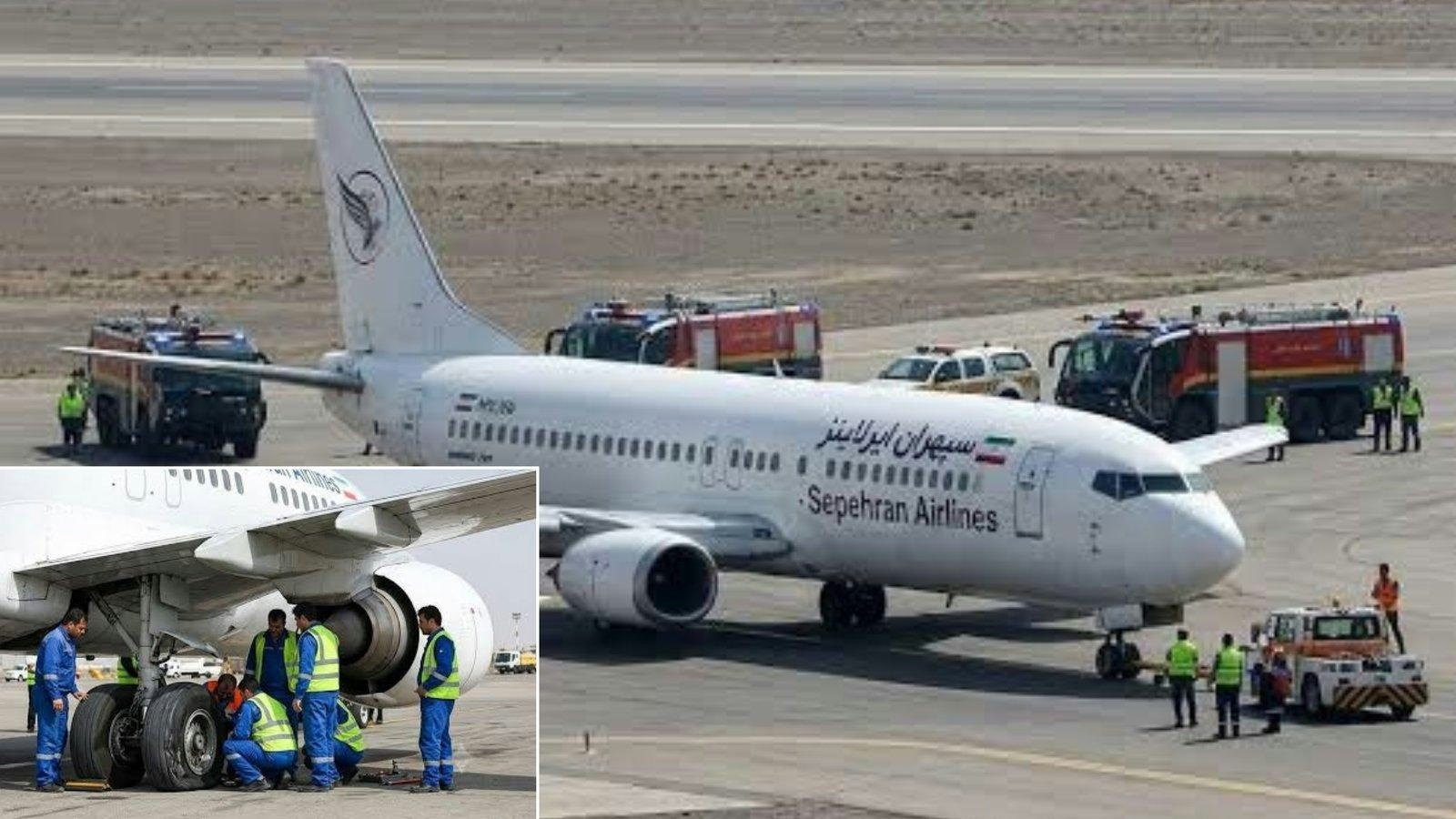
Sepehran Airlines B737 Returns to Mashhad After Tyre and Engine Issues

Etihad Deploys Widebody Fleet to Meet Strong Demand

Korean Air Finalizes $36.2 Billion Deal with Boeing

Australia’s RFDS Queensland Section Orders Six King Air 260Cs

Korean Air Finalizes Order for 103 Boeing Jets and Engines
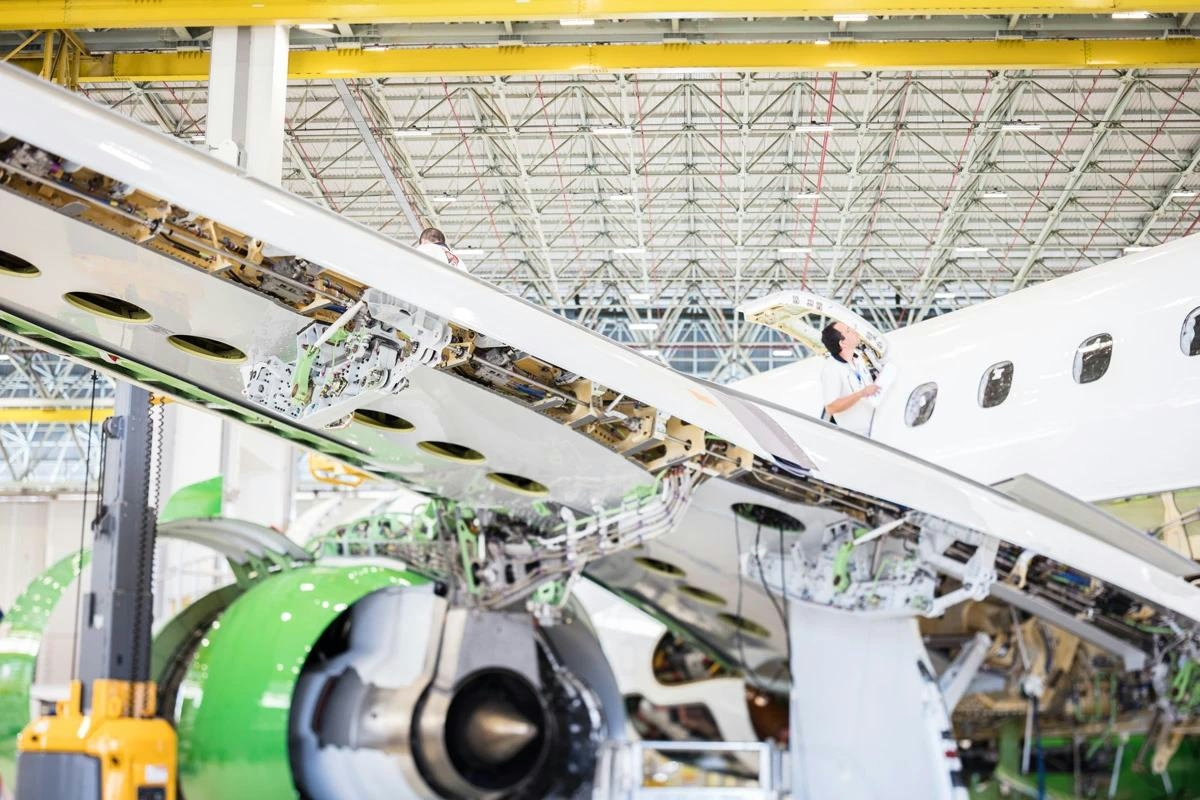
Embraer E195-E2 Features Distinctive Engine Placement Among Regional Jets
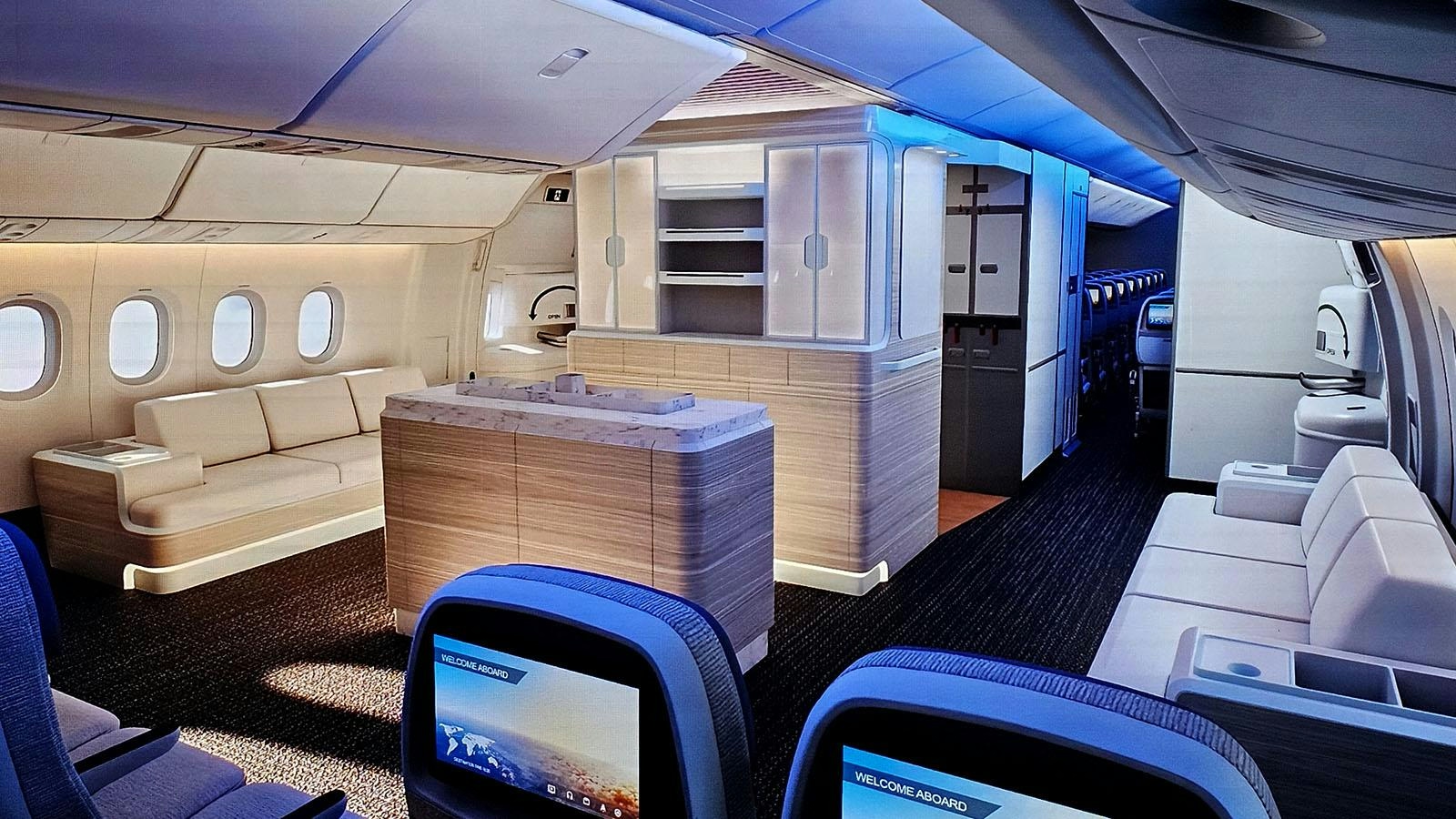
What Passengers Can Expect on Boeing’s New 777X Jet

How Ethiopian Airlines Became Africa’s Leading Carrier Amid Gulf Competition

Joby Aviation Extends Autonomous Flight Capabilities with Cross-Country Tour
