
Orquestre insights de IA em ações

Tendências
Categories
NUATE decries surge in wet-leasing, labels it threat to Nigerian jobs
NUATE Condemns Rising Wet-Leasing Trend as a Threat to Nigerian Employment
The National Union of Air Transport Employees (NUATE) has expressed serious concerns over the increasing reliance on wet-leasing arrangements within Nigeria’s aviation sector. Wet-leasing, which involves airlines leasing aircraft complete with foreign crew, maintenance, and insurance (ACMI), is viewed by the union as a significant threat to domestic employment and aviation safety standards.
Impact on Nigerian Workforce and Aviation Safety
In a statement released on Workers’ Day, NUATE President Ben Nnabue criticized the growing prevalence of wet-leased aircraft operating in Nigerian airspace. He argued that such contracts systematically displace qualified Nigerian pilots, engineers, and cabin crew, effectively bypassing collective labour agreements. Nnabue described the situation as creating a two-tier system where foreign crews operate under foreign regulations, undermining local labour standards. “Wet-leasing is dangerous to Nigerian aviation,” he asserted. “With the calibre of licensed professionals and AOC holders we have, it is indefensible that domestic carriers still wet-lease aircraft under arrangements that violate Nigerian labour standards.”
The union further warned that wet-leasing erodes local capacity building and diminishes decades of investment in indigenous expertise. By outsourcing maintenance to foreign teams, Nigerian engineers are deprived of critical hands-on experience with modern aircraft, hindering the development of technical skills within the country. Moreover, many wet-lease contracts involve atypical or self-employment arrangements for crews, resulting in reduced job security and fewer social protections compared to direct employment.
Economic Pressures and Industry Response
Industry analysts attribute the surge in wet-leasing partly to the financial challenges confronting Nigerian airlines, notably the ongoing jet fuel crisis. While some companies, such as Dangote, have managed to benefit from the situation, many local carriers face soaring operational costs that exacerbate job insecurity. The difficulty in accessing foreign currency for dry leases or outright aircraft purchases has left wet-leasing as the only viable option for numerous operators. By late 2025, over 75% of aircraft operating in Nigeria were reportedly under wet-lease agreements.
This growing dominance of foreign wet-lease operators has sparked calls for increased regulatory scrutiny and protective measures. Nigerian airlines and labour groups are advocating for policies that prioritize the employment of local personnel and restrict the use of foreign crews. Market responses may include tighter oversight of foreign carriers and adjustments by international operators to align with evolving local regulations.
Government Initiatives and Infrastructure Modernization
In response to these challenges, the Federal Executive Council (FEC) approved the establishment of a Nigerian Aircraft Leasing Company in April 2026. This initiative is designed to promote dry leasing, allowing airlines to lease aircraft hulls while employing Nigerian crews and maintenance teams, thereby fostering local job creation and technical development.
NUATE also called on the Federal Government to provide a special grant for the overhaul of the Nigerian Airspace Management Agency’s (NAMA) ageing navigational aids and to acquire advanced radar systems from Indra of Spain. President Nnabue emphasized the urgency of modernizing airspace infrastructure, recalling the fire at Murtala Mohammed International Airport that destroyed critical communication systems. He stressed the importance of safeguarding the integrity of Nigeria’s aviation architecture to ensure continued safety and operational efficiency.
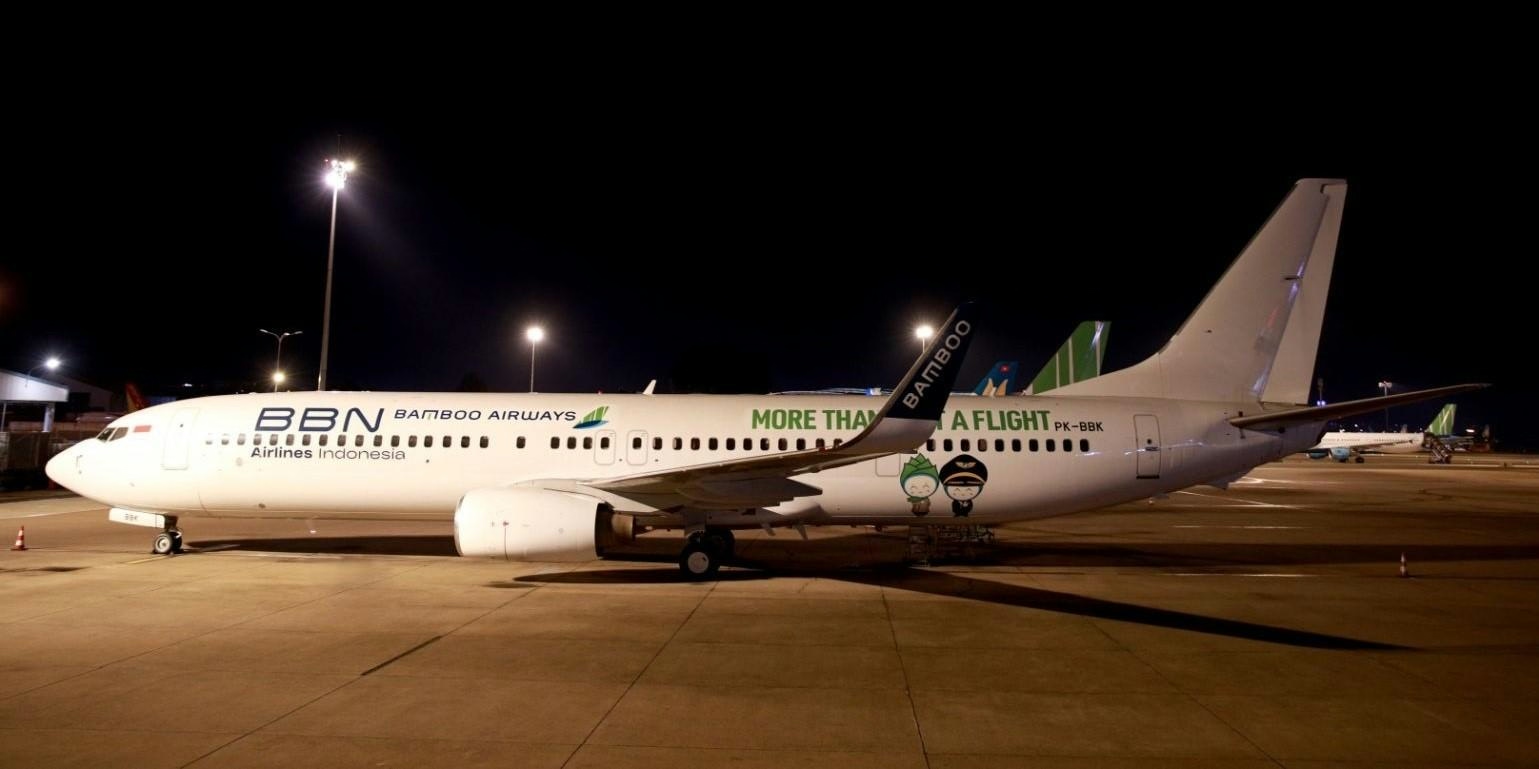
BBN Airlines Becomes IATA Member
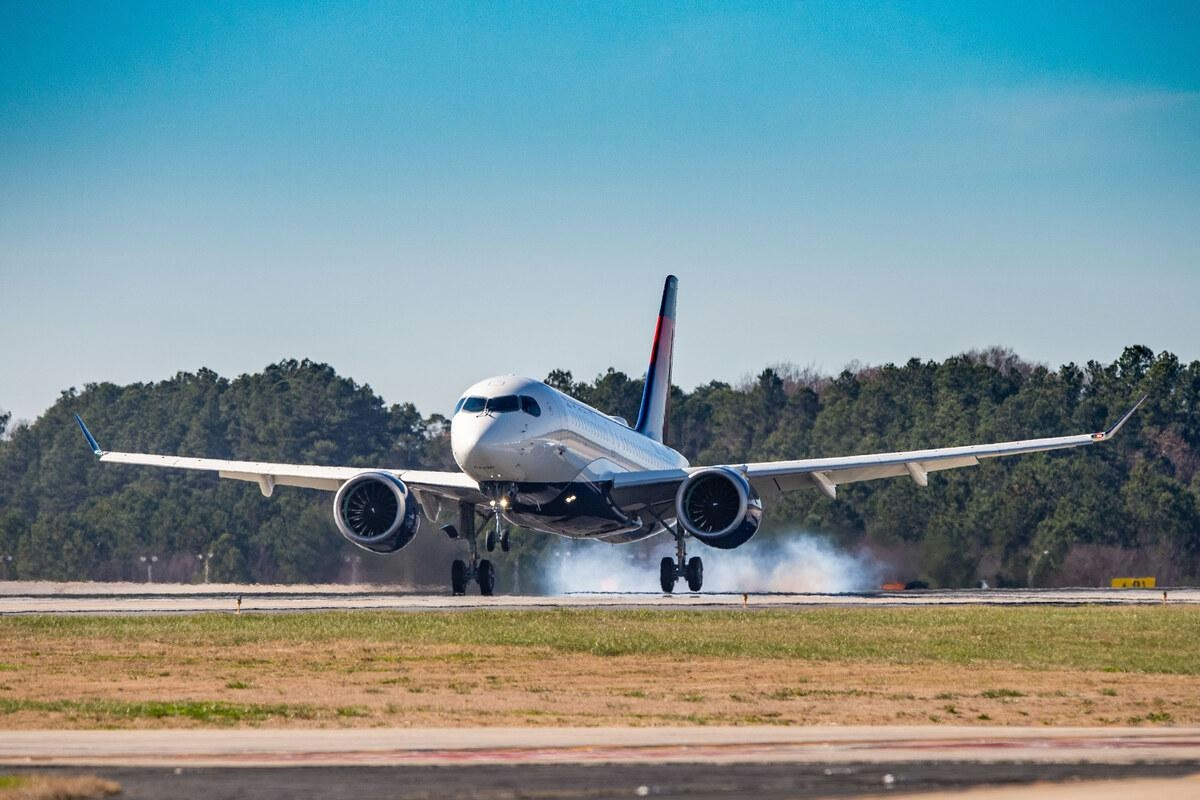
FAA Orders Breeze Airways and Delta to Inspect Airbus A220 Fuel Hoses
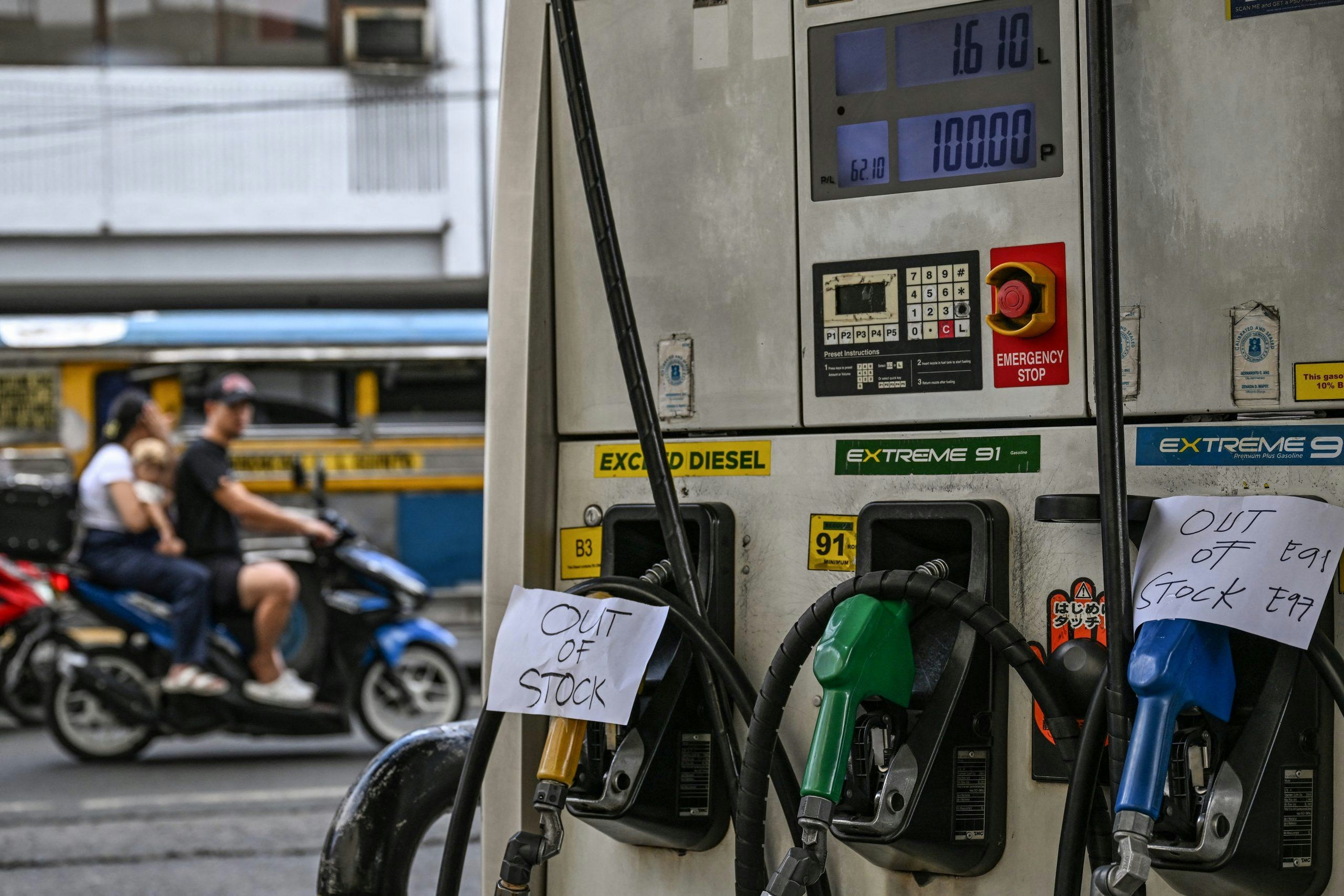
Philippine Aviation Navigates Expansion and Costs Amid Fuel Price Volatility
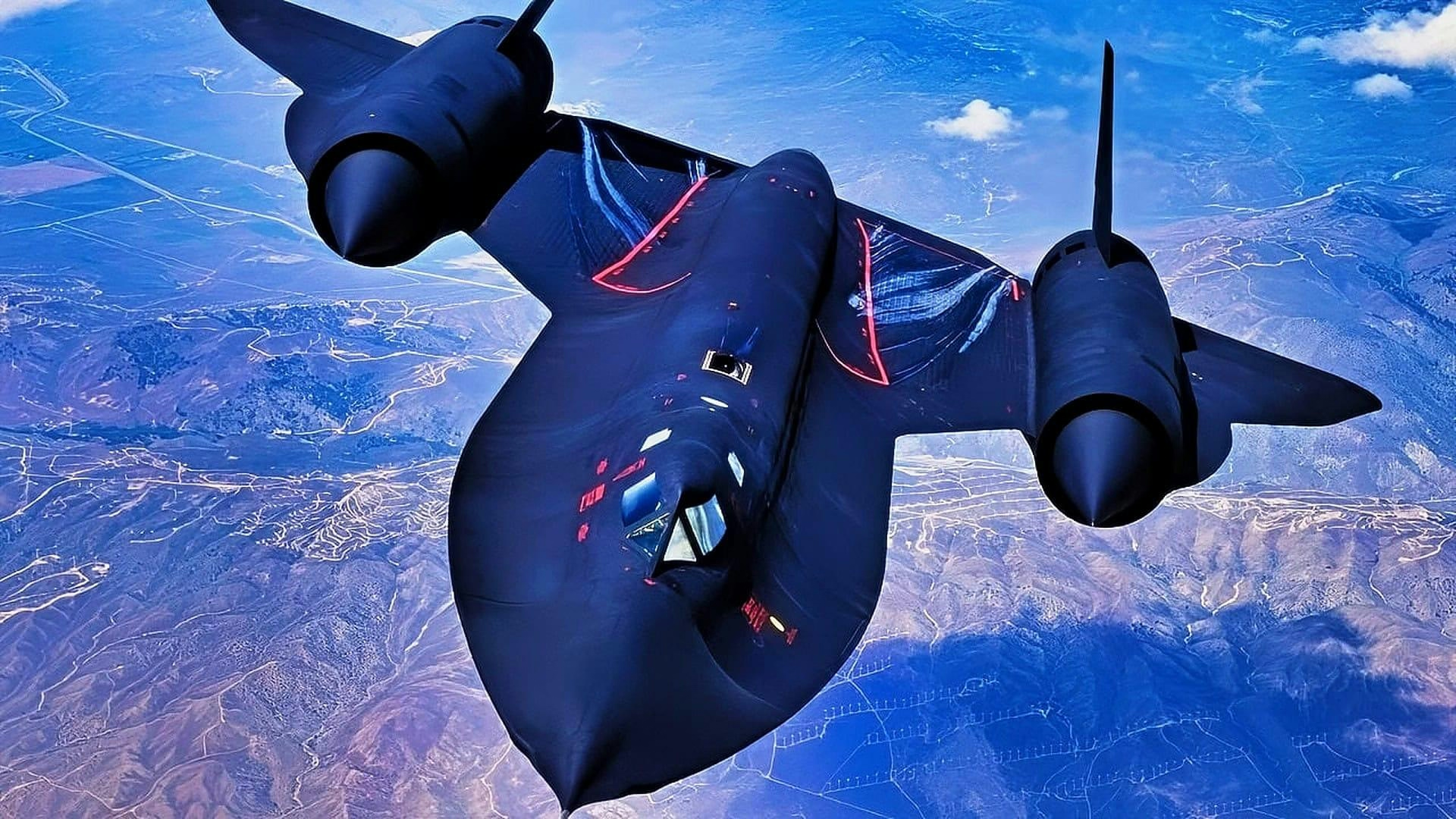
On April 26, 1971, an SR-71 Blackbird Flew Over 15,000 Miles in 10.5 Hours, Limited by Liquid Nitrogen Supply
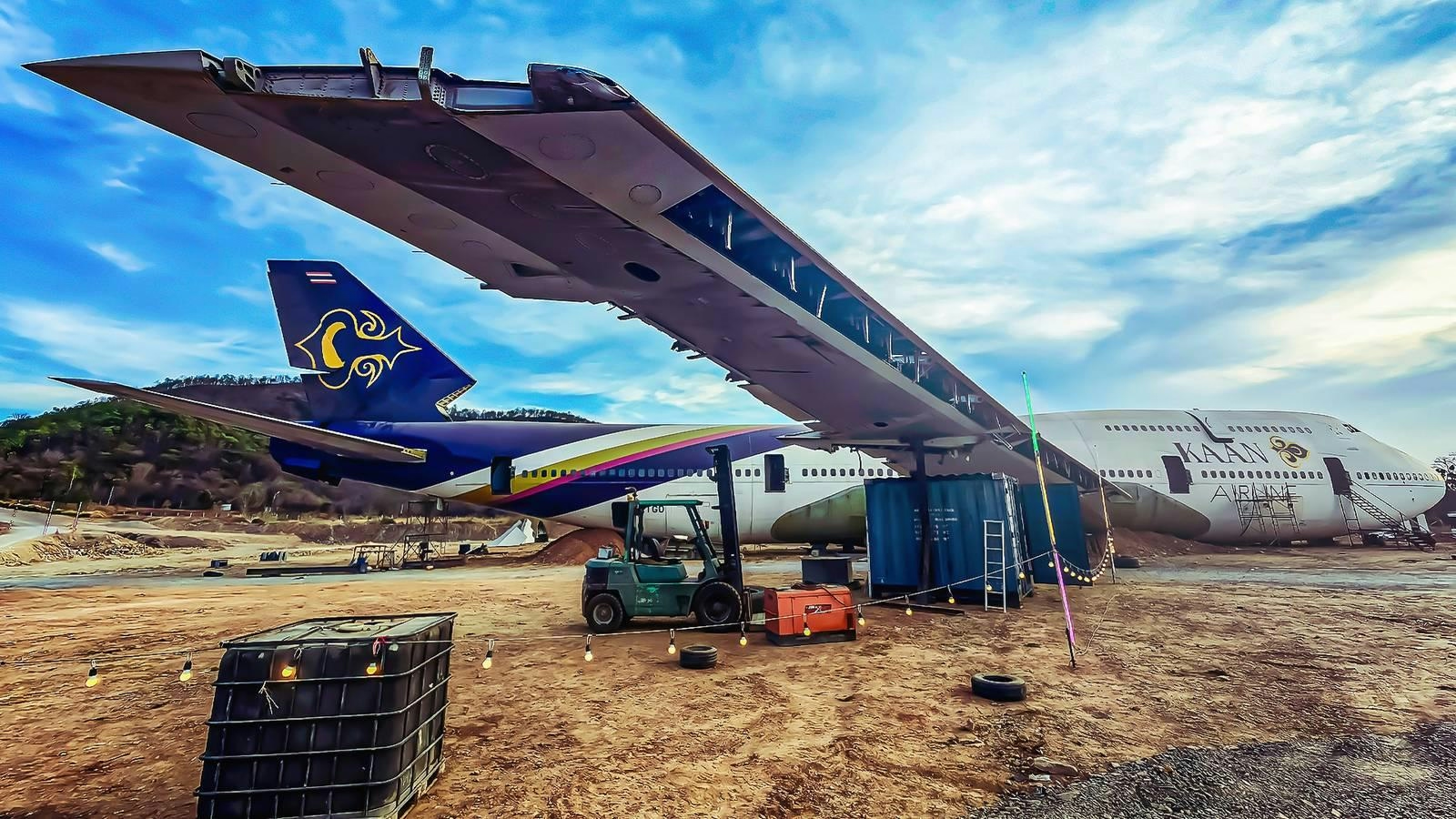
Boeing 747 Airframe Valued Less Than One Landing Gear Component
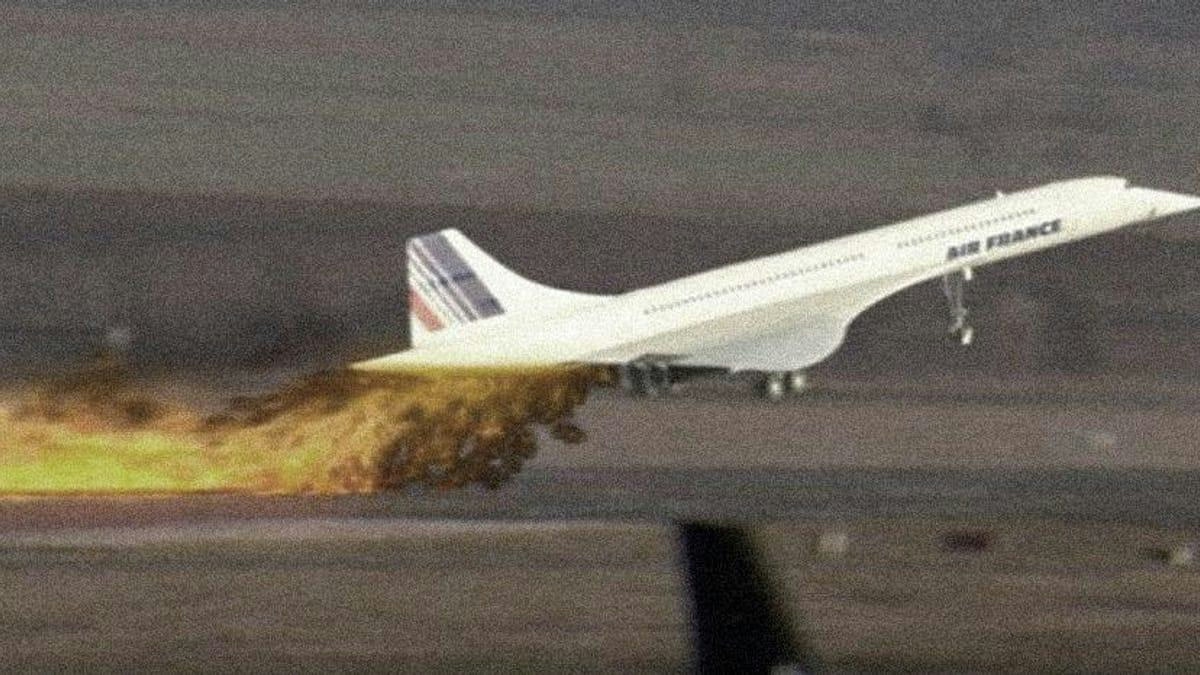
The Rear-Fan Engine Behind the Crash of the World's Fastest Airliner
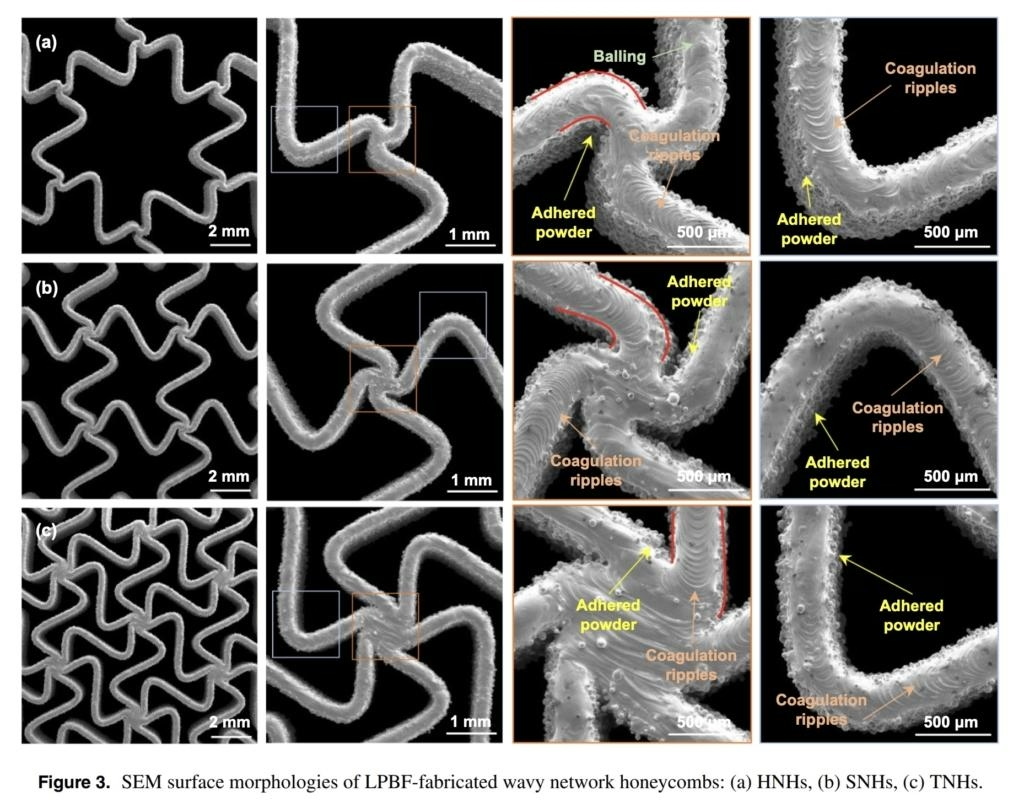
Morphing Aircraft Skin Improves Safety and Fuel Efficiency

BRICS Nations Commit to Enhanced Cooperation on Sustainable Transport and Green Aviation
CFM Turbine Upgrade Doubles LEAP Engine Service Life in Harsh Conditions
CFM Upgrade Doubles LEAP Engine Lifespan in Harsh Climates
