
Orquestre insights de IA em ações

Tendências
Categories
Outlook for Next-Generation Aircraft Propulsion Systems
Outlook for Next-Generation Aircraft Propulsion Systems
The global market for next-generation aircraft propulsion systems is on the cusp of substantial growth, with revenues expected to increase from USD 5.48 billion in 2025 to approximately USD 23.37 billion by 2035. This expansion corresponds to a robust compound annual growth rate (CAGR) of 15.61%, driven primarily by the aviation industry's commitment to developing cleaner, smarter, and more efficient propulsion technologies.
Market Overview
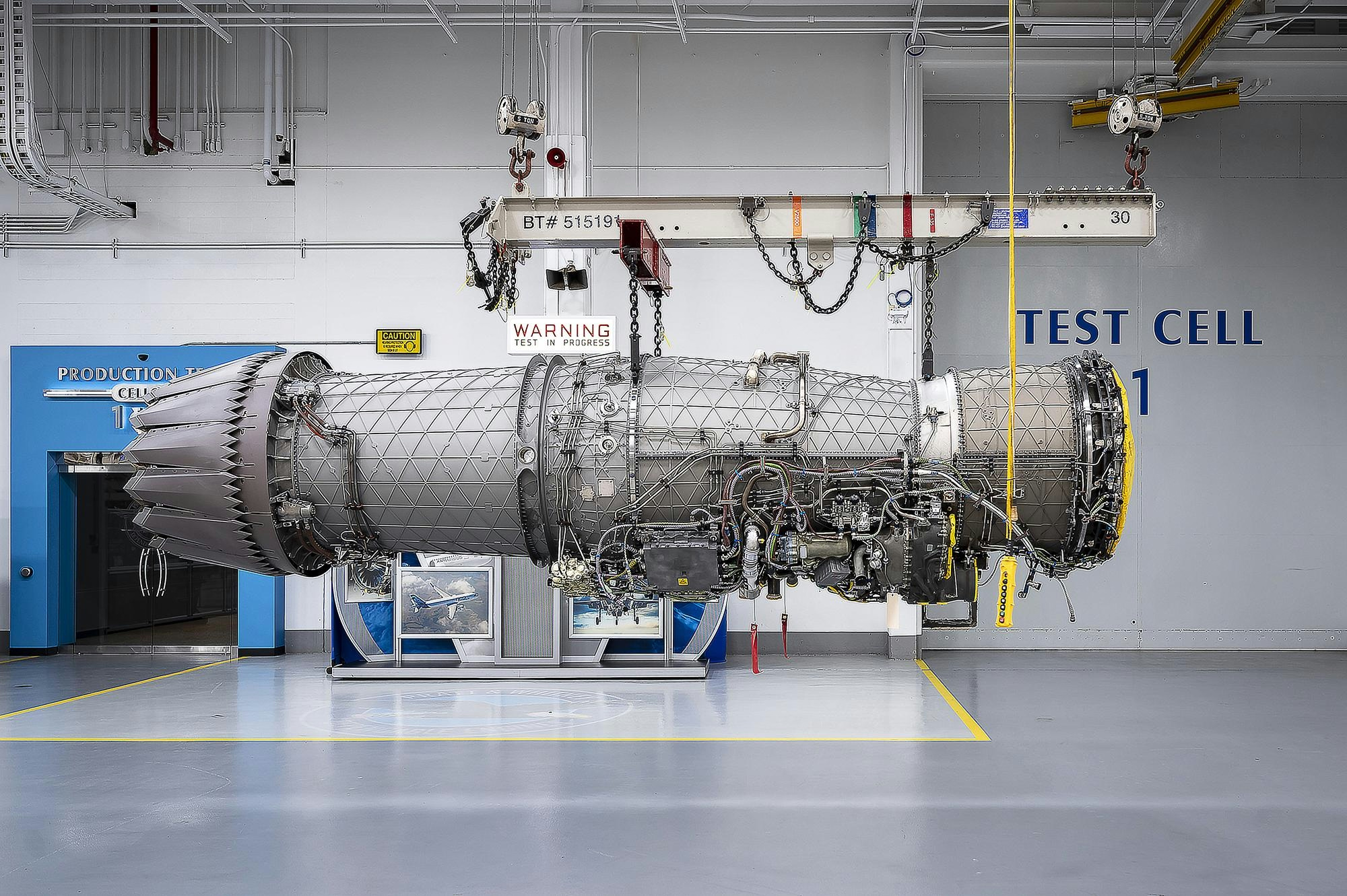
Next-generation propulsion technologies encompass a diverse range of innovations, including hybrid-electric and fully electric systems, hydrogen fuel propulsion, and advanced turbine designs. These advancements are supported by critical components such as energy storage solutions and power electronics. The market extends across commercial and military aircraft sectors, as well as emerging fields like advanced air mobility (AAM) and electric vertical takeoff and landing (eVTOL) vehicles. This broad scope reflects a clear industry shift toward sustainable and high-performance aviation.
The sector is evolving beyond traditional engine technologies, integrating electric powertrains, hydrogen fuel systems, and cutting-edge turbine advancements into both new aircraft models and retrofitted existing fleets. This comprehensive approach is evident across commercial airlines, defense applications, and the rapidly developing eVTOL industry, with efficiency and sustainability serving as central pillars of development strategies.
Key Growth Drivers
Major airlines are accelerating the adoption of next-generation propulsion systems. For example, American Airlines has committed to purchasing 100 hydrogen-electric engines from ZeroAvia for regional aircraft, aiming to achieve near-zero in-flight emissions. These engines are anticipated to enter service by the late 2020s, marking a significant transition from pilot projects to commercial viability.
Technological advancements are also shaping the future of aircraft propulsion. Manufacturers are designing fleets with advanced propulsion systems to enhance efficiency and reduce environmental impact. Airbus is developing single-aisle models that promise 20 to 30 percent improved fuel efficiency, hydrogen-compatible designs, and aerodynamic enhancements, targeting deployment by the late 2030s. Although widespread hydrogen adoption faces infrastructure challenges, demand for cleaner alternatives and hybrid technologies remains strong.
The propulsion market is experiencing renewed competition. Rolls-Royce is preparing to re-enter the narrow-body engine segment with its UltraFan 30, challenging the longstanding duopoly of CFM and Pratt & Whitney. Meanwhile, ITP Aero anticipates continued growth driven by commercial aerospace demand and new commitments to programs such as the EJ200 engine.
In addition, the advanced air mobility sector is approaching commercial launch, with eVTOL vehicles poised to replace helicopters in select roles. The drone market is also witnessing rapid innovation, with companies like HOBBYWING developing integrated propulsion solutions for multirotor and VTOL drones, thereby expanding the application of next-generation propulsion technologies.
Market Segmentation and Outlook
In 2025, conventional turbofan and turboprop engines maintained a dominant 58 percent market share, owing to their reliability and established maintenance practices. However, the market is rapidly diversifying as electrification and hydrogen propulsion gain traction, particularly for shorter routes and specialized applications.
The outlook for next-generation aircraft propulsion is multifaceted. Incremental efficiency improvements in established engines, growing electrification for regional and urban mobility, and the long-term potential of hydrogen propulsion collectively contribute to a dynamic and evolving market. As technological, regulatory, and infrastructure challenges are addressed, this sector is poised to play a pivotal role in shaping the future of sustainable aviation.

Etihad Airways Suspends Airbus A380 Flights on Key Route

Aditya Birla Group Seeks Approval for Aircraft Leasing in GIFT City

Qatar Airways Highlights Innovation and Connectivity at Arabian Travel Market 2026

Hong Kong's Five-Year Plan Includes Andrew Fan's Aircraft Parts Processing Hub Proposal

ACIA Aero Leasing Delivers ATR72-600 to Air Nostrum

RTX Appoints Jill Albertelli as Head of Pratt & Whitney

TAT Technologies Joins Beyond Aero Hydrogen Aircraft Program

AURAK Study Highlights Barriers to Air Taxi Adoption in Emerging Economies

Xiamen Air Selects Altitude for 787 Maintenance at Heathrow

Etihad and Swissport Extend Global Partnership
