
Orquestre insights de IA em ações

Tendências
Categories
Toyota-Backed Air Taxi Reaches 100 km/h Ahead of Commercial Launch
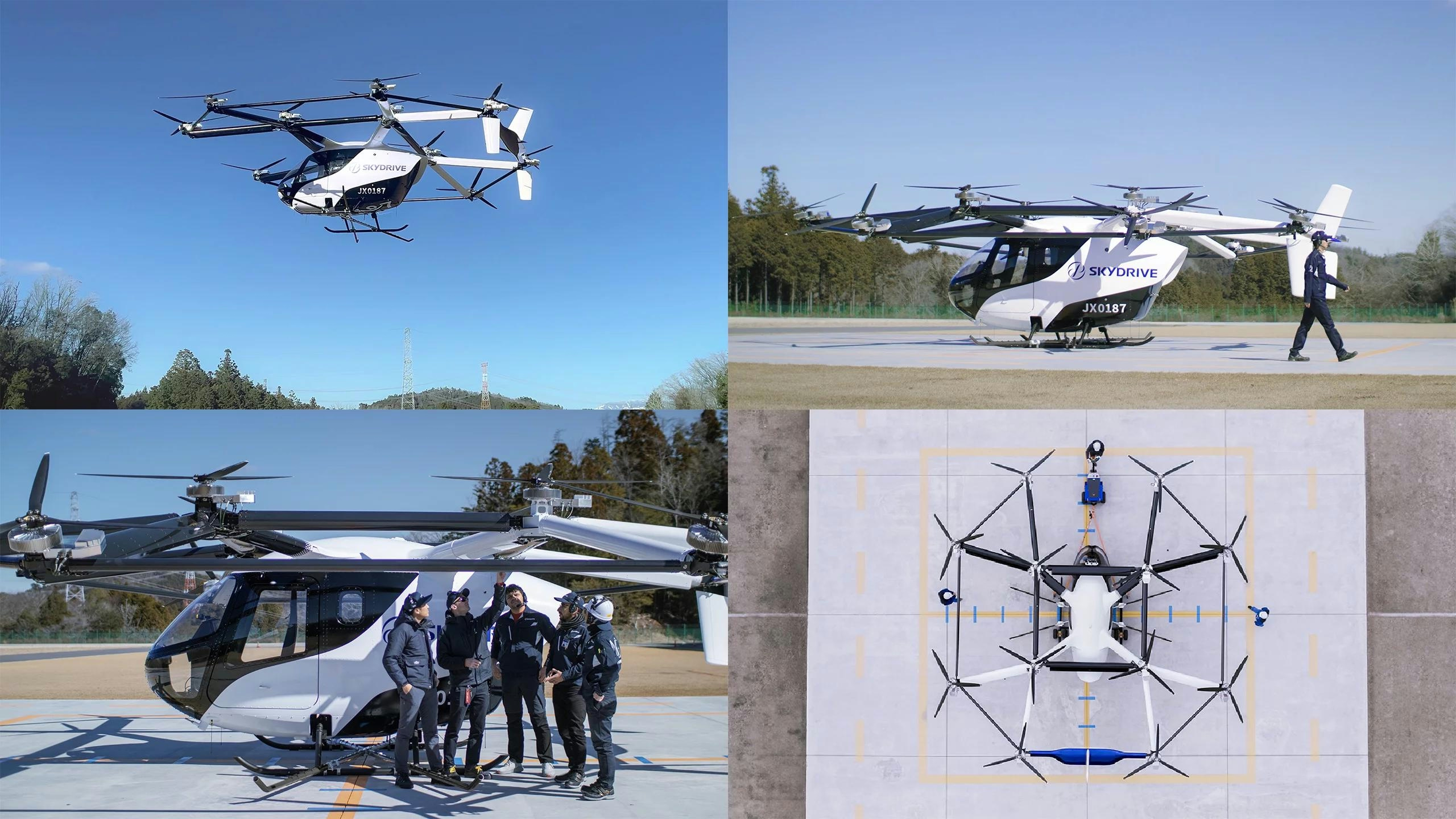
Toyota-Backed Air Taxi Reaches 100 km/h Ahead of Commercial Launch
Milestone Flight Validates Innovative Design
SkyDrive, a Toyota-backed urban air mobility (UAM) company, has successfully demonstrated stable flight at 100 km/h (62 mph) with its SD-05 multicopter. This achievement marks a critical advancement toward the vehicle’s commercial launch and regulatory certification. The SD-05’s wingless design, featuring 12 rotors, has proven capable of withstanding real-world aerodynamic forces, vibrations, and structural loads as anticipated by engineers. This validation is essential for progressing through Japan’s Civil Aviation Bureau (JCAB) certification process.
Unlike American competitors such as Joby Aviation and Archer, which employ tilting rotors and fixed wings to accommodate more passengers over longer distances, the SD-05 embraces a minimalist approach. It is designed to carry a pilot and two passengers on short urban trips, with a current range of approximately 15 km (9.3 miles) per battery charge. SkyDrive aims to extend this range to between 30 and 40 km (18.6–24.9 miles) as battery technology advances.
This streamlined architecture offers distinct advantages in dense urban environments, including flexible takeoff and landing capabilities and reduced maintenance costs compared to more mechanically complex alternatives. However, the absence of prior flight data for such a design means each test flight ventures into largely uncharted territory. SkyDrive reports that the recent high-speed test confirmed the flight characteristics and behavior aligned closely with predictions from the design and analysis phase, a crucial factor for regulatory approval.
Development Progress and Industry Context
The SD-05’s development has involved hundreds of test flights following the earlier SD-03 prototype. Independent evaluations of batteries, motors, and rotors have been conducted alongside aerodynamic testing in wind tunnels operated by Japan’s space agency, JAXA. This extensive data collection will underpin SkyDrive’s certification efforts in Japan and, eventually, with the U.S. Federal Aviation Administration (FAA).
The UAM sector is becoming increasingly competitive. SkyDrive’s closest philosophical counterpart is China’s EHang EH216-S, a two-seat autonomous multicopter already certified by Chinese authorities but currently limited to low-altitude sightseeing operations. Germany’s Volocopter is also targeting short urban routes, though its commercial rollout has been slower than anticipated. Meanwhile, U.S.-based Joby Aviation, which is also backed by Toyota, recently reached the 100 km/h milestone with its own air taxi but continues to face regulatory challenges, internal disputes, and legal conflicts with competitors such as Archer Aviation and Beta Technologies. Archer, which aims to begin commercial service this year, has experienced a significant decline in its share price over the past year, reflecting broader investor uncertainty in the sector.
Government initiatives, including the Trump administration’s eVTOL Integration Pilot Program, have played a pivotal role in supporting the development and integration of electric air taxis into national airspace. For SkyDrive, the recent high-speed flight represents more than a technical milestone; it is a vital step toward regulatory approval and a potential competitive advantage in the race to launch commercial urban air taxi services by 2028.
PD-8 Engine Encounters Corrosion Issues from Saltwater Exposure

Weekly Summary: August Deliveries, Year-to-Date Orders, and 4.1 Million Share Buyback
Linking Ireland’s Aircraft Leasing Industry to Elite Football
Airbus A380 at Tarbes Yields Over 90% of Parts for Active Fleets Through Careful Dismantling
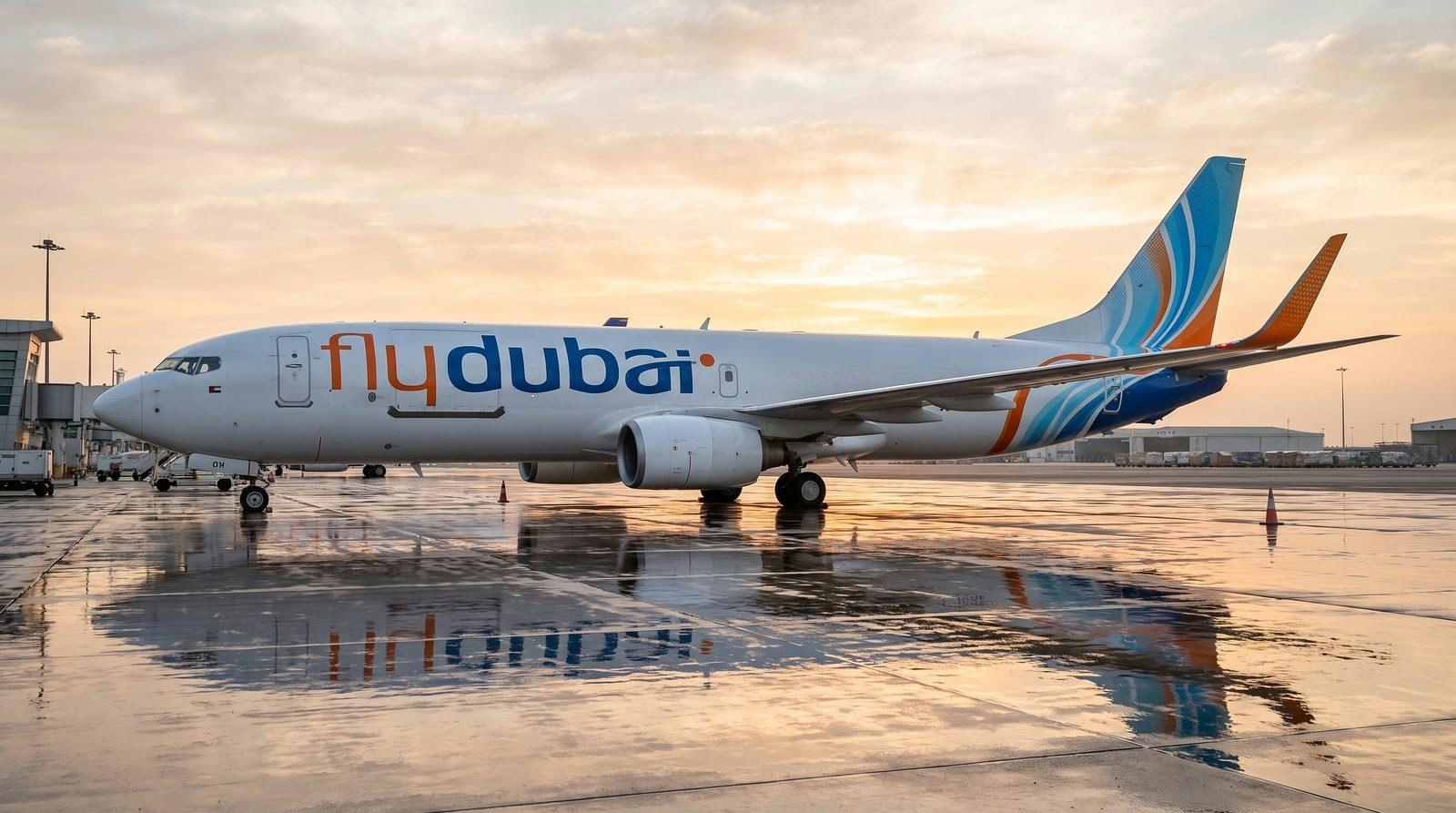
flydubai Begins Dedicated Freighter Operations with Three Leased 737-800s
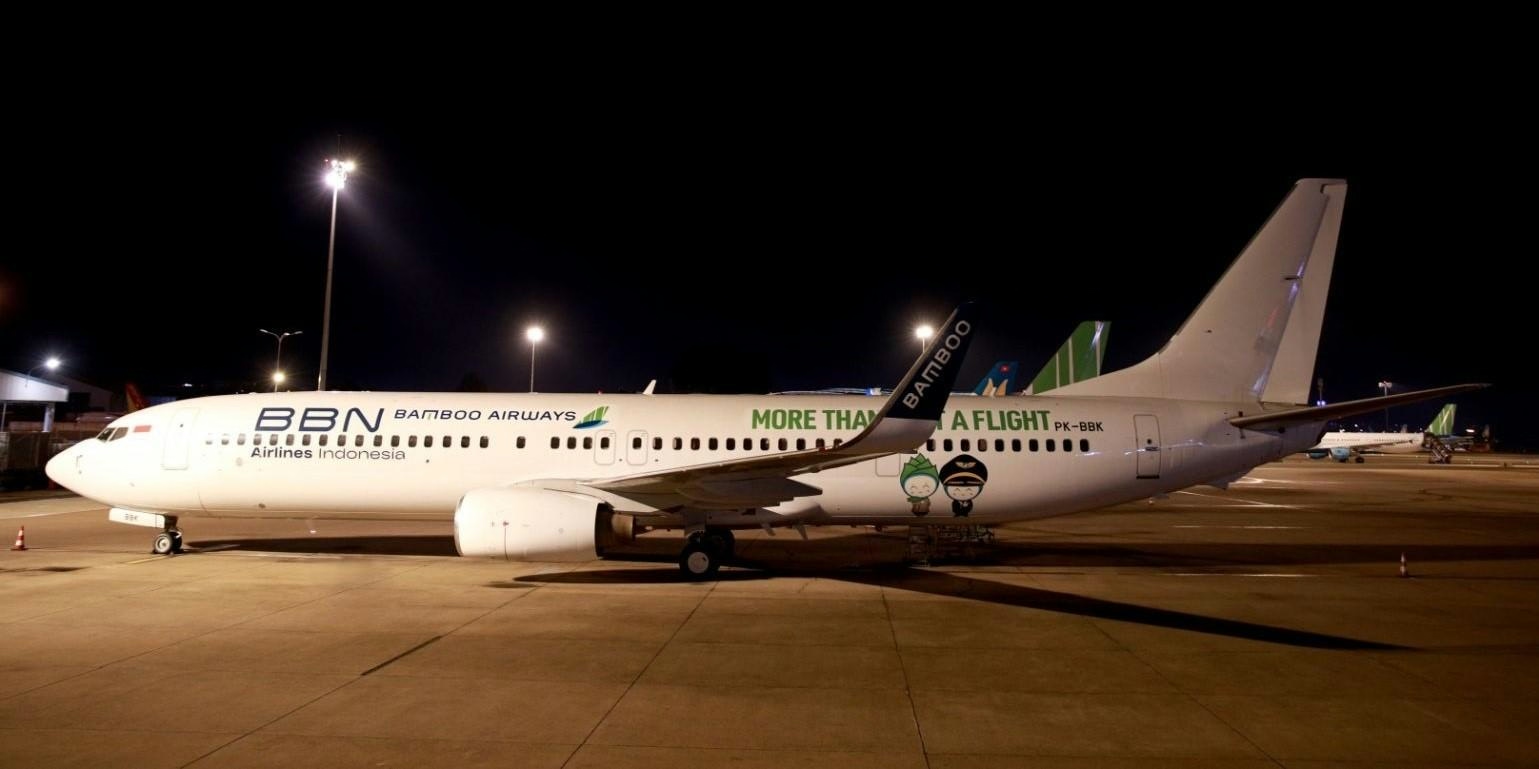
BBN Airlines Becomes IATA Member
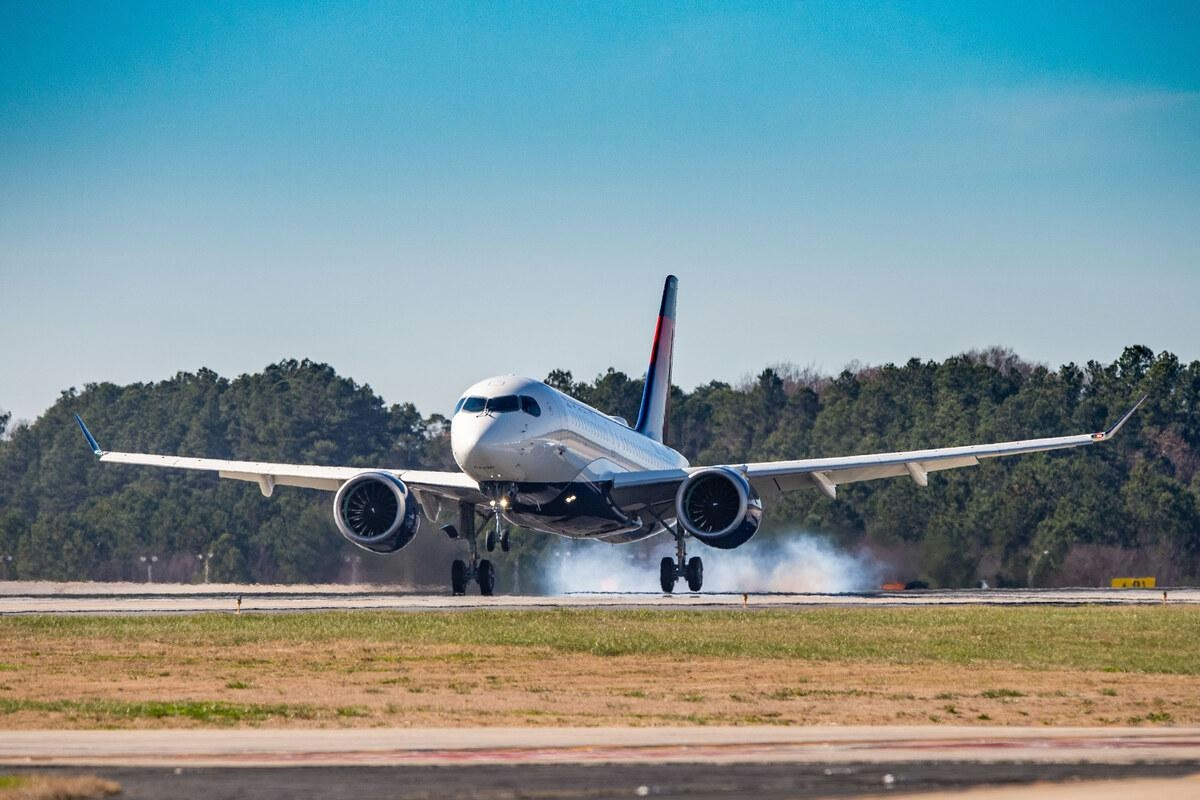
FAA Orders Breeze Airways and Delta to Inspect Airbus A220 Fuel Hoses

Philippine Aviation Navigates Expansion and Costs Amid Fuel Price Volatility
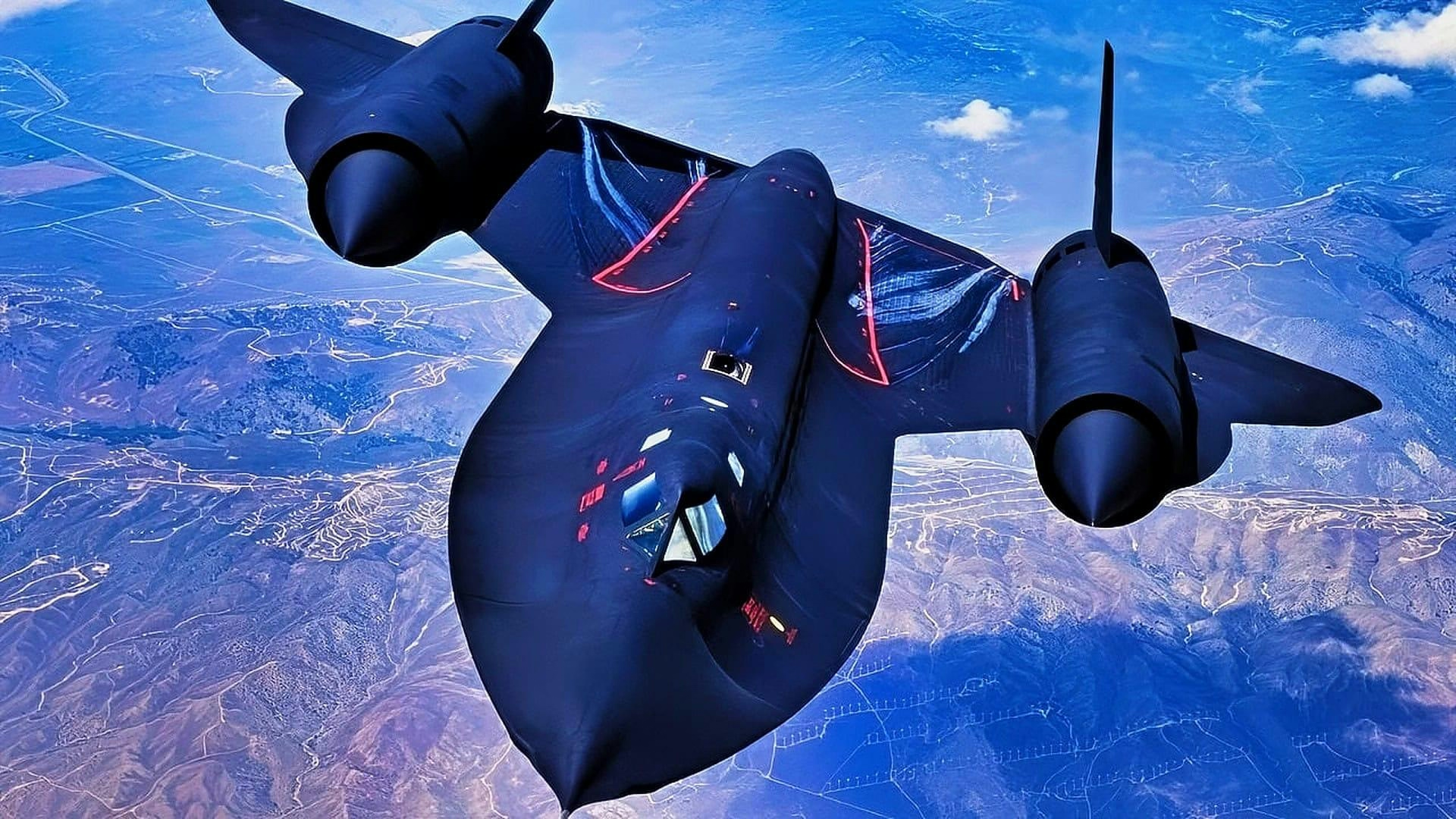
On April 26, 1971, an SR-71 Blackbird Flew Over 15,000 Miles in 10.5 Hours, Limited by Liquid Nitrogen Supply
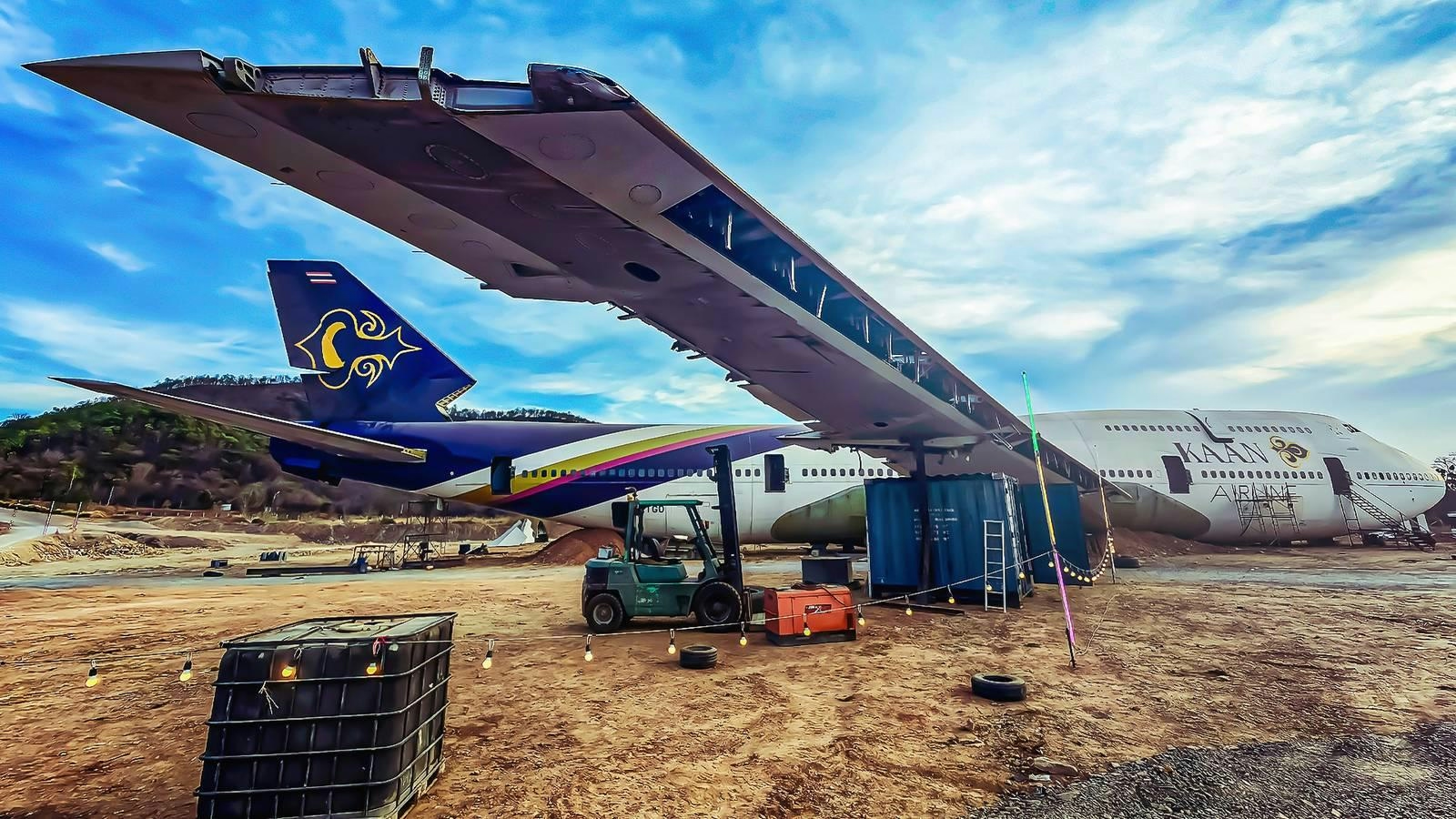
Boeing 747 Airframe Valued Less Than One Landing Gear Component
