
Orquestre insights de IA em ações

Tendências
Categories
Why Aircraft Engines Lack Screens or Grills
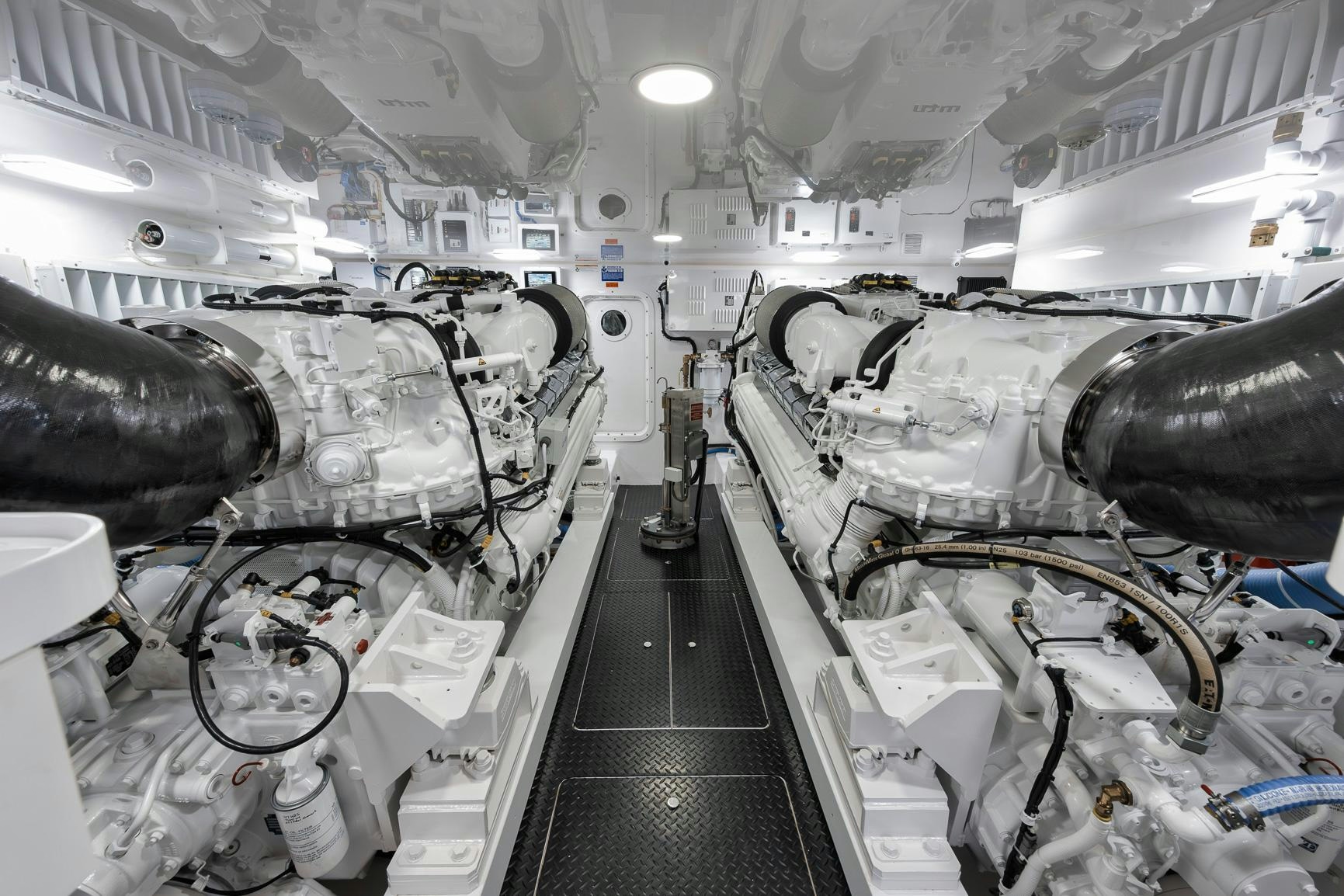
Why Aircraft Engines Lack Screens or Grills
The absence of protective screens or grills on commercial aircraft engines may appear counterintuitive given the clear risks posed by birds, debris, and other foreign objects. However, this design choice is the result of careful consideration of safety, aerodynamic efficiency, and operational practicality within the aviation industry.
Prioritizing Airflow Efficiency and Engine Safety
Modern jet engines, especially high-bypass turbofans, are meticulously engineered to draw in vast quantities of air—often hundreds of kilograms per second—with minimal disruption. Any obstruction, including a seemingly minor grill or screen, would interfere with this delicate airflow, potentially reducing engine efficiency and increasing fuel consumption. More critically, such interference could induce compressor stalls or surges, jeopardizing engine performance and safety. Maintaining unobstructed, laminar airflow is therefore paramount.
While foreign object damage (FOD) remains a recognized hazard, jet engines are rigorously certified to withstand bird strikes and small debris without catastrophic failure. Introducing a screen or grill could paradoxically increase risk: upon impact, fragments of the protective structure might break off and be ingested by the engine, causing more severe damage than the original object. This potential for secondary damage has led manufacturers to avoid such protective barriers.
Operational and Maintenance Considerations
Although permanent screens are absent, temporary protective measures are employed in specific contexts. During ground testing, engines may be fitted with screens, and intake covers are commonly used when aircraft are parked to prevent the ingress of ice, snow, or debris. In environments with high dust or sand concentrations, such as desert operations, helicopters often utilize screens or air particle separators to safeguard their turbines.
Weight considerations also play a significant role. Even lightweight protective structures add mass, which negatively impacts fuel efficiency, range, and payload capacity. Over the lifespan of an aircraft, these incremental increases in fuel consumption translate into substantial operational costs and elevated emissions—factors the industry actively seeks to minimize.
Maintenance challenges further discourage the use of grills. Jet engines operate under extreme conditions, including rapid temperature fluctuations and exposure to moisture and contaminants. A screen would require frequent inspection and cleaning to prevent blockages caused by ice, dust, or residue. Ice accumulation, in particular, could obstruct airflow or create dangerous imbalances, compromising engine reliability and safety.
Industry Challenges and Mitigation Efforts
The aviation sector continues to grapple with technical and operational challenges that underscore the importance of design decisions prioritizing efficiency and reliability. Airbus, for instance, is currently managing a software recall affecting approximately 6,000 A320 family aircraft alongside a quality issue involving metal panels on certain models. These developments have prompted notable market reactions, including a decline in Airbus’s stock value. The company is collaborating closely with airline customers and engine supplier Pratt & Whitney to address cold-weather takeoff restrictions. The heavy dependence on the A320 model has also been identified as a risk factor amid fluctuating delivery targets and financial forecasts.
Airports contribute significantly to mitigating foreign object damage risks through rigorous runway inspections, debris removal protocols, and comprehensive staff training. These measures help maintain clear runways and taxiways, reducing the likelihood of engine ingestion incidents.
The deliberate omission of screens or grills on commercial jet engines reflects a nuanced balance of aerodynamic performance, safety imperatives, weight management, and maintenance practicality. This design philosophy remains integral to the continued pursuit of safe and efficient air travel.
Seven Aircraft Poised to Transform Aviation by 2035
Why Widebody Pilots Lose Speed Authority Over Oceanic Airspace
Antonov An-22: The Largest Turboprop Ever Built
Centre Approves Aviation University Expansion, Directs UP Government to Provide Land
Delta 737-900ER Returns to Atlanta After Engine Issue

Demand for Widebody Aircraft Increases

The Dawn of Aviation Over Madras

Delta Air Lines CEO Says AI Could Boost Profits by 50%
Aircraft Engine Company Leases Miami-Dade Headquarters Amid Industrial Growth

Adobe Warns AI-Driven Trip Planning Challenges Travel Sites
