
KI-Erkenntnisse in konkrete Maßnahmen überführen

Trends
Categories
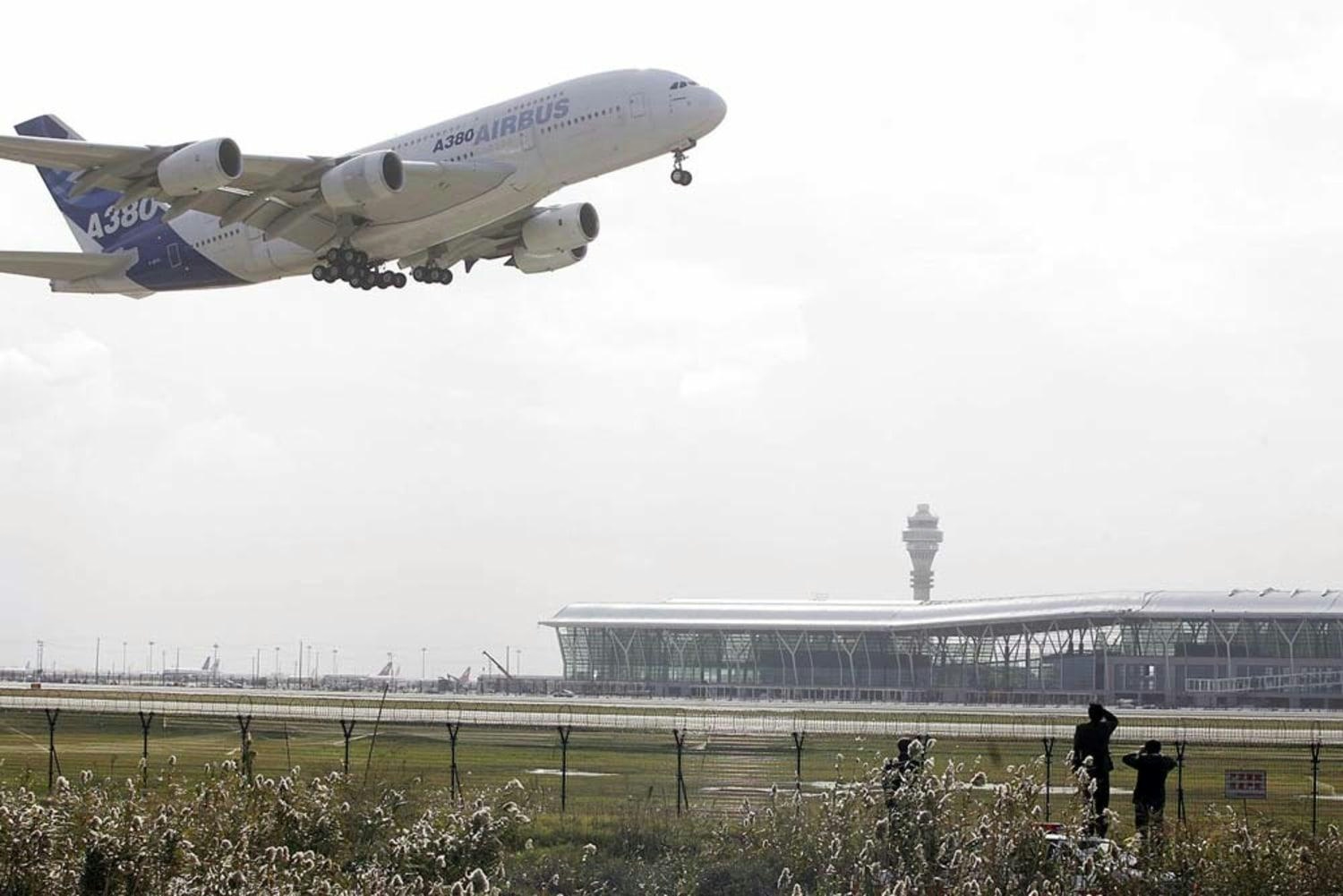
A380 Flight to China Delayed by 10 Hours
A380 Flight to China Delayed by 10 Hours
Arrival of the A380 at Hangzhou and Unexpected Diversion
The recent arrival of the Emirates Airbus A380 at Hangzhou Xiaoshan International Airport marked a significant milestone for Chinese airports seeking to enhance their global standing. The widebody jet, a rare sight for local aviation enthusiasts accustomed to smaller aircraft, was originally scheduled to land at Shanghai Pudong International Airport after a seven-hour flight from Dubai. However, severe thunderstorms rendered descent into Shanghai unsafe, forcing Emirates Flight EK302, carrying 373 passengers, to divert to Hangzhou instead.
Upon arrival, the aircraft remained on the tarmac for an extended period, resulting in passengers spending a total of 17 hours on board, including a 10-hour delay in Hangzhou—longer than the flight itself. The diversion and prolonged wait transformed what should have been a celebratory event into a logistical challenge for both the airline and the airport.
Operational Challenges and Passenger Experience
Initially, the Emirates crew anticipated a brief delay and did not request that Hangzhou airport initiate immigration procedures for disembarking passengers. As the delay extended, the crew exceeded their permitted duty hours, preventing passengers from leaving the aircraft until local authorities intervened. Reports from Shanghai media, citing passenger accounts, described the situation as a logistical nightmare that caused significant operational losses and damaged the airport’s reputation.
Despite the frustration, many passengers acknowledged Emirates’ prioritization of safety throughout the ordeal. This response suggests that the airline’s loyal customer base may view the incident with understanding, even as competitors may seize the opportunity to emphasize their own reliability and customer service in contrast to Emirates’ operational difficulties.
Broader Implications for Aviation
The incident highlights ongoing challenges within the aviation industry, particularly the disruptive impact of severe weather and the complexities involved in managing international arrivals at secondary airports. Such disruptions can have cascading effects on flight schedules and operational planning, prompting airlines to reevaluate their contingency strategies and communication protocols.
Beyond immediate operational concerns, the delay also reflects broader issues confronting global aviation, including sustainability initiatives and the influence of geopolitical factors on route planning and airport operations. As airlines and airports strive to expand international connectivity, incidents like the Hangzhou A380 delay underscore the delicate balance required to maintain operational resilience amid an increasingly complex global environment.
While Hangzhou’s brief moment in the aviation spotlight was overshadowed by unforeseen complications, the episode serves as a reminder of the realities of modern air travel and the ongoing efforts by industry stakeholders to adapt to evolving challenges.

Etihad and Swissport Extend Global Partnership

Sepehran Airlines B737 Returns to Mashhad After Tyre and Engine Issues

Etihad Deploys Widebody Fleet to Meet Strong Demand

Korean Air Finalizes $36.2 Billion Deal with Boeing

Australia’s RFDS Queensland Section Orders Six King Air 260Cs

Korean Air Finalizes Order for 103 Boeing Jets and Engines

Embraer E195-E2 Features Distinctive Engine Placement Among Regional Jets

What Passengers Can Expect on Boeing’s New 777X Jet

How Ethiopian Airlines Became Africa’s Leading Carrier Amid Gulf Competition

Joby Aviation Extends Autonomous Flight Capabilities with Cross-Country Tour
