
KI-Erkenntnisse in konkrete Maßnahmen überführen

Trends
Categories
African Airlines Warn of Growing Supply Chain Challenges
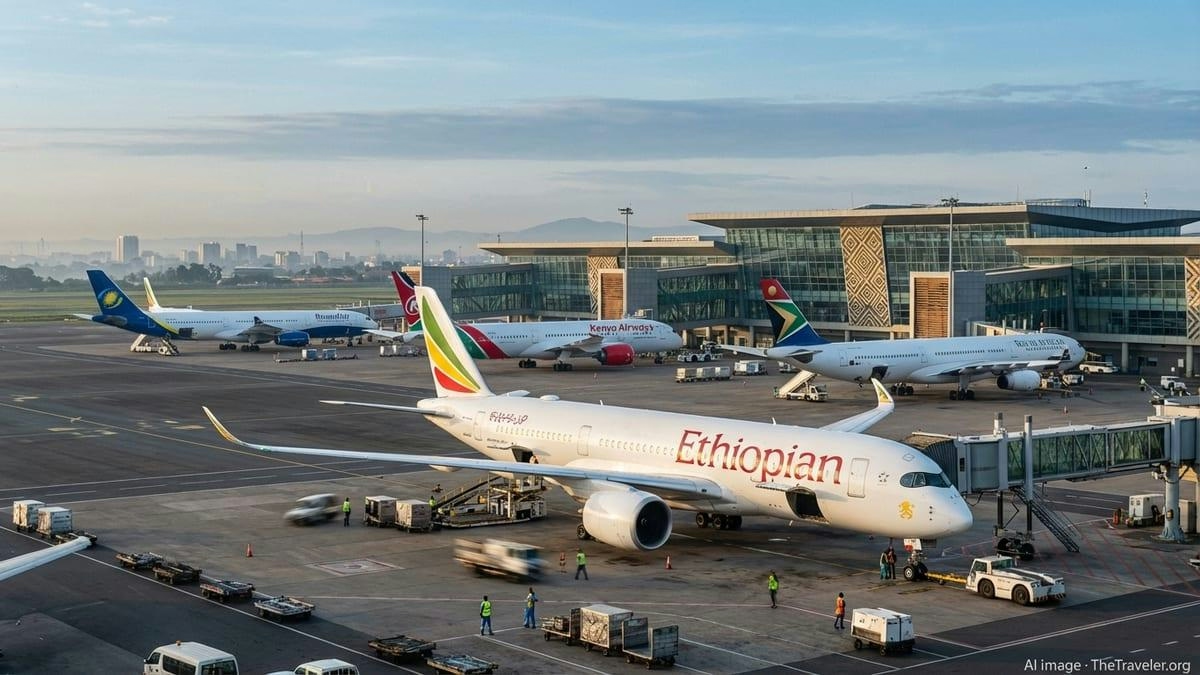
African Airlines Warn of Growing Supply Chain Challenges
African airlines are raising urgent alarms over a convergence of supply chain disruptions that threaten to undermine the continent’s aviation recovery. A combination of jet fuel volatility, shortages of aircraft parts, and ongoing geopolitical tensions is placing significant pressure on regional air connectivity and trade. Industry leaders and analysts warn that these challenges could lead to route reductions, increased airfares, and a slowdown in the sector’s rebound, even as global air traffic surpasses pre-pandemic levels.
Fuel Market Volatility and Its Impact on Air Connectivity
The recent instability in global oil markets is having a pronounced effect on African aviation. Heightened tensions involving Iran and disruptions near the Strait of Hormuz have driven crude oil prices upward, tightening supplies of refined jet fuel essential to African hubs that depend heavily on imports. Reports from Nairobi and other key regional centers reveal that airlines are now operating with shorter planning horizons for fuel procurement, with some airports maintaining only minimal stock reserves.
Carriers with limited capacity to hedge fuel costs and those operating in countries with weaker local currencies face heightened vulnerability. These airlines must purchase fuel in US dollars while generating most of their revenue in local currencies, exposing them to significant financial risk. Kenya, home to the critical Jomo Kenyatta International Airport, is particularly susceptible. Local media have highlighted concerns that a tightening jet fuel supply could disrupt services during peak tourism and business travel seasons, potentially affecting connectivity across Africa and beyond.
In response, airlines and airport operators have implemented contingency measures, including increased fuel uplift at alternative airports, tactical schedule adjustments, and enhanced coordination with suppliers. Nevertheless, industry observers caution that if geopolitical tensions persist into 2026, African carriers may struggle to protect passengers from network disruptions and fare increases.
Aircraft Parts Shortages and Operational Strain
In addition to fuel challenges, persistent shortages of aircraft spare parts and limited maintenance capacity are emerging as critical obstacles. Analyses from the International Airlines Technical Pool (IATP) and the International Air Transport Association (IATA) indicate that African airlines are experiencing extended turnaround times, material scarcities, and constrained engine shop availability. These difficulties stem from global supply chain disruptions initiated during the pandemic and exacerbated by ongoing geopolitical instability, resulting in delayed deliveries of engines, components, and avionics.
Kenya Airways exemplifies the operational and financial pressures these issues impose. The airline’s 2025 financial disclosures reveal that several widebody aircraft have been grounded for prolonged periods due to delayed engine overhauls and parts shortages. These groundings, combined with rising maintenance costs, have contributed to renewed financial losses despite robust demand. Similar challenges are reported across the continent, with other carriers forced to postpone fleet expansions or refurbishments as manufacturers and maintenance providers contend with significant backlogs.
African operators frequently find themselves at a disadvantage compared to larger global airlines, which benefit from greater bargaining power and higher-volume orders. The slow production of widebody freighters and a backlog of aircraft orders continue to constrain capacity and growth within the region’s air cargo sector.
Wider Economic Implications
The supply chain disruptions extend beyond airline operations, with rising costs for transport, energy, and raw materials—aggravated by geopolitical instability in key trade corridors such as the Middle East—expected to further strain airline finances. These pressures may also contribute to increased prices for consumer goods across Africa.
As airlines, industry groups, and regulators pursue collaborative solutions, the outlook remains uncertain. Without significant improvements in supply chain resilience, African aviation faces a prolonged period of operational vulnerability and constrained growth.

Etihad Airways Suspends Airbus A380 Flights on Key Route

Aditya Birla Group Seeks Approval for Aircraft Leasing in GIFT City

Qatar Airways Highlights Innovation and Connectivity at Arabian Travel Market 2026

Hong Kong's Five-Year Plan Includes Andrew Fan's Aircraft Parts Processing Hub Proposal

ACIA Aero Leasing Delivers ATR72-600 to Air Nostrum

RTX Appoints Jill Albertelli as Head of Pratt & Whitney

TAT Technologies Joins Beyond Aero Hydrogen Aircraft Program

AURAK Study Highlights Barriers to Air Taxi Adoption in Emerging Economies

Xiamen Air Selects Altitude for 787 Maintenance at Heathrow

Etihad and Swissport Extend Global Partnership
