
KI-Erkenntnisse in konkrete Maßnahmen überführen

Trends
Categories
Aircraft Fuel Control Systems: The Technology Optimizing Modern Aviation Efficiency
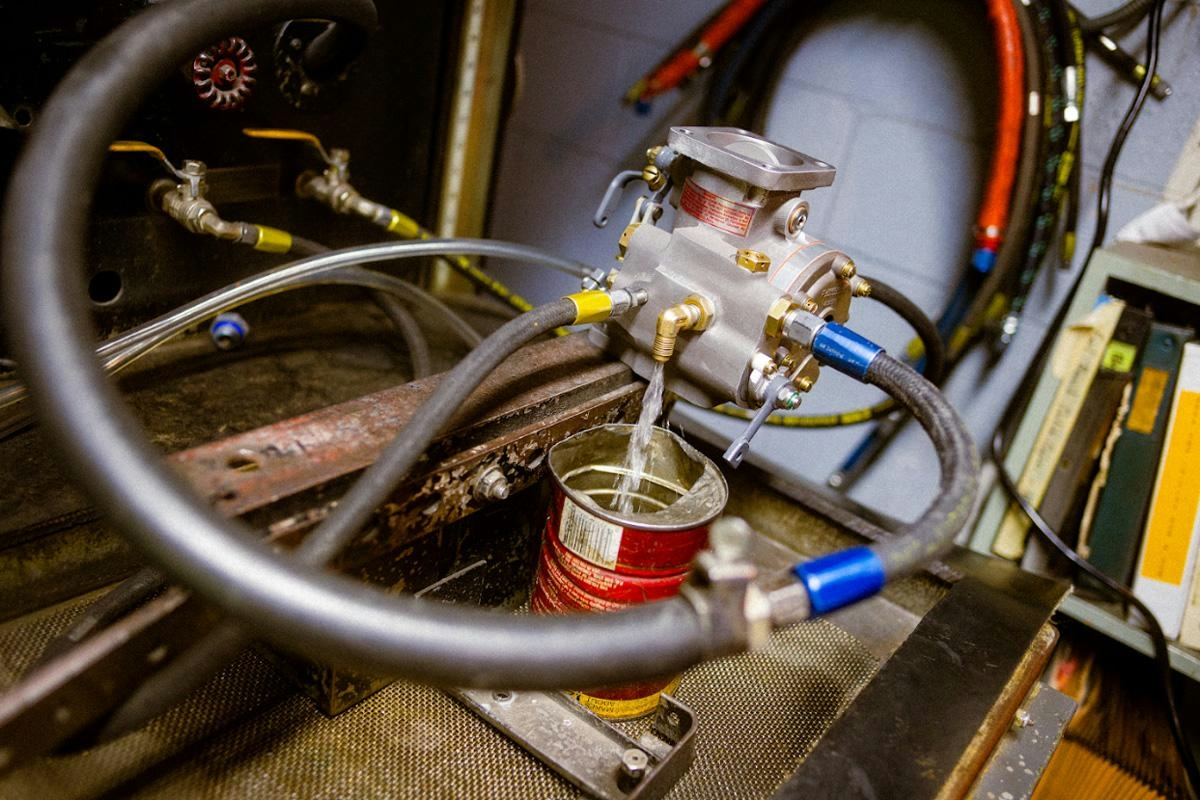
Aircraft Fuel Control Systems: The Technology Optimizing Modern Aviation Efficiency
Fuel efficiency remains a paramount concern in contemporary aviation, prompting airlines, manufacturers, and engineers to develop innovative technologies that reduce consumption, enhance engine performance, and lower operational costs. At the heart of these advancements lie sophisticated aircraft fuel control systems, which precisely regulate fuel delivery to engines, ensuring optimal operation throughout all phases of flight.
Understanding Aircraft Fuel Control Systems
Aircraft fuel control systems are complex assemblies responsible for managing the storage, measurement, delivery, and consumption of fuel. Their primary functions include regulating fuel flow, maintaining engine efficiency, monitoring fuel usage, and enabling real-time adjustments to engine performance. Modern systems combine mechanical components, sensors, electronic controls, and advanced software to optimize fuel delivery and adapt dynamically to changing flight conditions.
Precise fuel management is critical for aircraft engines. An excess of fuel compromises efficiency, while insufficient fuel can degrade engine performance. Fuel control systems continuously modulate fuel delivery based on variables such as engine speed, altitude, air pressure, temperature, and overall flight conditions. This dynamic regulation enhances both operational performance and fuel economy.
Key components of these systems include fuel pumps, which transfer fuel from storage tanks to engines at required pressures; fuel control units that regulate flow according to engine demands; fuel sensors providing real-time data on quantity, temperature, pressure, and consumption; and electronic engine control systems that employ digital controls to automatically optimize engine operation.
Applications Across the Aviation Sector
Fuel control systems play a vital role across various segments of aviation. In commercial aircraft, efficient fuel management reduces operating costs and extends flight range. Military aircraft benefit from precise fuel control to support high-performance maneuvers and prolonged missions. Business jets also rely on these systems to optimize fuel consumption, thereby lowering costs and improving efficiency.
Digital Advancements and Operational Challenges
The evolution of fuel control systems increasingly incorporates digital technologies that monitor engine performance, analyze consumption patterns, detect anomalies, and facilitate maintenance planning. Maintenance personnel now have access to detailed diagnostics and performance data through digital interfaces, enhancing the ability to maintain system reliability.
Despite these advancements, fuel control systems must operate reliably under extreme environmental conditions, including wide temperature ranges and potential fuel contamination. They must also withstand mechanical and electronic failures. Consequently, rigorous inspections and advanced monitoring techniques are essential to ensure consistent performance and safety.
The Transition to Sustainable Aviation Fuel
The shift toward sustainable aviation fuel (SAF) introduces new complexities for fuel control systems. For fuel cell technologies to be viable, they must achieve a power-to-weight ratio of at least 2 kW/kg. The competitiveness of SAF is influenced by geopolitical instability in global oil markets, which both underscores the necessity of alternative fuels and introduces market volatility. In Europe, significant investments—such as a €350 million grant supporting eSAF projects—are accelerating the development of sustainable fuels, while additive manufacturing is enabling the production of lighter, high-performance components.
However, regulatory frameworks, particularly within the European Union, risk making SAF production both costly and energy-intensive, complicating efforts to advance green initiatives, especially in the business aviation sector. Meanwhile, the aircraft engine trading market faces potential corrections as supply chains adjust to an influx of assets amid ongoing market volatility.
Emerging Trends and the Future of Fuel Control Technology
Looking forward, fuel control technology is expected to undergo further transformation. Artificial intelligence promises to enhance efficiency by analyzing real-time flight and engine data for optimized fuel management. Systems will need to adapt to new fuel types and technologies, including sustainable fuels. The integration of advanced sensors will provide deeper insights into fuel performance, while the trend toward more-electric aircraft designs will rely increasingly on digital fuel management architectures.
As the aviation industry grapples with rising fuel costs, environmental imperatives, and evolving regulatory demands, efficient fuel control systems will remain central to achieving lower operating costs, improved performance, and reduced environmental impact. These technologies are poised to shape the next era of aviation efficiency.

Etihad Airways Suspends Airbus A380 Flights on Key Route

Aditya Birla Group Seeks Approval for Aircraft Leasing in GIFT City

Qatar Airways Highlights Innovation and Connectivity at Arabian Travel Market 2026

Hong Kong's Five-Year Plan Includes Andrew Fan's Aircraft Parts Processing Hub Proposal

ACIA Aero Leasing Delivers ATR72-600 to Air Nostrum

RTX Appoints Jill Albertelli as Head of Pratt & Whitney

TAT Technologies Joins Beyond Aero Hydrogen Aircraft Program

AURAK Study Highlights Barriers to Air Taxi Adoption in Emerging Economies

Xiamen Air Selects Altitude for 787 Maintenance at Heathrow

Etihad and Swissport Extend Global Partnership
