
KI-Erkenntnisse in konkrete Maßnahmen überführen

Trends
Categories
American Airlines Collaborates with FAA, DFW Airport, and Major Carriers to Enhance AI Safety in Aviation
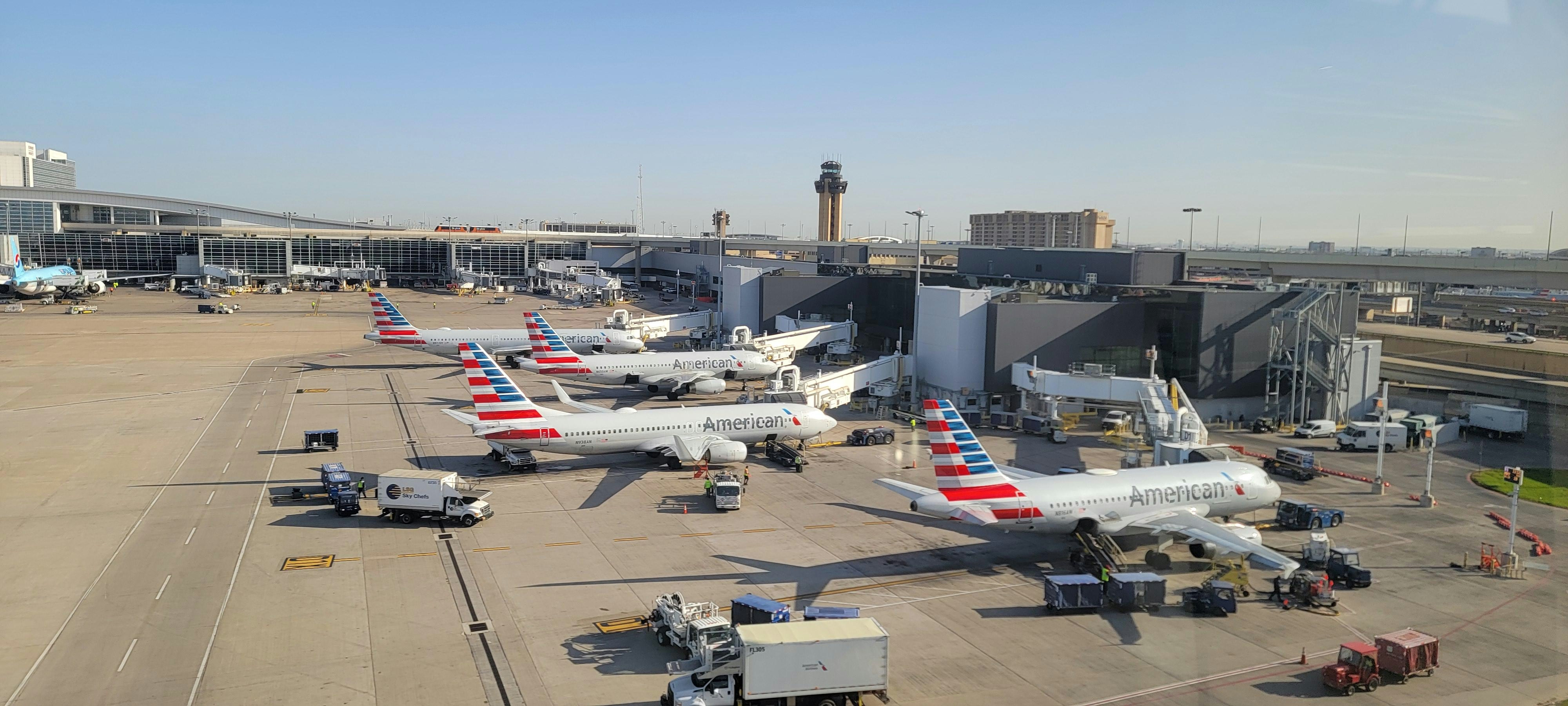
American Airlines Collaborates with FAA, DFW Airport, and Major Carriers to Enhance AI Safety in Aviation
American Airlines has entered into a significant partnership with Delta Air Lines, United Airlines, Southwest Airlines, the Federal Aviation Administration (FAA), and Dallas Fort Worth International Airport (DFW) to advance aviation safety through the integration of artificial intelligence (AI) and sophisticated data-sharing technologies. This collaborative effort seeks to revolutionize the air travel experience by improving flight reliability, reducing delays, and reinforcing safety protocols for millions of passengers worldwide.
Leveraging AI to Transform Aviation Safety and Efficiency
The aviation industry is increasingly harnessing AI to predict maintenance requirements, streamline air traffic control, and anticipate weather disruptions. These technological advancements promise to deliver smoother and more efficient flights, thereby enhancing traveler confidence amid the resurgence of global tourism. By optimizing operational efficiency, the participating airlines aim not only to elevate safety standards but also to promote more sustainable and cost-effective travel. This initiative represents a notable development for both the airline and hospitality sectors, as it aligns with broader efforts to modernize and future-proof air travel.
Regulatory and Market Challenges
Despite the promising potential of AI-driven safety measures, the initiative faces several challenges. Regulatory oversight remains a critical concern, particularly as the FAA has recently imposed limits on flight arrivals at major airports such as San Francisco and Chicago due to safety considerations. These restrictions could complicate coordination among carriers and regulatory agencies, potentially causing operational disruptions. Furthermore, the partnership may encounter resistance from other airlines if it is perceived to disproportionately benefit American Airlines.
Market dynamics also present complexities. The Department of Transportation’s Office of Aviation Consumer Protection is expected to closely monitor the collaboration, with the possibility of antitrust scrutiny should the partnership be viewed as consolidating market power among the involved carriers. Competitors may respond with either cooperative engagement or more aggressive strategies to safeguard their market positions.
Early Benefits and Implications for Travelers
Despite these obstacles, the integration of AI into aviation safety systems is already producing measurable benefits. American Airlines and its partners are deploying AI-powered predictive maintenance tools designed to prevent technical failures, alongside AI-driven air traffic control systems that optimize flight operations. The capacity of AI to analyze vast quantities of real-time data enables more precise forecasting of equipment malfunctions, weather conditions, and air traffic patterns, thereby reducing delays and enhancing overall safety.
For passengers, these technological innovations translate into a more reliable and enjoyable flying experience, particularly as international tourism rebounds in key destinations such as Spain, France, and the United Kingdom. Improved safety and operational efficiency are expected to make air travel more accessible and attractive, supporting the ongoing recovery of the global tourism industry.
As the aviation sector contends with regulatory, operational, and competitive challenges, the collaboration between American Airlines, the FAA, DFW Airport, and major carriers represents a pivotal advancement toward a safer, smarter, and more resilient future for air travel.
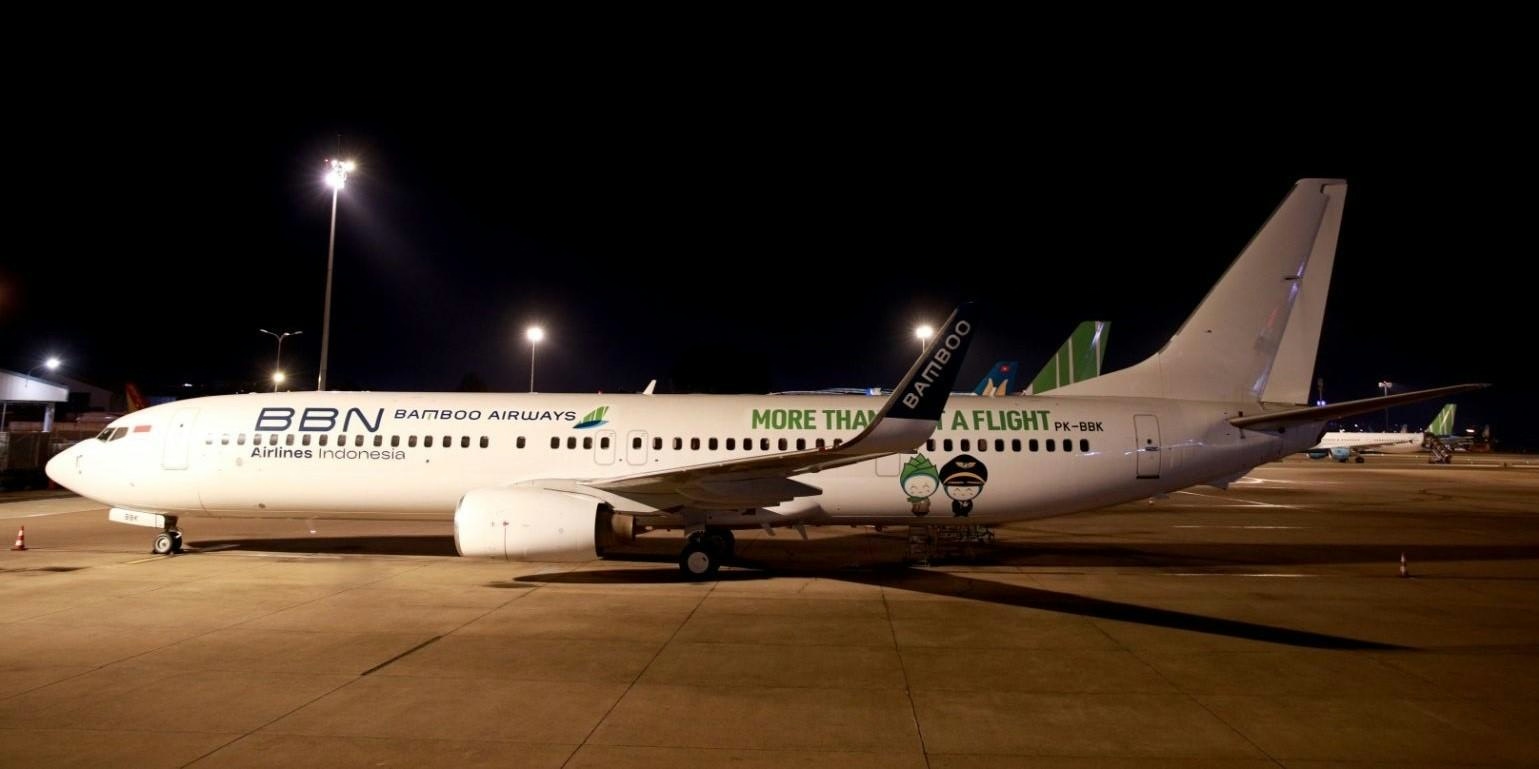
BBN Airlines Becomes IATA Member
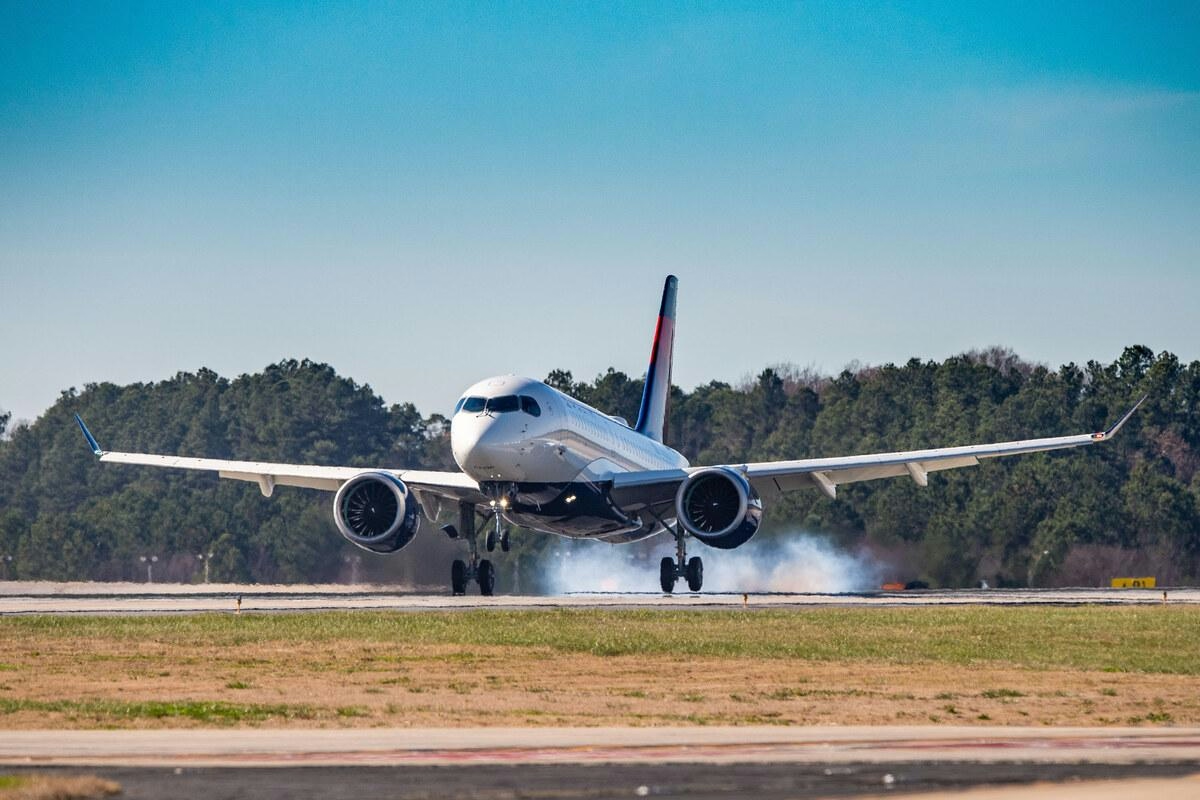
FAA Orders Breeze Airways and Delta to Inspect Airbus A220 Fuel Hoses
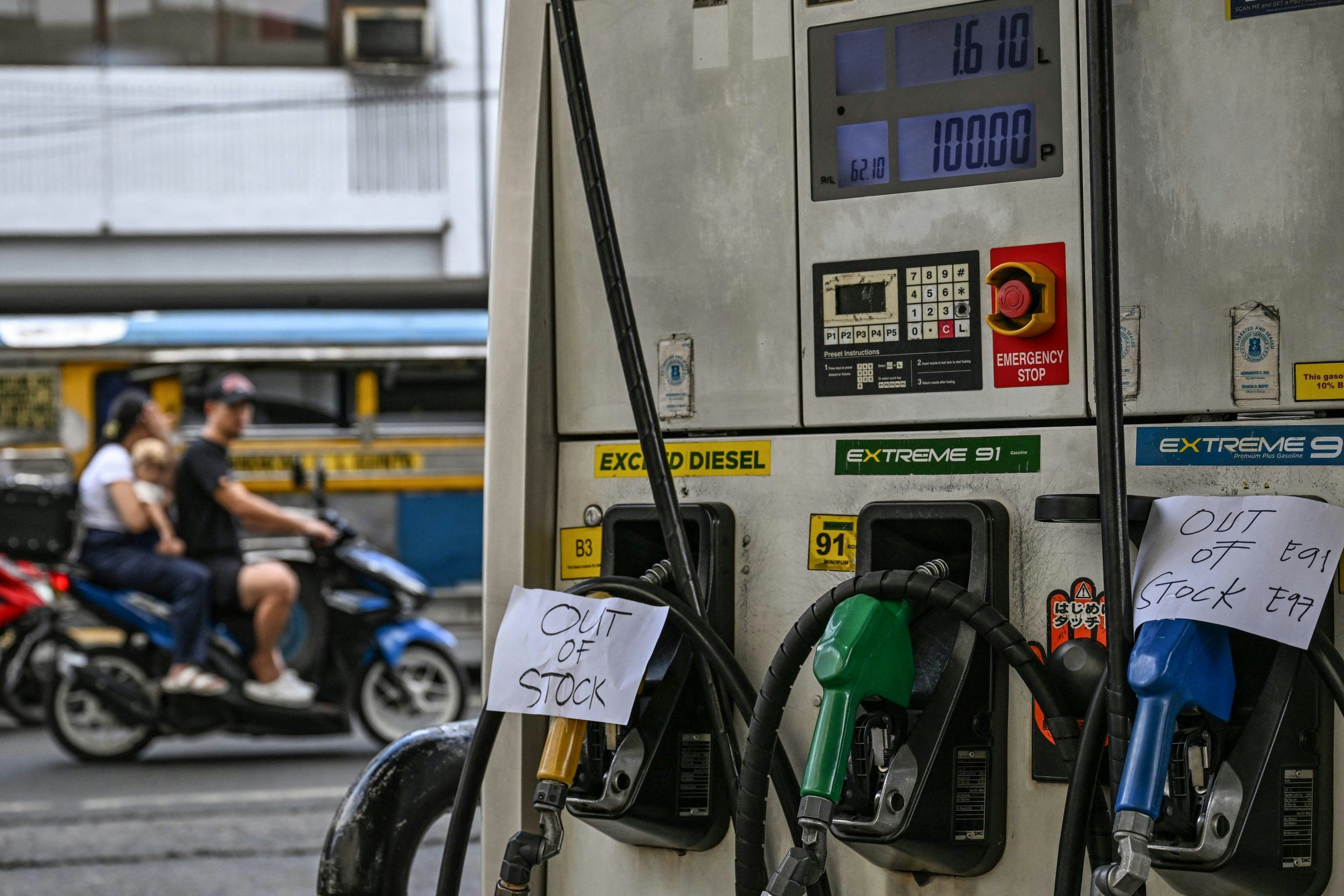
Philippine Aviation Navigates Expansion and Costs Amid Fuel Price Volatility
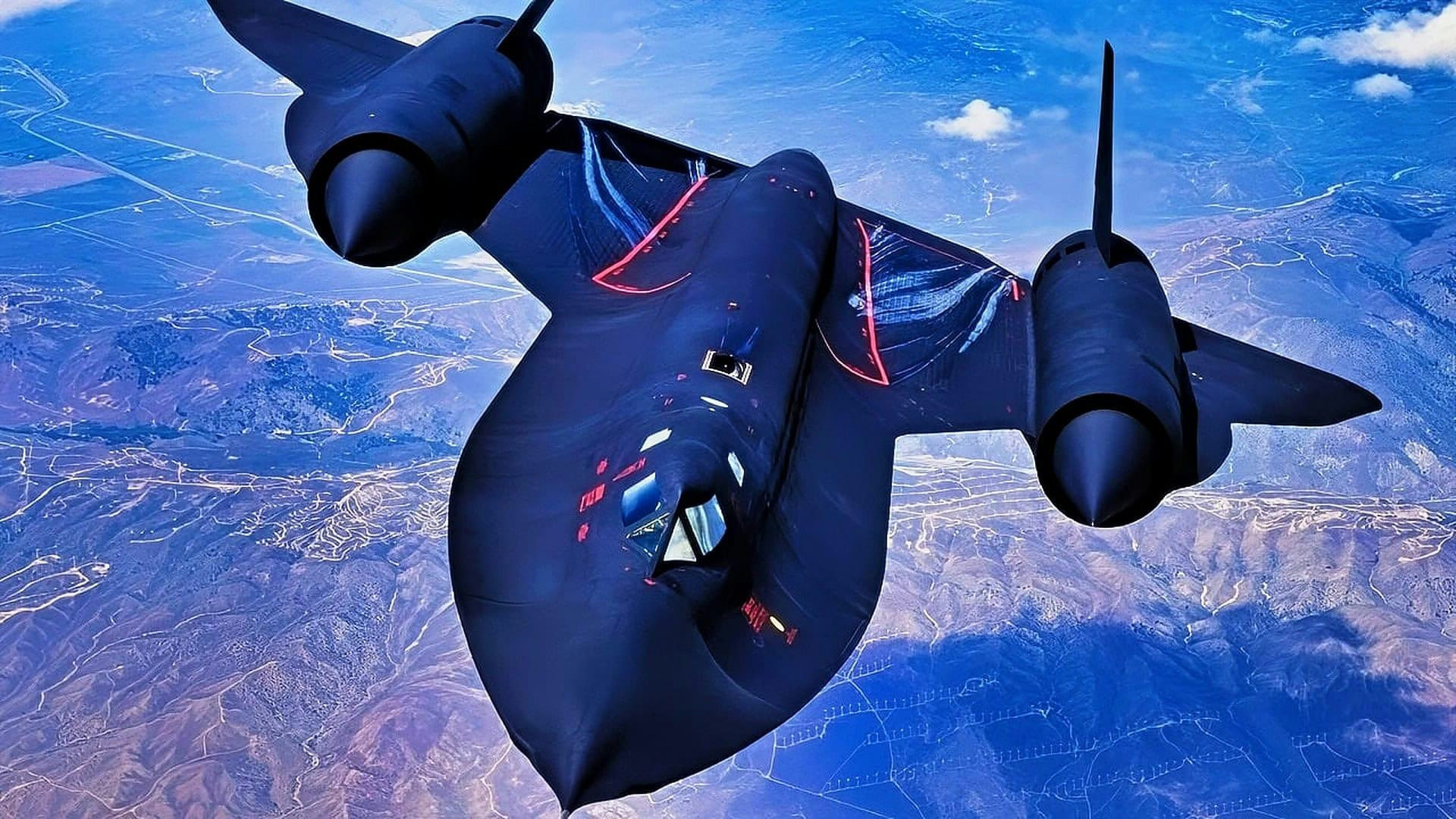
On April 26, 1971, an SR-71 Blackbird Flew Over 15,000 Miles in 10.5 Hours, Limited by Liquid Nitrogen Supply
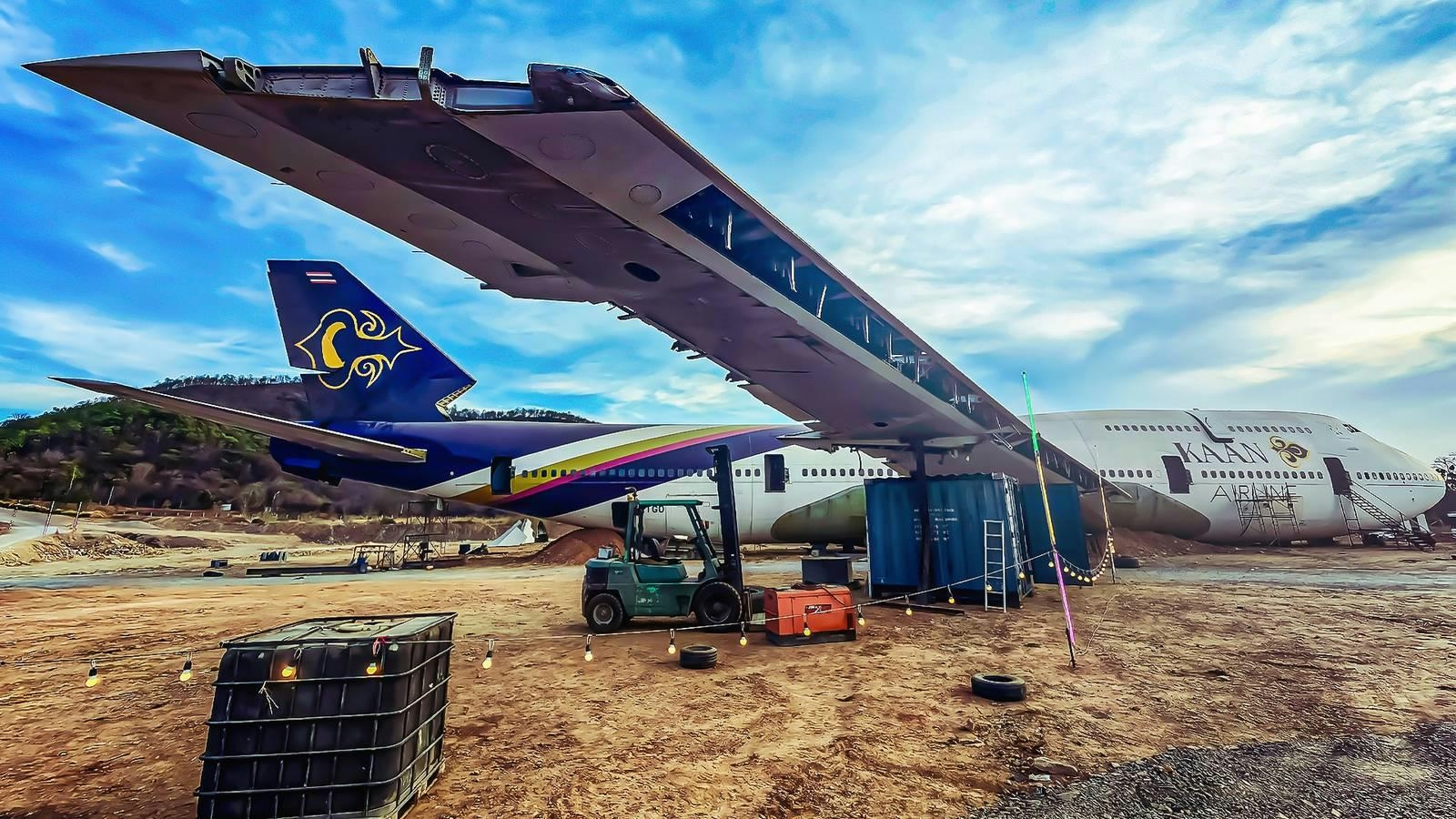
Boeing 747 Airframe Valued Less Than One Landing Gear Component
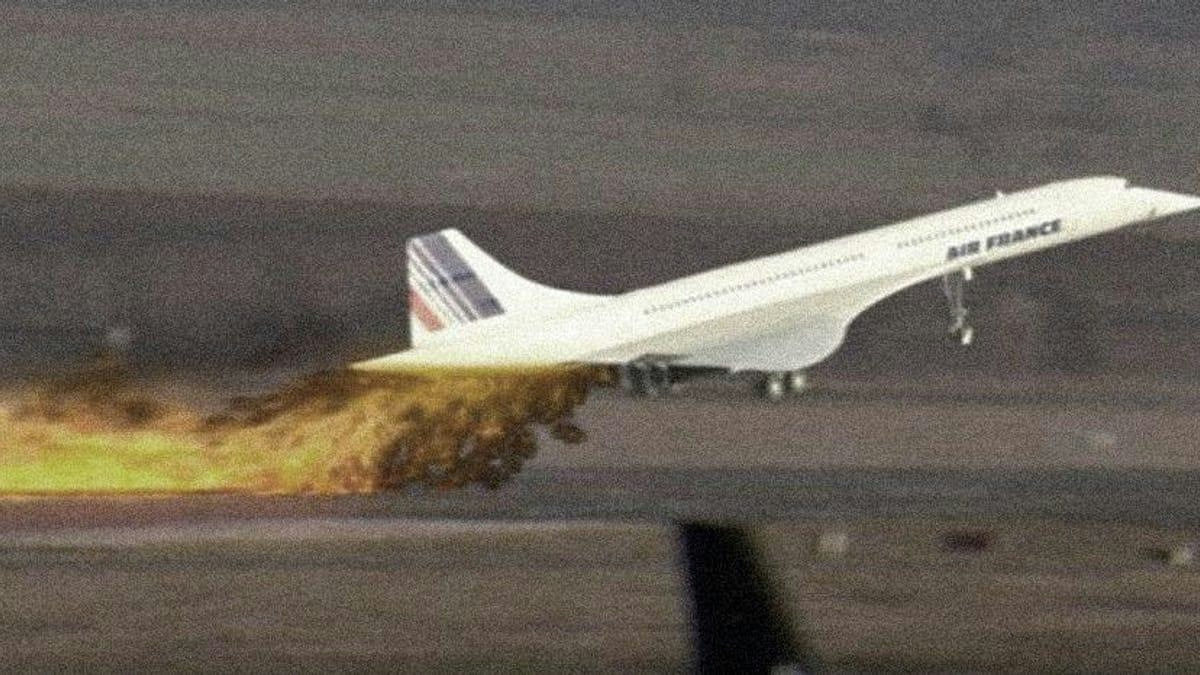
The Rear-Fan Engine Behind the Crash of the World's Fastest Airliner
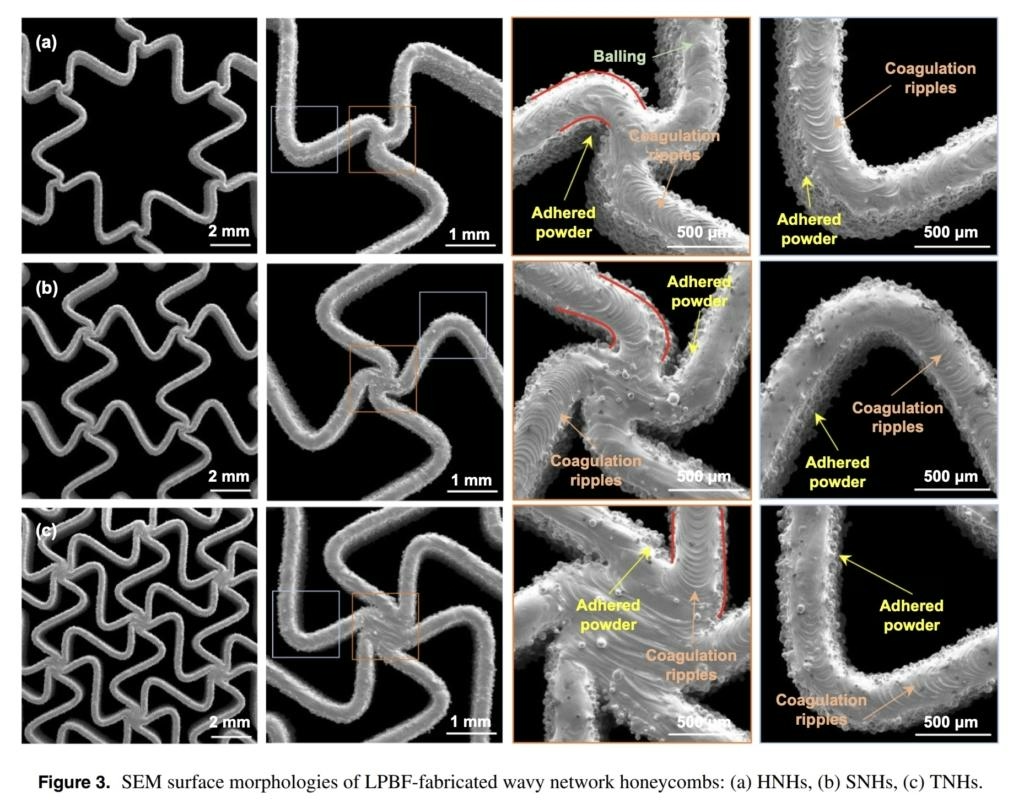
Morphing Aircraft Skin Improves Safety and Fuel Efficiency

BRICS Nations Commit to Enhanced Cooperation on Sustainable Transport and Green Aviation
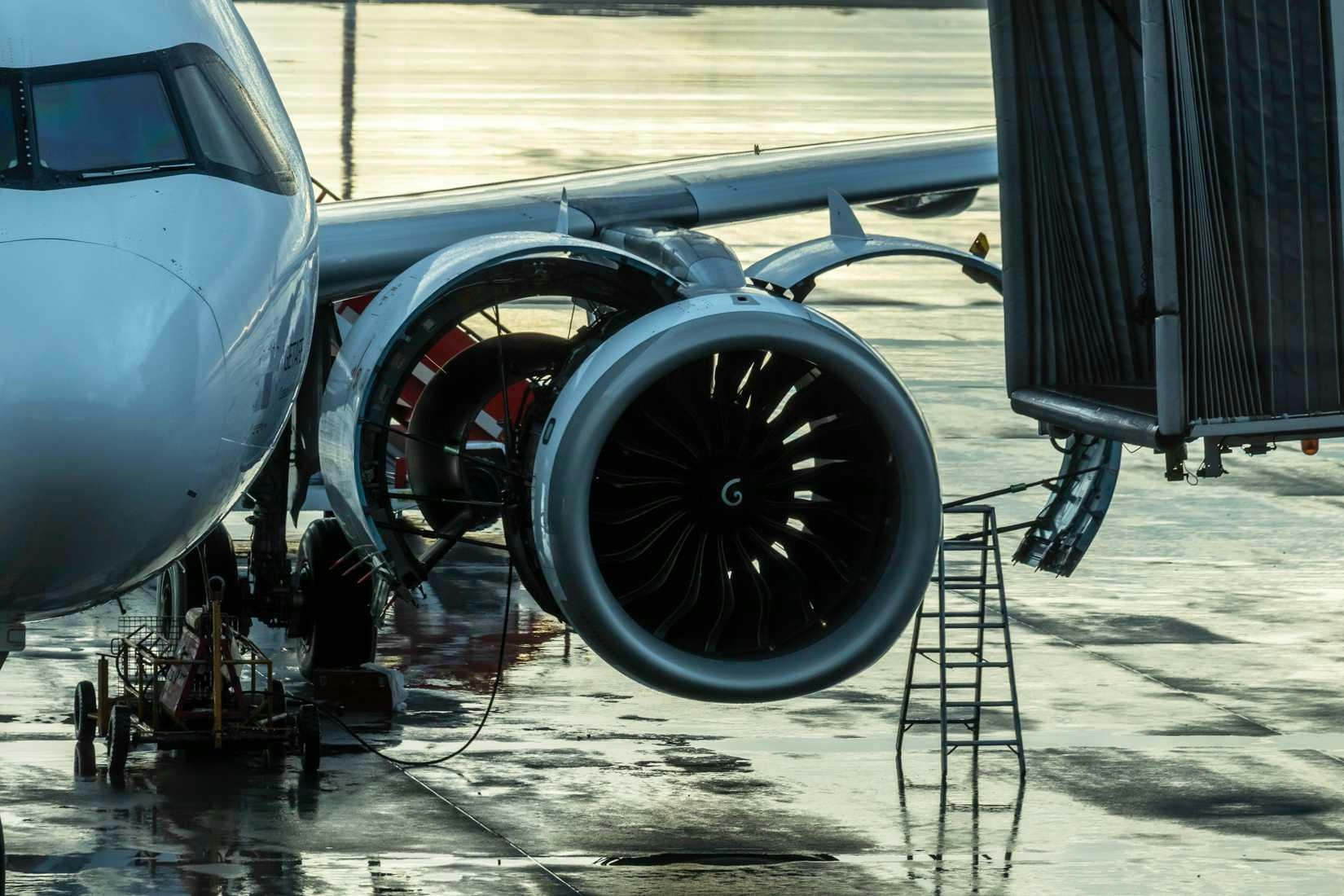
CFM Turbine Upgrade Doubles LEAP Engine Service Life in Harsh Conditions
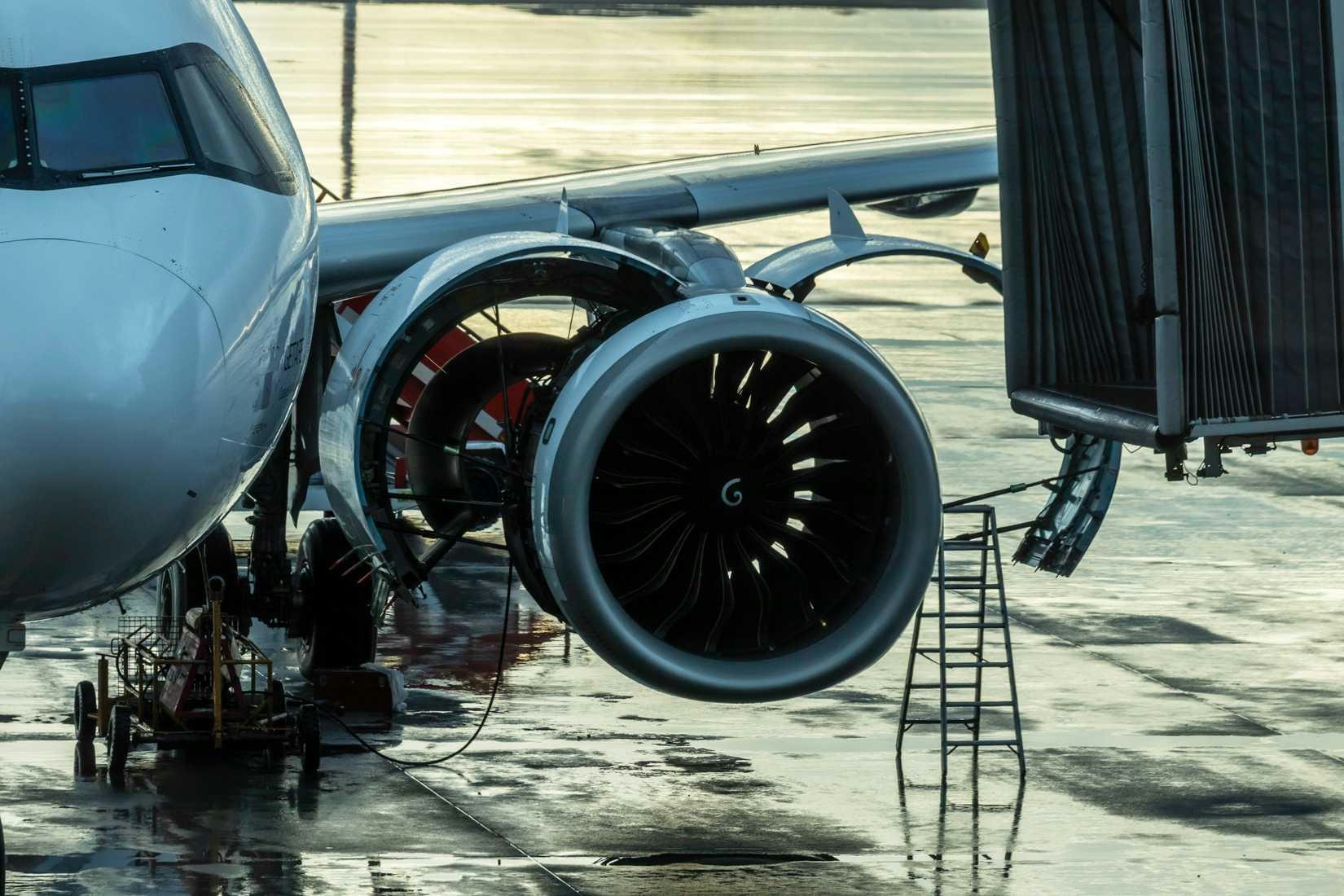
CFM Upgrade Doubles LEAP Engine Lifespan in Harsh Climates
