
KI-Erkenntnisse in konkrete Maßnahmen überführen

Trends
Categories
American Airlines’ Nine Longest Airbus A321XLR Routes, Including 10-Hour Flights
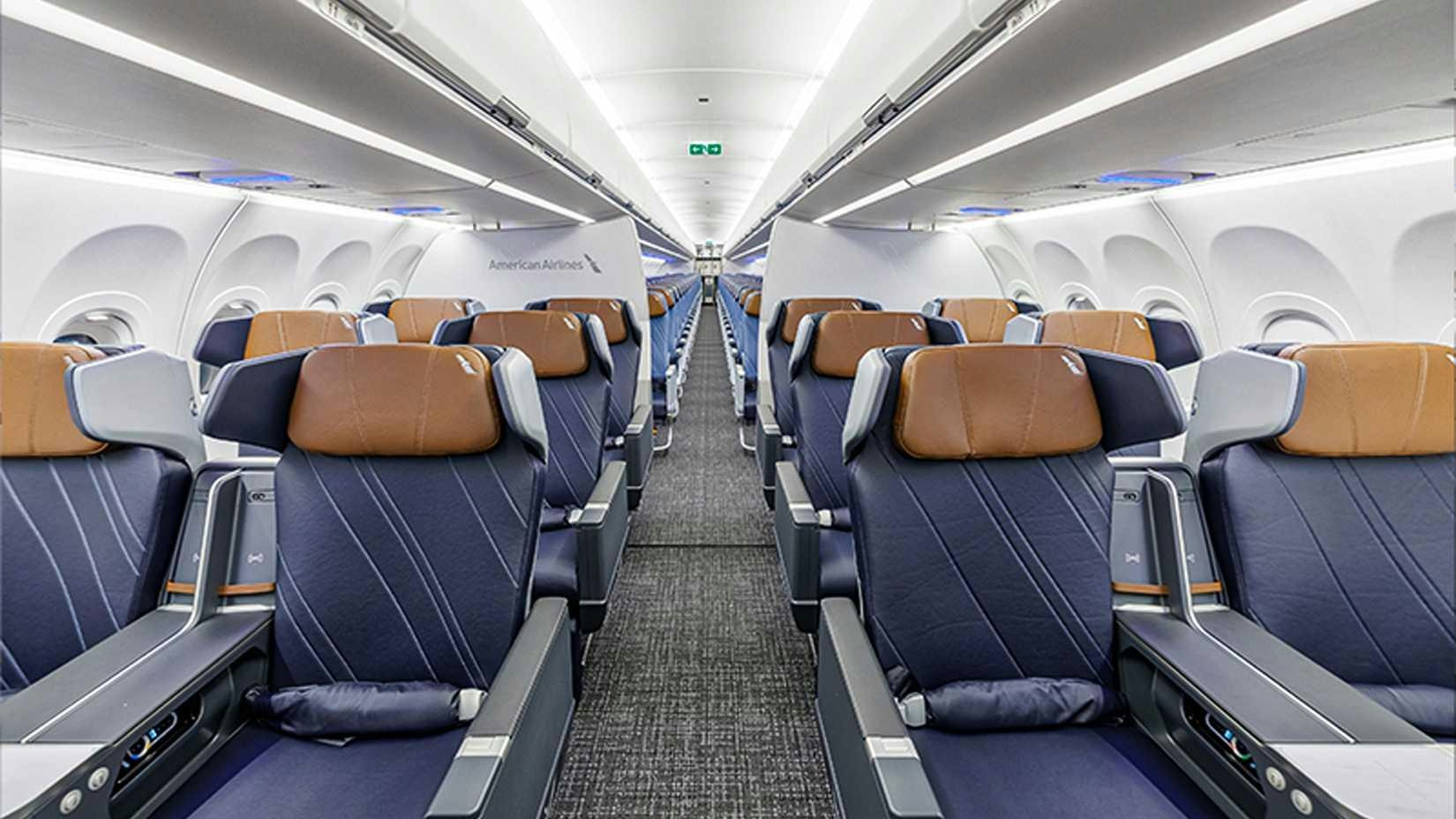
American Airlines Expands Long-Haul Narrowbody Operations with Airbus A321XLR
Since taking delivery of its first Airbus A321XLR in October 2023, American Airlines has swiftly expanded its long-haul narrowbody operations. Currently operating five of these aircraft with an additional 35 on order, the airline is leveraging the A321XLR’s extended range of up to 4,700 nautical miles (8,700 km) to open routes previously unfeasible for larger widebody jets. This strategic move has been particularly impactful on thinner transatlantic markets, where demand does not justify widebody deployment.
The Longest A321XLR Routes in American’s Network
The longest scheduled A321XLR route in American Airlines’ network will be the seasonal service between Barcelona (BCN) and New York JFK, commencing in October. Covering a distance of 3,831 miles (6,165 km), this route is slated for a block time of nine hours and 40 minutes and will operate daily. It will directly compete with Delta Air Lines and LEVEL, both of which serve the route year-round using widebody aircraft, while United Airlines offers nonstop service to Newark.
Other significant routes include Edinburgh (EDI) to Philadelphia (PHL), spanning 3,347 miles (5,387 km) with a block time of nine hours and 20 minutes, also launching as a seasonal daily service in late October. Additionally, the Amsterdam (AMS) to Philadelphia (PHL) route, covering 3,726 miles (5,997 km), will begin year-round daily operations in February. Further extending American’s European reach from its East Coast hubs are routes such as Philadelphia to Lisbon and Edinburgh to New York.
Strategic Implications and Industry Impact
The introduction of the A321XLR represents a notable shift in transatlantic travel, enabling American Airlines to serve secondary European cities directly from the United States with enhanced operational efficiency. The aircraft’s range and economic performance have been well received by the market, facilitating new city pairs and offering greater scheduling flexibility, particularly during peak travel periods.
Nonetheless, operating long-haul flights on a single-aisle aircraft presents challenges. American must ensure sufficient passenger demand to sustain flights approaching ten hours while managing the operational complexities inherent in extended narrowbody services. Additionally, regulatory scrutiny may intensify as airlines push the boundaries of narrowbody aircraft capabilities on transatlantic routes.
Competitors are closely monitoring American’s approach. While carriers such as Delta and United continue to rely on widebody aircraft for similar routes, some may reconsider their fleet strategies or expand their own long-haul narrowbody operations in response. Supply chain disruptions have delayed comparable initiatives for airlines like Qantas, potentially granting American a first-mover advantage in this emerging segment.
As American Airlines continues to integrate more A321XLRs into its fleet, its capacity to reshape transatlantic and other long-haul travel markets is expected to increase, setting new benchmarks for efficiency and route flexibility within the industry.

Hong Kong's Five-Year Plan Includes Andrew Fan's Aircraft Parts Processing Hub Proposal

ACIA Aero Leasing Delivers ATR72-600 to Air Nostrum

RTX Appoints Jill Albertelli as Head of Pratt & Whitney

TAT Technologies Joins Beyond Aero Hydrogen Aircraft Program

AURAK Study Highlights Barriers to Air Taxi Adoption in Emerging Economies

Xiamen Air Selects Altitude for 787 Maintenance at Heathrow

Etihad and Swissport Extend Global Partnership
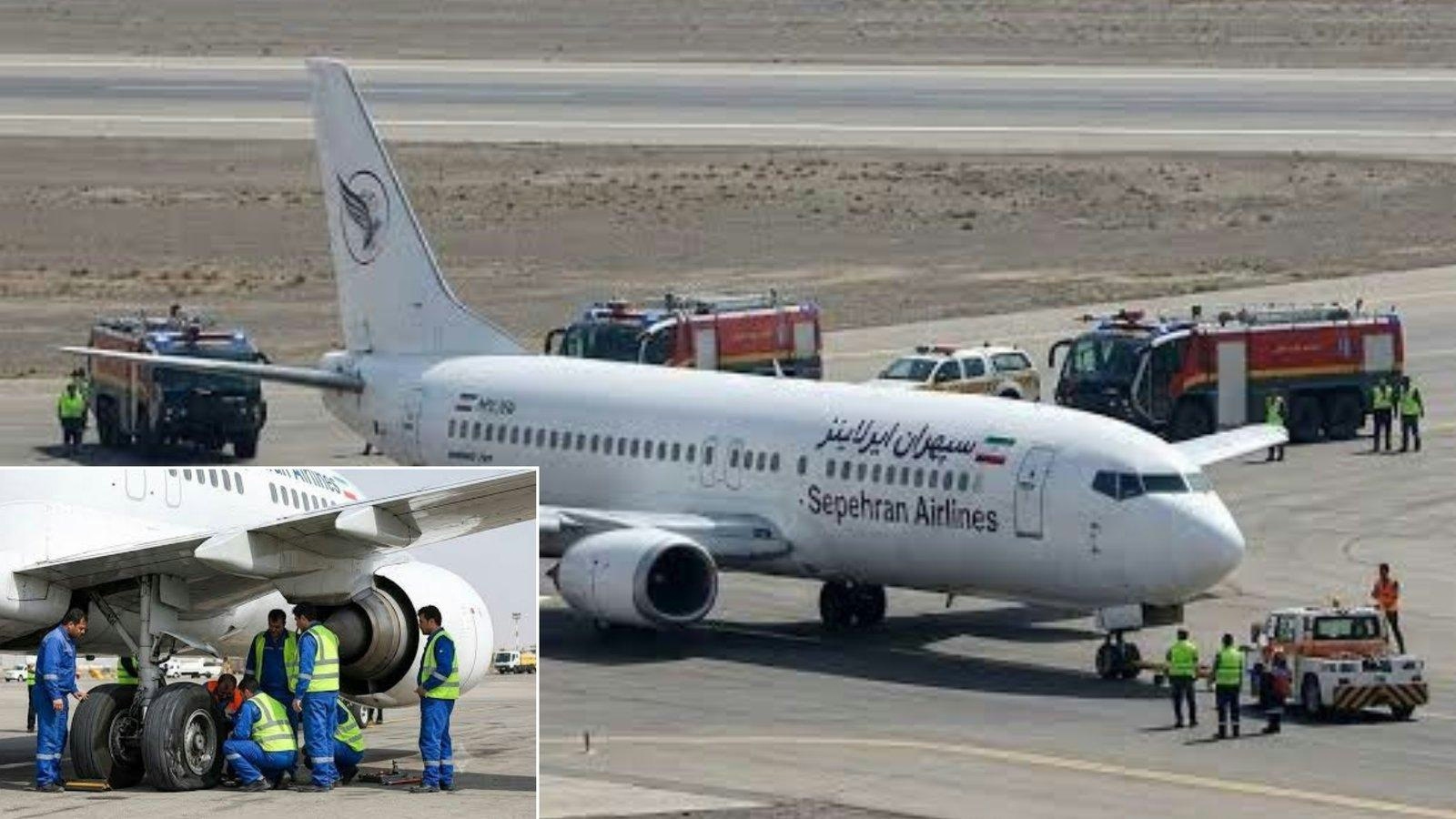
Sepehran Airlines B737 Returns to Mashhad After Tyre and Engine Issues

Etihad Deploys Widebody Fleet to Meet Strong Demand
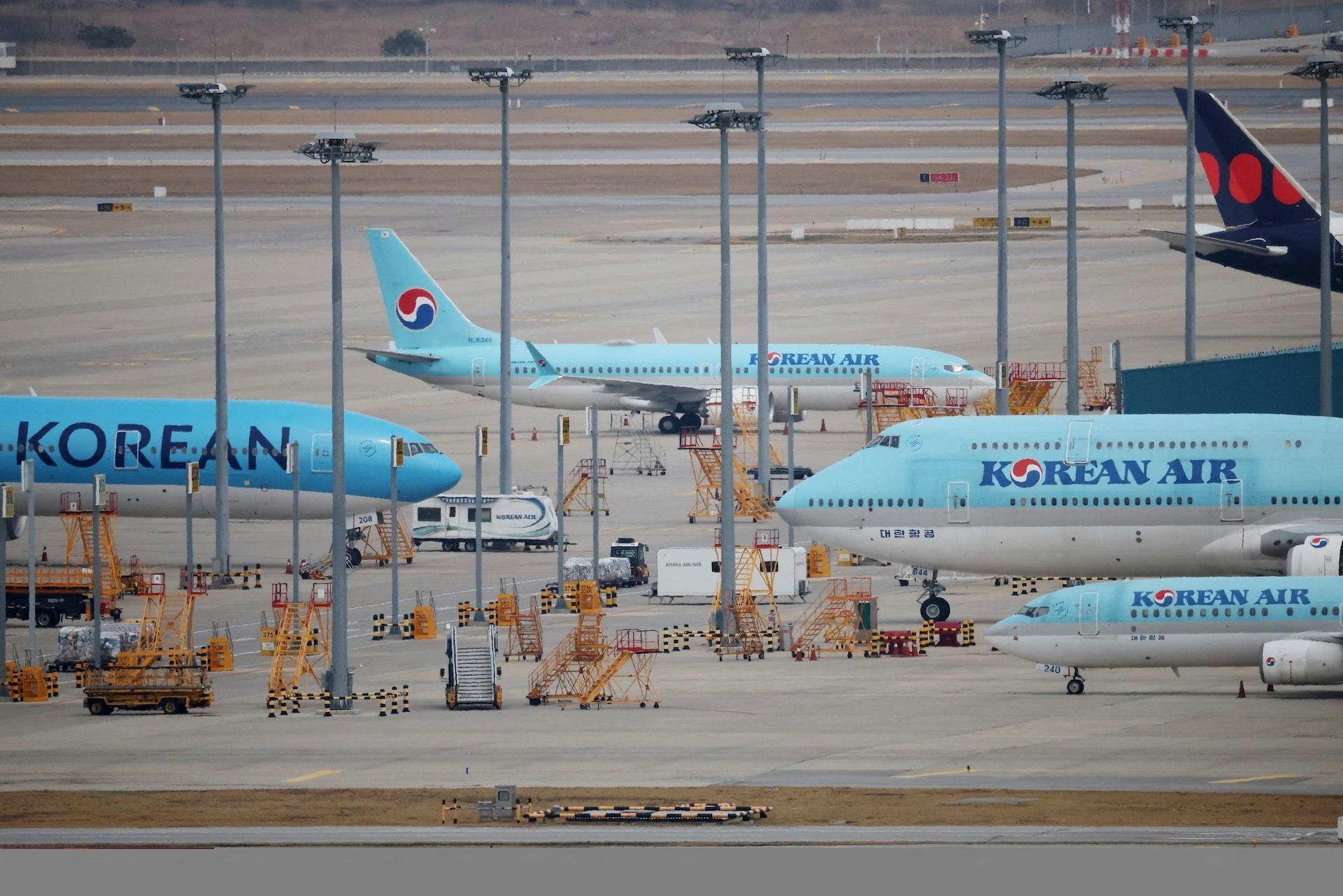
Korean Air Finalizes $36.2 Billion Deal with Boeing
