
KI-Erkenntnisse in konkrete Maßnahmen überführen

Trends
Categories
American Airlines Removes Passengers from Connecting Flights They Could Still Reach
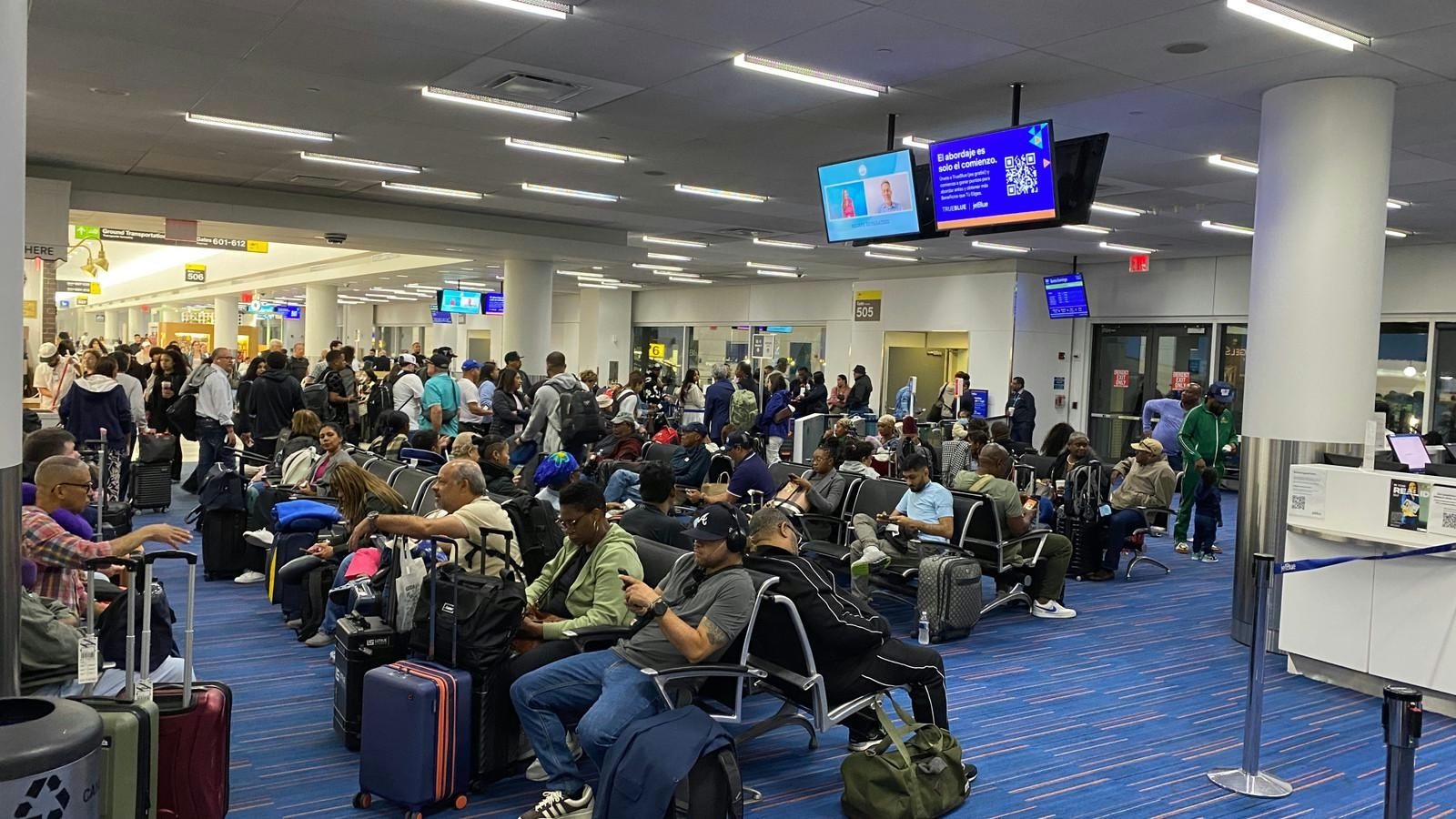
American Airlines Faces Criticism Over Removal of Passengers from Reachable Connecting Flights
American Airlines has come under increasing scrutiny as passengers report being removed from connecting flights they were still able to board. This practice, driven by the airline’s automated rebooking systems, has generated significant frustration and raised questions about compliance with federal regulations governing denied boarding compensation.
Regulatory Framework and Passenger Rights
Under Department of Transportation (DOT) rules, passengers who are involuntarily denied boarding despite having checked in on time, holding a confirmed seat and boarding pass, and arriving at the gate at least 15 minutes before departure, may be entitled to compensation. According to industry sources such as View From The Wing, if a passenger’s final arrival is delayed by more than two hours due to denied boarding, compensation can amount to up to 400% of the one-way fare, capped at $2,150. Airlines are required to provide this compensation at the airport on the day of the incident, or within 24 hours if alternative transportation is arranged too quickly for immediate payment.
Impact of Automated Rebooking and Operational Challenges
The airline’s increasing reliance on automated rebooking has become a focal point of passenger dissatisfaction. Many travelers report being removed from flights without their consent, even when they could have made their connections. This loss of control over travel plans has left passengers scrambling to find alternatives, exacerbating frustration and eroding trust in the carrier’s service.
These operational difficulties come at a critical juncture for American Airlines, which is striving to close a $3 billion profit gap. CEO Robert Isom has emphasized the importance of maintaining high-touch service levels to achieve this goal. However, the current issues with automated rebooking risk undermining customer satisfaction and complicating efforts to enhance profitability.
Market Reactions and Industry Implications
The negative publicity surrounding these incidents has raised concerns about American Airlines’ reliability. Competitors have capitalized on the situation, promoting their own services as more dependable alternatives. In an intensely competitive industry, how American Airlines manages these challenges could have significant repercussions for its reputation and financial performance.
Passengers affected by these practices are advised to familiarize themselves with their rights under DOT regulations and to assert their entitlement to compensation when applicable. As American Airlines continues to address these operational issues, the tension between efficiency and customer service remains a critical area of focus.

Etihad Airways Suspends Airbus A380 Flights on Key Route

Aditya Birla Group Seeks Approval for Aircraft Leasing in GIFT City

Qatar Airways Highlights Innovation and Connectivity at Arabian Travel Market 2026

Hong Kong's Five-Year Plan Includes Andrew Fan's Aircraft Parts Processing Hub Proposal

ACIA Aero Leasing Delivers ATR72-600 to Air Nostrum

RTX Appoints Jill Albertelli as Head of Pratt & Whitney

TAT Technologies Joins Beyond Aero Hydrogen Aircraft Program

AURAK Study Highlights Barriers to Air Taxi Adoption in Emerging Economies

Xiamen Air Selects Altitude for 787 Maintenance at Heathrow

Etihad and Swissport Extend Global Partnership
