
KI-Erkenntnisse in konkrete Maßnahmen überführen

Trends
Categories
Audio Captures Off-Duty Pilot Attempting to Shut Down Alaska Airlines Engines
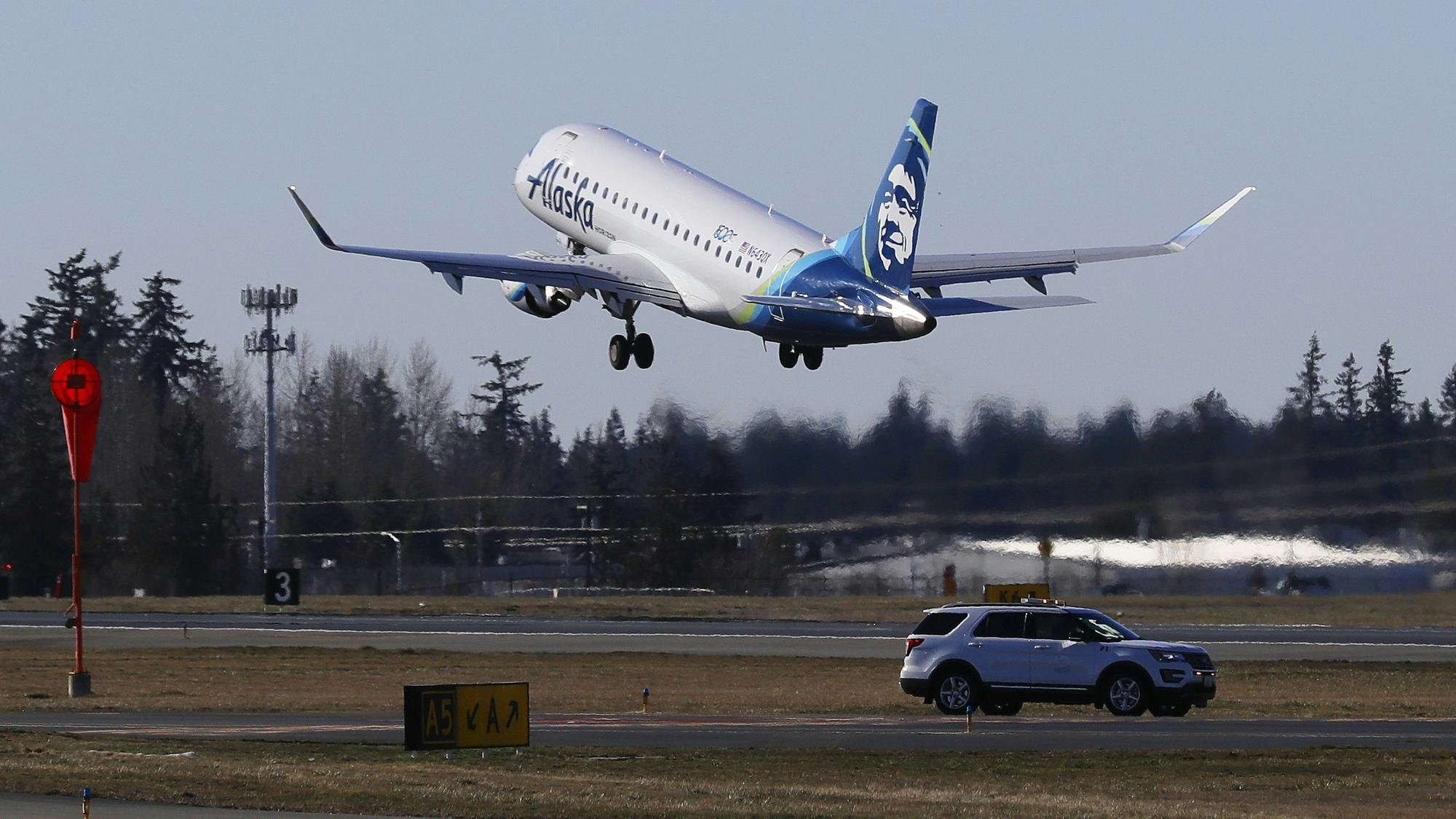
Audio Reveals Off-Duty Pilot’s Attempt to Disable Alaska Airlines Engines
Newly released cockpit audio and police footage have shed light on a harrowing incident that occurred in October 2023, when an off-duty Alaska Airlines pilot attempted to shut down the engines of a passenger aircraft mid-flight. The episode took place aboard a Horizon Air Embraer 175 operating a route from Everett, Washington, to San Francisco, reigniting discussions about pilot mental health, the influence of psychedelic substances, and the robustness of airline security protocols.
Incident Details and In-Flight Response
Joseph Emerson, a 46-year-old licensed pilot, was traveling in the cockpit jumpseat due to a full cabin. During the flight, he expressed to the operating crew that he was “not okay” and urgently wished to return home. Shortly thereafter, cockpit audio captured a tense struggle as Emerson reached for the engine fire suppression handles—critical controls designed to cut fuel supply to the engines if activated. One of the pilots immediately declared an emergency to air traffic control, stating, “It’s Horizon 2095. We got a jump seater, just tried to shut our engines off, we need to go direct to Portland, now.”
The flight crew acted swiftly to restrain Emerson and remove him from the cockpit before any engine shutdown could occur. The aircraft, carrying 83 passengers and crew members in addition to Emerson, was safely diverted to Portland. No injuries were reported during the incident.
Post-Incident Investigation and Legal Proceedings
Upon landing, Emerson was taken into custody. Police dashcam footage shows him appearing disoriented and struggling to grasp the gravity of the situation. He described experiencing a “nervous breakdown” and conveyed a sense of unreality, stating, “I thought I was dreaming, man.” When questioned about any intent to harm himself, Emerson responded that he was “trying to wake up” and did not perceive reality as genuine.
In subsequent interviews, Emerson admitted to consuming psilocybin mushrooms two days prior to the flight and enduring nearly 48 hours without sleep. He explained that he believed activating the fire suppression handles would “wake him up.” Investigators found no evidence suggesting that Emerson intended to cause a crash.
Emerson later pleaded guilty and received a federal plea agreement, which included credit for time served and a sentence of three-and-a-half years of supervised release.
Industry and Safety Implications
The incident has prompted widespread reflection within the aviation community regarding the adequacy of mental health screening for pilots, the potential risks associated with psychedelic substance use, and the effectiveness of existing cockpit security measures. Aviation safety experts have commended the crew’s rapid and decisive response, emphasizing that the presence of two pilots and strict emergency protocols were instrumental in averting a potential catastrophe.
This episode underscores the multifaceted challenges confronting the aviation industry, highlighting the critical importance of comprehensive mental health support, substance use awareness, and rigorous safety procedures to ensure passenger and crew safety.

Adobe Warns AI-Driven Trip Planning Challenges Travel Sites

The Global Parts Shortage
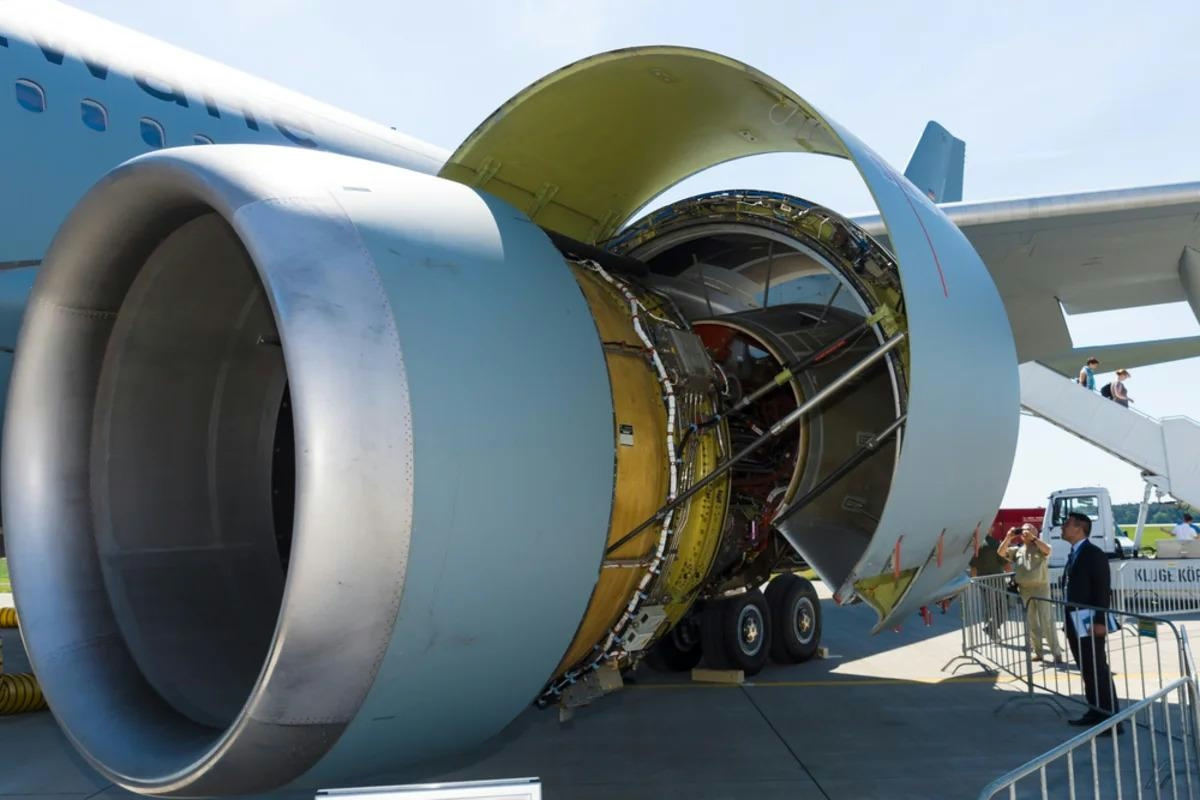
GE Aerospace's Robust Capital Position Fuels Higher Shareholder Returns
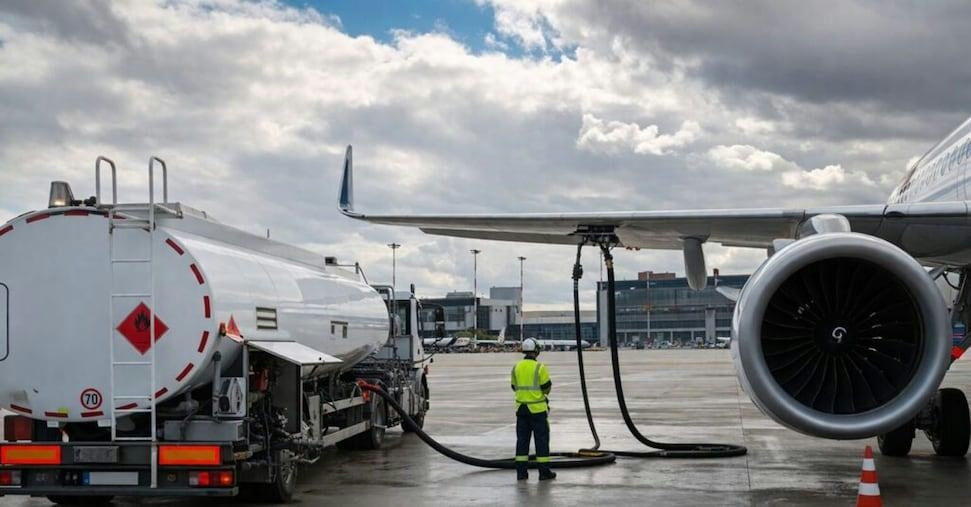
AI Advances Support Sustainable Aviation and Efficient Flight Paths
Airbus Faces Freighter Deadline Amid Weak Order Growth and Stagnant Shares
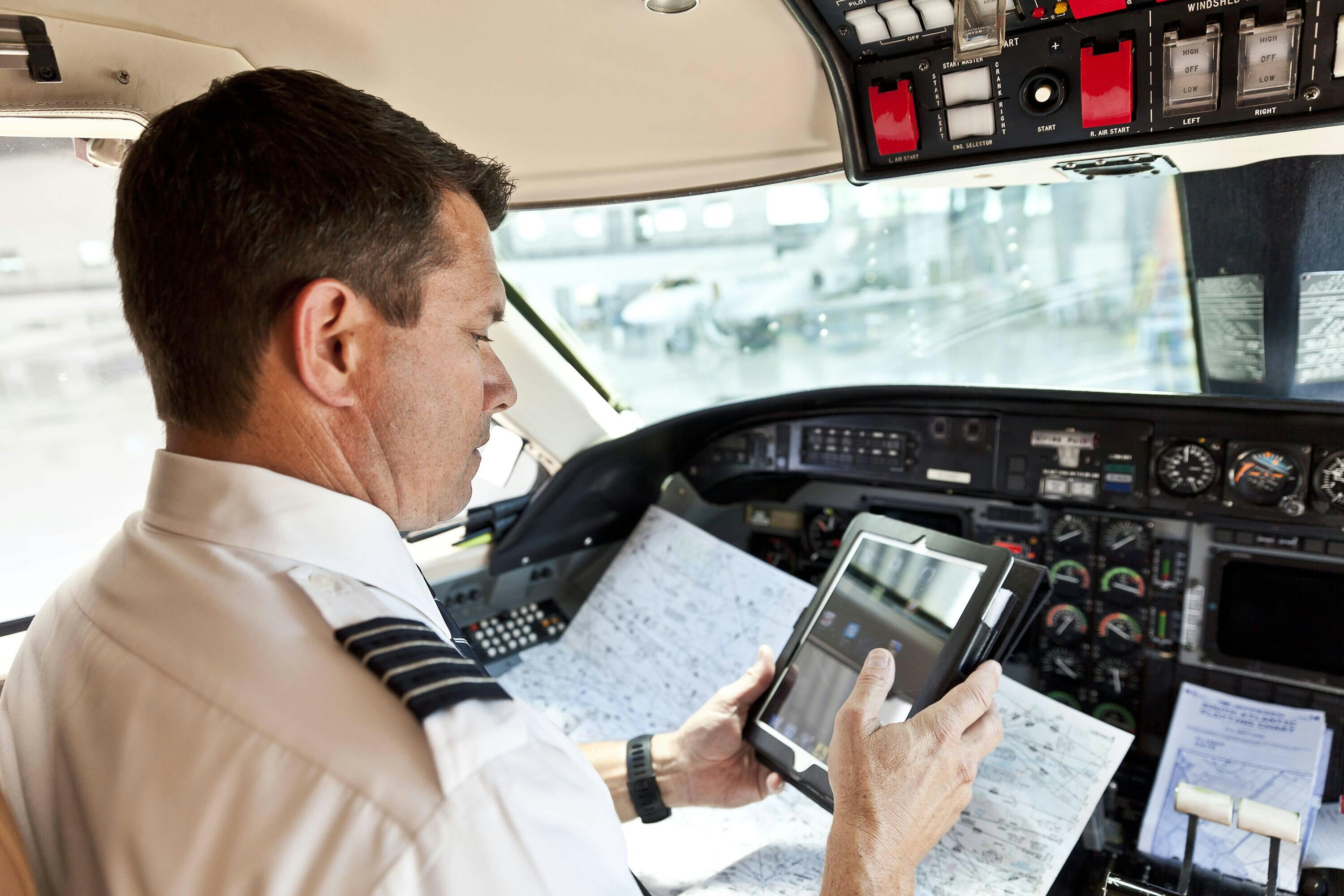
Integrated CNS System for Low-Altitude Aircraft

Chinese Robots Debut in Aviation and Military Roles at WRC 2026
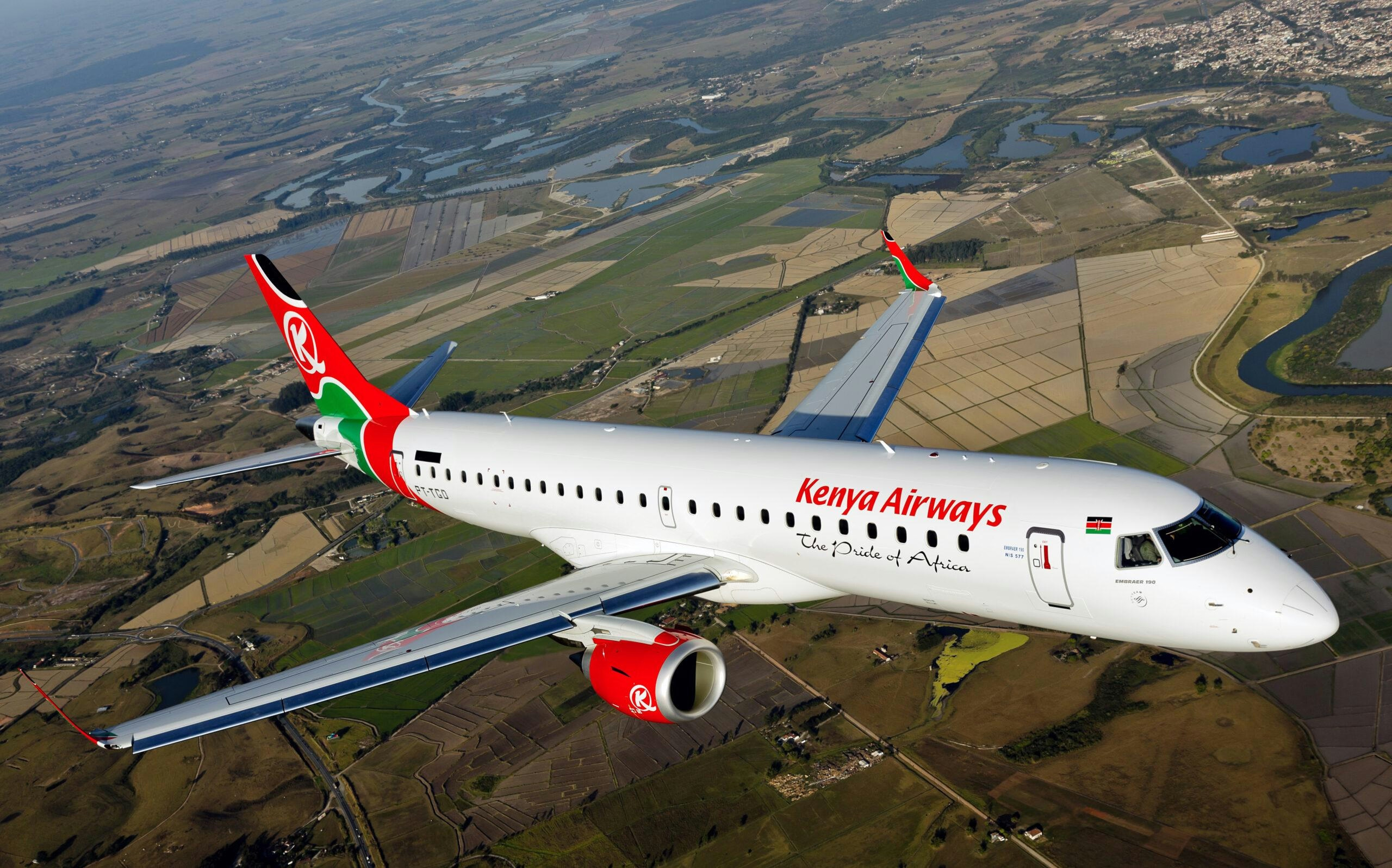
Kenya Airways Aims to Resume Operations of Grounded Fleet by Early 2027

Avora Aviation Completes A320 Sale-Leaseback Agreement with FTAI
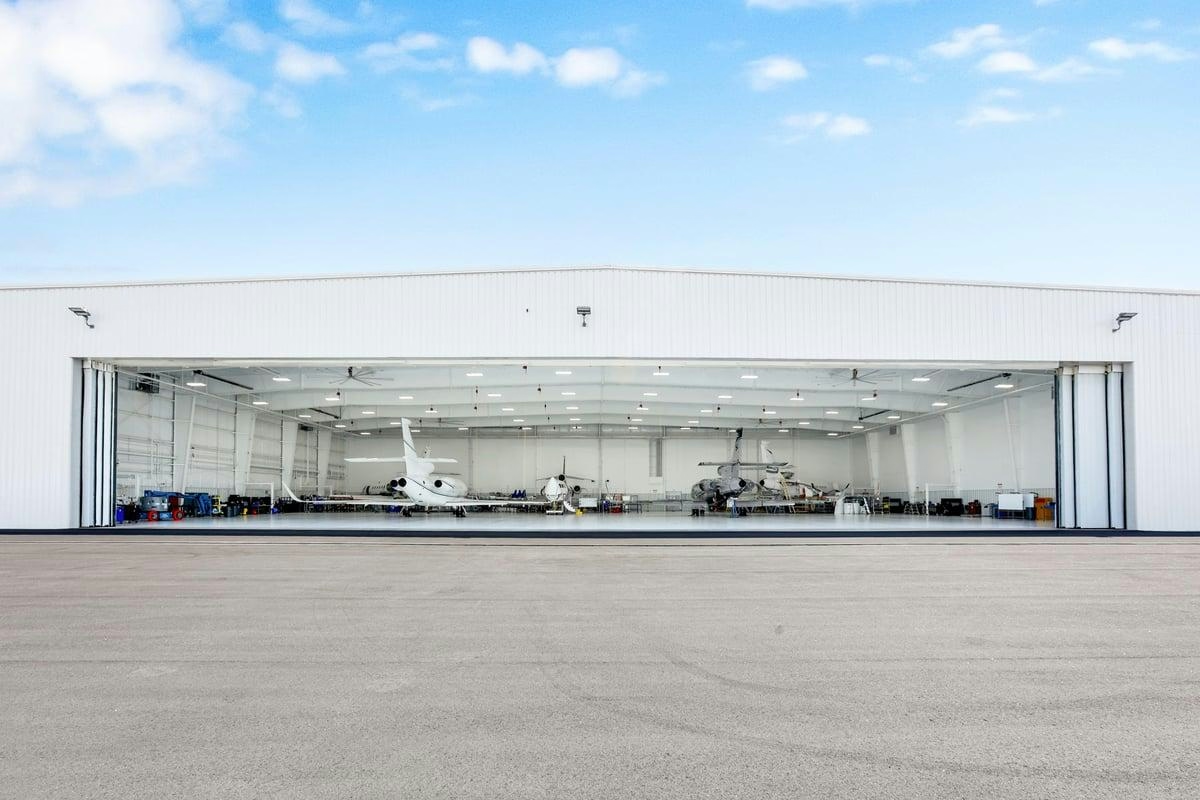
StandardAero Expands Bombardier Global MRO Services at Van Nuys Facility
