
KI-Erkenntnisse in konkrete Maßnahmen überführen

Trends
Categories
Bordeaux Airport uses AI to reduce passenger waiting times
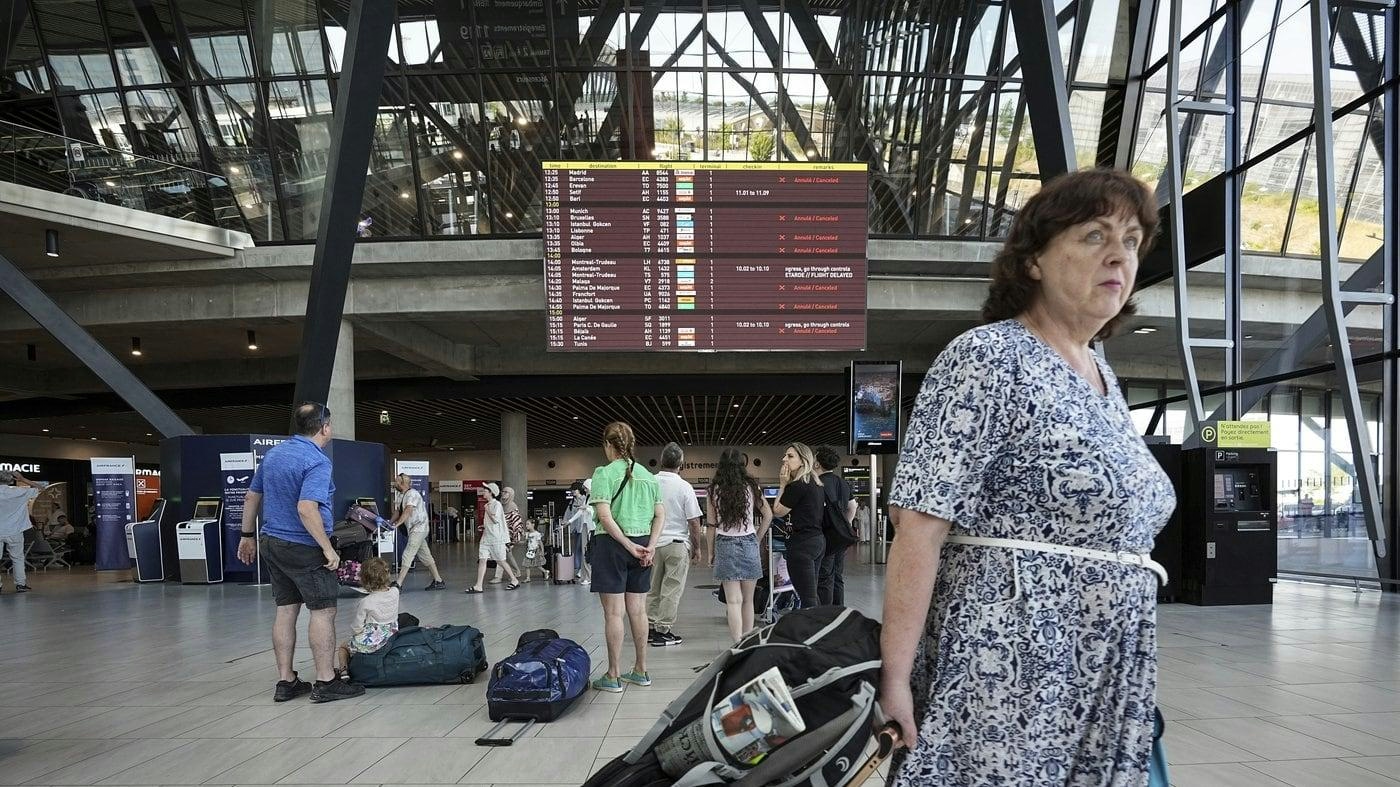
Bordeaux Airport Implements AI to Reduce Passenger Waiting Times
Bordeaux-Mérignac Airport has initiated a trial of advanced artificial intelligence technology aimed at improving passenger flow and minimizing waiting times within its terminal. Collaborating with Outsight, a specialist in real-time data solutions, the airport has deployed a ‘Physical AI’ system—referred to as a “motional digital twin”—to monitor and manage crowd movements more effectively.
Enhancing Operational Efficiency Through Real-Time Data
Since March 16, the AI system has been operational at strategic locations in Hall A, including security checkpoints. Utilizing 3D LiDAR sensors, the technology captures three-dimensional data on passenger movements, providing real-time insights into crowd density, queue lengths, and spatial utilization. This continuous stream of information allows airport personnel to dynamically adjust resource allocation, such as deploying additional security staff or opening extra service counters when necessary.
The system also generates alerts in instances of overcrowding or capacity breaches, enabling swift operational responses. This capability is particularly pertinent given the recent introduction of the Entry/Exit System (EES), which has increased security checks and contributed to longer wait times. Talel Jaouad, head of airport process operations at Bordeaux Airport, emphasized that the trial aims to deepen understanding of passenger flows to optimize resource deployment and enhance overall passenger satisfaction. The airport’s official statement highlighted that data-driven management of passenger movement is becoming a critical factor in operational performance.
Importantly, the AI technology ensures passenger privacy by providing only anonymized visualizations, with no personal identification recorded. This confidential data offers a comprehensive, real-time overview of terminal capacity, supporting efforts to prevent bottlenecks and reduce queue lengths at key points.
Broader Implications for the Aviation and Travel Industries
Bordeaux’s adoption of AI reflects a growing trend across the aviation sector, where airports increasingly rely on anonymized AI tools to optimize passenger throughput and improve operational efficiency. Raul Bravo, president and co-founder of Outsight, noted that airports like Bordeaux are integrating technologies that seamlessly fit into existing operations while delivering immediate, measurable benefits.
Handling approximately six million passengers annually, Bordeaux Airport plans to expand its capacity to 7.8 million by 2027. Serving over 80 destinations through 24 airlines, including planned growth from major carriers such as EasyJet, the airport is prioritizing the optimization of its current infrastructure. Passenger volumes currently stand at about 85 percent of pre-pandemic levels, underscoring the importance of efficient terminal management.
Beyond airport operations, the integration of AI is reshaping the wider travel industry. As AI-driven agents increasingly automate planning, booking, and operational tasks, traditional business models—particularly those of intermediaries like online travel agencies—may encounter mounting challenges. Recent volatility in sectors such as logistics and software has been linked to rapid AI advancements, and Bordeaux’s initiative may encourage competitors to adopt similar technologies to maintain their competitive edge. This evolution raises important questions about the future role of intermediaries and the overall landscape of travel services.
By leveraging AI, Bordeaux Airport seeks not only to improve passenger experience but also to position itself at the forefront of an industry undergoing rapid technological transformation, where innovation is essential for maintaining competitiveness and operational excellence.
Embraer Delivers 2,000th E-Jet as Airbus A220 Seeks Market Share
iniBuilds Releases Second In-Depth A380 Video
Ryanair and Alaska Airlines Apply AI to Operational Decision-Making

Digital Payments, AI, and Aviation Strengthen Philippines-India Relations
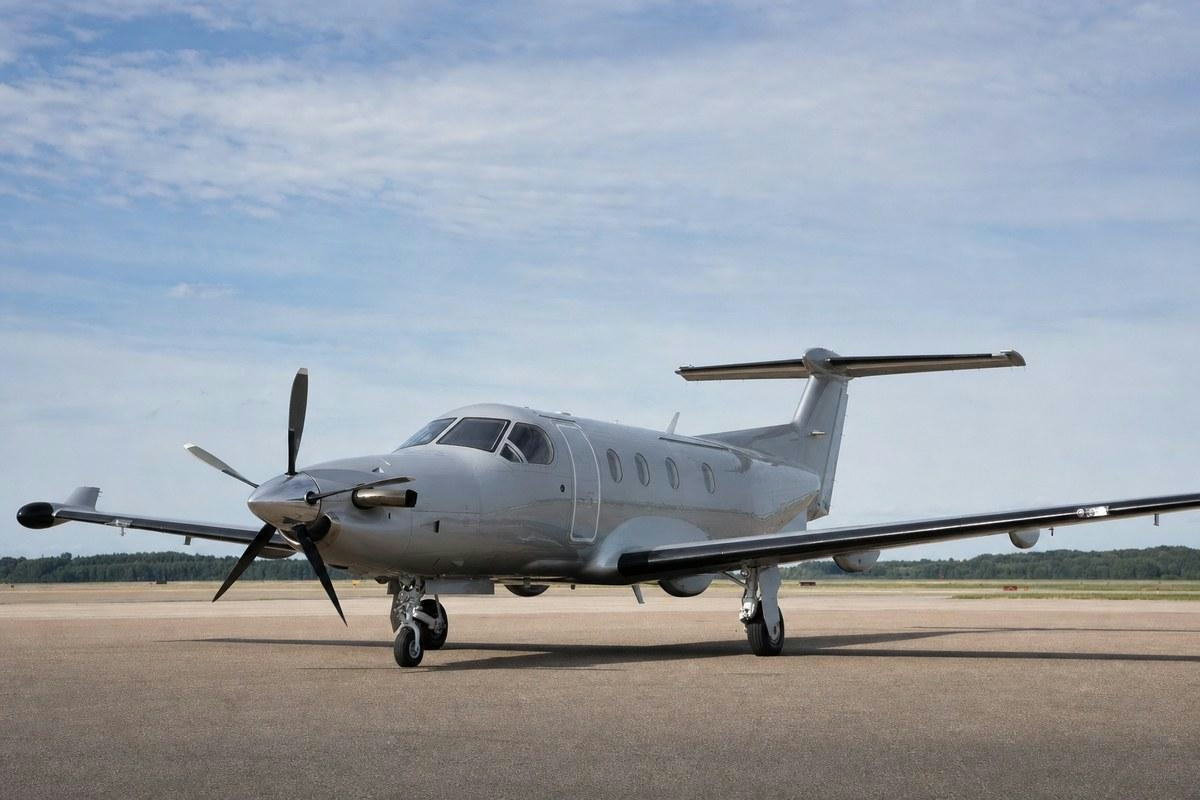
PlaneSense Suspends PC-12 Jet Card Sales
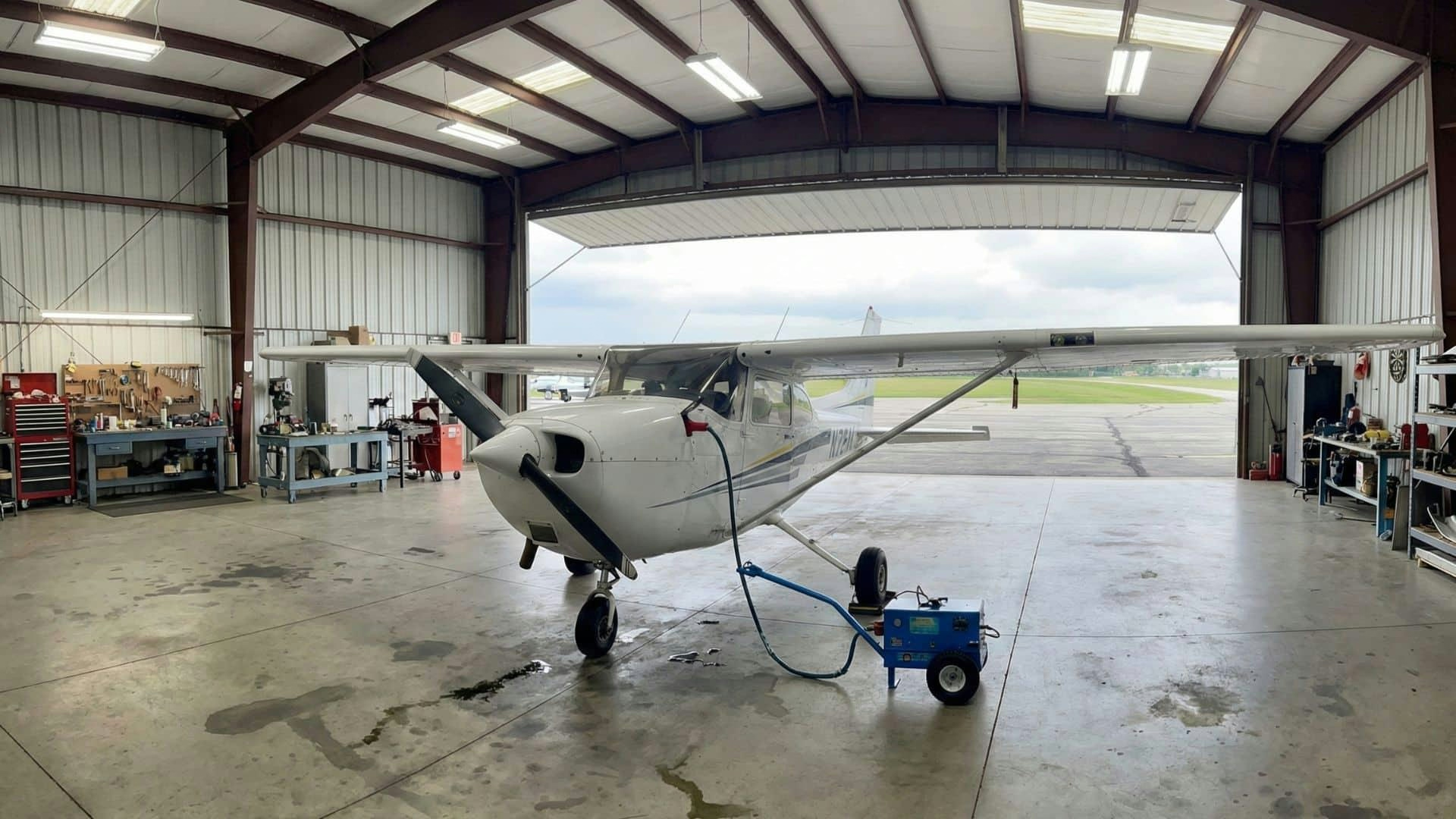
How AI Could Transform Bird-Strike Prevention for Business Aviation
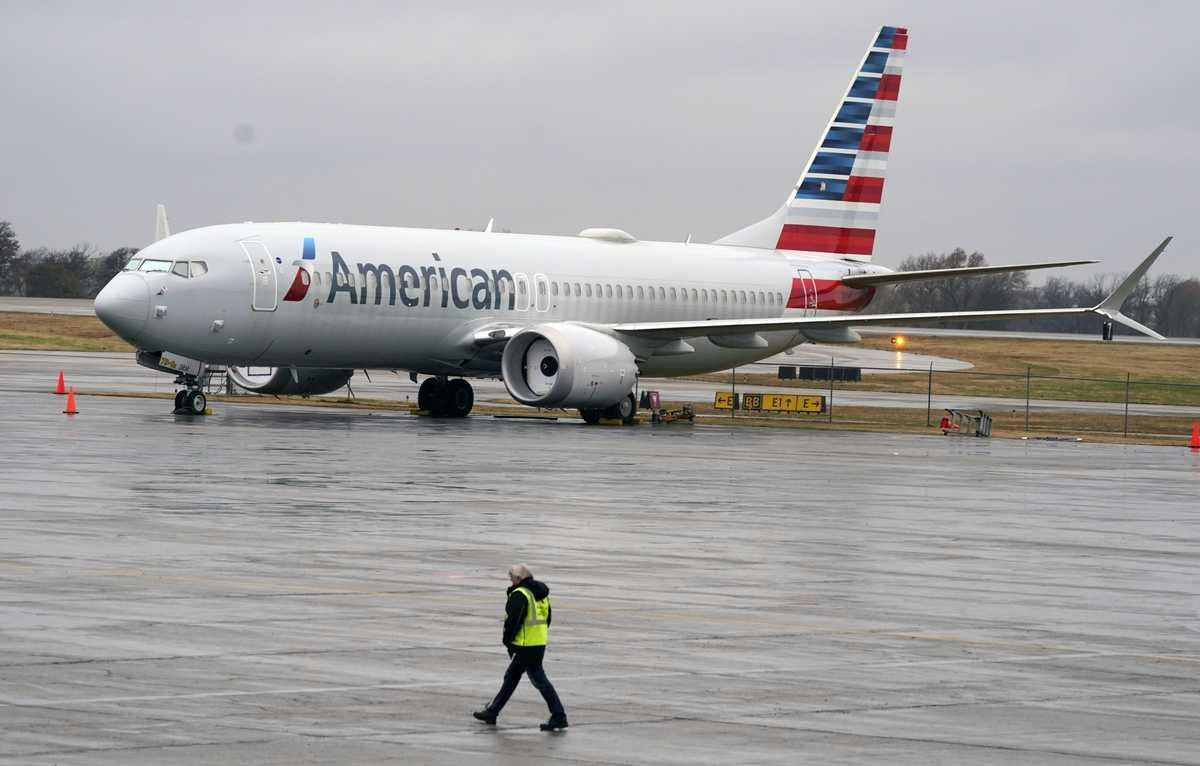
American Airlines and Boeing Complete First 737 MAX Landing Gear Swap

Vietjet and Thales sign major MRO and AI deals in Paris
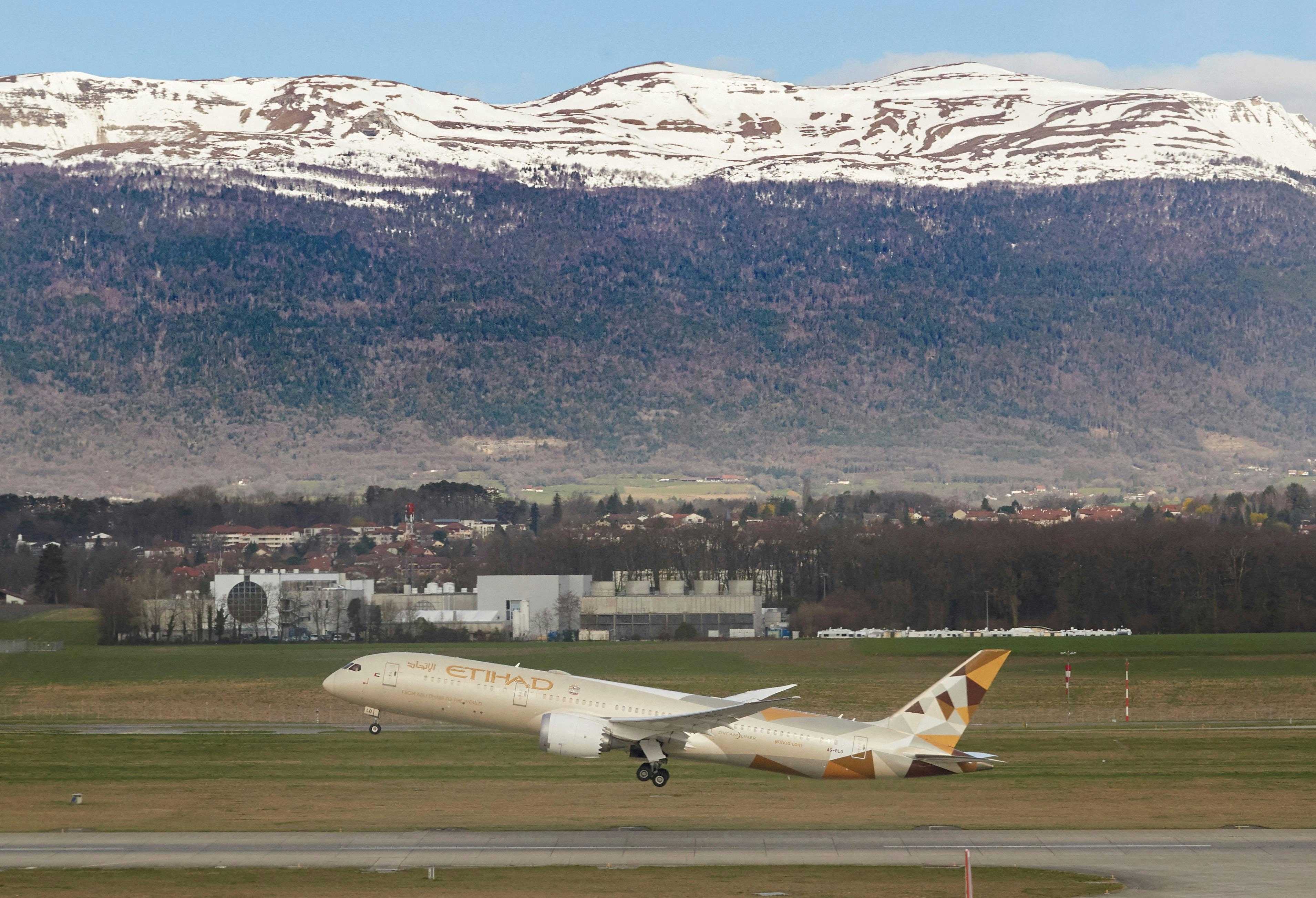
Etihad CEO Cites Aircraft Capacity as Limiting Factor Amid Growth in China and Africa
Artificial Intelligence Enters the Cockpit
