
KI-Erkenntnisse in konkrete Maßnahmen überführen

Trends
Categories
China Conducts First Flight Test of Megawatt Hydrogen Turboprop Engine
China Conducts First Flight Test of Megawatt Hydrogen Turboprop Engine
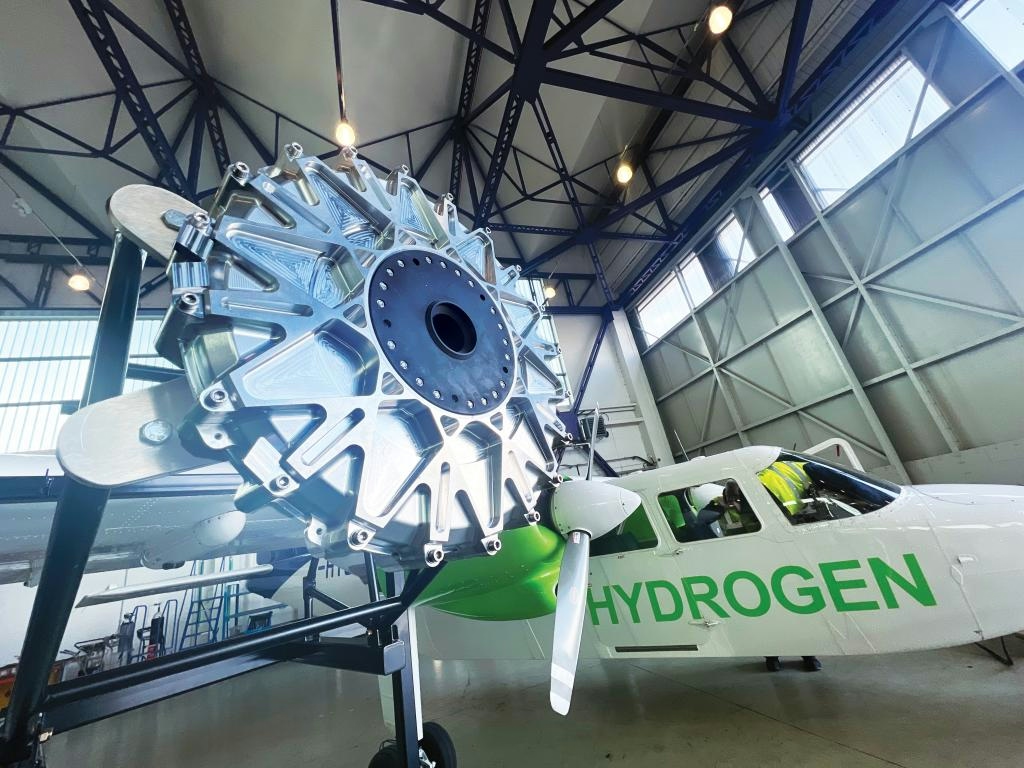
China has reached a pivotal milestone in sustainable aviation with the successful inaugural flight of its first megawatt-class hydrogen-fueled turboprop engine. Developed independently by the Aero Engine Corporation of China (AECC), the AEP100 engine powered a 7.5-tonne unmanned cargo aircraft during a 16-minute test flight conducted in Zhuzhou, central China, according to state media reports.
Details of the Flight Test
During the test, the aircraft covered a distance of 36 kilometers at a cruising speed of 220 km/h while maintaining an altitude of 300 meters. Engineers overseeing the operation confirmed that the hydrogen engine performed smoothly throughout the flight, executing all planned maneuvers before the aircraft returned safely to base. This demonstration is regarded by experts as the world’s first successful flight of a megawatt-class hydrogen turboprop engine, underscoring China’s advancements in integrating hydrogen propulsion technology into practical aviation applications.
Project leaders emphasize that this achievement establishes a comprehensive technological framework for hydrogen aviation engines within China, encompassing everything from critical components to full system integration. This development positions China as a potential frontrunner in the global effort to decarbonize aviation, a sector widely recognized as one of the most difficult to transition away from fossil fuels.
Strategic and Economic Implications
The breakthrough coincides with a continued decline in the cost of green hydrogen production, enhancing the economic and strategic viability of hydrogen-powered aviation. Hydrogen engines promise improved energy security by reducing reliance on conventional aviation fuels and diversifying supply chains. Initial deployment is expected to focus on low-altitude, unmanned cargo transport and logistics operations in remote or island regions, with prospects for future expansion into regional and potentially commercial passenger aviation.
Beyond aviation, this development is anticipated to stimulate growth across related sectors, including hydrogen production, storage, transportation, refueling infrastructure, advanced materials, and high-end manufacturing. Industry experts suggest that such progress could accelerate the transition toward a greener aviation industry and support broader objectives for sustainable economic development.
Global Competition and Ongoing Challenges
China’s advancement emerges amid intensifying international competition in hydrogen aviation technology. Leading aerospace companies such as Airbus are advancing their own hydrogen propulsion initiatives, including the ZEROe hydrogen fuel cell aircraft concept, while Germany has increased funding for hydrogen propulsion systems. Additionally, firms like ZeroAvia are actively working to commercialize hydrogen-powered aircraft, reflecting a global shift toward sustainable aviation solutions.
Despite the successful test, significant challenges remain. Scaling hydrogen fuel systems for larger aircraft, navigating complex regulatory approval processes, and meeting stringent certification standards present formidable obstacles. Established aerospace manufacturers are also expected to accelerate their hydrogen initiatives in response to China’s progress, potentially reshaping the competitive landscape.
Market reactions to China’s breakthrough may include heightened interest in sustainable aviation fuels and increased investment in hydrogen technologies worldwide. While commercial hydrogen-powered flight remains in development, this achievement marks a substantial step forward in advancing cleaner and more sustainable aviation technologies.

Etihad Airways Suspends Airbus A380 Flights on Key Route

Aditya Birla Group Seeks Approval for Aircraft Leasing in GIFT City

Qatar Airways Highlights Innovation and Connectivity at Arabian Travel Market 2026

Hong Kong's Five-Year Plan Includes Andrew Fan's Aircraft Parts Processing Hub Proposal

ACIA Aero Leasing Delivers ATR72-600 to Air Nostrum

RTX Appoints Jill Albertelli as Head of Pratt & Whitney

TAT Technologies Joins Beyond Aero Hydrogen Aircraft Program

AURAK Study Highlights Barriers to Air Taxi Adoption in Emerging Economies

Xiamen Air Selects Altitude for 787 Maintenance at Heathrow

Etihad and Swissport Extend Global Partnership
