
KI-Erkenntnisse in konkrete Maßnahmen überführen

Trends
Categories
China Develops Hydrogen-Powered Plane Amid Oil Supply Concerns
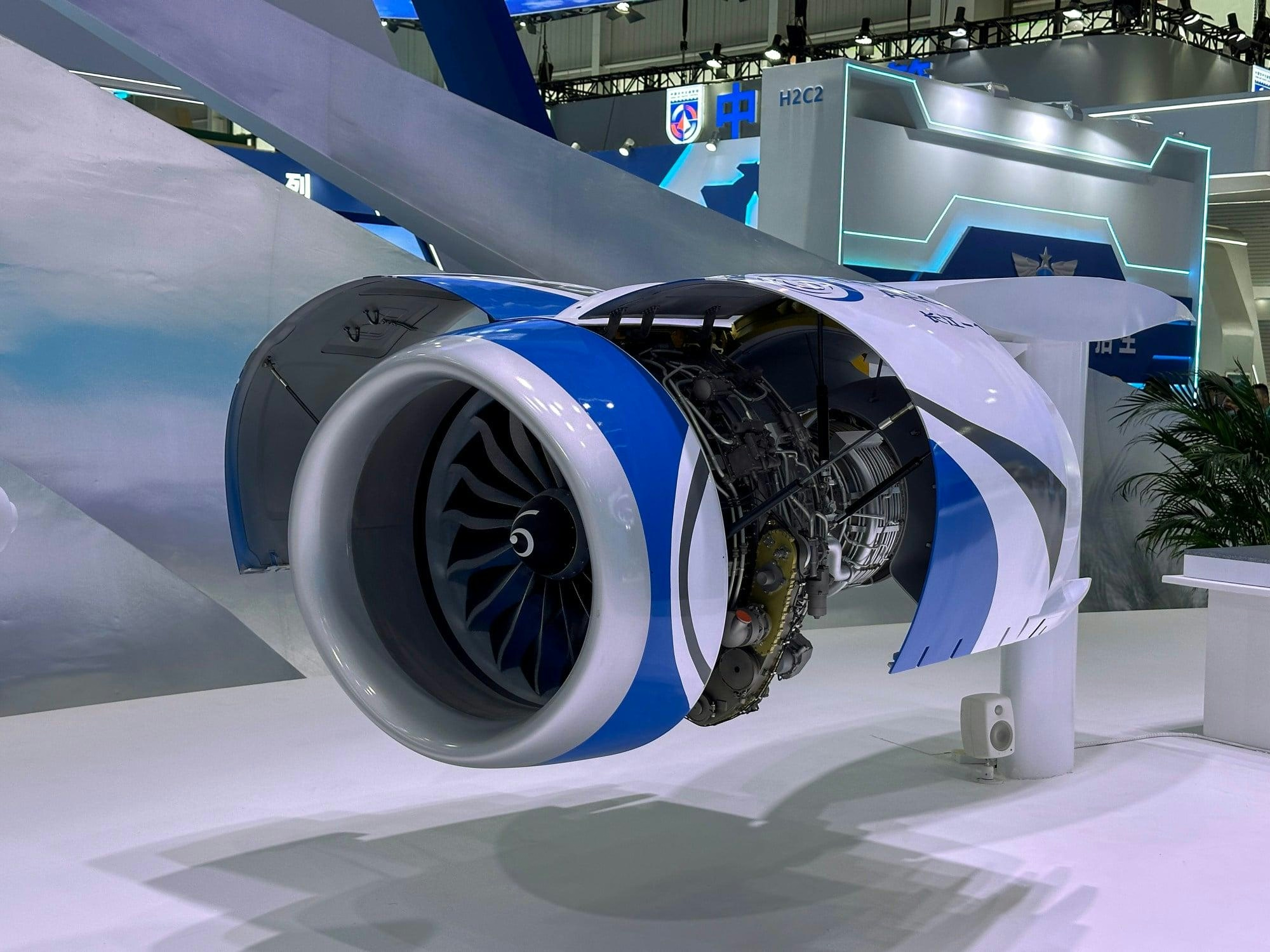
China Advances Hydrogen-Powered Aviation Amid Global Energy Concerns
The aerospace sector is intensifying its pursuit of hydrogen-based propulsion systems, focusing primarily on two technological avenues: turbine engines fueled by liquid hydrogen (LH2) and electric engines powered by hydrogen fuel cells. While Airbus declared in 2025 its commitment to prioritizing hydrogen fuel cell technology, China is actively developing initiatives to modify existing turbine engine designs for hydrogen use. This reflects a broader international competition to establish dominance in next-generation commercial aviation technologies.
Technological Challenges and Innovations
Both approaches to hydrogen propulsion hold significant promise but face formidable technical challenges, particularly in the storage of hydrogen onboard aircraft. Liquid hydrogen must be maintained at cryogenic temperatures near minus 423 degrees Fahrenheit, necessitating large, heavy storage tanks that pose a critical weight penalty in aviation. To mitigate these issues, the industry is exploring advanced composite dewar tanks, a technology currently under development by NASA for aerospace and rocket applications. Although these innovations offer potential solutions, integrating such systems into commercial aircraft remains a complex and demanding task.
Strategic Implications Amid Oil Supply Uncertainty
China’s commitment to developing hydrogen-powered aircraft emerges against a backdrop of increasing concerns over the stability of global oil supplies. Geopolitical tensions affecting oil markets have prompted not only China but also European and American competitors to accelerate investments in alternative propulsion technologies, including sustainable aviation fuels and hydrogen. This intensifying competition is expected to influence market dynamics and stimulate further innovation as nations strive to secure technological leadership in the evolving aviation landscape.
Regulatory and Market Barriers to Adoption
Despite technological progress, the widespread adoption of hydrogen-powered aircraft faces significant regulatory and market challenges. Achieving commercial viability will require global scaling of hydrogen use, necessitating substantial investments by major airports in hydrogen storage infrastructure and the establishment of new supply chain partnerships to ensure reliable hydrogen availability. Governments worldwide will play a pivotal role by supporting infrastructure development, implementing policies to reduce hydrogen production costs, and encouraging sustainable manufacturing practices.
The future of hydrogen-powered aviation hinges on coordinated efforts across technology development, regulatory frameworks, and market readiness. As the industry confronts these multifaceted challenges, the trajectory of commercial flight will be shaped by the interplay of environmental imperatives and shifting global energy dynamics.

Etihad and Swissport Extend Global Partnership

Sepehran Airlines B737 Returns to Mashhad After Tyre and Engine Issues

Etihad Deploys Widebody Fleet to Meet Strong Demand

Korean Air Finalizes $36.2 Billion Deal with Boeing

Australia’s RFDS Queensland Section Orders Six King Air 260Cs

Korean Air Finalizes Order for 103 Boeing Jets and Engines

Embraer E195-E2 Features Distinctive Engine Placement Among Regional Jets

What Passengers Can Expect on Boeing’s New 777X Jet

How Ethiopian Airlines Became Africa’s Leading Carrier Amid Gulf Competition

Joby Aviation Extends Autonomous Flight Capabilities with Cross-Country Tour
