
KI-Erkenntnisse in konkrete Maßnahmen überführen

Trends
Categories
China Welcomes 68 Million Tourists Amid Travel Disruptions with Visa Expansion and AI in Aviation

China Welcomes 68 Million Tourists Amid Travel Disruptions with Visa Expansion and AI in Aviation
In 2025, China solidified its position as a dominant force in international tourism by welcoming a record 68 million visitors, a figure nearly three times the global growth rate. The tourism sector expanded by 9.9% to reach $1.8 trillion, more than doubling the global average. This remarkable growth is attributed to a combination of coordinated government policies, technological innovation, and sustained investment in infrastructure, enabling China to stand out amid widespread travel disruptions and airport congestion worldwide.
Leveraging AI and Modern Infrastructure for Seamless Travel
While many Western transit hubs continue to grapple with flight cancellations and logistical challenges, China has adopted advanced artificial intelligence and modernized aviation systems to create a more efficient travel environment. AI-driven crowd management and predictive analytics, coupled with high-speed rail connections integrated directly into airport terminals, have allowed major cities such as Beijing and Shanghai to process large volumes of travelers with remarkable efficiency. These technological advancements have shielded visitors from countries including the United Kingdom, Russia, the United States, South Korea, Japan, Thailand, Malaysia, and Singapore from the travel disruptions affecting other global hubs.
Visa Facilitation and Border Modernization
A key driver of China’s tourism surge has been its expansive visa facilitation strategy. Currently, nearly 80 nationalities benefit from visa-free entry, while travelers from 55 countries can take advantage of a streamlined ten-day transit visa option. The introduction of digital visa applications, biometric entry systems, and automated immigration gates has modernized border processing, enabling customs officials to manage unprecedented passenger volumes swiftly and efficiently. These measures have significantly lowered entry barriers and minimized the risk of terminal congestion, a common issue in less technologically advanced nations.
Diversified Destinations Fueling Growth
China’s tourism boom is not confined to its major metropolitan centers but is distributed across a diverse range of destinations. Beijing and Shanghai remain primary international gateways, attracting millions with their unique blend of historical landmarks and modern luxury. The integration of AI-powered systems and transport links ensures smooth passenger flows for both business and leisure travelers. Interior cities such as Xi’an, renowned for its archaeological heritage, and Chengdu, emerging as a culinary and lifestyle hub, are experiencing rapid growth supported by the high-speed rail network that connects them seamlessly to coastal mega-cities. This connectivity facilitates multi-city itineraries and reduces dependence on domestic flights. Additionally, regions like Yunnan and Hainan appeal to nature enthusiasts, offering mountainous landscapes and tropical resorts that further diversify China’s tourism portfolio.
Innovation Amid Ongoing Challenges
The continued integration of AI technologies across aviation and hospitality sectors, alongside the development of cultural intellectual property, remains central to the expansion of China’s tourism industry. Nevertheless, challenges persist. Despite improvements in visa facilitation and digital infrastructure, some international visitors still encounter slow visa processing times and limited digital access. Furthermore, China faces difficulties in retaining top AI talent due to travel restrictions and stringent government approval processes affecting leading researchers and startup founders.
Outlook
By combining technological innovation, expansive visa policies, and robust infrastructure development, China is redefining resilience in global tourism. With international visitor spending projected to reach approximately $135 billion, the country’s tourism economy is positioned for sustained high growth, even as it contends with the complexities of talent retention and digital accessibility.

Bangladesh Launches Initiative to Become Regional Aviation Hub
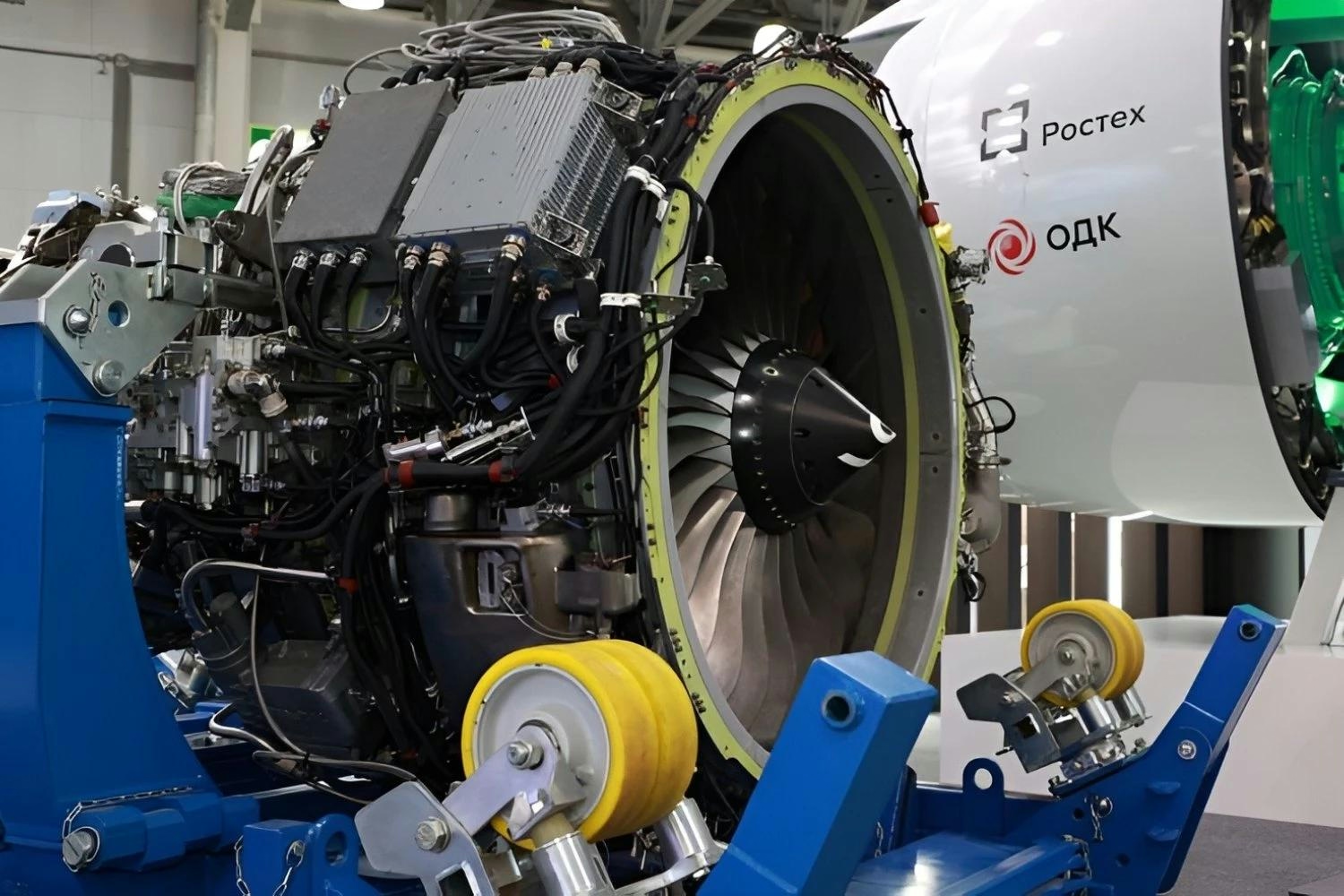
Russia Transports PD-8 Engine to India for International Certification

Kyrgyzstan to Adopt EMPIC GmbH Software for Flight Safety Oversight

Why Hawaiian Airlines Is Waiting Until 2028 To Add A Premium Economy Cabin To Its Airbus A330 Fleet

Engine Fault Causes Royal Navy Helicopter Crash Fatality

Joby Aviation Begins Texas Air Taxi Test Flights Amid Stock Decline

Iberia Receives Full Approval for Airbus A350 Heavy Maintenance

NetJets to Construct Terminal and Hangar at Dallas Love Field

Using AI in Aircraft Purchases

CIAM Unveils RPD-150T Engine to Replace Rotax 150 hp Model
