
KI-Erkenntnisse in konkrete Maßnahmen überführen

Trends
Categories
Collins Advances Electric Aircraft Technology
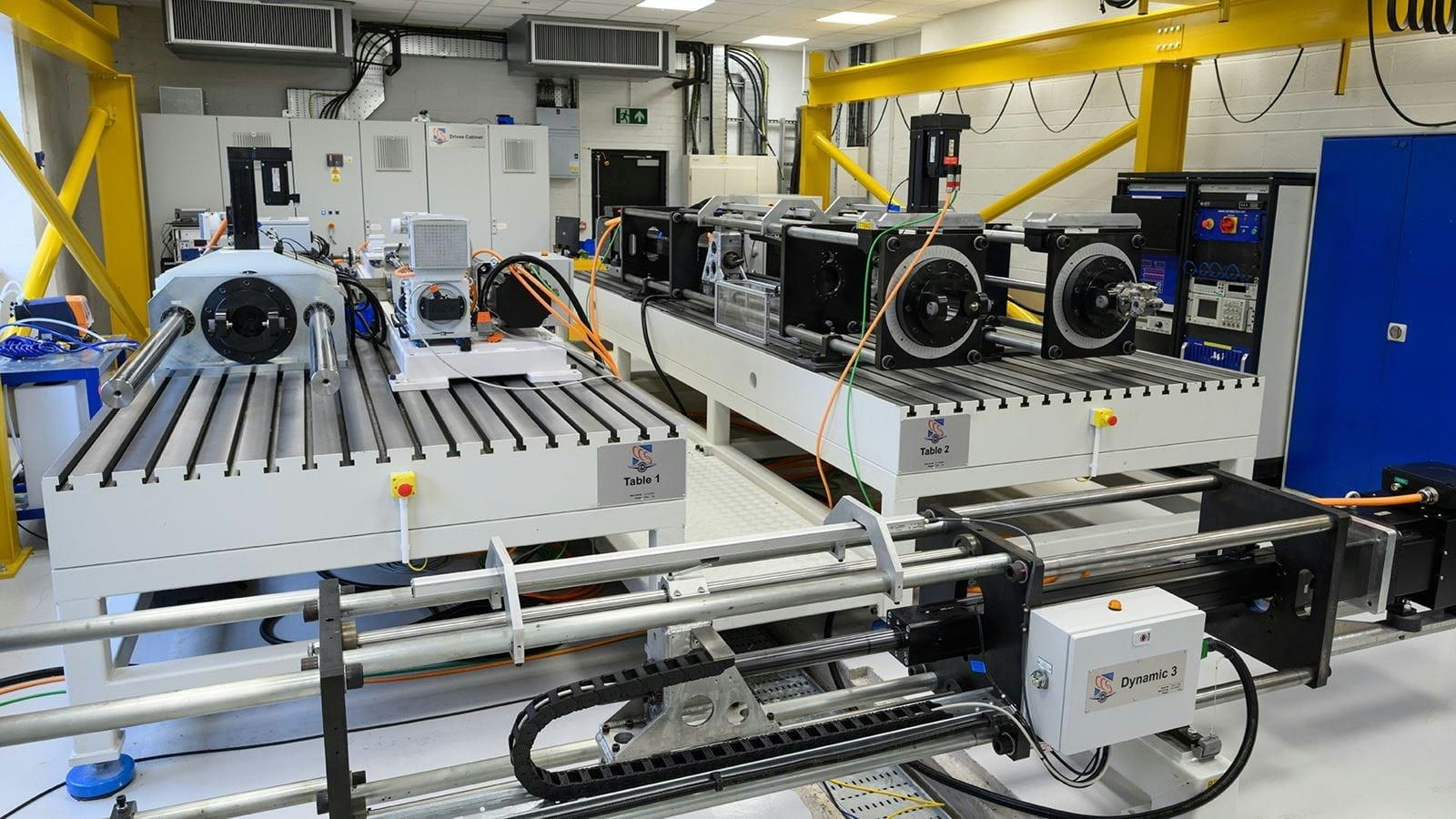
Collins Advances Electric Aircraft Technology
Collins Aerospace has officially opened its fully operational Engineering Center of Excellence in Wolverhampton, marking a pivotal advancement in the development and testing of next-generation electric thrust reverser actuation systems (elecTRAS) for commercial aviation. This new UK facility is equipped with a modular and scalable test centre designed to support every stage of aircraft actuation system development, from initial design and validation through to final certification.
Enhancing Development Through Advanced Testing
The state-of-the-art testing environment enables engineers to rigorously evaluate individual components, actuators, subsystems, and fully integrated systems under realistic operating conditions. This comprehensive capability facilitates the early detection and resolution of potential design issues, which is anticipated to reduce programme delays, lower development costs, and offer greater flexibility for future aircraft applications. By consolidating expertise in electric thrust reverser systems and nacelle actuation design, the centre fosters closer collaboration throughout the product development cycle, accelerating innovation in electric systems, motor control technologies, and intelligent control algorithms.
The modular design of the facility allows testing equipment to be reconfigured for various aircraft programmes and system variants, enhancing scalability and shortening development timelines for upcoming products. This adaptability is crucial as the aerospace industry increasingly embraces more-electric aircraft technologies aimed at improving efficiency and reducing operating costs.
The Shift to More-Electric Aircraft and Industry Implications
Collins’ elecTRAS system replaces traditional hydraulic actuation with an all-electric solution, eliminating the need for hydraulic fluids and simplifying system architecture. At the aircraft level, this transition can reduce nacelle actuation weight by 15 to 20 percent, contributing to lower fuel consumption, enhanced operational performance, and decreased maintenance requirements. The company’s investment in the Wolverhampton centre underscores the broader industry trend toward electrification as manufacturers seek to optimize aircraft efficiency and sustainability.
Despite these advancements, the shift to more-electric aircraft presents significant challenges. The integration of advanced battery technologies, such as solid-state batteries, promises improved safety and higher energy density compared to conventional lithium-ion batteries. However, technical hurdles remain, including issues of system compatibility and cost. Market responses to these developments are mixed; while some stakeholders express optimism about the potential for extended range and faster charging capabilities, others remain cautious due to the complexities and expenses associated with adopting new battery systems.
Competitors are closely observing Collins’ progress. Some may intensify their own research and development efforts to remain competitive or surpass these innovations, while others might adopt a more measured approach, awaiting clearer evidence of commercial viability before committing substantial resources.
Operational Success and Future Prospects
Collins’ elecTRAS technology is already proven in commercial service, notably on the Airbus A350 family. By 2025, the system had accumulated over 15 million flight hours and 2.2 million flight cycles across a fleet exceeding 700 aircraft. The extensive operational experience gained is informing the development of the next generation of electric actuation systems, supporting ongoing improvements in efficiency, reliability, and overall aircraft performance. These advancements align with the aviation sector’s broader goals of reducing operating costs and minimizing environmental impact.

Etihad and Swissport Extend Global Partnership
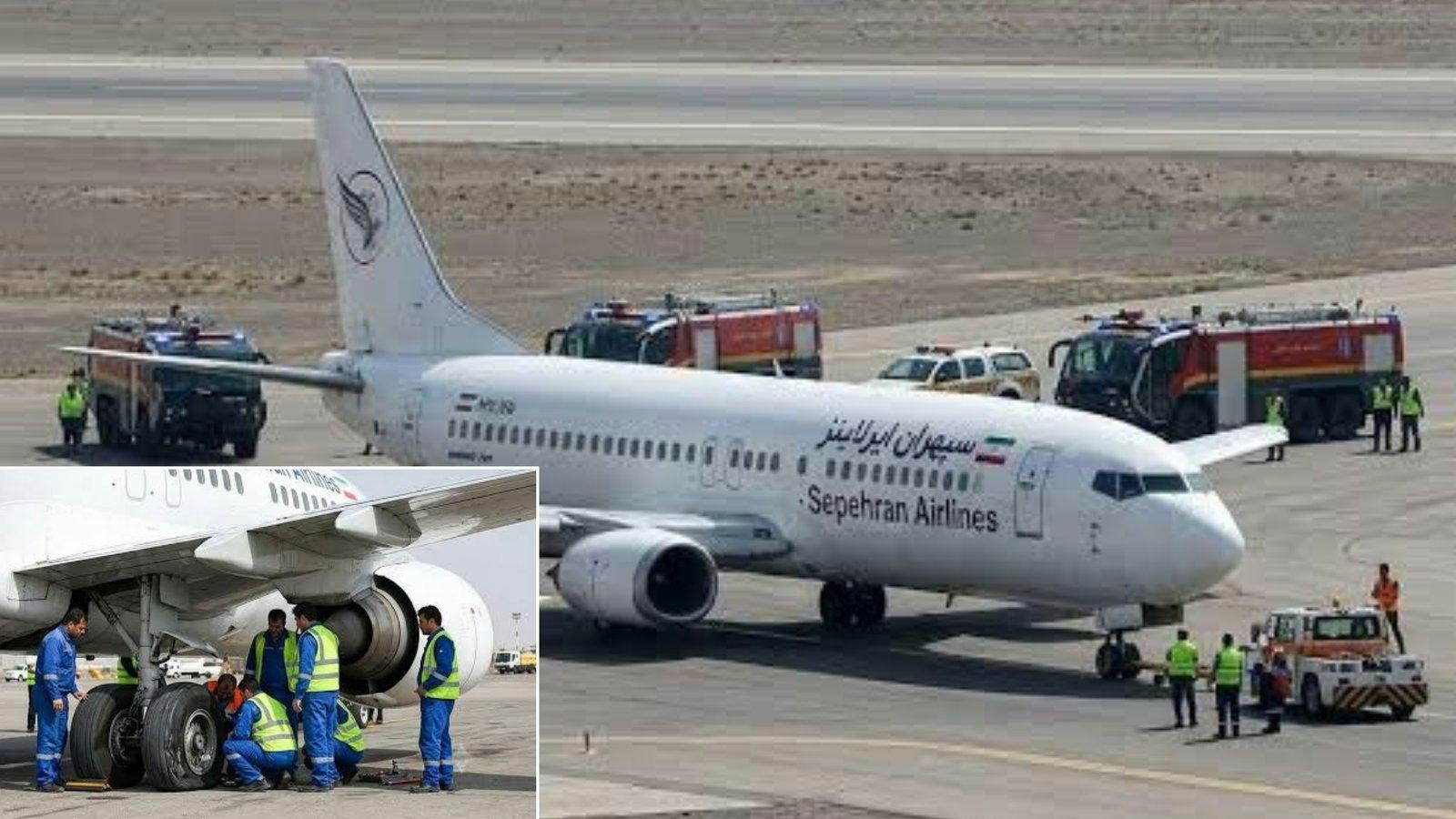
Sepehran Airlines B737 Returns to Mashhad After Tyre and Engine Issues

Etihad Deploys Widebody Fleet to Meet Strong Demand

Korean Air Finalizes $36.2 Billion Deal with Boeing
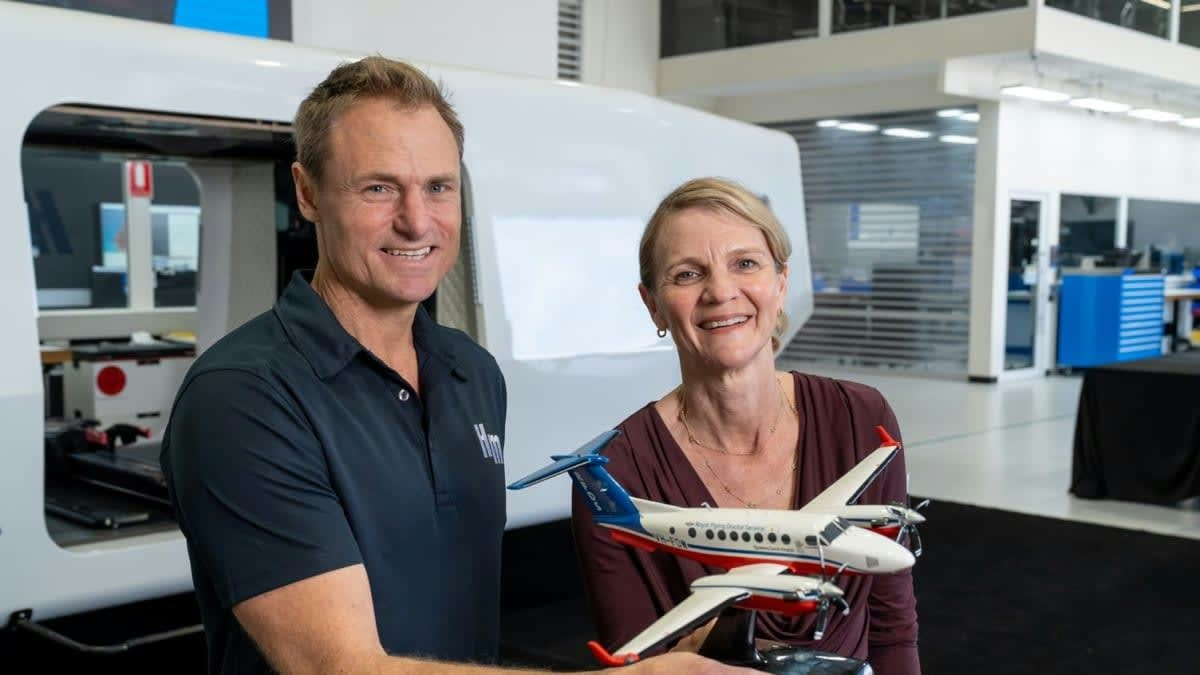
Australia’s RFDS Queensland Section Orders Six King Air 260Cs
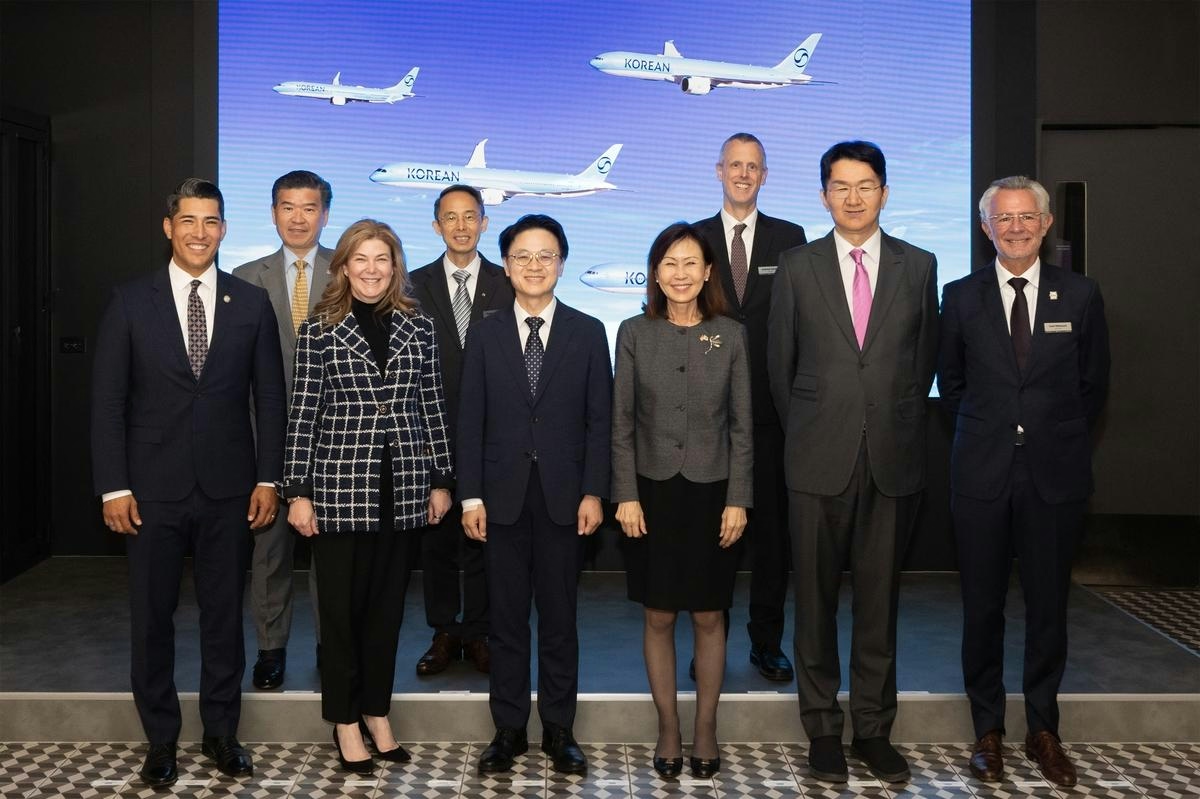
Korean Air Finalizes Order for 103 Boeing Jets and Engines
Embraer E195-E2 Features Distinctive Engine Placement Among Regional Jets
What Passengers Can Expect on Boeing’s New 777X Jet

How Ethiopian Airlines Became Africa’s Leading Carrier Amid Gulf Competition
Joby Aviation Extends Autonomous Flight Capabilities with Cross-Country Tour
