
KI-Erkenntnisse in konkrete Maßnahmen überführen

Trends
Categories
Commercial aircraft market strengthens as deliveries hit eight-year high
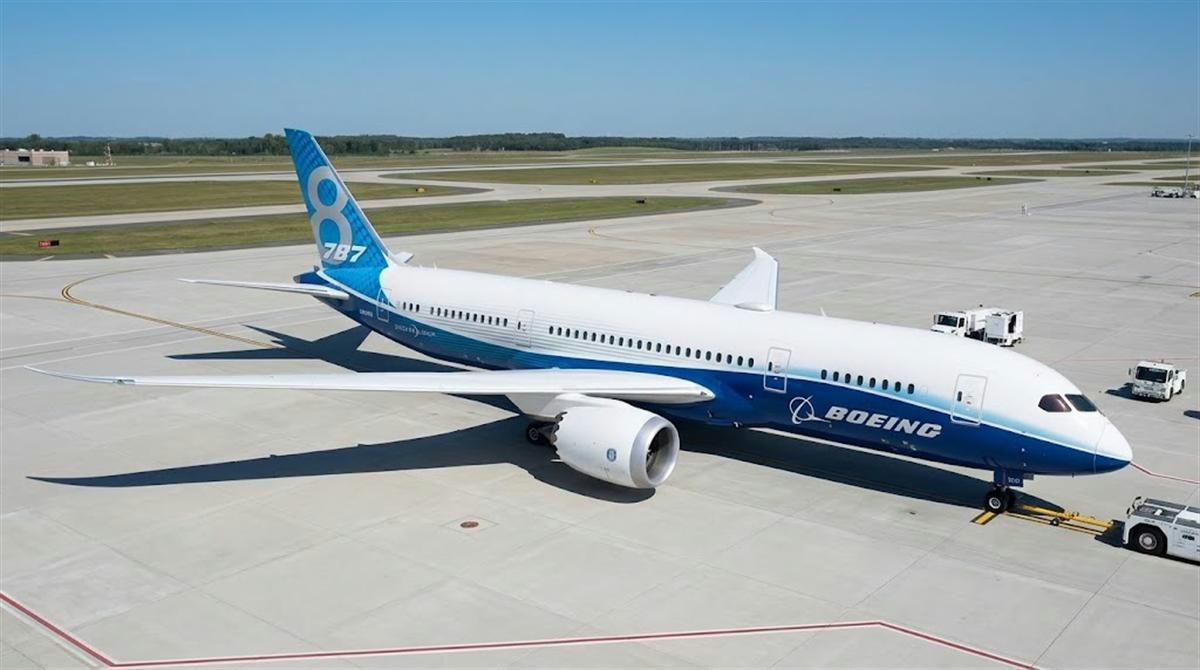
Commercial Aircraft Deliveries Reach Eight-Year Peak in First Half of 2026
The commercial aircraft market demonstrated robust growth in the first half of 2026, with manufacturers delivering a total of 673 aircraft—a 13 percent increase compared to the same period last year. This marks the highest volume of deliveries in the opening six months since 2018. June alone saw a notable surge, with 155 aircraft handed over, representing a 25 percent rise year on year. Despite persistent supply-chain challenges, production momentum has continued to strengthen, underscoring a steady recovery within the aerospace manufacturing sector.
Airbus and Boeing dominated the delivery figures, accounting for the vast majority of aircraft handed over during this period. China’s COMAC contributed eight deliveries, reflecting its growing presence in the global market. However, while deliveries accelerated, monthly order activity showed signs of moderation; airlines placed orders for 192 aircraft in June, a 40 percent decline compared with June 2025.
Record Backlog and Shifting Demand Patterns
Airline demand remained strong overall, with 1,331 gross orders recorded in the first half of 2026, marking a 15 percent increase year on year. This sustained purchasing activity pushed the global commercial aircraft backlog to an unprecedented 16,925 aircraft by the end of June, representing the fourth consecutive monthly increase and a new record. According to ADS, the UK aerospace industry body, this backlog equates to approximately 12 years of production at current manufacturing rates. The UK’s share of this future production pipeline is valued between £341 billion and £393 billion.
The single-aisle, or narrowbody, segment emerged as the primary driver of market growth. Airlines’ focus on fleet renewal and capacity expansion for short- and medium-haul routes fueled a 59 percent increase in single-aisle orders, which reached 1,074 aircraft—the highest first-half total ever recorded for this category. Narrowbody aircraft accounted for 81 percent of all orders in H1 2026, a significant rise from 58 percent in the same period last year. Deliveries in this segment also rose by 15 percent to 566 aircraft.
In contrast, demand for widebody aircraft softened considerably. Orders for widebody jets declined by 47 percent to 257 aircraft, although deliveries in this category remained relatively stable, increasing slightly by 3 percent to 107 aircraft.
Ongoing Supply-Chain Challenges
While the increase in deliveries signals a positive trajectory for the aerospace manufacturing sector, production rates continue to be constrained by supply-chain pressures. Although output has improved since the disruptions caused by the pandemic, these challenges persist, limiting the pace at which manufacturers can meet growing airline demand. Looking ahead, ADS anticipates further order activity around the Farnborough International Airshow, as manufacturers and airlines continue to expand their fleet plans in response to evolving market conditions.

Etihad and Swissport Extend Global Partnership
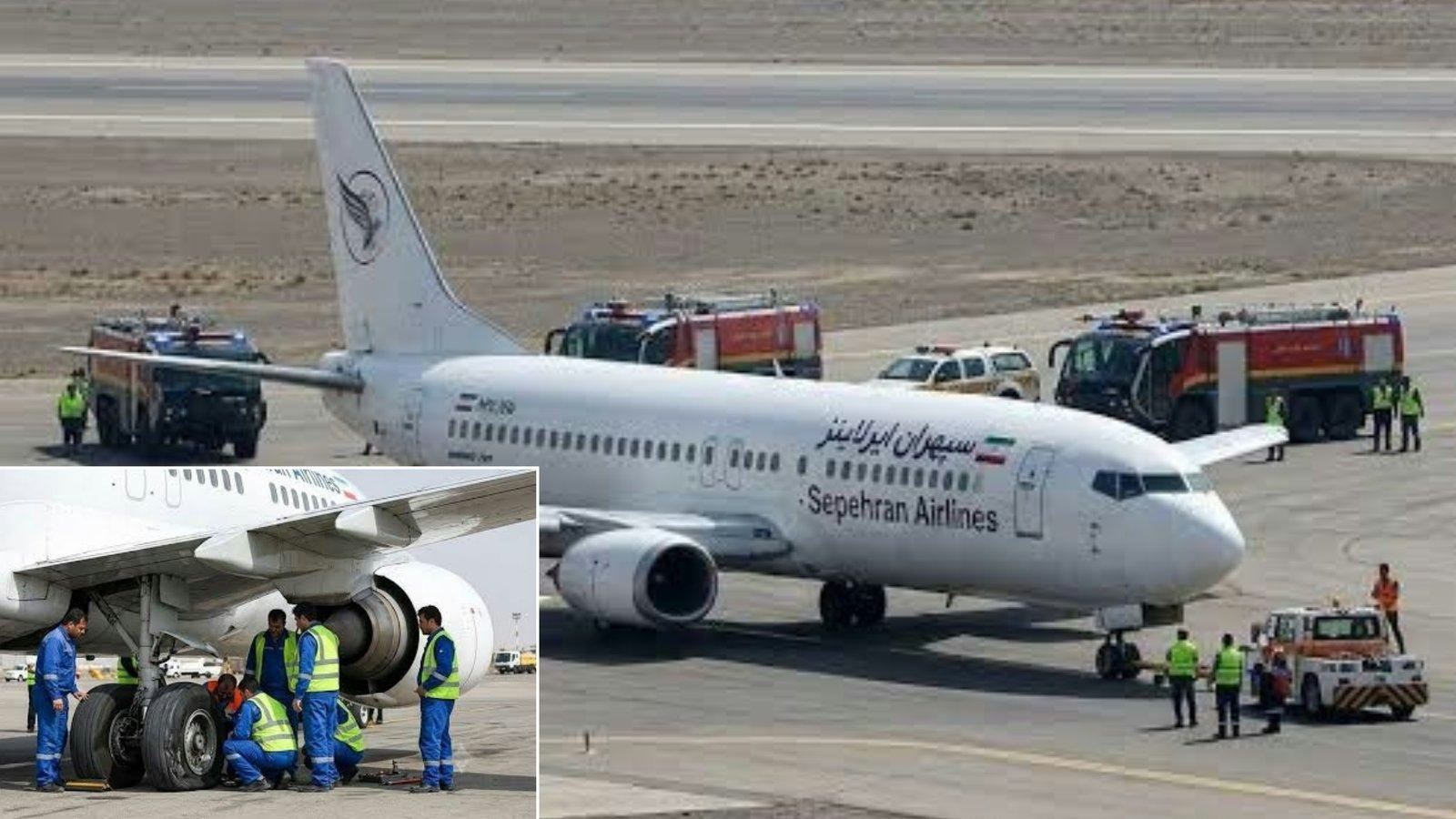
Sepehran Airlines B737 Returns to Mashhad After Tyre and Engine Issues

Etihad Deploys Widebody Fleet to Meet Strong Demand
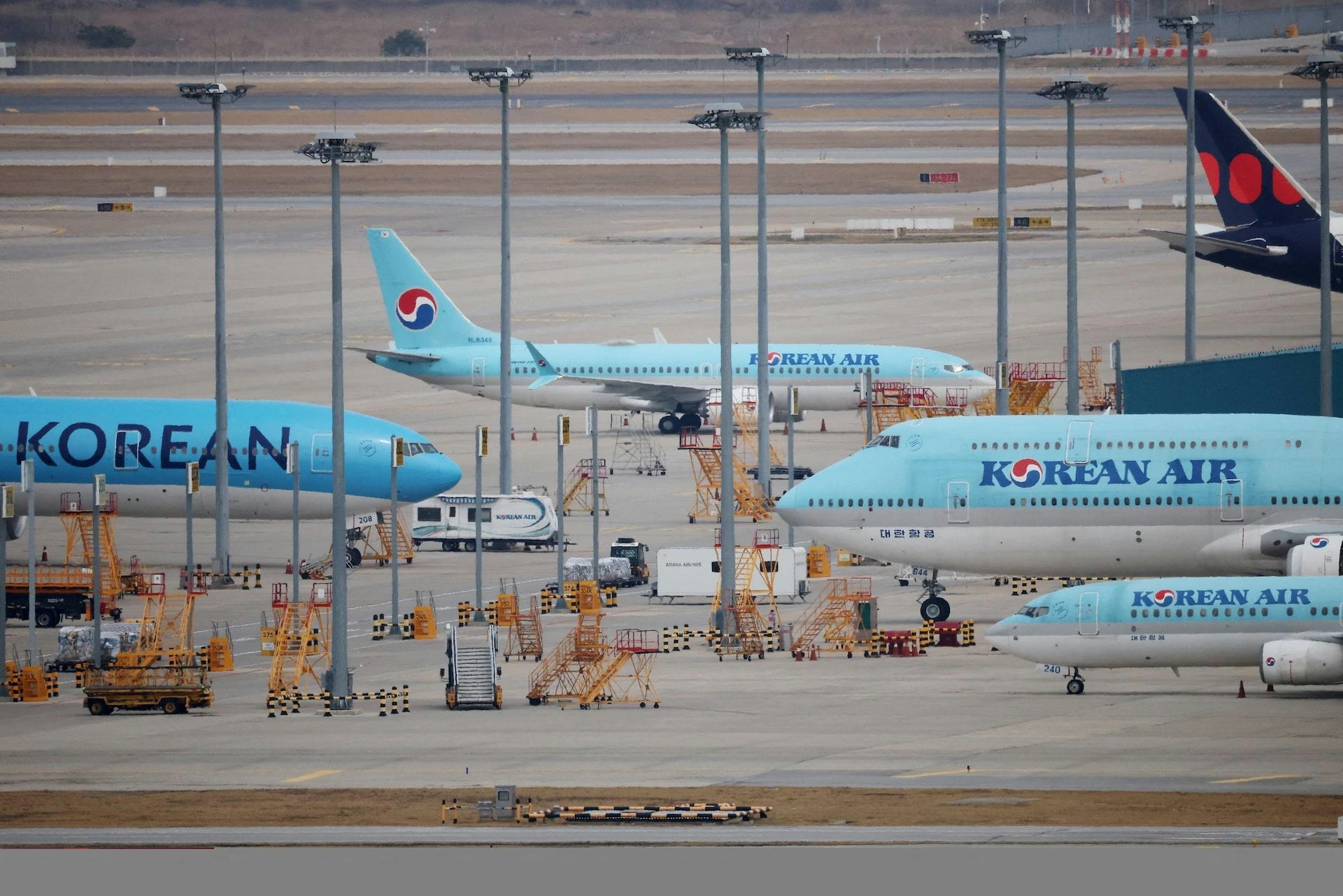
Korean Air Finalizes $36.2 Billion Deal with Boeing

Australia’s RFDS Queensland Section Orders Six King Air 260Cs

Korean Air Finalizes Order for 103 Boeing Jets and Engines
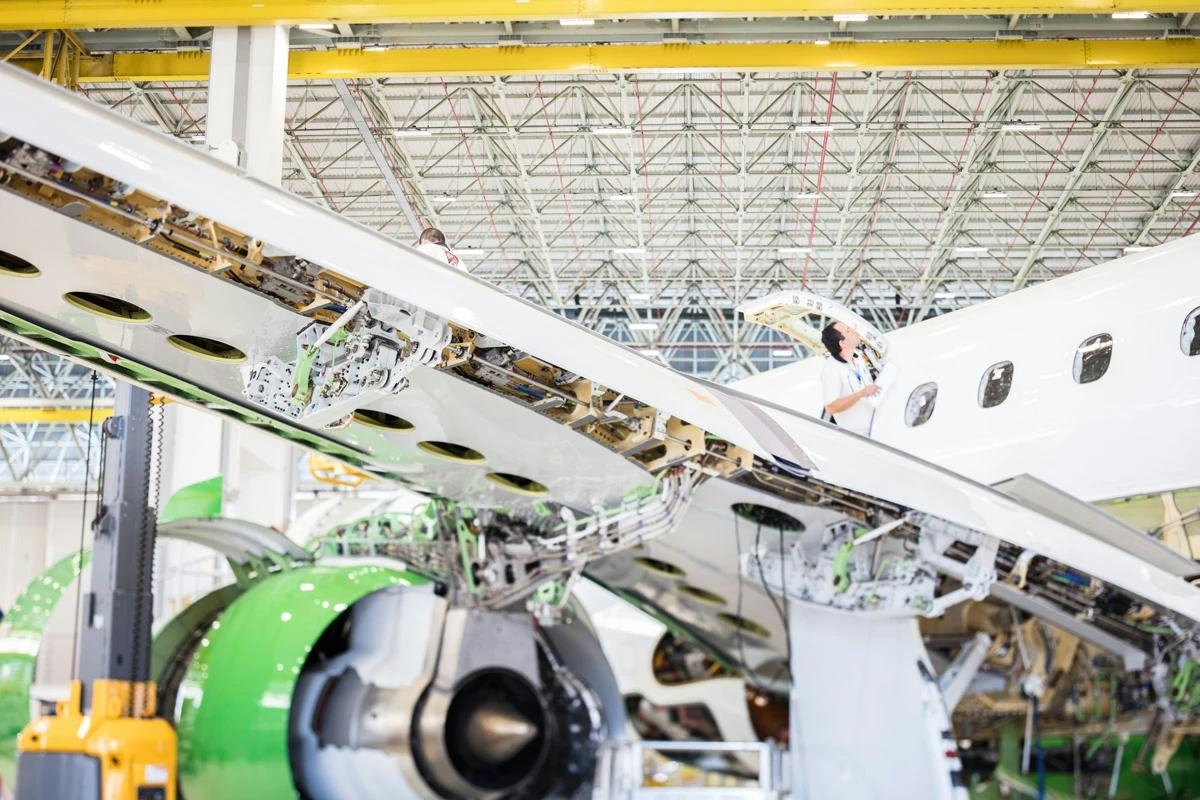
Embraer E195-E2 Features Distinctive Engine Placement Among Regional Jets
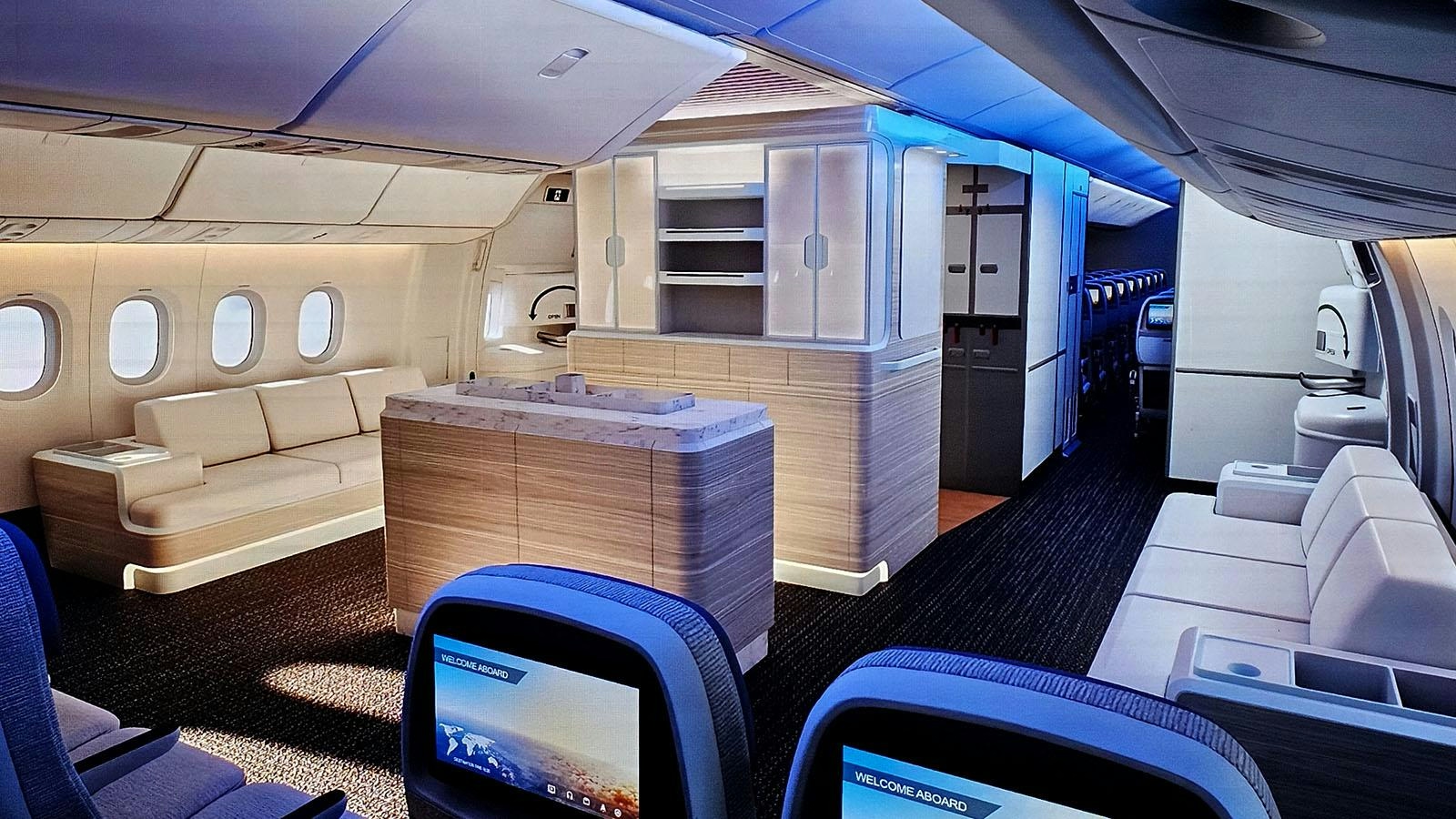
What Passengers Can Expect on Boeing’s New 777X Jet

How Ethiopian Airlines Became Africa’s Leading Carrier Amid Gulf Competition

Joby Aviation Extends Autonomous Flight Capabilities with Cross-Country Tour
