
KI-Erkenntnisse in konkrete Maßnahmen überführen

Trends
Categories
DFW Airport Cargo Grows as Airlines Expand Texas Aviation Supply Chain with New Warehouse in Grapevine
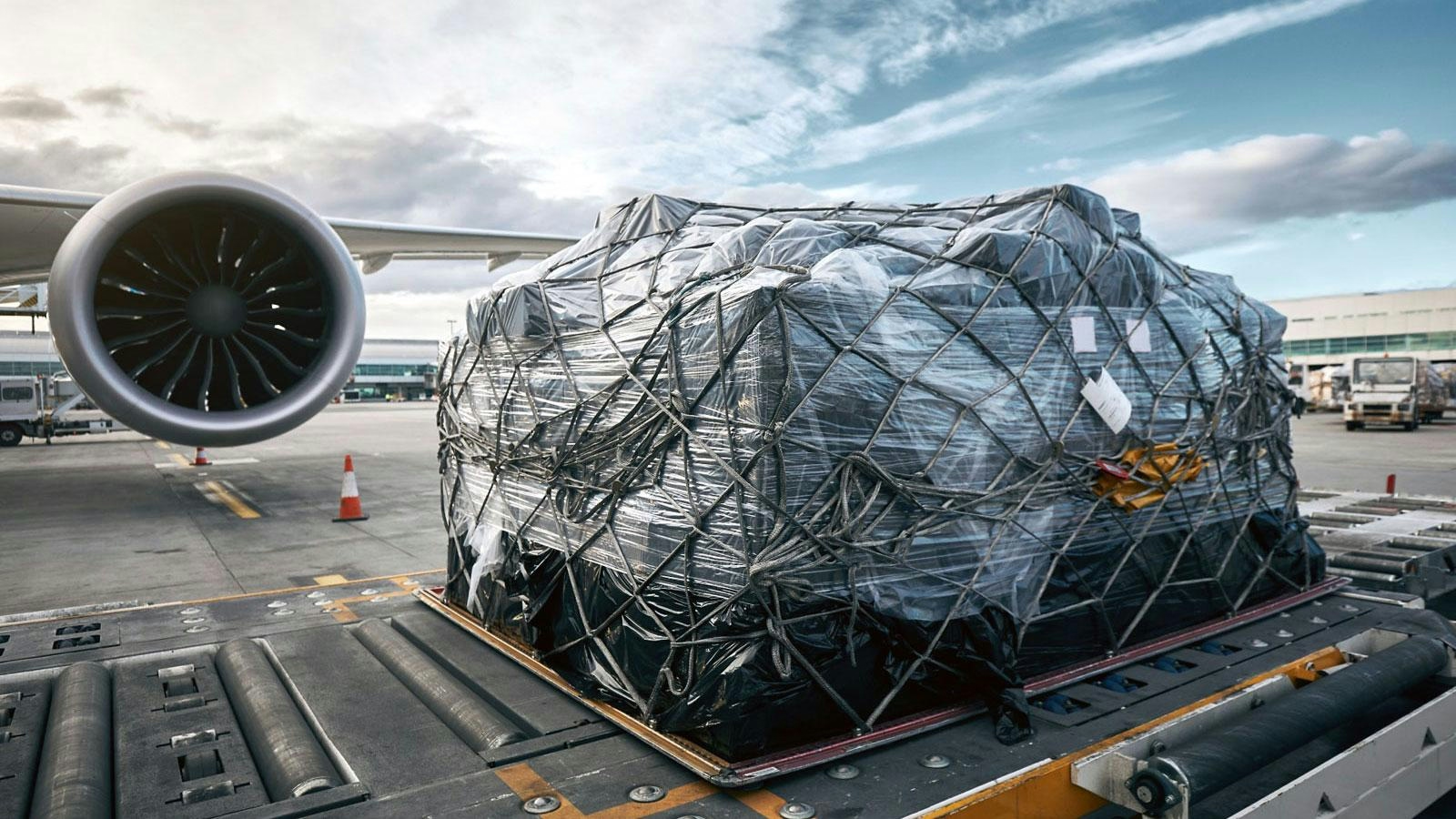
DFW Airport Cargo Expands with New Warehouse to Strengthen Texas Aviation Supply Chain
Dallas Fort Worth International Airport (DFW) is witnessing a notable increase in cargo operations as airlines and logistics companies invest heavily in expanding the Texas aviation supply chain. Central to this growth is AvAir, a prominent aviation parts supplier, which has commenced construction on a 45,000-square-foot warehouse in Grapevine, located just minutes from the airport. This new facility aims to streamline aircraft maintenance processes and reduce turnaround times, thereby reinforcing DFW’s position as a vital global logistics and passenger hub.
Enhancing Operational Efficiency for Major Airlines
The warehouse will serve key carriers such as American Airlines, United Airlines, Delta Air Lines, Lufthansa, and Emirates. By providing improved access to essential aircraft parts and maintenance services, the facility is expected to boost operational efficiency for both domestic and international flights. This development is particularly significant for routes connecting the United States with countries including the United Kingdom, Canada, Germany, Japan, Mexico, Brazil, and India—markets that have experienced increased cargo volumes through DFW in recent years.
This expansion addresses a critical need for timely Aircraft on Ground (AOG) services, enabling airlines to minimize downtime and maintain reliable schedules, especially during peak travel periods. Consequently, DFW is evolving beyond its role as a major international passenger gateway to become an indispensable node in the global airline logistics network.
Challenges and Competitive Landscape
Despite the promising growth, DFW’s cargo expansion faces several challenges. Fluctuations in global trade dynamics, shifting tariffs, and energy price volatility—particularly concerns related to Middle East shipping routes—pose risks to freight flows. Additionally, the integration of artificial intelligence in logistics and supply chain management is transforming operational practices, necessitating significant investments in technology and workforce development. Potential federal regulations affecting over-the-road capacity and the outcome of negotiations involving Class I railroads could further alter the competitive environment.
DFW also contends with increasing competition from other major airports. Miami International Airport, for instance, is expanding its facilities to capture a larger share of both passenger and cargo traffic. Within DFW itself, American Airlines is advancing its Terminal C expansion project, which aims to modernize operations at its largest hub and solidify the airport’s leadership in North American aviation.
Sustaining this momentum will require a strong demand driver to maintain volume and profitability amid these headwinds. Market responses and competitor strategies will be critical in shaping the future trajectory of DFW’s cargo operations.
As the airport prepares for the anticipated surge in cargo activity through 2026, strategic investments like AvAir’s new warehouse position DFW at the forefront of a global restructuring in aviation logistics. The airport is well placed to meet the evolving needs of airlines and shippers worldwide while navigating the complexities of a rapidly changing industry.

Etihad and Swissport Extend Global Partnership
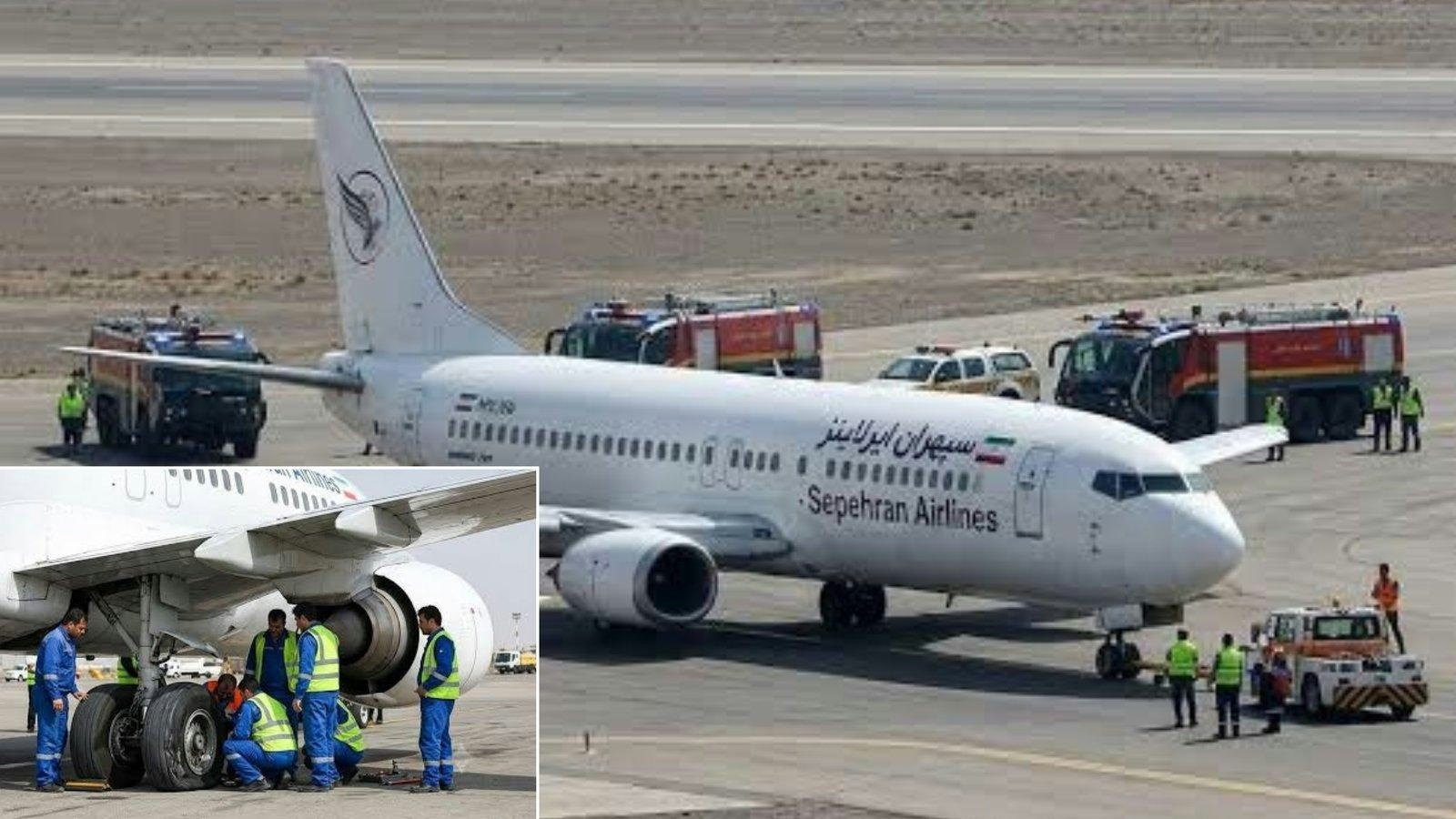
Sepehran Airlines B737 Returns to Mashhad After Tyre and Engine Issues

Etihad Deploys Widebody Fleet to Meet Strong Demand
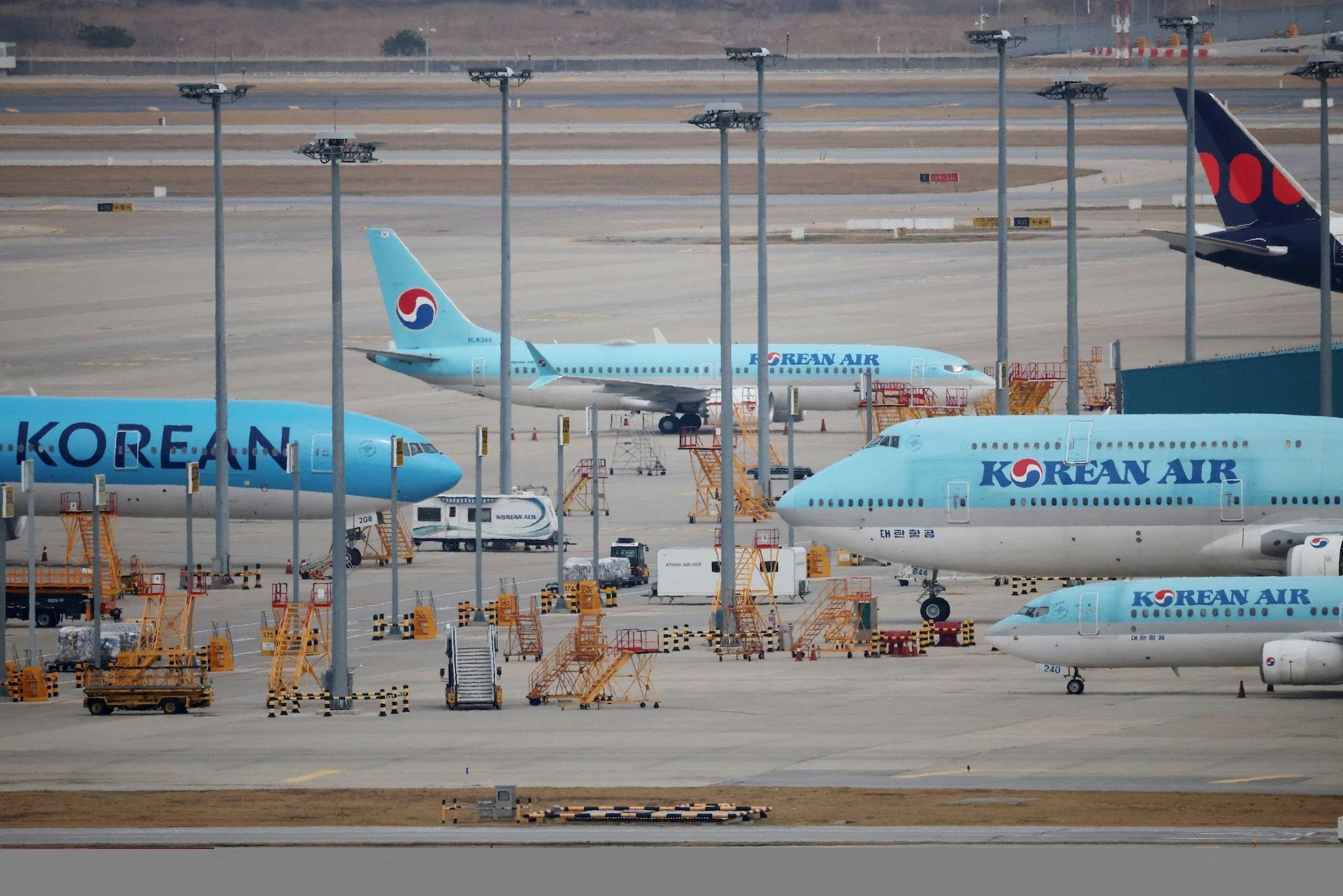
Korean Air Finalizes $36.2 Billion Deal with Boeing
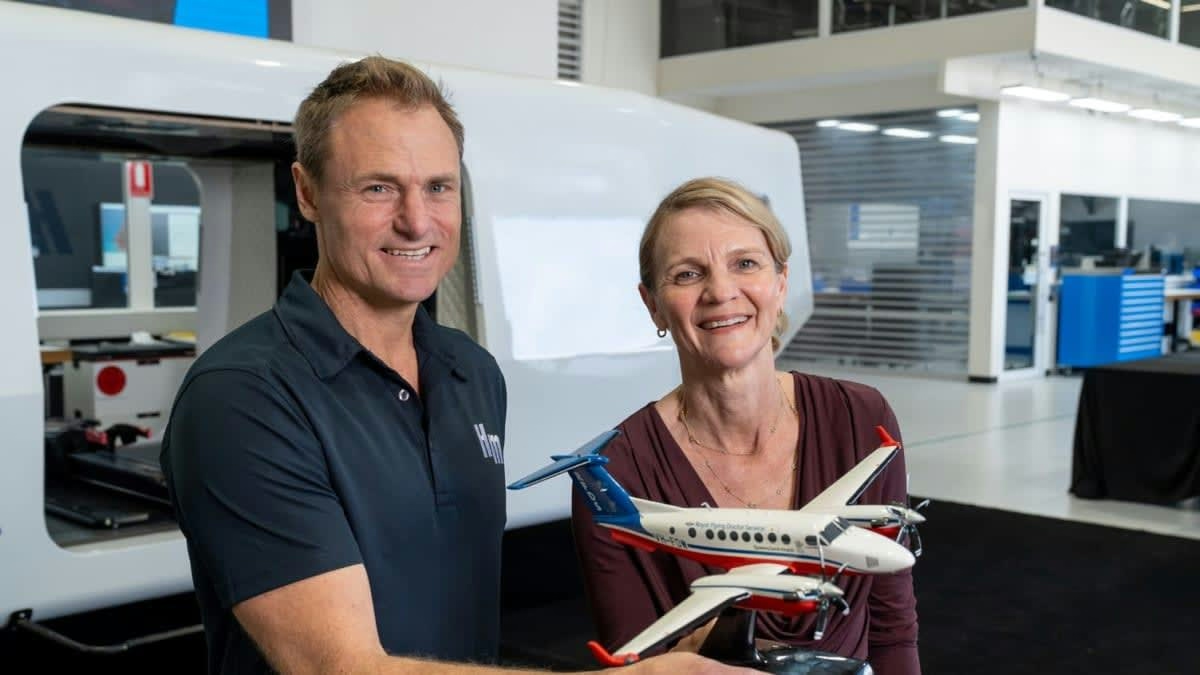
Australia’s RFDS Queensland Section Orders Six King Air 260Cs
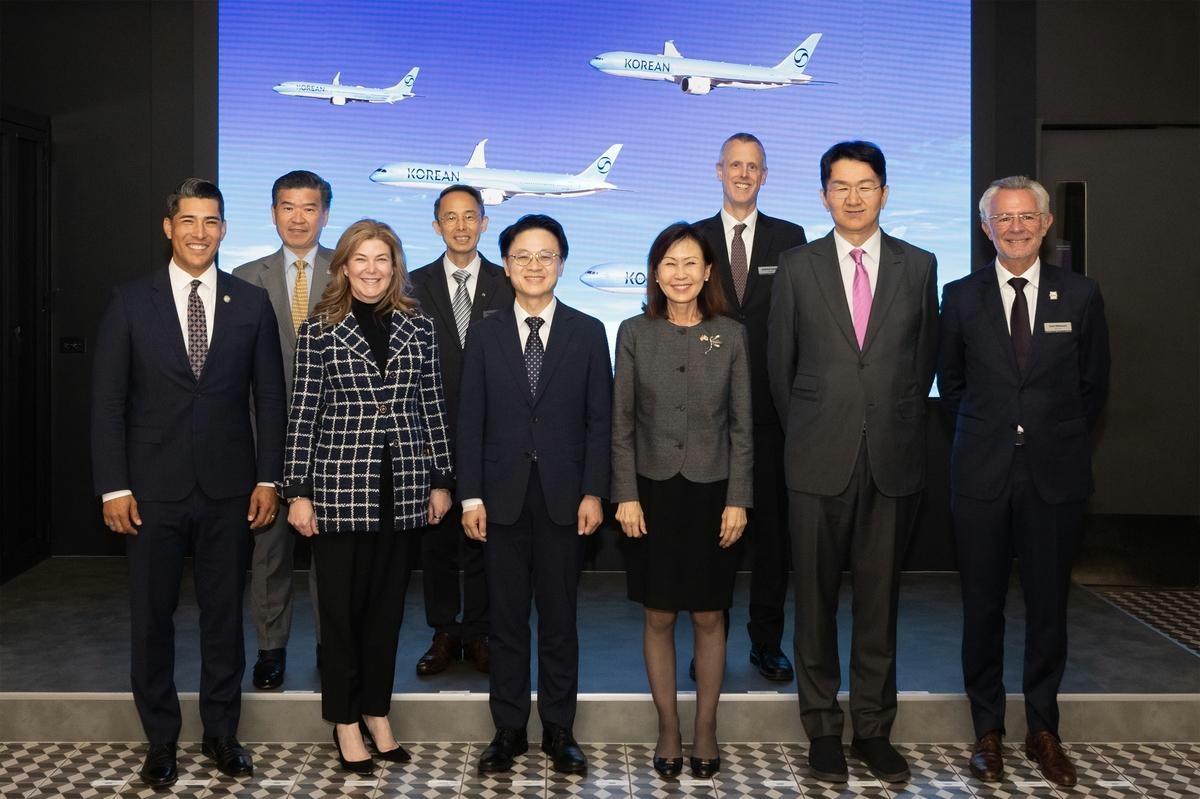
Korean Air Finalizes Order for 103 Boeing Jets and Engines
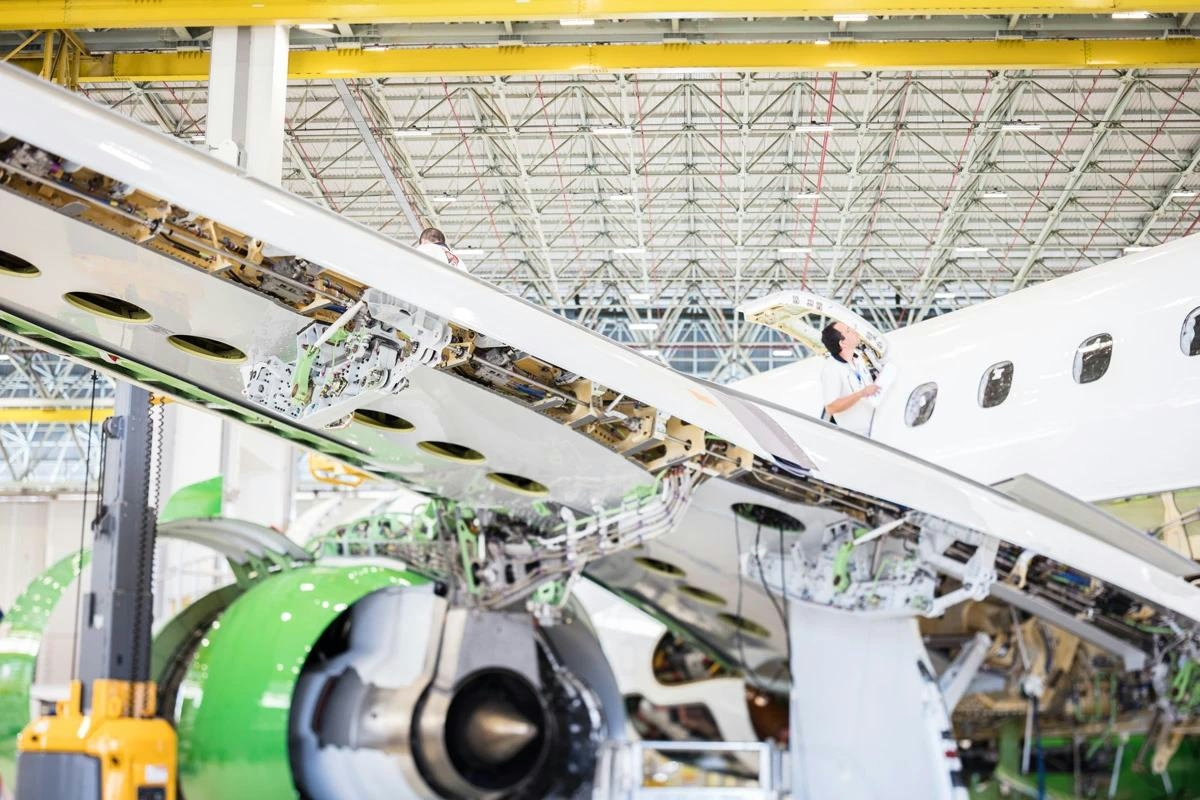
Embraer E195-E2 Features Distinctive Engine Placement Among Regional Jets
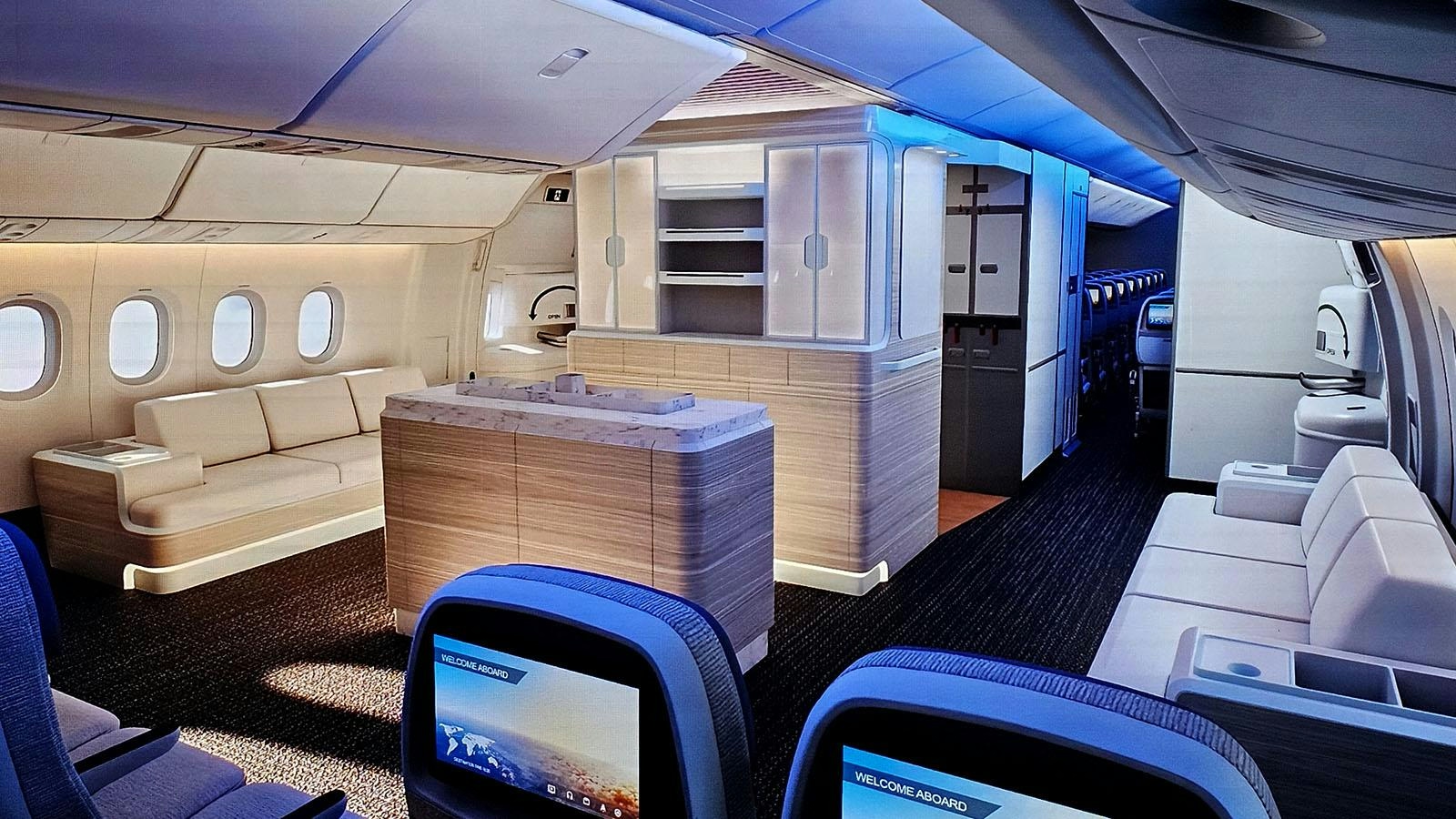
What Passengers Can Expect on Boeing’s New 777X Jet

How Ethiopian Airlines Became Africa’s Leading Carrier Amid Gulf Competition

Joby Aviation Extends Autonomous Flight Capabilities with Cross-Country Tour
