
KI-Erkenntnisse in konkrete Maßnahmen überführen

Trends
Categories
FAA Awards Contracts for New Air Traffic Control Software

FAA Awards Contracts for New Air Traffic Control Software
The Federal Aviation Administration (FAA) has awarded a significant contract to Air Space Intelligence (ASI) to develop and implement two advanced technologies designed to revolutionize flight scheduling and management across the National Airspace System. The announcement was made by U.S. Transportation Secretary Sean P. Duffy and FAA Administrator Bryan Bedford, who underscored the agency’s dedication to modernizing air traffic control and mitigating delays.
Transforming Air Traffic Management
Central to this initiative is the Flow Management Data and Services (FMDS) system, which will become the technological foundation of the FAA’s Air Traffic Control System Command Center. FMDS aims to balance air traffic demand with available capacity by providing essential data that supports more efficient traffic management. Embedded within FMDS is the Strategic Management of Airspace, Routes, and Trajectories (SMART) enhancement. This component utilizes FMDS data to proactively coordinate flight schedules and trajectories prior to departure, with the objective of preventing congestion and delays by identifying potential bottlenecks and available airspace well in advance—ranging from days to months.
Together, FMDS and SMART are expected to significantly reduce flight delays, improve traffic flow, and increase overall airspace capacity. These systems will also allow air traffic controllers to integrate weather patterns and flight paths into a unified, centralized visualization, thereby enhancing situational awareness and facilitating more informed decision-making.
Challenges and Industry Response
Despite the promise of these technologies, their deployment presents notable challenges. Ensuring that the new software effectively prevents congestion and delays remains a primary concern. Airlines have raised questions regarding conflict resolution mechanisms and the predictability of the system’s operations. Moreover, integrating FMDS and SMART with existing infrastructure will require meticulous planning and coordination. Some carriers have expressed skepticism about the efficiency and reliability of the new platforms, highlighting the necessity for comprehensive testing and ongoing stakeholder engagement.
The FAA’s move has also intensified competition within the air traffic control modernization sector. Industry players such as Indra Group and Collins are anticipated to accelerate their own development efforts to maintain competitive positioning in the evolving market.
Secretary Duffy emphasized the broader implications of the contract, stating, “We’re already making remarkable progress on upgrading the radars, radios, and telecom wires air traffic controllers rely on thanks to the Working Families Tax Cut. But to really improve the flying experience for the traveling public, we must change how flights are managed. We’re thrilled to partner with ASI to begin deploying these two new software platforms. Once implemented, we will fundamentally reshape how the airspace is managed—slashing thousands of delays and cancellations in the process.”
As the FAA advances with the deployment of FMDS and SMART, the agency and its partners face the dual challenge of integrating cutting-edge technology while addressing industry concerns, with the ultimate goal of delivering a more efficient and reliable air travel experience.
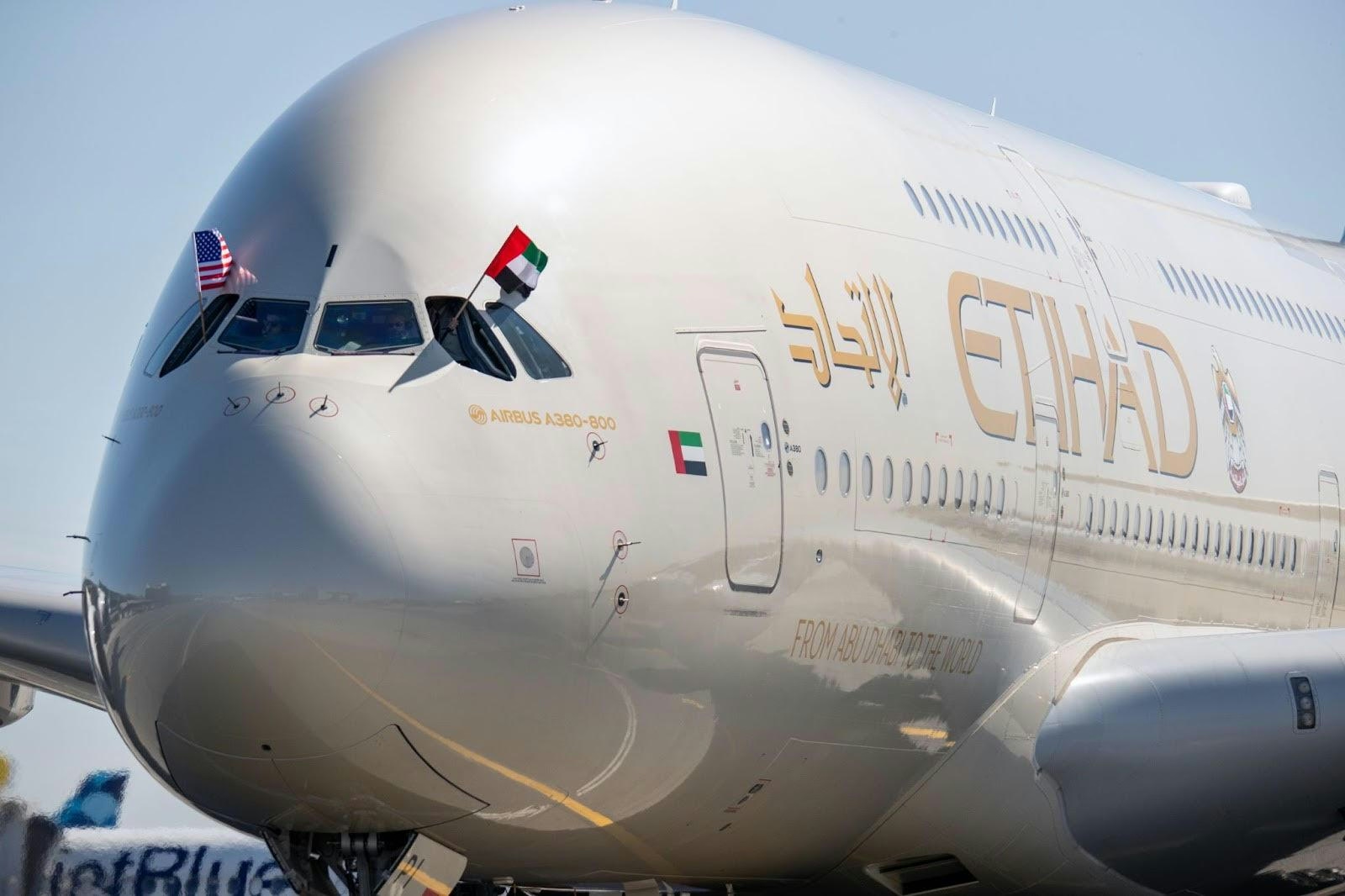
Etihad Airways Suspends Airbus A380 Flights on Key Route

Aditya Birla Group Seeks Approval for Aircraft Leasing in GIFT City

Qatar Airways Highlights Innovation and Connectivity at Arabian Travel Market 2026
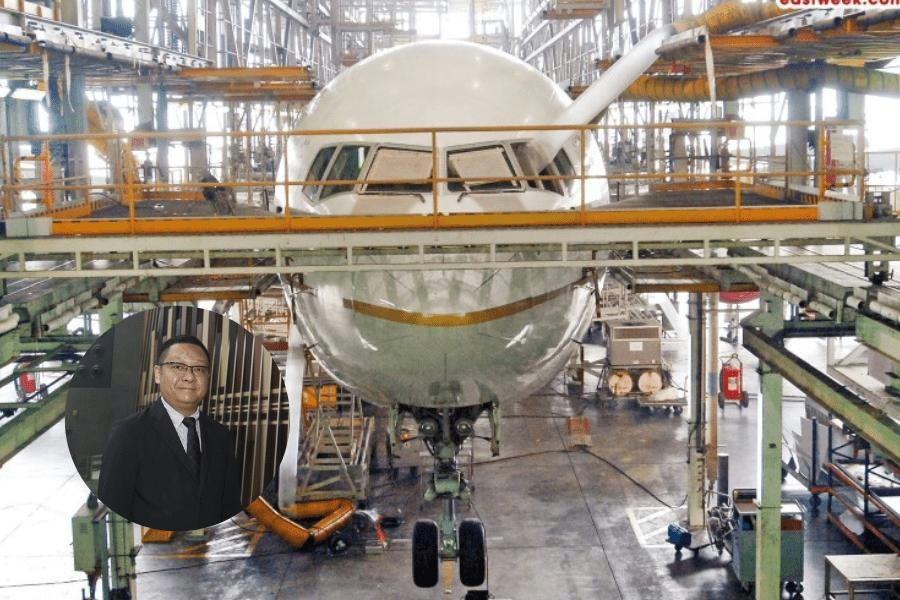
Hong Kong's Five-Year Plan Includes Andrew Fan's Aircraft Parts Processing Hub Proposal

ACIA Aero Leasing Delivers ATR72-600 to Air Nostrum
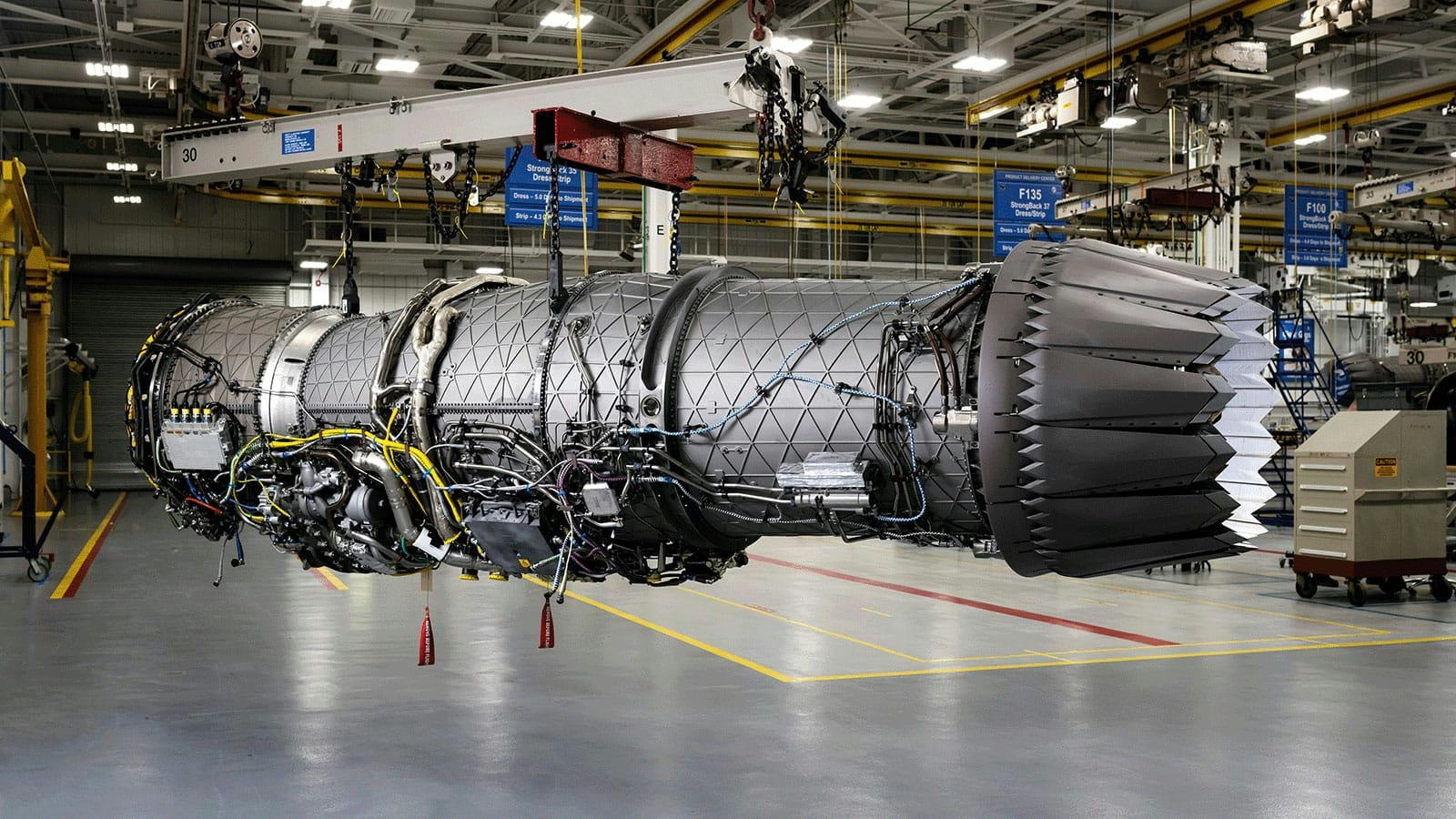
RTX Appoints Jill Albertelli as Head of Pratt & Whitney

TAT Technologies Joins Beyond Aero Hydrogen Aircraft Program
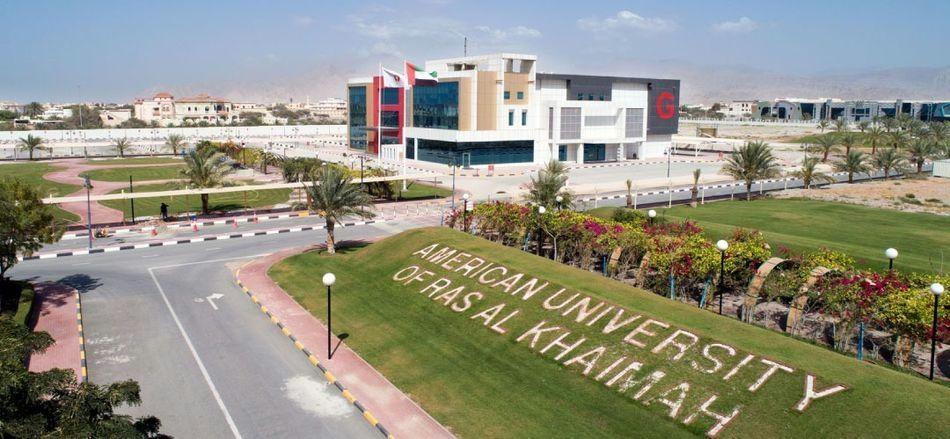
AURAK Study Highlights Barriers to Air Taxi Adoption in Emerging Economies
Xiamen Air Selects Altitude for 787 Maintenance at Heathrow

Etihad and Swissport Extend Global Partnership
