
KI-Erkenntnisse in konkrete Maßnahmen überführen

Trends
Categories
Flyadeal Receives First New Aircraft of 2026
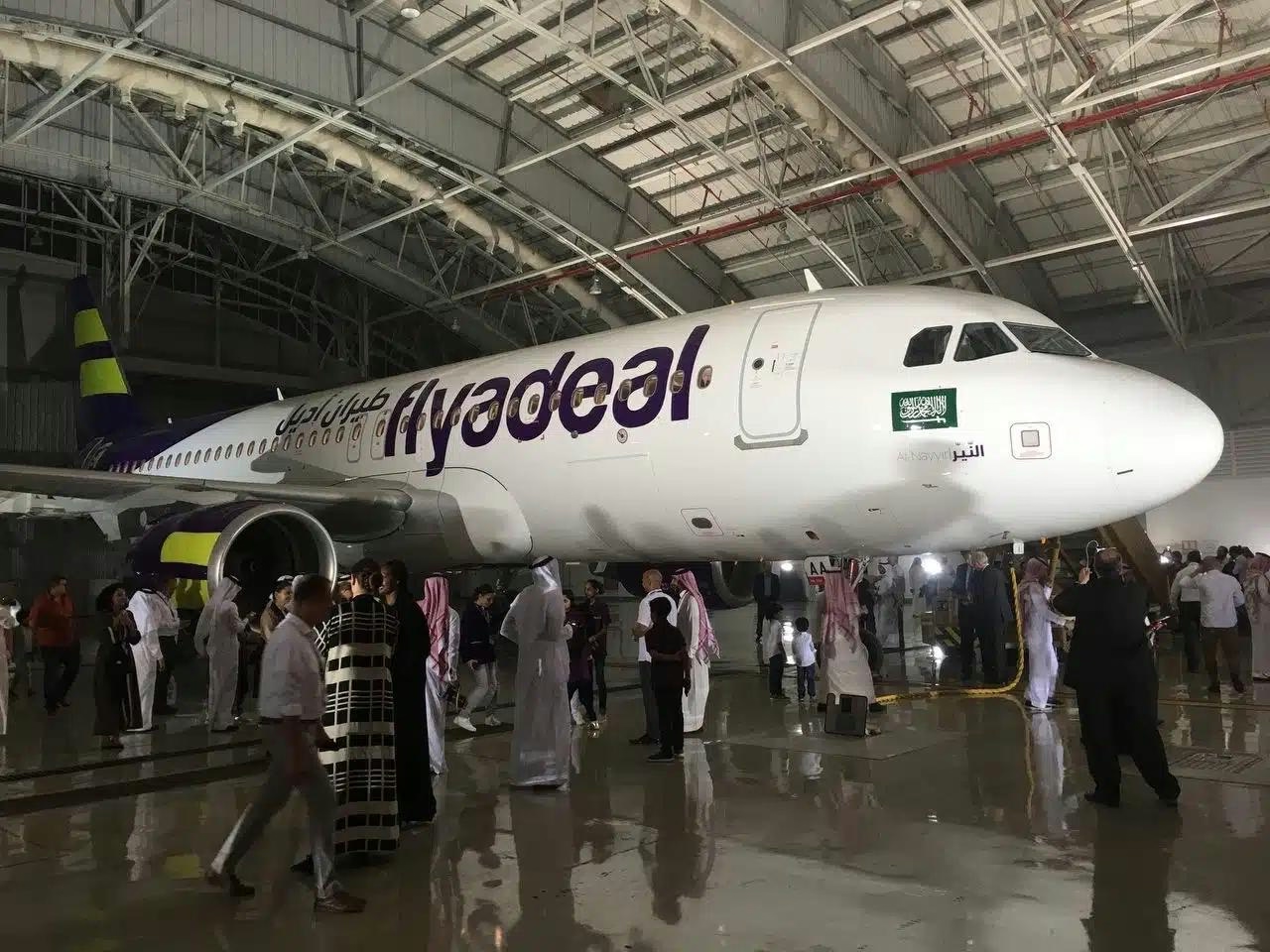
Flyadeal Receives First New Aircraft of 2026, Pursues Fleet Expansion Amid Industry Challenges
Saudi Arabia’s low-cost carrier flyadeal has taken delivery of its first new aircraft of 2026, an Airbus A320neo, increasing its fleet to 45 all-narrowbody jets. The aircraft arrived in Jeddah directly from Airbus’ Toulouse assembly plant and represents the airline’s 34th A320neo. This delivery marks a significant milestone in flyadeal’s ambition to expand its fleet to 50 aircraft.
A New Naming Tradition Reflecting National Identity
In a departure from its previous practice of naming aircraft after constellation stars, flyadeal has christened its newest jet “Al-Saqr” (falcon), inspired by Saudi Arabia’s national bird. The airline plans to continue this theme by naming future aircraft after birds native to the Kingdom, symbolizing strength, courage, and freedom—values deeply embedded in Saudi culture and integral to flyadeal’s brand identity. Hazar Hafiz, Head of Marketing and Customer Experience, emphasized the importance of this new naming convention, noting that Saudi Arabia hosts over 500 bird species along a critical migration route. She explained that birds naturally embody movement, travel, and freedom, creating a meaningful connection with the airline’s customers through this authentic narrative.
Growth Ambitions Amid Operational Challenges
Flyadeal’s Chief Executive Officer, Steven Greenway, described the arrival of the new aircraft as a positive step toward reaching the airline’s goal of a 50-aircraft fleet. He highlighted that the additional jets will enable increased flight frequencies on existing routes and support the launch of new destinations, sustaining the airline’s growth momentum. However, the expansion is unfolding against a backdrop of industry-wide challenges. Like many carriers, flyadeal faces potential delays in aircraft deliveries and ongoing shortages of CFM Leap engines, which have resulted in periods of aircraft idleness despite stable access to maintenance facilities. These operational constraints could affect the airline’s ability to fully deploy its growing fleet.
Chief Operating Officer Abdulaziz Bahri reaffirmed flyadeal’s commitment to the Airbus A320 family, underscoring the aircraft’s suitability for the airline’s domestic, regional, and international operations due to its low cost and fuel efficiency. He noted that the airline recently took delivery of its 40th aircraft just six months ago and has since expanded to 45, accompanied by ongoing recruitment efforts, including pilots trained through a government-backed graduate cadet programme.
Expanding Network and Competitive Landscape
Flyadeal is actively broadening its network, adding new routes to markets such as India and Pakistan, with potential future expansions into Syria and Yemen. This growth is expected to intensify competition within the region’s aviation sector. The airline’s strategy to maximize fleet utilization, including the introduction of additional red-eye flights, may further influence market dynamics. Meanwhile, major aircraft manufacturers Airbus and Boeing continue to grapple with production challenges and strategic decisions regarding future aircraft models, factors that could impact delivery schedules across the industry.
As flyadeal advances its rapid expansion, the airline remains focused on overcoming sector headwinds while consolidating its position in the competitive Middle Eastern aviation market.

Etihad Airways Suspends Airbus A380 Flights on Key Route

Aditya Birla Group Seeks Approval for Aircraft Leasing in GIFT City

Qatar Airways Highlights Innovation and Connectivity at Arabian Travel Market 2026

Hong Kong's Five-Year Plan Includes Andrew Fan's Aircraft Parts Processing Hub Proposal

ACIA Aero Leasing Delivers ATR72-600 to Air Nostrum

RTX Appoints Jill Albertelli as Head of Pratt & Whitney

TAT Technologies Joins Beyond Aero Hydrogen Aircraft Program

AURAK Study Highlights Barriers to Air Taxi Adoption in Emerging Economies

Xiamen Air Selects Altitude for 787 Maintenance at Heathrow

Etihad and Swissport Extend Global Partnership
