
KI-Erkenntnisse in konkrete Maßnahmen überführen

Trends
Categories
Fuel Valve Leak Causes Luscombe 8 Crash
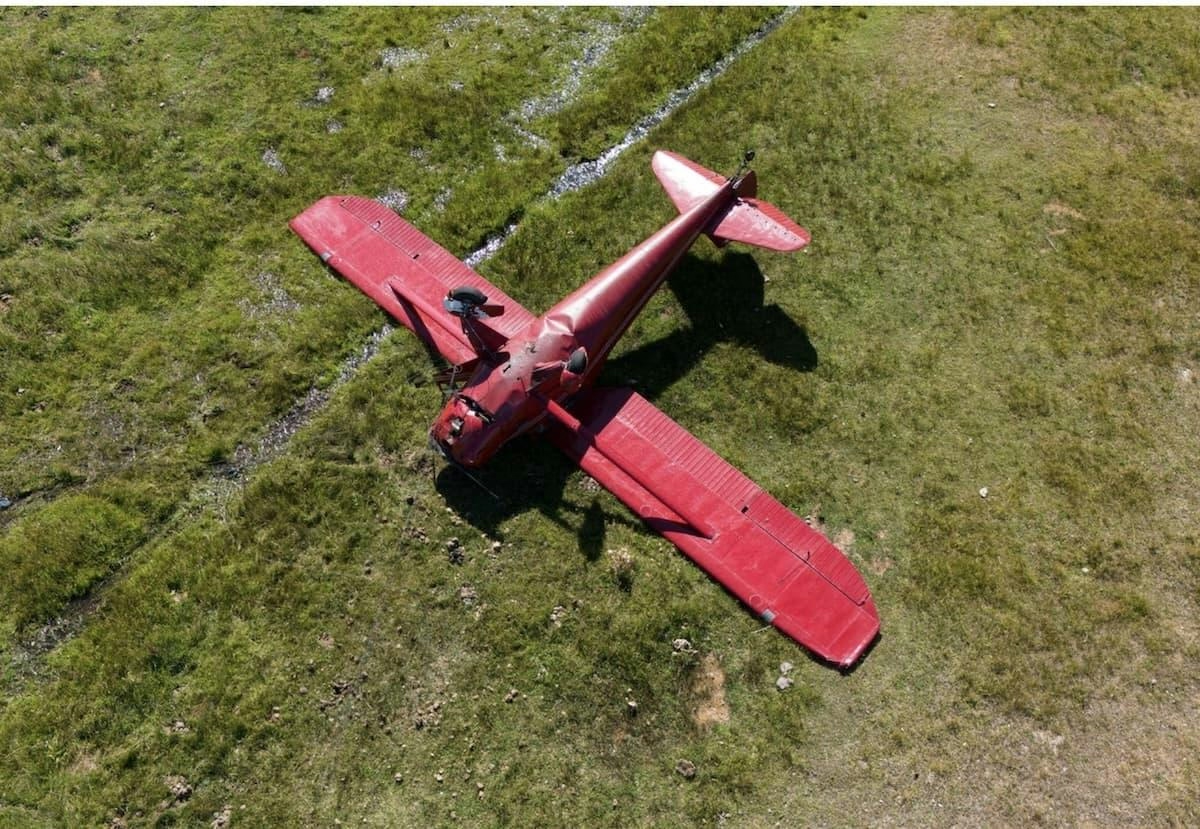
Fuel Valve Leak Causes Luscombe 8 Crash Near Bend, Oregon
A recent aviation accident involving a Luscombe 8 aircraft near Bend, Oregon, has been attributed to a mechanical failure in the left fuel valve, which led to fuel exhaustion and a complete loss of engine power, according to a National Transportation Safety Board (NTSB) investigation.
Incident Overview and Investigation Findings
The pilot departed with full fuel tanks, providing an estimated flight duration of approximately 3.5 hours. However, during the 2.5-hour flight, the pilot observed uneven fuel consumption between the two tanks and noted that fuel levels were dropping more rapidly than anticipated. Compounding the issue, the aircraft’s fuel gauges displayed erratic and inaccurate readings, making it difficult to monitor fuel status effectively.
As the aircraft approached its destination, the engine abruptly lost power. The pilot was forced to execute an emergency landing in a nearby field. During the landing, the plane collided with a fence and overturned, sustaining significant damage to the fuselage and tail section. Subsequent examination revealed fuel-soaked insulation in the lower cabin area and visible fuel staining beneath the left fuel valve. Both fuel tanks were found empty after the crash. When investigators introduced fuel into the left fuel line, the left fuel valve was observed to leak around the valve shaft, confirming a mechanical failure.
The NTSB concluded that an undetermined quantity of fuel was lost due to the valve leak, which ultimately caused the engine failure. The official probable cause was identified as the failure of the left fuel valve, resulting in fuel exhaustion and loss of engine power (NTSB Identification: 195054).
Industry Impact and Safety Considerations
The crash has prompted heightened scrutiny from aviation authorities and raised safety concerns among pilots and aircraft owners, particularly those operating vintage and light aircraft. Industry analysts suggest that incidents of this nature may lead to regulatory reviews and potential changes aimed at enhancing fuel system reliability.
The Luscombe brand, known for its classic light aircraft, may experience a temporary decline in sales as pilots and prospective buyers reassess safety factors. Meanwhile, competitors in the light aircraft market are emphasizing the safety features and reliability of their own models. Some manufacturers are reportedly exploring safety upgrades and public relations initiatives to reassure customers about the integrity of their fuel systems.
The NTSB’s August 2024 report serves as an educational tool designed to inform pilots and operators, helping to prevent similar accidents in the future by highlighting the critical importance of fuel system maintenance and monitoring.
Fw 187 Falke: A Faster but Overlooked Fighter Than the Bf 109

SkyDrive to Assess eVTOL Medical Logistics Routes in Mumbai and Delhi with Air India and Suzuki
Delta Flight Diverted to St. John's Due to Engine Issue

Challenges Facing African Airlines Amid Expansion Efforts

Bluetail Surpasses 30 Million Aircraft Records Digitized, Marking Milestone Year for AI-Powered Aviation

Northrop Grumman Approves E-2D Block II for Integration

United Airlines to Launch Nonstop Flights from Denver to Paris
Using Operational Data to Improve Aviation Maintenance
United Airlines Anticipates Airbus A321XLR Deliveries for 2027 Europe Expansion

ASL Aviation Expands Fleet with Two Boeing 747 Freighters
