
KI-Erkenntnisse in konkrete Maßnahmen überführen

Trends
Categories
GE Aerospace Completes First Hybrid-Electric Flight Above 30,000 Feet
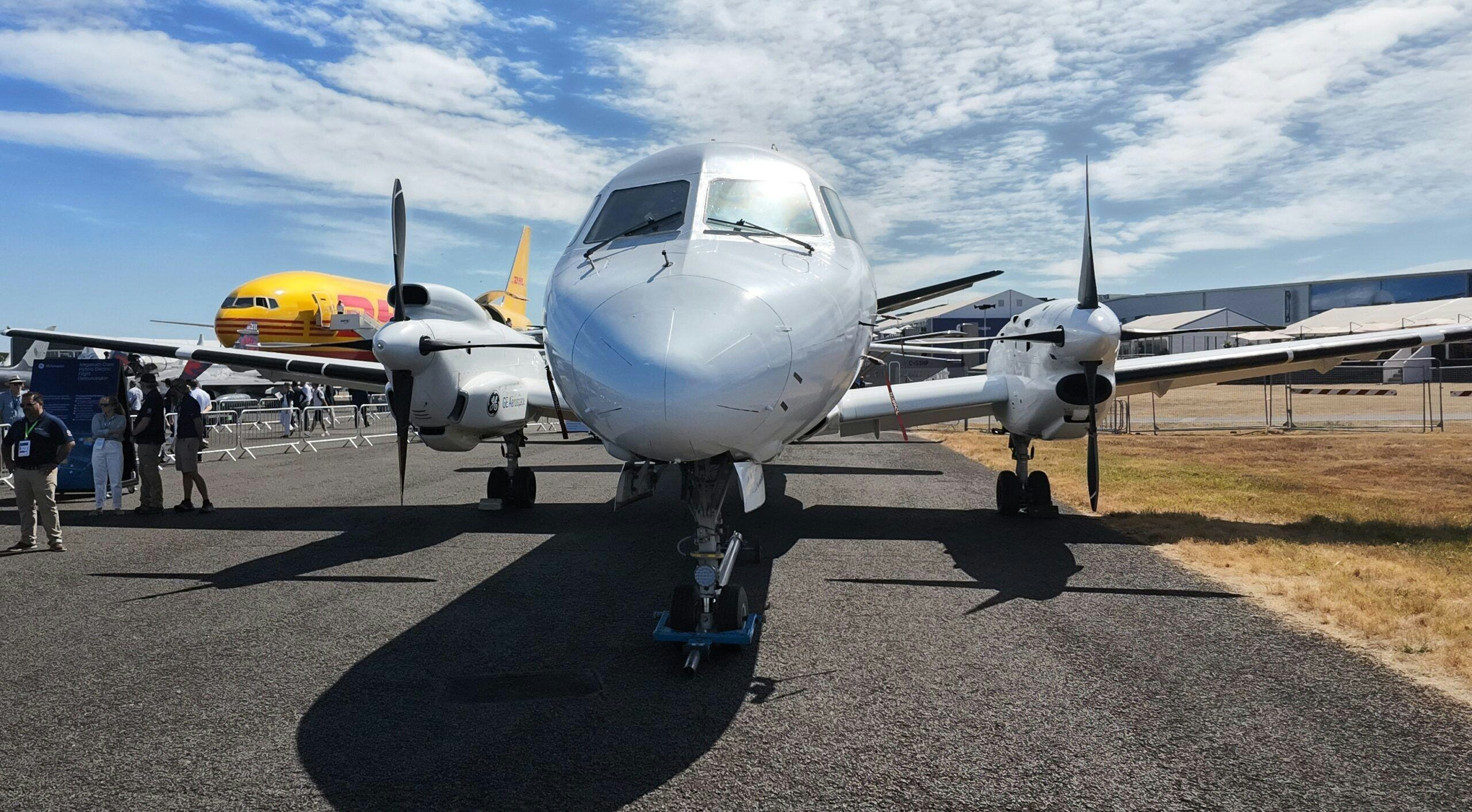
GE Aerospace Achieves Milestone with First Hybrid-Electric Flight Above 30,000 Feet
FARNBOROUGH, England, July 24, 2026 — GE Aerospace concluded the 2026 Farnborough International Airshow by announcing a groundbreaking achievement in hybrid-electric aviation alongside record-breaking engine orders. The company’s latest advancements underscore its strategic commitment to pioneering sustainable technologies and enhancing engine performance in the evolving aerospace sector.
Record Engine Orders and Enhanced Durability
During the airshow, GE Aerospace, in partnership with CFM International—a joint venture with Safran Aircraft Engines—secured commitments for approximately 1,800 engines. A standout agreement was a memorandum of understanding with IndiGo for over 1,000 LEAP-1A engines, intended to power 510 Airbus A320neo Family aircraft. This deal represents the largest single order for LEAP engines and sets a new record for CFM International. Additional contracts for the GEnx-1B engine were announced, with Philippine Airlines and AerCap selecting the model to equip a combined total of 30 Boeing 787 aircraft. Notably, the GEnx-1B engine has now accumulated more than 50 million flight hours in just over 14 years, marking the fastest milestone achievement for any GE Aerospace commercial widebody engine.
In parallel with these commercial successes, GE Aerospace secured certification from both the U.S. Federal Aviation Administration and the European Union Aviation Safety Agency for the LEAP-1B high-pressure turbine durability kit. This innovation is designed to double engine time on wing under demanding operational conditions. The LEAP-1B reverse bleed system also received certification, offering maintenance benefits by reducing the frequency of on-wing fuel nozzle replacements.
Pioneering Hybrid-Electric Flight and Technological Innovations
A defining moment of the airshow was GE Aerospace’s announcement, made in collaboration with NASA, BETA Technologies, and Boeing, of the first successful hybrid-electric flight above 30,000 feet—altitudes typical of commercial passenger aircraft. This milestone represents a significant advance toward reducing fuel consumption and emissions in commercial aviation, signaling a potential transformation in propulsion technology.
Industry experts have welcomed this development, recognizing the promise of hybrid-electric systems to reshape the future of flight. Nonetheless, GE Aerospace faces considerable challenges, including the technical complexities of integrating hybrid-electric propulsion into existing aircraft platforms, navigating stringent regulatory approval processes, and maintaining a competitive edge amid intensified industry investment. Rival engine manufacturers have accelerated their own research efforts and forged new partnerships to advance hybrid-electric propulsion technologies.
Further progress was reported by CFM International on its RISE technology demonstration program, which has completed approximately 500 test campaigns and over 3,000 endurance cycles. Airbus and CFM also revealed the livery for the A380 flight test aircraft, which will support Open Fan propulsion testing scheduled for later this decade.
GE Aerospace also highlighted its collaboration with BETA Technologies on the MV250, an autonomous hybrid-electric vertical takeoff and landing (VTOL) aircraft designed for military logistics. The MV250 employs a hybrid-electric turbogenerator, extending operational range and enhancing mission flexibility for defense applications.
Expanding Defense Partnerships and Capabilities
In the defense sector, GE Aerospace signed a memorandum of understanding with Magellan Aerospace to explore sustainment capabilities for the F414 engine in Canada, supporting the Saab Gripen fighter program. Additionally, GE Aerospace and Shield AI announced the successful integration and testing of the Axisymmetric Vectoring Exhaust Nozzle for the X-BAT program, further demonstrating the company’s commitment to advancing next-generation defense technologies.
As GE Aerospace continues to invest in innovative propulsion systems and autonomous platforms, the company remains focused on addressing current customer requirements while shaping the future trajectory of aviation in a highly competitive and rapidly evolving industry.

Etihad and Swissport Extend Global Partnership

Sepehran Airlines B737 Returns to Mashhad After Tyre and Engine Issues

Etihad Deploys Widebody Fleet to Meet Strong Demand

Korean Air Finalizes $36.2 Billion Deal with Boeing
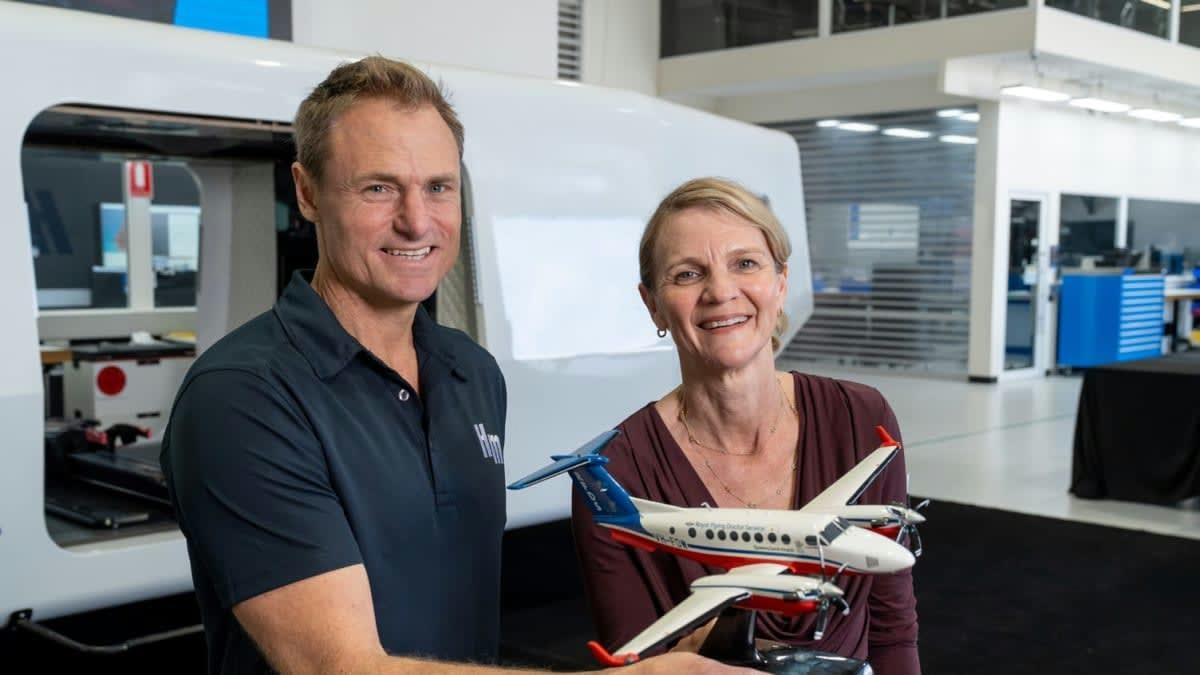
Australia’s RFDS Queensland Section Orders Six King Air 260Cs

Korean Air Finalizes Order for 103 Boeing Jets and Engines
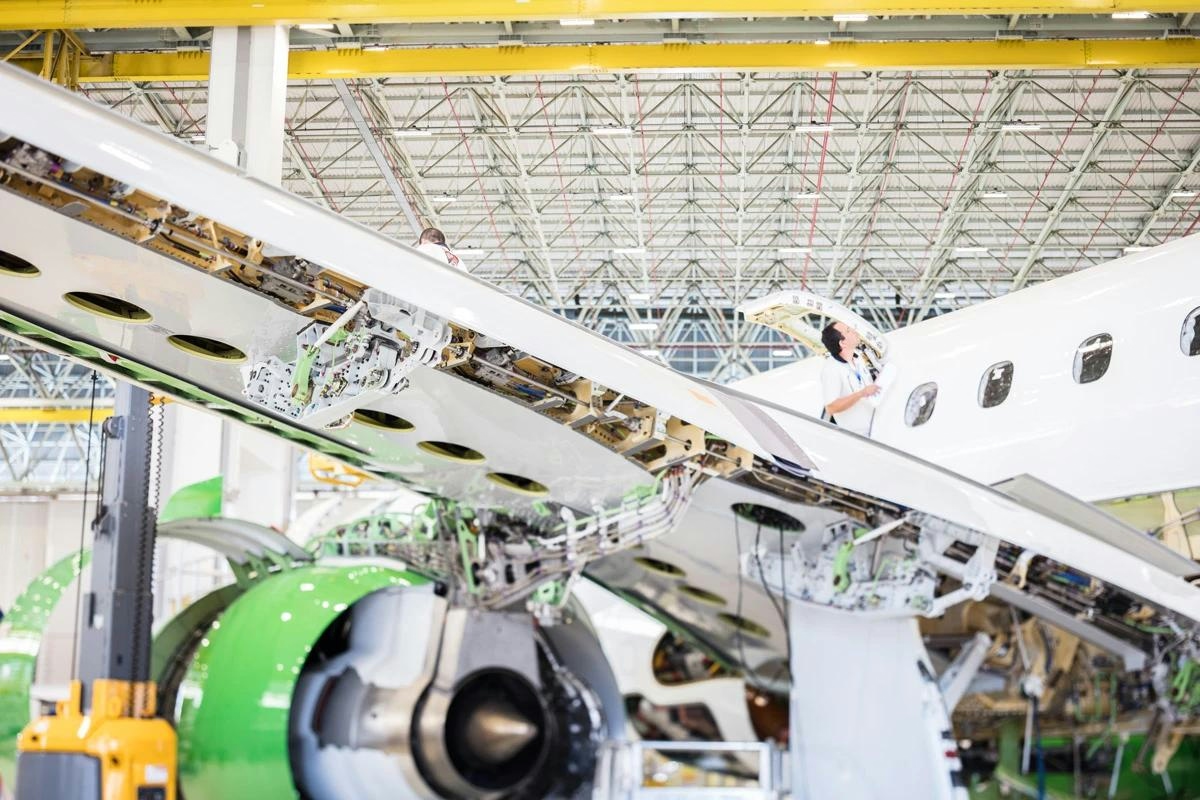
Embraer E195-E2 Features Distinctive Engine Placement Among Regional Jets
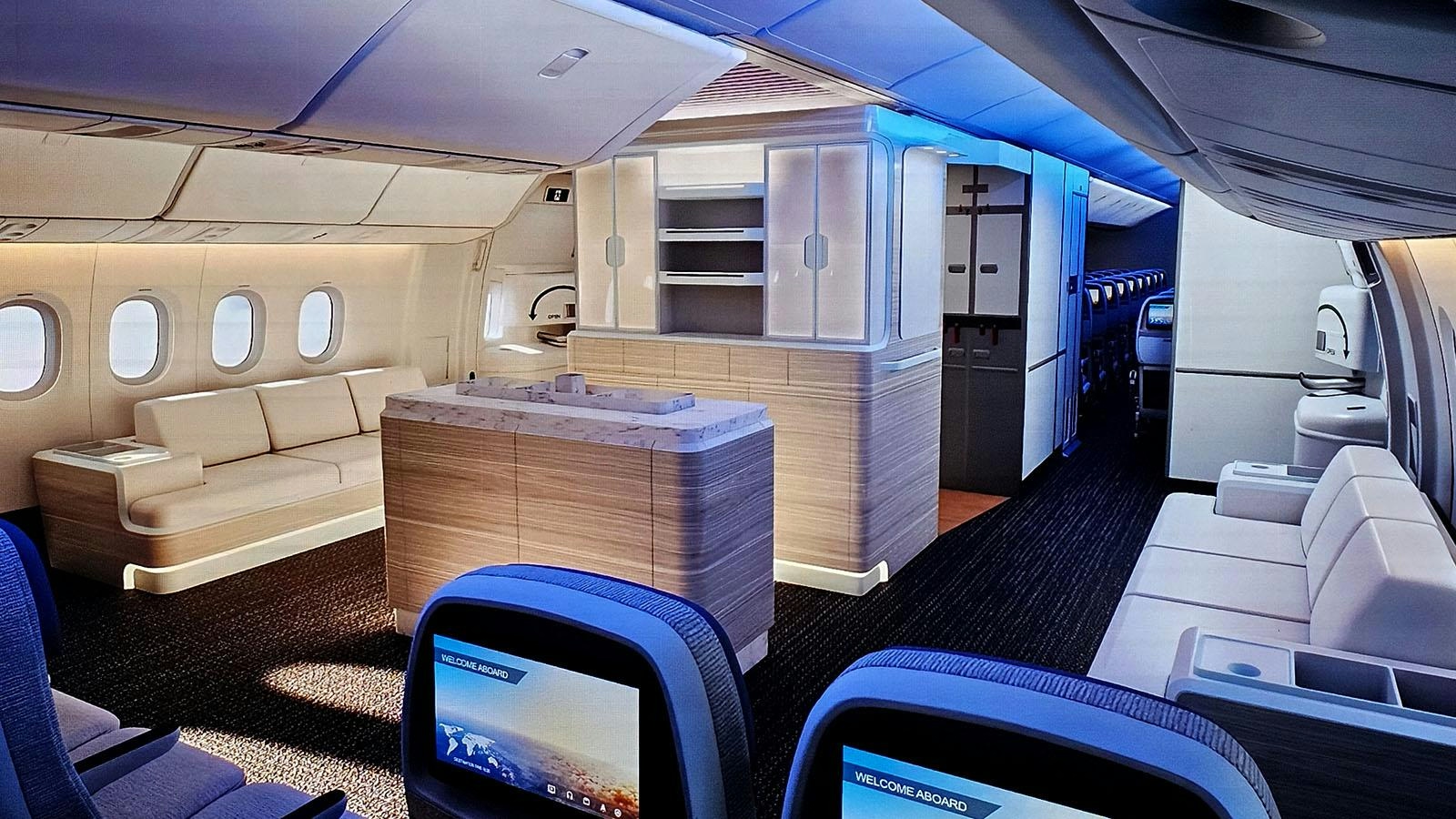
What Passengers Can Expect on Boeing’s New 777X Jet

How Ethiopian Airlines Became Africa’s Leading Carrier Amid Gulf Competition

Joby Aviation Extends Autonomous Flight Capabilities with Cross-Country Tour
