
KI-Erkenntnisse in konkrete Maßnahmen überführen

Trends
Categories
How Modern Engines Are Redefining Narrowbody Aircraft Performance
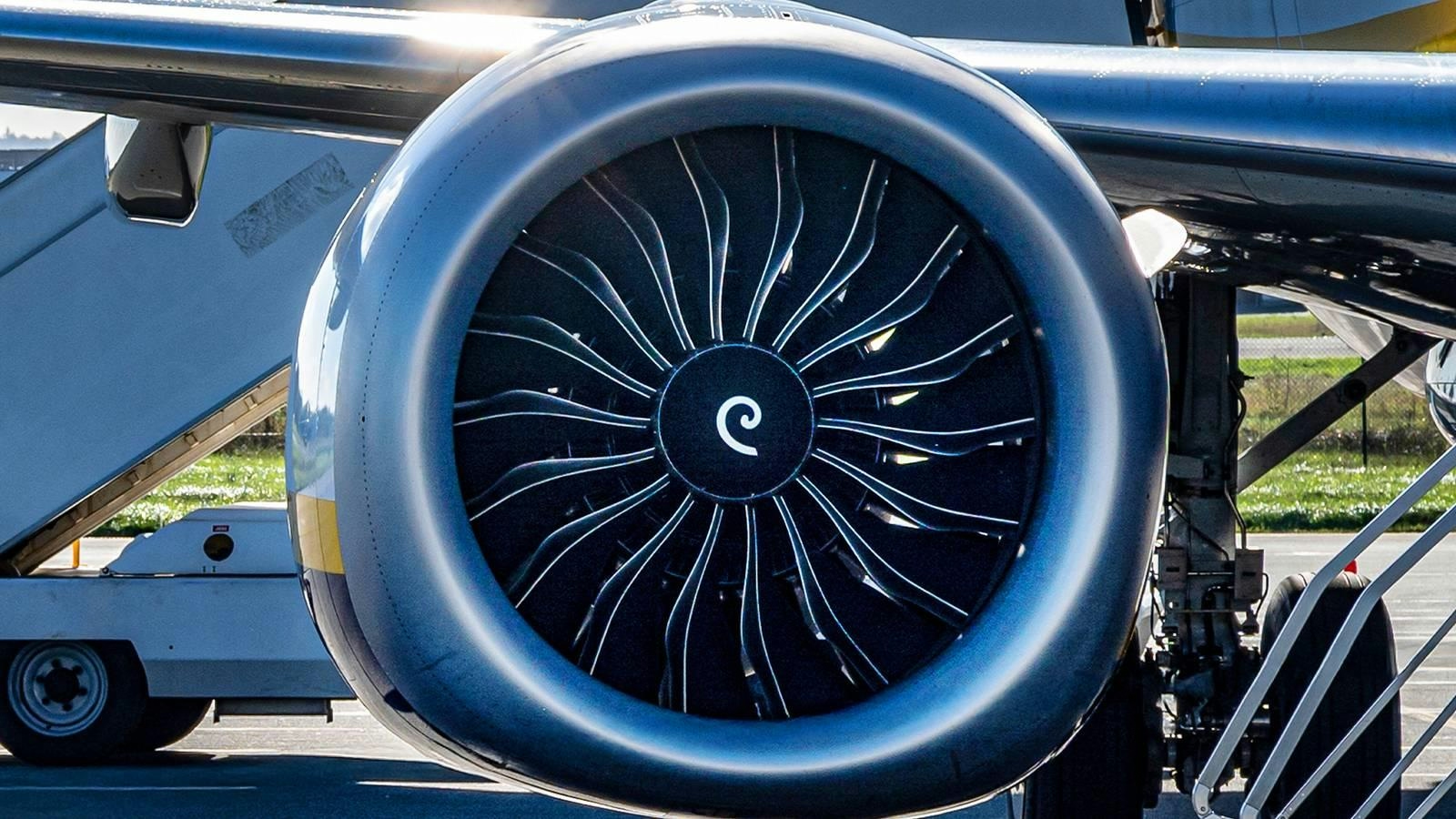
How Modern Engines Are Redefining Narrowbody Aircraft Performance
The evolution of aircraft propulsion since the Wright brothers’ first powered flight in 1903 has been nothing short of revolutionary. From a modest four-cylinder engine producing 12.5 horsepower, aviation engines have advanced through successive generations—from early turbojets to high-bypass turbofans and, more recently, geared turbofans. These developments have significantly enhanced fuel efficiency, reliability, and environmental performance. Modern engines consume less fuel, generate lower noise levels, and require fewer unscheduled repairs, achievements made possible by innovations in materials science, digital controls, manufacturing techniques, and aerodynamic design.
Market Leaders and Technological Innovations
Today, the narrowbody aircraft engine market is dominated by two principal manufacturers: Pratt & Whitney and CFM International. These companies supply the majority of engines for the Airbus A320 family and Boeing 737 aircraft globally.
Pratt & Whitney, a subsidiary of RTX Corporation, has a long history dating back to the 1920s when it produced piston engines. Its current focus is the Geared Turbofan (GTF) engine family, which introduces a reduction gearbox between the fan and the low-pressure turbine. This design allows each component to operate at its optimal speed, resulting in improved fuel efficiency and reduced noise emissions. The GTF represents a significant departure from traditional engine architecture and exemplifies Pratt & Whitney’s commitment to innovation.
CFM International, a joint venture between GE Aerospace and Safran Aircraft Engines established in 1973, has been a formidable presence in the industry. Its CFM56 engine powered the Boeing 737 Classic and the original Airbus A320 family. The company’s latest offering, the LEAP engine, is the exclusive powerplant for the Boeing 737 MAX and one of two engine options for the Airbus A320neo. Both Pratt & Whitney and CFM International have earned reputations for reliability and continue to invest heavily in technologies aimed at reducing fuel consumption, lowering emissions, and enhancing operating economics. However, their approaches to innovation differ, with Pratt & Whitney’s GTF challenging conventional engine design paradigms.
Emerging Challenges Amid Technological Progress
Despite the advances in engine technology, the industry faces significant operational challenges. Persistent engine delays and supply chain disruptions have become major concerns for airlines. At the recent International Air Transport Association annual meeting, airline executives highlighted ongoing engine-related issues, including extended wait times for inspections and repairs, as critical operational obstacles. Pratt & Whitney’s manufacturing difficulties have particularly impacted the output of GTF engines, exacerbating these delays.
Compounding these issues is a growing shortage of narrowbody landing gears, especially for newer aircraft models such as the Airbus A320neo and Boeing 737 MAX. This scarcity is placing additional strain on the aftermarket and limiting fleet availability. These supply chain bottlenecks illustrate the complexity inherent in modern engine programs and underscore the necessity for enhanced collaboration across the industry.
In response, competitors are exploring new partnerships and strategic approaches. For instance, MTU Aero Engines is leveraging its technical expertise while adopting a more collaborative mindset to meet the evolving demands of both commercial and defense sectors.
The Path Forward
As engine technology continues to advance, the aerospace industry confronts the dual challenge of achieving greater efficiency and reliability while managing the operational and supply chain complexities that accompany cutting-edge innovation. The future of narrowbody aircraft performance will depend not only on technological breakthroughs but also on the industry’s capacity to adapt and foster collaboration within an increasingly intricate global environment.

Etihad and Swissport Extend Global Partnership
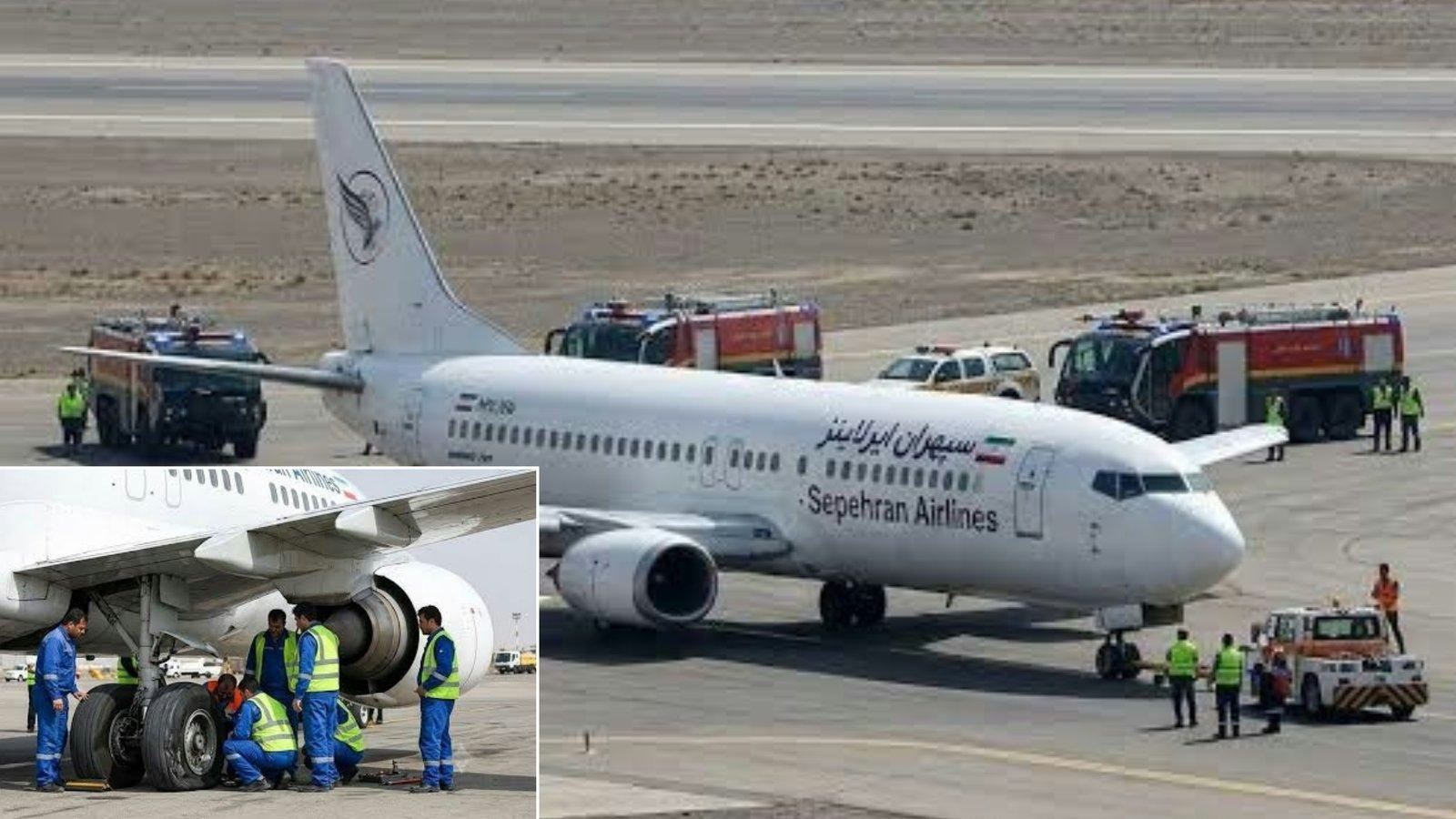
Sepehran Airlines B737 Returns to Mashhad After Tyre and Engine Issues

Etihad Deploys Widebody Fleet to Meet Strong Demand

Korean Air Finalizes $36.2 Billion Deal with Boeing

Australia’s RFDS Queensland Section Orders Six King Air 260Cs

Korean Air Finalizes Order for 103 Boeing Jets and Engines
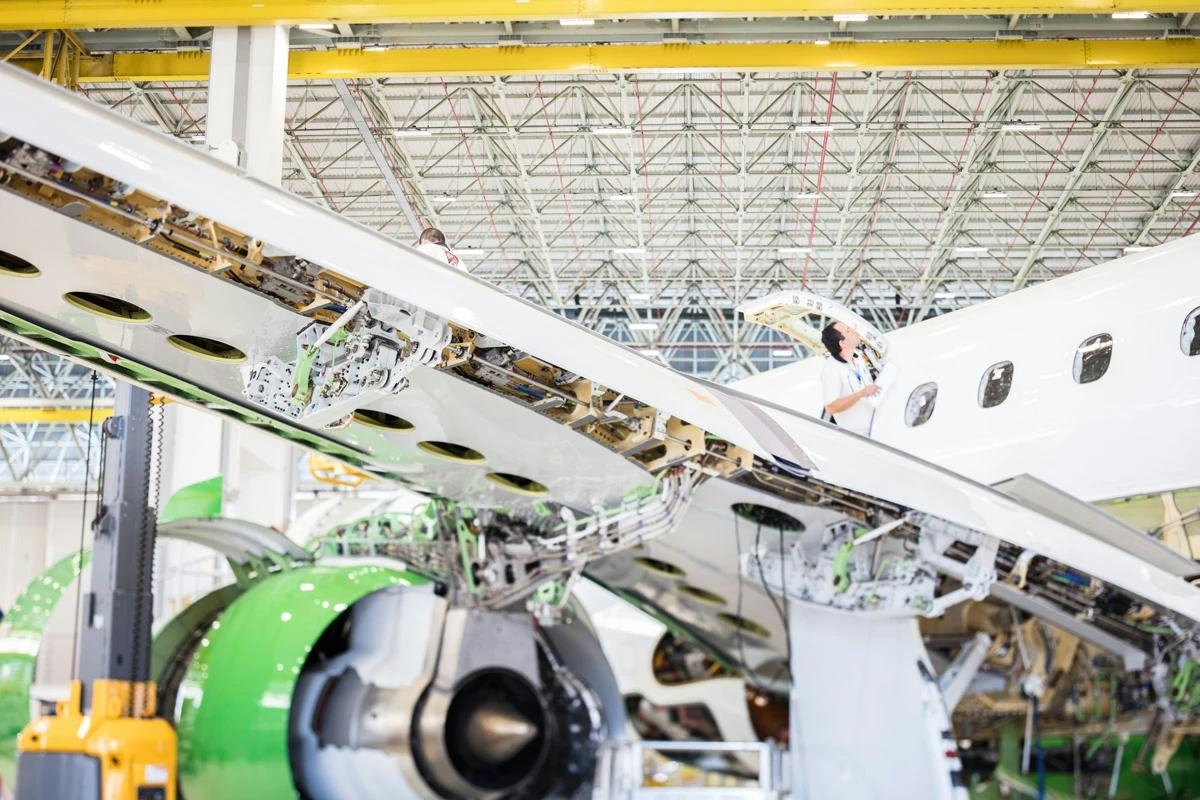
Embraer E195-E2 Features Distinctive Engine Placement Among Regional Jets

What Passengers Can Expect on Boeing’s New 777X Jet

How Ethiopian Airlines Became Africa’s Leading Carrier Amid Gulf Competition

Joby Aviation Extends Autonomous Flight Capabilities with Cross-Country Tour
