
KI-Erkenntnisse in konkrete Maßnahmen überführen

Trends
Categories
Hybrid Technology May Soon Be Used in Airplanes
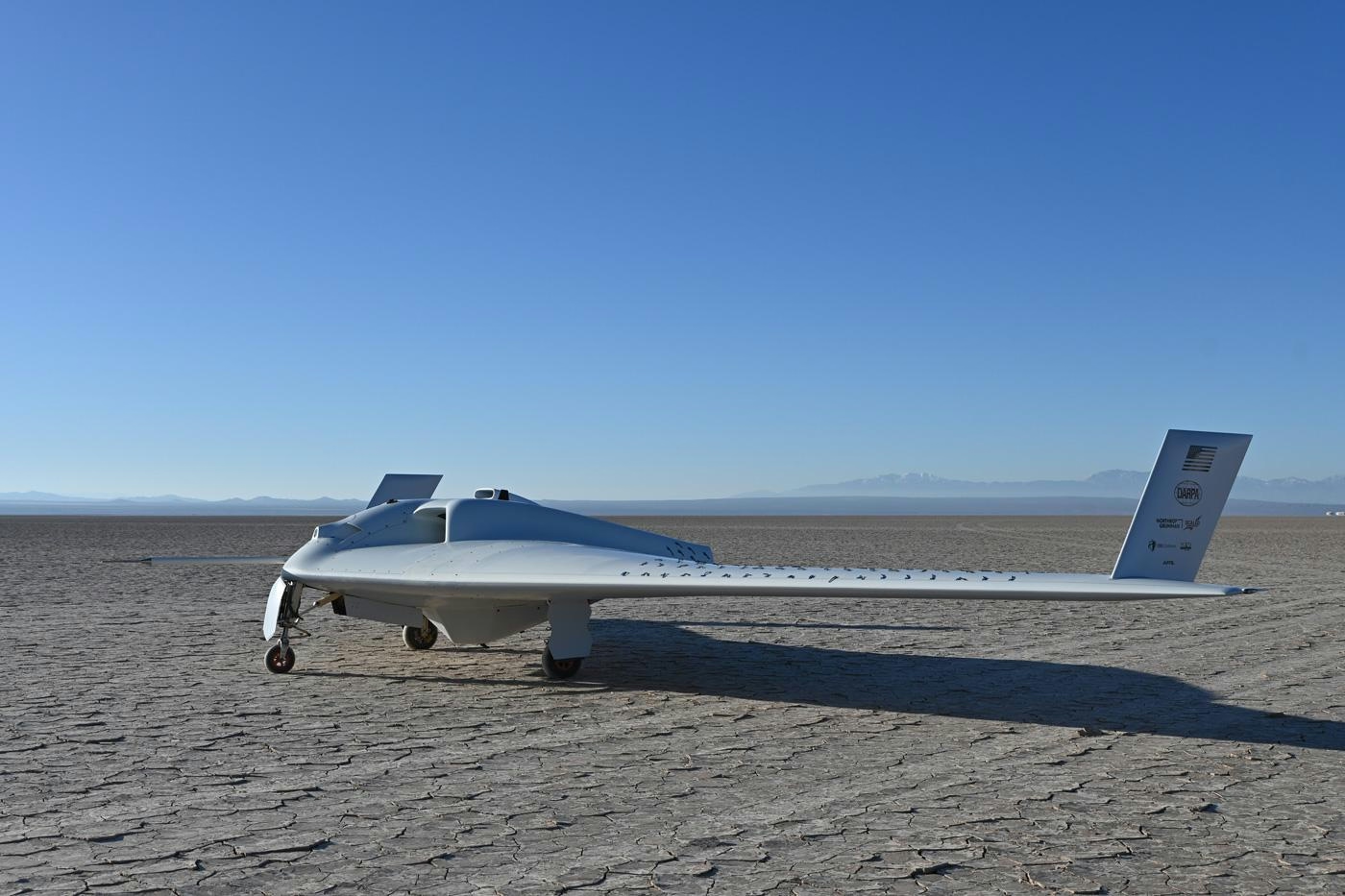
Hybrid Technology Set to Transform Aviation
Hybrid vehicles have become a common presence on roads worldwide, and as the adoption of fully electric vehicles progresses more slowly than anticipated, hybrid technology is expected to remain integral to transportation for the foreseeable future. Now, the aviation sector is exploring similar innovations to enhance fuel efficiency and reduce greenhouse gas emissions in air travel.
Milestone in Hybrid-Electric Aircraft Engines
On Tuesday, GE Aerospace announced a significant breakthrough with the successful testing of a megawatt-class hybrid-electric aircraft engine. This achievement, realized in collaboration with NASA, represents a pivotal advancement toward incorporating hybrid systems into commercial aviation. The test is part of NASA’s Electrified Powertrain Flight Demonstration (EPFD) project, which seeks to develop next-generation commercial aircraft that improve fuel efficiency by 25 to 30 percent compared to current models.
The initial phase of this initiative targets smaller commercial aircraft. GE’s hybrid system was integrated with its established CT7 turboprop engine and subjected to simulations replicating various flight stages, including taxiing, takeoff, climb, and cruise. Remarkably, the engine operated solely on electric power during part of the test, underscoring the potential for substantial emissions reductions in future aircraft designs.
Challenges and Market Dynamics
Despite this progress, the transition to hybrid-electric flight faces considerable challenges. Regulatory uncertainty remains a significant barrier, with a recent U.S. government report emphasizing the lack of clarity regarding the timeline for electric and hybrid-electric aircraft entering commercial service. Critical issues such as safety standards, certification procedures, and the development of necessary infrastructure must be resolved before widespread adoption can occur.
Market responses to hybrid aviation technology are varied. Companies like Electra are investing in hybrid systems to address inefficiencies in short-haul regional travel, where conventional aircraft often underperform. However, some competitors and airport authorities remain cautious, pointing to unproven business models and lingering safety concerns. Financially, the sector is fraught with difficulties, as illustrated by the bankruptcy of Maeve Aerospace—a company supported by major airlines—highlighting the funding challenges confronting green aviation startups.
The successful GE-NASA test, however, signals increasing momentum for hybrid technology in aviation. Should the technical, regulatory, and market obstacles be surmounted, hybrid-electric aircraft could become instrumental in advancing sustainable air travel in the decades ahead.
Etihad Airways Suspends Airbus A380 Flights on Key Route

Aditya Birla Group Seeks Approval for Aircraft Leasing in GIFT City

Qatar Airways Highlights Innovation and Connectivity at Arabian Travel Market 2026

Hong Kong's Five-Year Plan Includes Andrew Fan's Aircraft Parts Processing Hub Proposal

ACIA Aero Leasing Delivers ATR72-600 to Air Nostrum
RTX Appoints Jill Albertelli as Head of Pratt & Whitney
TAT Technologies Joins Beyond Aero Hydrogen Aircraft Program

AURAK Study Highlights Barriers to Air Taxi Adoption in Emerging Economies
Xiamen Air Selects Altitude for 787 Maintenance at Heathrow

Etihad and Swissport Extend Global Partnership
