
KI-Erkenntnisse in konkrete Maßnahmen überführen

Trends
Categories
IATA Warns of Severe Impact on Airlines from Rising Jet Fuel Prices
IATA Warns of Severe Impact on Airlines from Rising Jet Fuel Prices
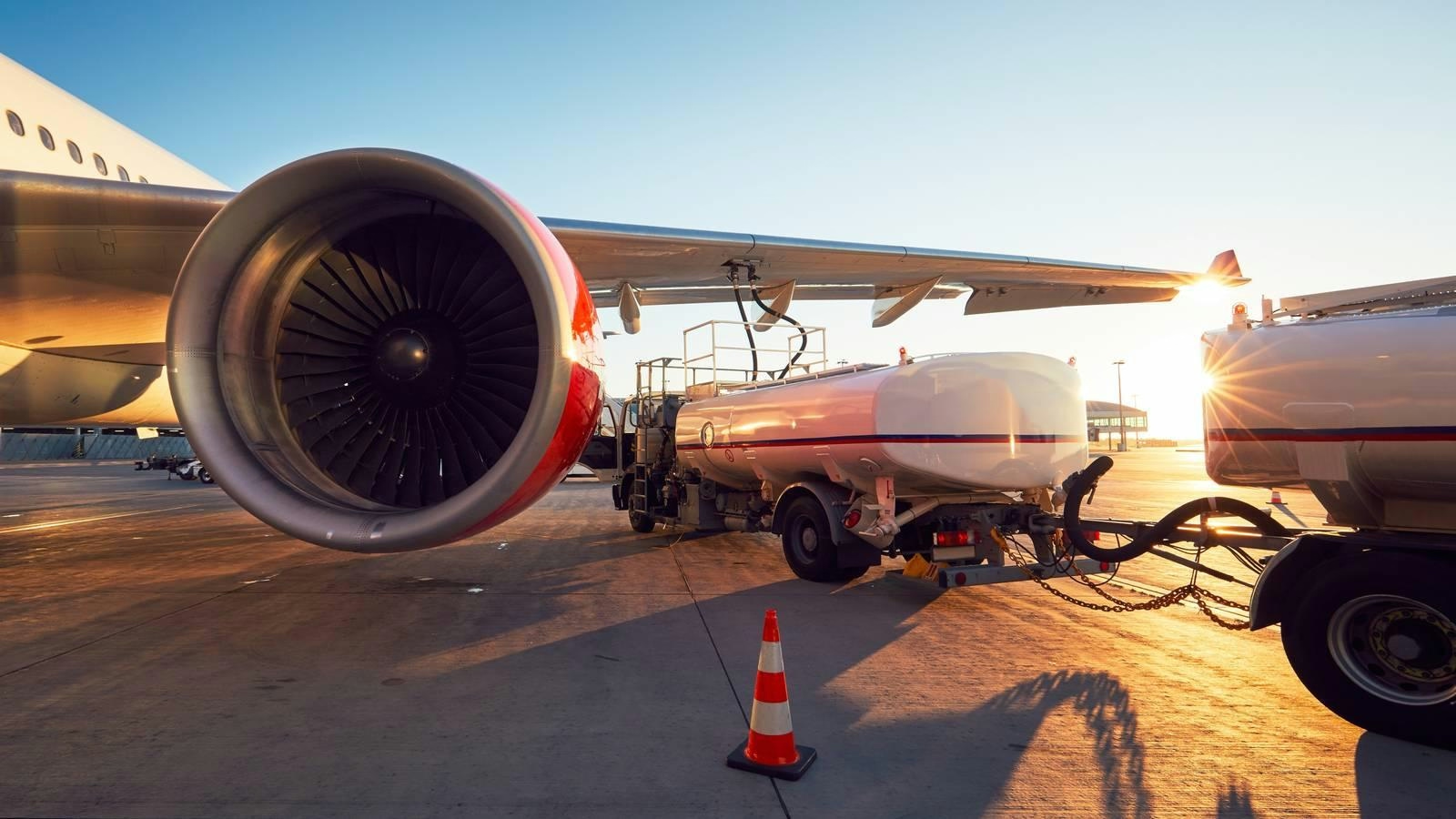
The global airline industry is confronting unprecedented challenges as jet fuel prices escalate sharply, with the International Air Transport Association (IATA) issuing a stark warning about the severe repercussions for carriers worldwide. At the S&P Global Energy Middle East Petroleum and Gas Conference, Daniel Chereau, IATA’s head of fuel, emphasized the detrimental impact of soaring refinery profit margins—referred to as crack spreads—on airline operations and financial performance.
Middle East Conflict Disrupts Supply and Drives Prices Higher
The ongoing conflict in the Middle East has been a principal factor exacerbating the crisis. This region, a vital supplier of aviation fuel, has experienced significant disruptions due to the effective closure of the Strait of Hormuz and repeated attacks on energy infrastructure. These developments have severely impaired jet fuel production and exports, resulting in acute shortages and historic price surges.
IATA reports that jet fuel costs have surged by 101.3% compared to the previous year. In Northwest Europe, the jet fuel crack spread recently reached an unprecedented peak of over $121 per barrel, a stark increase from approximately $30 per barrel before the conflict intensified in late February. This dramatic rise has left many airlines, particularly those lacking sophisticated financial hedging mechanisms, highly vulnerable to market volatility.
Financial and Operational Strains on Airlines
While some carriers have temporarily mitigated the impact through advanced hedging strategies, many—especially low-cost airlines that depend on maintaining low ticket prices—are struggling to absorb the financial strain. The consequences are already evident in airline earnings; Singapore Airlines, for instance, reported a 57.4% decline in annual profit, attributing the downturn largely to escalating fuel expenses.
The crisis has also precipitated operational disruptions. Chereau noted that “demand destruction” is now affecting the aviation sector, driven not only by rising airfares but also by fuel shortages that have forced some airlines to cancel flights. He highlighted that in certain regions, airports have experienced temporary fuel shortages, further complicating operations. Although IATA refrained from identifying specific airlines or regions most affected, the association cautioned that such fuel scarcities and flight cancellations are likely to become more frequent if the conflict persists.
The financial repercussions for airlines are expected to intensify in the coming months amid ongoing uncertainty over fuel availability and sustained high costs. The broader aerospace industry may also face significant challenges as the situation continues to evolve.
As the crisis develops, airlines are preparing for further operational disruptions, increased expenses, and potential reductions in service. The full scope of the impact will become clearer as the industry navigates this volatile and uncertain fuel market.

Etihad Airways Suspends Airbus A380 Flights on Key Route

Aditya Birla Group Seeks Approval for Aircraft Leasing in GIFT City

Qatar Airways Highlights Innovation and Connectivity at Arabian Travel Market 2026

Hong Kong's Five-Year Plan Includes Andrew Fan's Aircraft Parts Processing Hub Proposal

ACIA Aero Leasing Delivers ATR72-600 to Air Nostrum

RTX Appoints Jill Albertelli as Head of Pratt & Whitney

TAT Technologies Joins Beyond Aero Hydrogen Aircraft Program

AURAK Study Highlights Barriers to Air Taxi Adoption in Emerging Economies

Xiamen Air Selects Altitude for 787 Maintenance at Heathrow

Etihad and Swissport Extend Global Partnership
