
KI-Erkenntnisse in konkrete Maßnahmen überführen

Trends
Categories
Iberia A321XLR Sustains Engine Damage from Bird Strike, Returns to Madrid
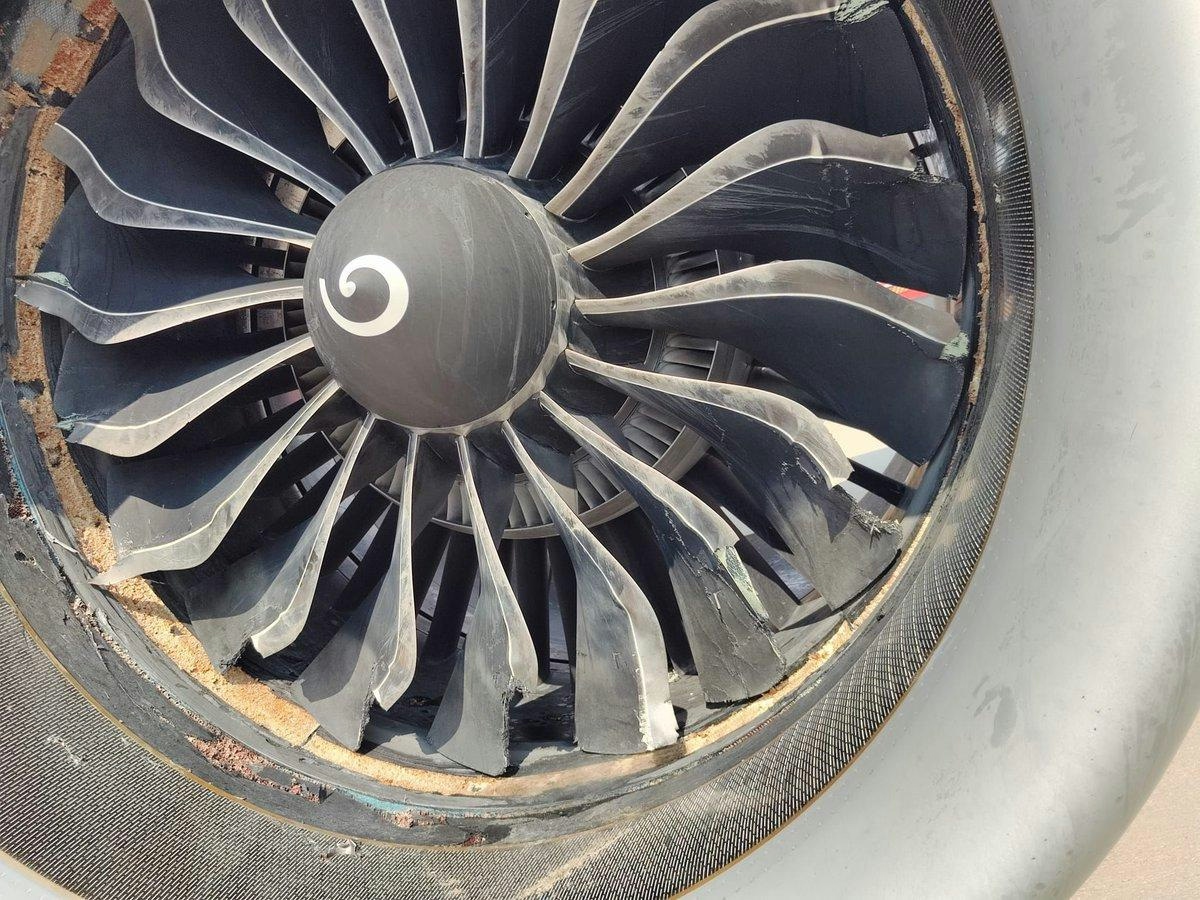
Iberia A321XLR Returns to Madrid Following Bird Strike-Induced Engine Damage
An Iberia Airbus A321XLR, registered EC-OOJ and recently introduced into commercial service, was compelled to return to Madrid-Barajas Airport (MAD) on Sunday, August 3, after sustaining damage from a bird strike shortly after takeoff. Operating flight IB579 to Paris-Orly (ORY), the aircraft experienced visible damage to its nose and left engine, prompting an emergency diversion and safe landing approximately 20 minutes after departure. Fortunately, all passengers and crew remained unharmed.
Details of the Incident
The bird strike occurred during the aircraft’s initial climb phase when a bird collided with the radome—the nose cone housing the weather radar—and was subsequently ingested by the left CFM International LEAP-1A engine. In response, the flight crew followed established safety protocols by halting the climb, declaring an emergency, and returning to Madrid. Photographs shared on social media revealed significant damage to the nose, exposing radar components, alongside multiple damaged fan blades within the left engine.
Bird strikes represent a persistent hazard in aviation, particularly during takeoff and landing when aircraft operate at lower altitudes with increased bird activity. Although commercial aircraft and engines are engineered and certified to withstand such impacts to a degree, any indication of engine damage necessitates an immediate return for thorough technical inspection. Airports implement wildlife control measures to mitigate these risks, yet collisions remain an unavoidable challenge. Jet engines undergo stringent bird ingestion testing to ensure they can be safely shut down without compromising the aircraft’s structural integrity.
Context and Industry Implications
The affected aircraft is among the newest in Iberia’s fleet and one of the first A321XLRs deployed in commercial service globally. Iberia, as the global launch customer for the A321XLR, received its first unit in late 2024. This model is distinguished by its ability to operate long-haul flights with a single-aisle design, offering enhanced efficiency for transatlantic routes.
This incident arrives amid increased scrutiny of the A321XLR program. Operational disruptions and maintenance challenges stemming from such events have raised concerns regarding the aircraft’s reliability and safety. Market reactions have been evident, with carriers such as Wizz Air recently scaling back their A321XLR orders and limiting future operations to the UK market, reflecting a more cautious industry approach. The event also recalls previous incidents, including the Jeju Air crash, where pilots mistakenly shut down the wrong engine following a bird strike, highlighting ongoing challenges in bird strike management and engine reliability.
As investigations proceed, Iberia and other operators of the A321XLR may encounter heightened regulatory oversight and operational adjustments aimed at addressing these issues. The aviation sector continues to navigate the balance between technological innovation and the management of enduring risks such as bird strikes.

Etihad Airways Suspends Airbus A380 Flights on Key Route

Aditya Birla Group Seeks Approval for Aircraft Leasing in GIFT City

Qatar Airways Highlights Innovation and Connectivity at Arabian Travel Market 2026

Hong Kong's Five-Year Plan Includes Andrew Fan's Aircraft Parts Processing Hub Proposal

ACIA Aero Leasing Delivers ATR72-600 to Air Nostrum

RTX Appoints Jill Albertelli as Head of Pratt & Whitney

TAT Technologies Joins Beyond Aero Hydrogen Aircraft Program

AURAK Study Highlights Barriers to Air Taxi Adoption in Emerging Economies

Xiamen Air Selects Altitude for 787 Maintenance at Heathrow

Etihad and Swissport Extend Global Partnership
