
KI-Erkenntnisse in konkrete Maßnahmen überführen

Trends
Categories
IndiGo Plans to Operate 550 Jets and Increase Ownership by FY2030

IndiGo Sets Ambitious Fleet Expansion and Ownership Goals by 2030
IndiGo, India’s largest airline, has announced plans to operate a fleet of 550 aircraft by fiscal year 2030, accompanied by a strategic shift towards increased ownership of its jets. The airline aims to raise the proportion of owned aircraft to between 30 and 40 percent of its total fleet, up from the current 20 percent, while continuing to operate the remainder under leasing arrangements. This move reflects IndiGo’s intent to balance operational flexibility with greater asset control amid evolving industry dynamics.
As of fiscal 2026, IndiGo’s fleet composition consisted of 75 percent operating leases, 20 percent owned aircraft, and approximately 5 percent on damp leases. The airline has expressed its intention to reduce reliance on older-generation and damp-leased aircraft, a decision that may influence its long-haul operations and future capacity expansion.
Financial Performance and Operational Challenges
IndiGo’s expansion ambitions come against a backdrop of financial challenges. The airline reported a net loss of Rs 24 billion for FY2026, largely attributed to foreign exchange volatility. Excluding foreign exchange fluctuations and exceptional items, the company stated that profits would have reached Rs 75 billion. To address currency risks, IndiGo is implementing measures such as hedging, internationalization of operations, and maintaining foreign currency deposits. The airline also reported a robust free cash balance of $3.8 billion (Rs 362 billion), providing a financial cushion for its growth plans.
Nevertheless, the airline faces significant headwinds, including elevated fuel prices, airspace disruptions, and a generally difficult operating environment. Industry analysts have expressed reservations about the feasibility of IndiGo’s rapid expansion, given recent losses and operational complexities.
Industry Growth and Competitive Dynamics
IndiGo’s fleet expansion is poised to intensify competition within the Indian aviation sector, prompting rival carriers to enhance their own capacities or adjust strategic priorities to protect market share. The Indian aviation market has witnessed rapid growth, with domestic carriers collectively placing orders for over 1,700 aircraft in recent years. The country’s fleet has expanded at a rate three times the global average over the past decade.
Management remains optimistic, citing India’s projected economic trajectory as a key driver of increased air travel demand. The country is expected to become the world’s largest economy by 2028, surpassing $7 trillion by 2030. IndiGo highlights that travel currently accounts for 23 percent of discretionary spending in India, a figure anticipated to rise further. Additionally, 90 percent of India’s population resides within 100 kilometers of an airport served by the airline, and a quarter of the global workforce entering the market will be from India.
Fleet and Service Expansion Plans
As of March 31, IndiGo operated 441 aircraft, with an outstanding order book of 901 jets—the largest of any airline worldwide. The carrier has been the leading recipient of Airbus deliveries globally for the past two years. IndiGo currently offers over 2,800 business-class seats daily and plans to increase this number to more than 4,300 by March 2027.
Supporting infrastructure developments are underway, with over 150 new airports planned across India, including the recently inaugurated Jewar airport near Delhi. IndiGo’s management emphasized that the airline has become the world’s eighth-largest by departures and tenth-largest by fleet size, achievements realized within just two decades.
Despite the challenging environment and ambitious targets, IndiGo’s leadership remains confident that its substantial order book, strategic shift towards greater ownership, and the robust growth of India’s aviation market will underpin its long-term expansion.
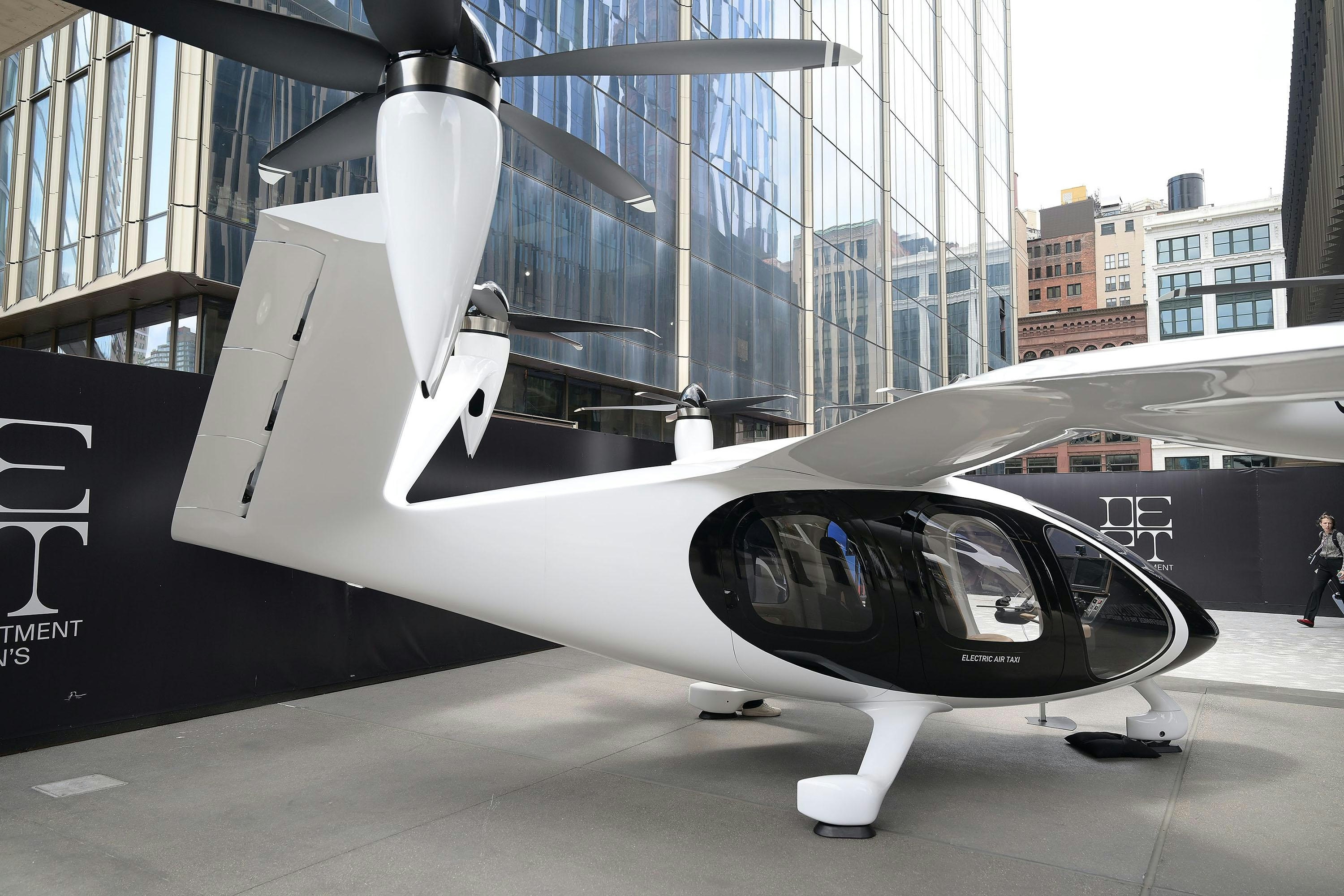
Joby Aviation Extends Autonomous Flight Capabilities with Cross-Country Tour
Strengthening Europe's Aviation Supply Chain Amid Uncertainty
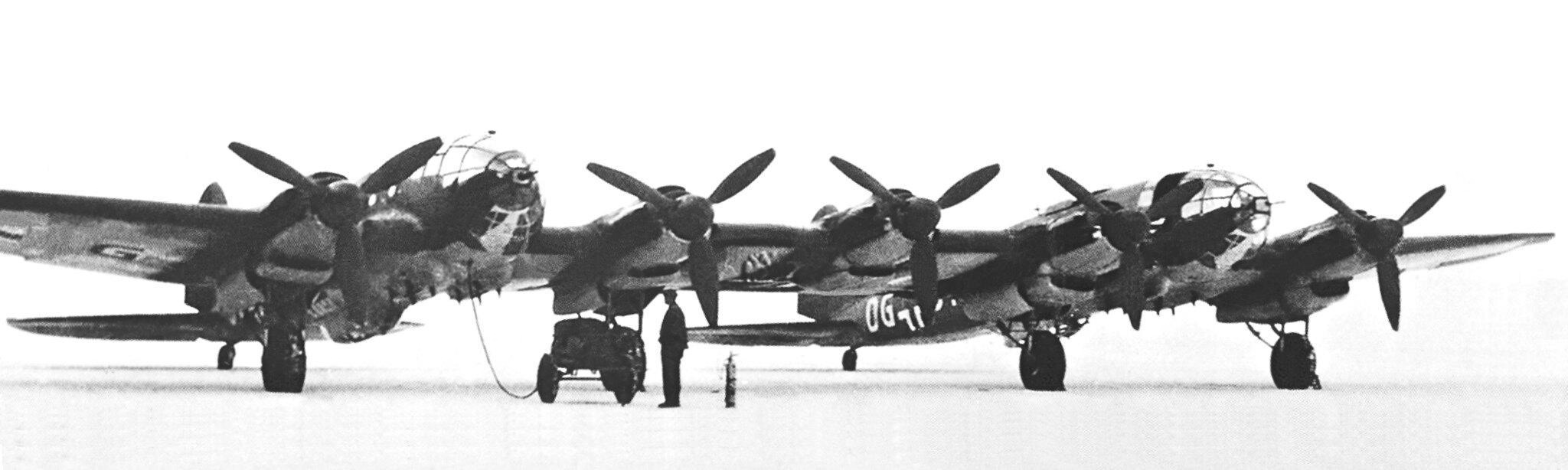
He 111Z Zwilling: Twin Fuselages, Five Engines, One Pilot
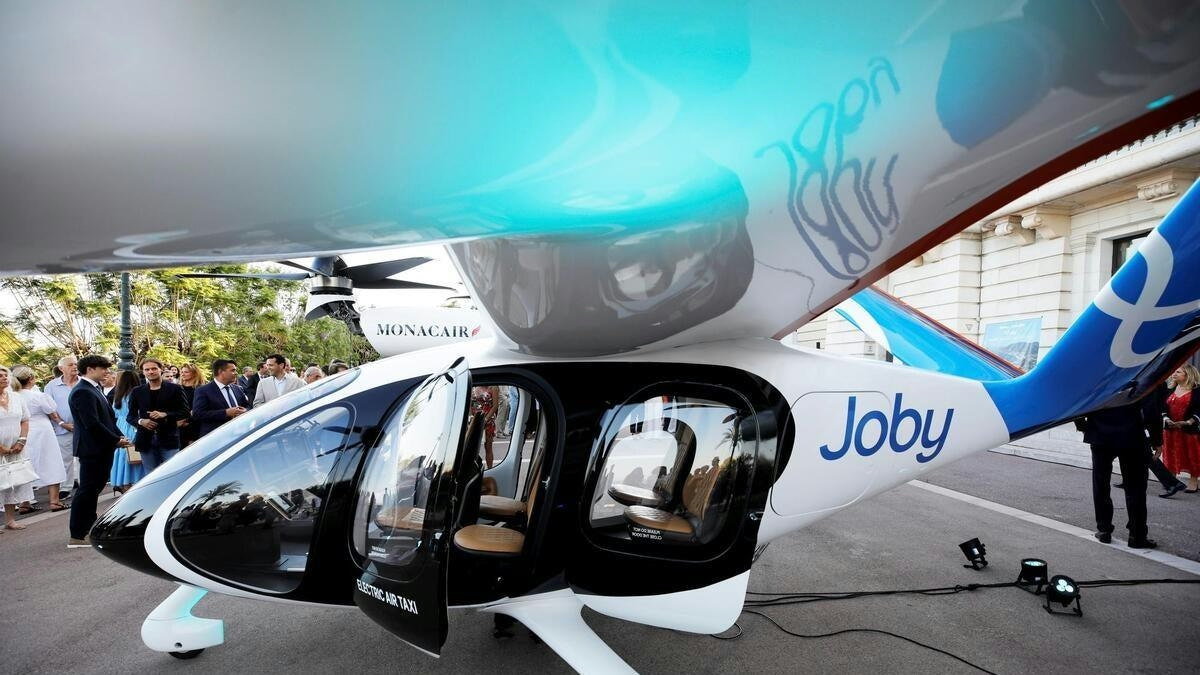
Monacair Plans Electric Air Taxi Service Between Monaco and Nice by 2029
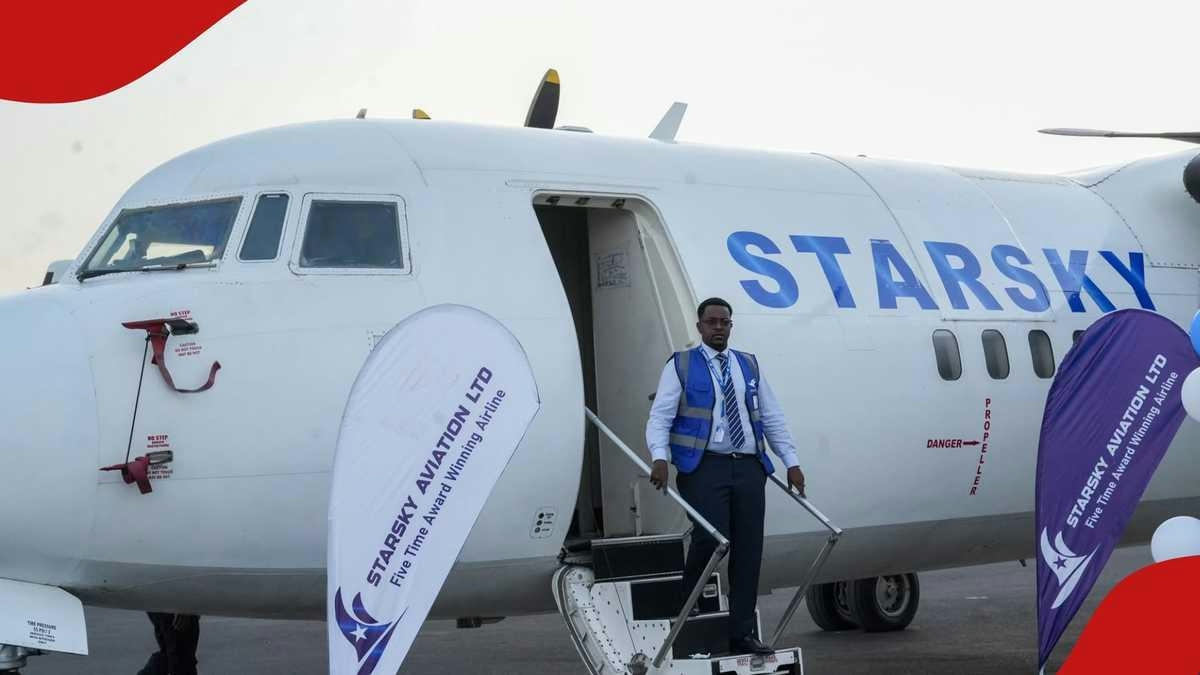
Somalia’s Starsky Aviation Plans International Expansion

Precision and Care Essential in Aerospace Coating Applications
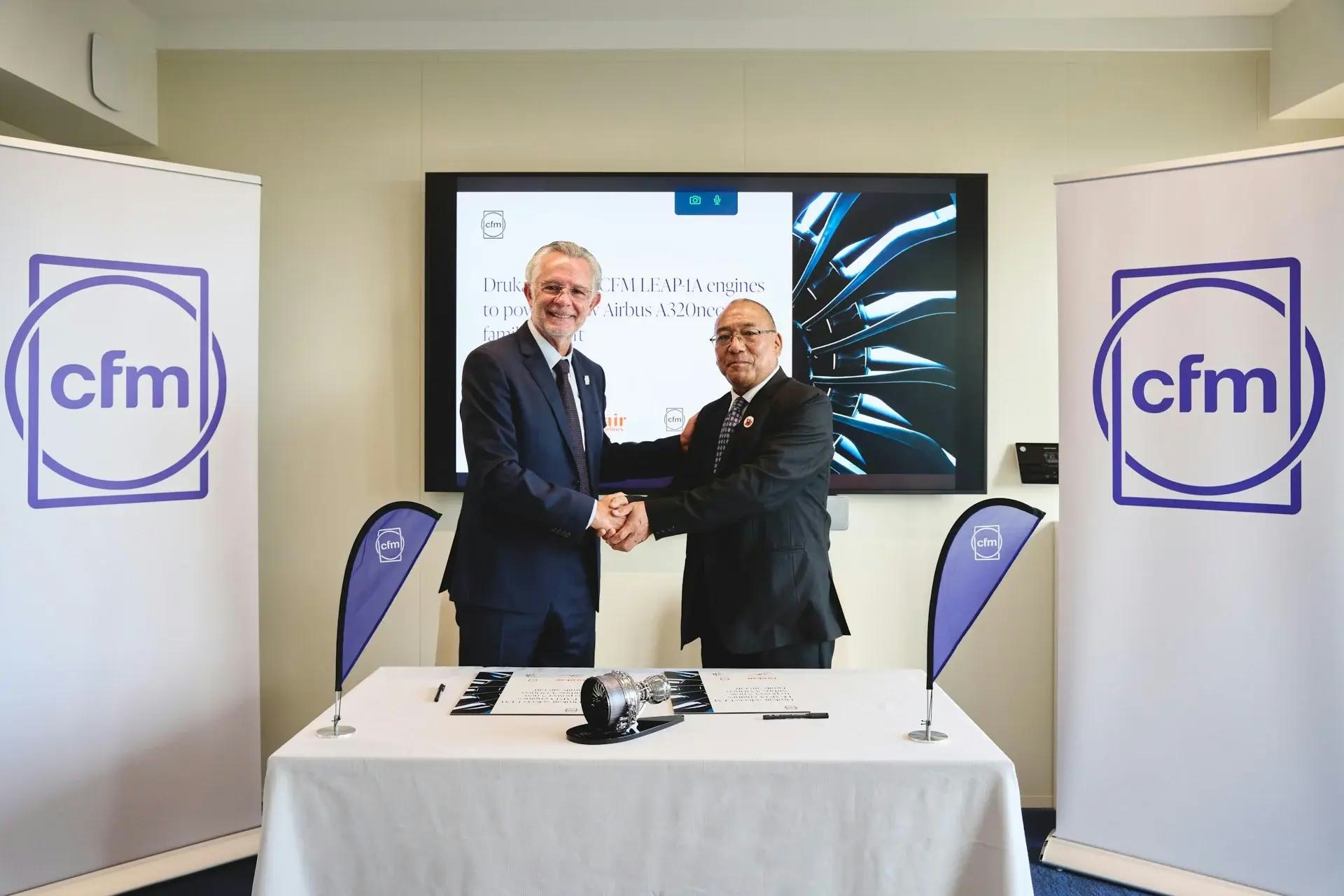
Drukair Chooses LEAP Engines for Five Airbus Aircraft

GE Aerospace Advances XA102 Adaptive Cycle Engine Toward Assembly for U.S. Air Force Combat Aircraft

Russia Tests Air Taxis with Passenger Flights Possible in 2-3 Years
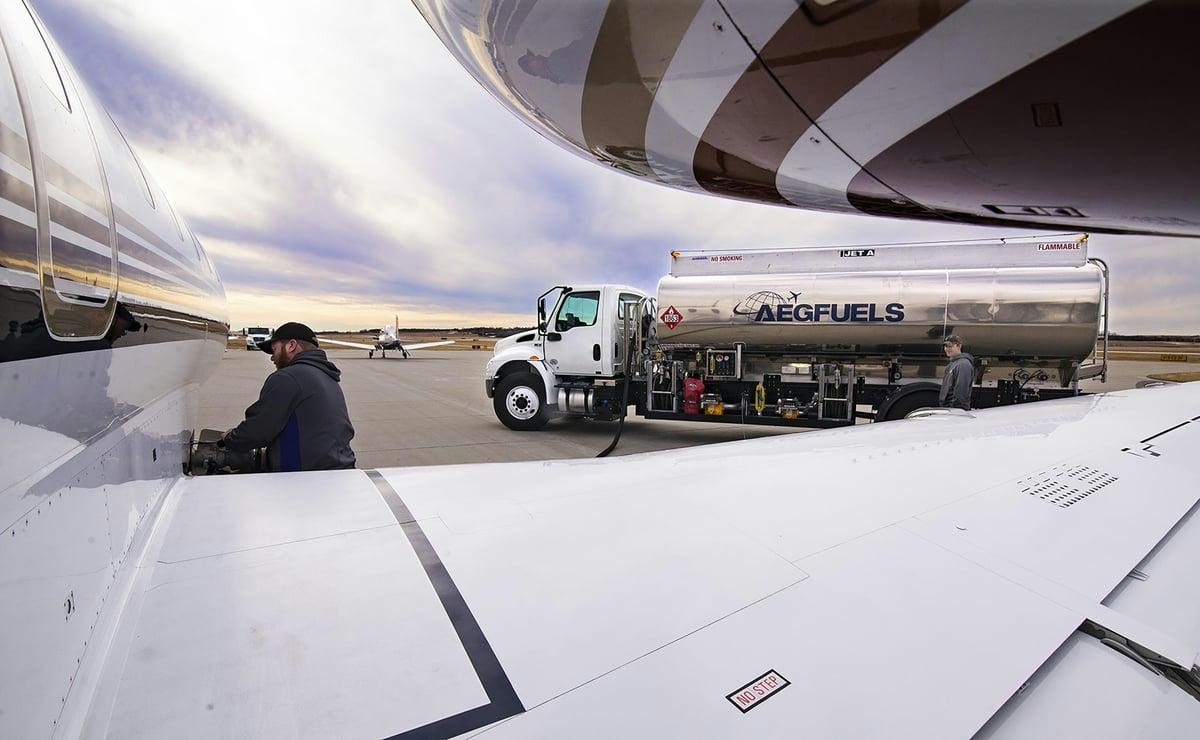
AEG Fuels Launches Equipment Leasing Subsidiary
