
KI-Erkenntnisse in konkrete Maßnahmen überführen

Trends
Categories
Iranian Technicians Overhaul BK 117 Helicopter Engine
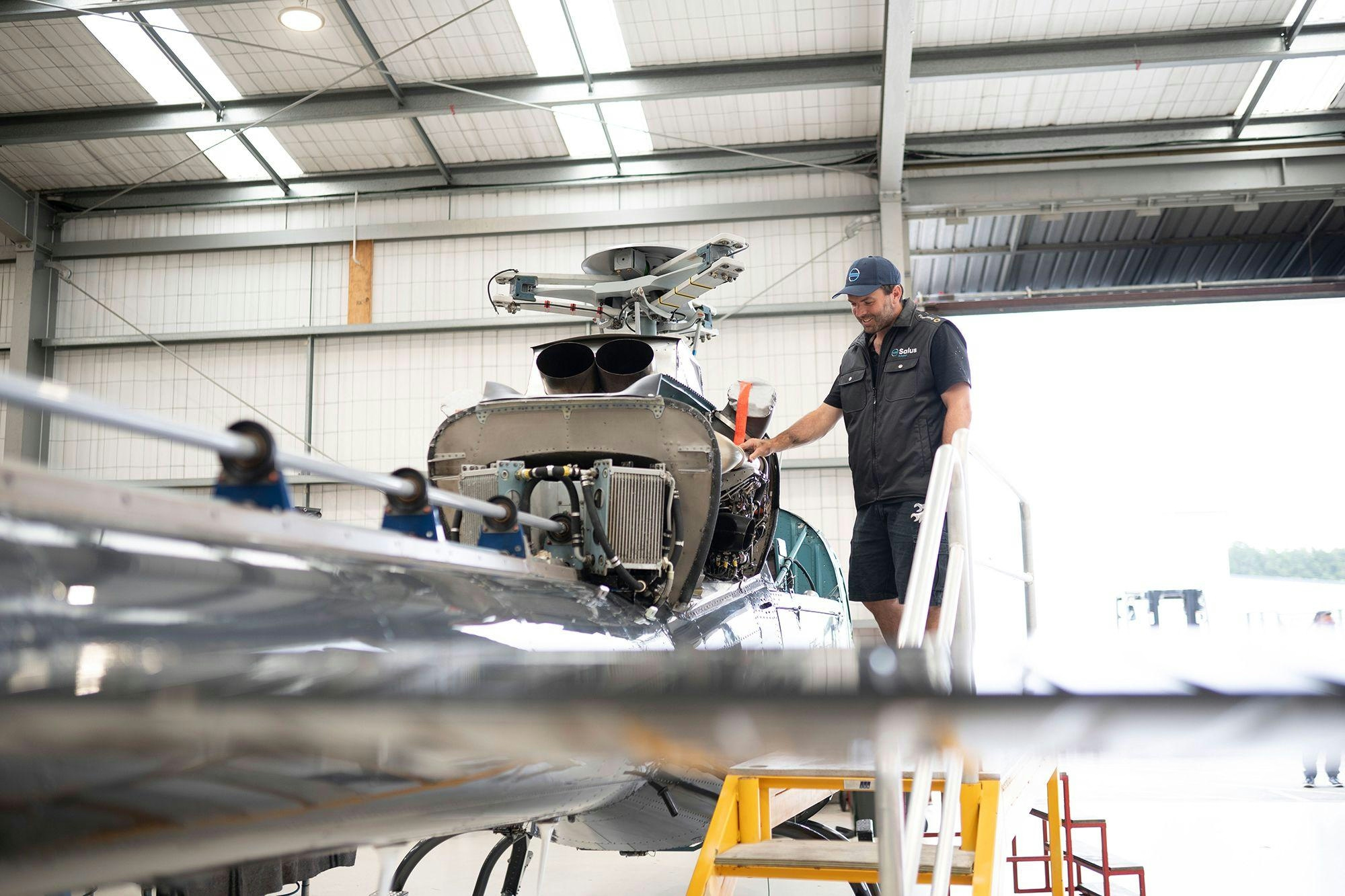
Iranian Technicians Achieve First Domestic Overhaul of BK 117 Helicopter Engine
Iranian technicians have completed the first-ever full overhaul of the BK 117 helicopter engine within the country, marking a significant advancement for Iran’s aviation sector amid ongoing international sanctions. The accomplishment was announced by Hossein Pourfarzaneh, Iran’s civil aviation chief, who emphasized that this milestone reflects years of dedicated and complex work by local experts.
Overcoming Sanctions Through Domestic Expertise
The decision to pursue domestic overhaul capabilities arose after foreign manufacturers, located in countries enforcing sanctions, declined to cooperate and even confiscated engines sent abroad for maintenance. Pourfarzaneh underscored the strategic importance of developing local repair and manufacturing capacities, noting that engines constitute a major portion of an aircraft’s value and that such capabilities are vital to sustaining the national aviation economy.
The BK 117, a medium-sized, twin-engine helicopter produced jointly by Kawasaki Heavy Industries and Airbus Helicopters, is widely utilized for emergency services. The overhaul was conducted by MAPNA, an Iranian engineering firm recognized for its work on advanced technological projects. Iranian technicians faced significant challenges, particularly in sourcing parts and technologies restricted by sanctions. These obstacles compelled engineers to devise innovative solutions and rely heavily on domestic manufacturing, demonstrating both technical resilience and Iran’s commitment to maintaining and expanding its aviation fleet despite external pressures.
Broader Implications for Iran’s Aviation Sector
This development occurs amid cautious market reactions, with some investors expressing concern that Iran’s increasing self-sufficiency in aviation maintenance could disrupt global supply chains further. Additionally, international regulators and competitors may respond with heightened scrutiny of Iranian aviation capabilities, potentially resulting in stricter regulations or expanded embargoes on Iranian aviation products.
Despite these challenges, Iran has sustained its aviation operations and even extended maintenance services to foreign carriers. Notably, last year Russia’s largest airline, Aeroflot, reportedly sent a Western-made jet to Iran for repairs. Furthermore, in late 2024, Iranian authorities announced that domestic experts had mastered the technology to manufacture spare parts for Boeing and Airbus jet engines.
As Iran continues to navigate the complexities imposed by international sanctions, the successful overhaul of the BK 117 engine highlights the technical proficiency of its engineers and underscores the broader economic and geopolitical ramifications for the region’s aviation industry.

Etihad Airways Suspends Airbus A380 Flights on Key Route

Aditya Birla Group Seeks Approval for Aircraft Leasing in GIFT City

Qatar Airways Highlights Innovation and Connectivity at Arabian Travel Market 2026

Hong Kong's Five-Year Plan Includes Andrew Fan's Aircraft Parts Processing Hub Proposal

ACIA Aero Leasing Delivers ATR72-600 to Air Nostrum

RTX Appoints Jill Albertelli as Head of Pratt & Whitney

TAT Technologies Joins Beyond Aero Hydrogen Aircraft Program

AURAK Study Highlights Barriers to Air Taxi Adoption in Emerging Economies

Xiamen Air Selects Altitude for 787 Maintenance at Heathrow

Etihad and Swissport Extend Global Partnership
