
KI-Erkenntnisse in konkrete Maßnahmen überführen

Trends
Categories
Japan Joins European Partners to Advance Airbus Eurodrone Program for Indo-Pacific Security
Japan Joins European Partners to Advance Airbus Eurodrone Program for Indo-Pacific Security
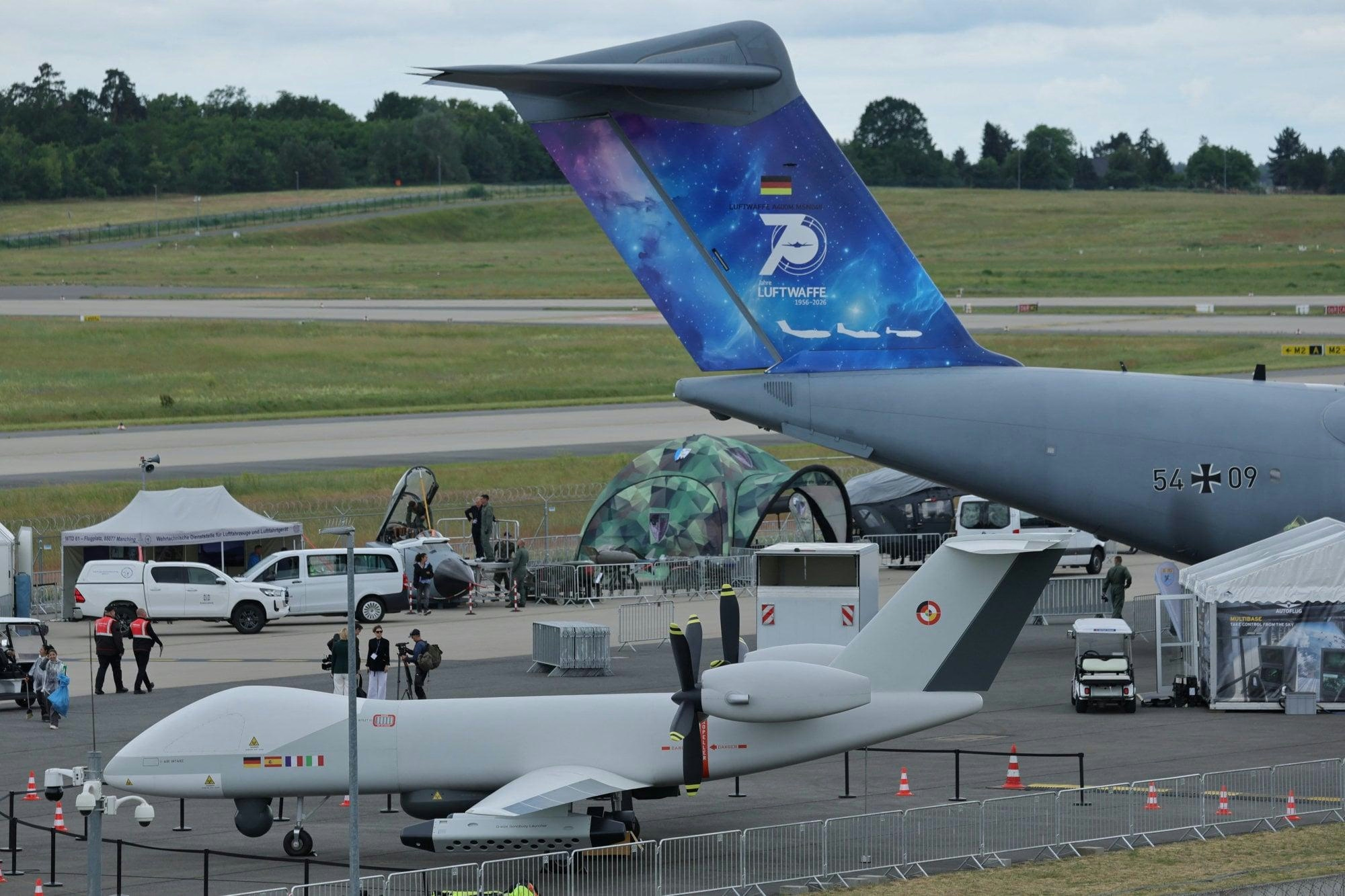
Japan is strengthening its strategic aerospace collaboration with Europe through a new memorandum of understanding between Kawasaki Heavy Industries (KHI) and Airbus. This agreement aims to explore the development of a Japanese anti-submarine variant of the Airbus Eurodrone, integrating Japan more closely with the core European partners—France, Germany, Italy, and Spain—who form the backbone of the Eurodrone program. The partnership highlights Japan’s growing ambitions in defense aviation, maritime surveillance, and aerospace innovation within the Indo-Pacific region.
Enhancing Maritime Surveillance and Defense Capabilities
The initiative underscores the increasing significance of advanced unmanned aerial systems in securing critical maritime routes, where commercial shipping, aviation connectivity, and regional stability are deeply interconnected. The Japanese variant of the Eurodrone is intended to complement the existing P-1 maritime patrol aircraft operated by the Japan Maritime Self-Defense Force. By enhancing surveillance capabilities and addressing personnel shortages, the new platform is expected to play a vital role in Japan’s maritime security strategy.
Beyond military modernization, the collaboration between KHI and Airbus opens new opportunities for aerospace research, industrial cooperation, and technological innovation. The partners will jointly evaluate aircraft design modifications, sensor integration, production processes, and long-term maintenance tailored to Japan’s operational needs. However, the integration of Japanese sensors and effectors with the European airframe presents technical complexities that may pose challenges for production and sustainment, reflecting the inherent difficulties of multinational defense projects.
Japan has participated as an observer in the Eurodrone program since 2023, and this agreement marks a significant advancement. The first flight of the Japan-specific variant is scheduled for 2029. Based on the Airbus U950 Eurodrone platform, the aircraft will be adapted for anti-submarine warfare and maritime surveillance missions, leveraging its long-endurance capabilities to monitor extensive oceanic areas.
Strategic Implications and Market Response
Japan’s investment in long-endurance unmanned systems is a strategic response to evolving security challenges in the Indo-Pacific, aimed at strengthening maritime security and ensuring the resilience of transportation networks. The Eurodrone’s operational flexibility and payload capacity of approximately 2.3 tons make it well-suited for carrying specialized anti-submarine equipment and conducting prolonged surveillance operations.
The defense sector has reacted with cautious optimism to Japan’s involvement, recognizing the potential for enhanced regional security cooperation. Nonetheless, this development may prompt competitor nations to accelerate their own drone programs in an effort to maintain strategic balance within the Indo-Pacific.
Program Timeline and European Coordination
While France, Germany, Italy, and Spain remain committed to the Eurodrone program, there are indications that France’s acquisition timeline could experience delays, potentially affecting the overall project schedule. These uncertainties highlight the challenges of coordinating multinational defense initiatives, as participating countries must balance domestic priorities alongside shared security objectives.
Japan’s expanded role in the Eurodrone program reflects a broader strategic commitment to investing in advanced aviation technologies that support regional security and future aerospace development. As international cooperation in unmanned systems intensifies, the partnership between Japan and its European counterparts is set to influence the next generation of maritime surveillance and defense capabilities across the Indo-Pacific.
Comments

Etihad Airways Suspends Airbus A380 Flights on Key Route

Aditya Birla Group Seeks Approval for Aircraft Leasing in GIFT City

Qatar Airways Highlights Innovation and Connectivity at Arabian Travel Market 2026

Hong Kong's Five-Year Plan Includes Andrew Fan's Aircraft Parts Processing Hub Proposal

ACIA Aero Leasing Delivers ATR72-600 to Air Nostrum

RTX Appoints Jill Albertelli as Head of Pratt & Whitney

TAT Technologies Joins Beyond Aero Hydrogen Aircraft Program

AURAK Study Highlights Barriers to Air Taxi Adoption in Emerging Economies

Xiamen Air Selects Altitude for 787 Maintenance at Heathrow

Etihad and Swissport Extend Global Partnership
