
KI-Erkenntnisse in konkrete Maßnahmen überführen

Trends
Categories
Key Aircraft Electrical System Companies to Watch in 2026
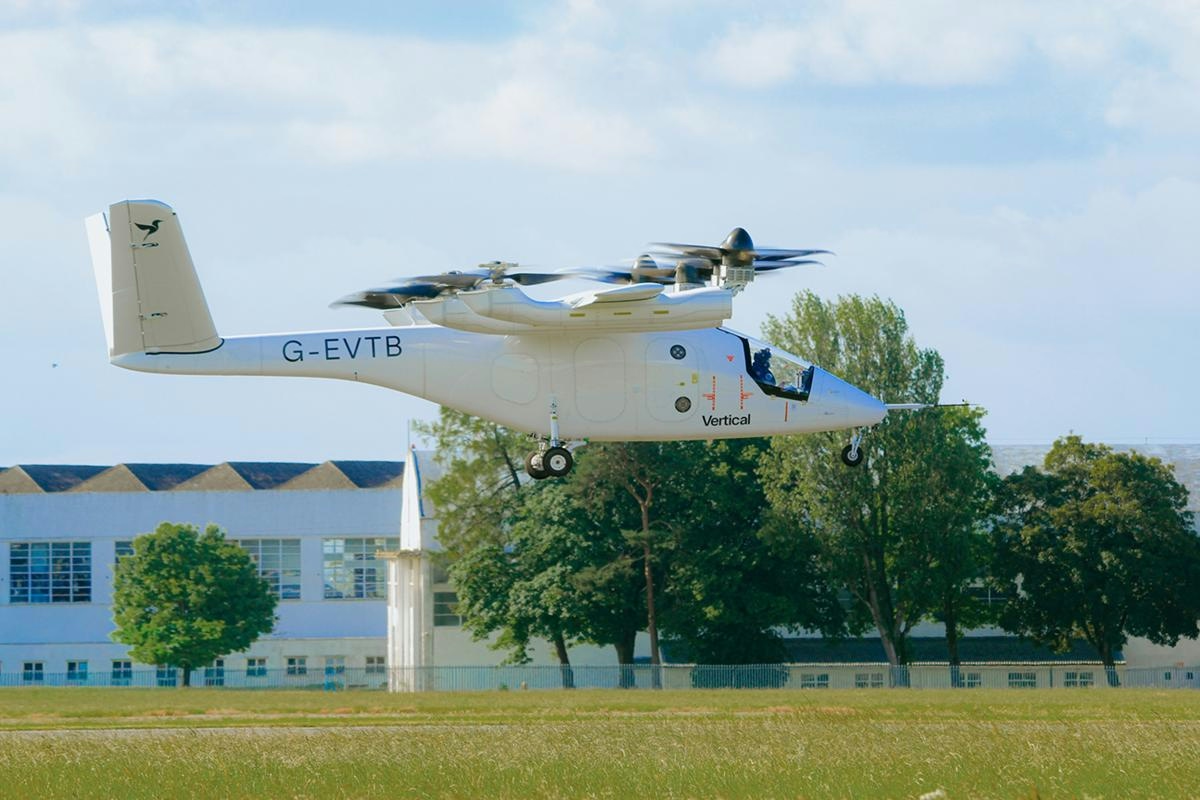
Key Aircraft Electrical System Companies to Watch in 2026
Aircraft electrical systems are integral to the safety, efficiency, and overall performance of modern aviation. These systems power a wide array of critical functions, including navigation, communication, lighting, fuel management, and advanced avionics. As the aerospace industry intensifies its focus on reducing fuel consumption and enhancing environmental sustainability, the demand for innovative electrical solutions continues to grow.
Technological Advancements and Market Outlook
Recent developments have introduced alternating current systems, advanced power management units, and sophisticated electrical components designed specifically for next-generation aircraft. Electrical systems now underpin essential operations such as radar, flight controls, cabin management, and environmental controls, positioning them at the core of both safety and operational efficiency. Innovations in lightweight wiring, advanced power distribution, and digital control systems are further optimizing electrical load management across various aircraft platforms.
According to Fortune Business Insights, the global aircraft electrical systems market reached USD 23.54 billion in 2025 and is projected to expand at a compound annual growth rate (CAGR) of 7.93%, reaching USD 40.16 billion by 2034.
Despite this promising outlook, the sector faces significant challenges. Regulatory delays, particularly concerning electric propulsion standards, have slowed the pace of innovation due to bureaucratic hurdles. Market dynamics are also influenced by technological milestones such as Pro Star Aviation’s recent Federal Aviation Administration (FAA) approval for Gogo Galileo on the Pilatus PC-12, which enhances connectivity in remote regions. In response, competitors are forging strategic partnerships; for instance, Vaeridion has expanded its advisory panel to accelerate the development of its Microliner, targeting both practical application and economic viability. Meanwhile, avionics leaders like Universal Avionics and Garmin are concentrating on upgrading cockpit systems, further differentiating themselves in a competitive market.
Leading Companies in Aircraft Electrical Systems
Ametek, headquartered in the United States, is a prominent provider of advanced components for power distribution, generation, and monitoring. Its product portfolio includes power conversion units, generators, and electrical control solutions tailored for both commercial and military aircraft, with a focus on stable voltage regulation and lightweight integration.
Amphenol Corporation, also based in the U.S., specializes in secure connectivity and signal integrity. The company supplies cable assemblies, high-performance connectors, and power distribution interfaces, supporting aerospace manufacturers with robust and reliable electrical infrastructure.
Astronics Corporation, another U.S. leader, is recognized for its power generation and cabin distribution systems. Its offerings include in-seat power solutions, electrical panels, and integrated distribution units designed for efficient energy management and seamless installation, serving both commercial and defense aviation sectors.
Avionic Instruments, LLC, a U.S.-based firm, is known for its battery chargers, inverters, and power conversion units engineered to deliver consistent output and safety. The company emphasizes compact, robust designs that comply with stringent aerospace standards.
BAE Systems, headquartered in the United Kingdom, is a preferred supplier for military and advanced aviation platforms. It offers power management units and electronic control modules that support complex and demanding operational requirements.
As the aircraft electrical systems industry continues to evolve, these companies are not only advancing technological capabilities but also navigating regulatory complexities and competitive pressures. Strategic collaborations and ongoing innovation remain essential as the sector adapts to emerging standards and rising expectations for connectivity, efficiency, and sustainability.

Etihad Airways Suspends Airbus A380 Flights on Key Route

Aditya Birla Group Seeks Approval for Aircraft Leasing in GIFT City

Qatar Airways Highlights Innovation and Connectivity at Arabian Travel Market 2026

Hong Kong's Five-Year Plan Includes Andrew Fan's Aircraft Parts Processing Hub Proposal

ACIA Aero Leasing Delivers ATR72-600 to Air Nostrum

RTX Appoints Jill Albertelli as Head of Pratt & Whitney

TAT Technologies Joins Beyond Aero Hydrogen Aircraft Program

AURAK Study Highlights Barriers to Air Taxi Adoption in Emerging Economies

Xiamen Air Selects Altitude for 787 Maintenance at Heathrow

Etihad and Swissport Extend Global Partnership
