Bild

KI-Erkenntnisse in konkrete Maßnahmen überführen

Trage dich noch heute in die AeroGenie-Warteliste ein!

Trends

Categories

KT Highlights Safety in Urban Air Mobility with 5G and AI Traffic Control
July 15, 2026By ePlane AI
KT Highlights Safety in Urban Air Mobility with 5G and AI Traffic Control
0
0
Urban Air Mobility
5G Aviation Network
AI Traffic Management

KT Advances Urban Air Mobility Safety with 5G and AI Traffic Management

Introducing an AI-Driven Traffic Control Platform

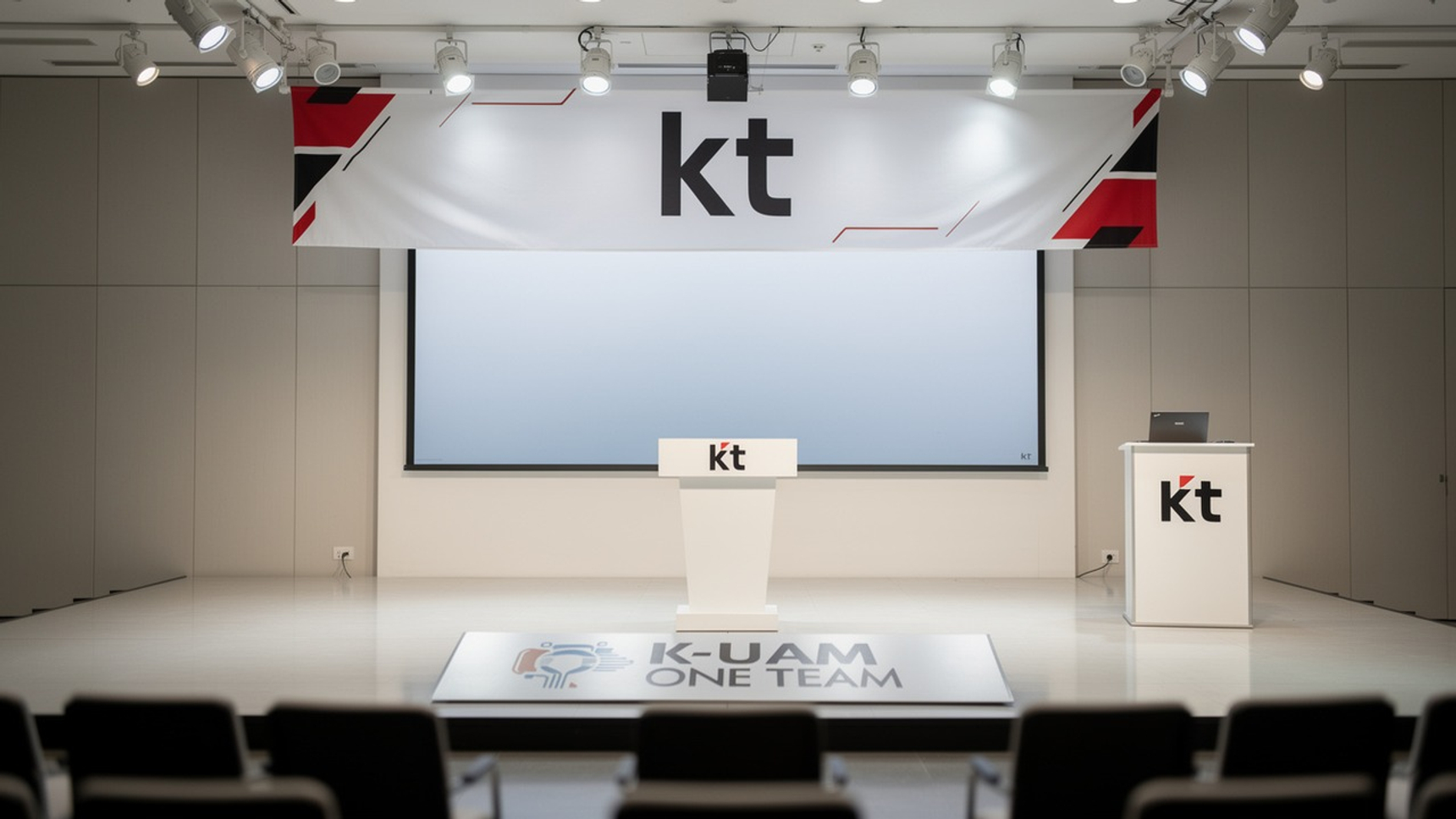
KT has unveiled a cutting-edge traffic management platform that integrates artificial intelligence (AI) with 5G aviation network technology, marking a significant step toward the commercialization of urban air mobility (UAM) in South Korea. Presented at the 2026 Korea Drone & UAM Expo in Incheon—the nation’s largest drone and UAM exhibition organized by the Ministry of Land, Infrastructure and Transport—this initiative aims to enhance safety by supporting human controllers in managing complex urban airspace where multiple aircraft operate simultaneously.

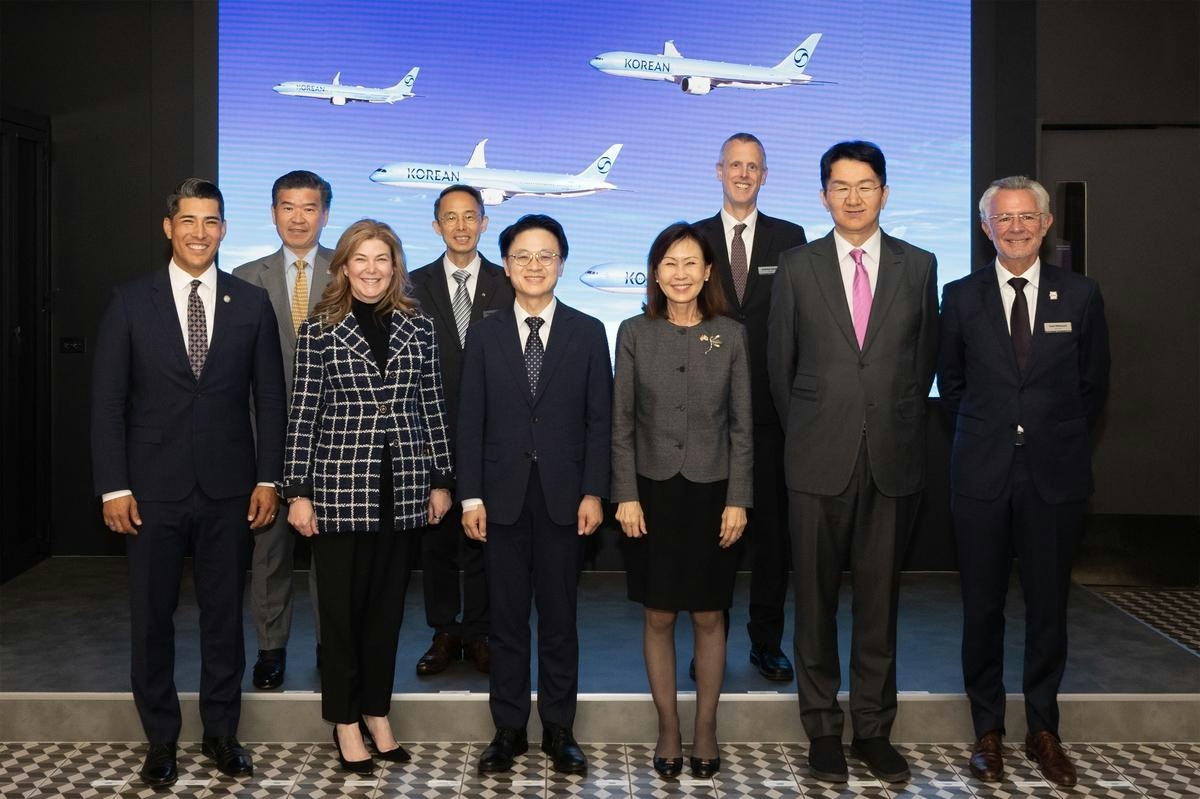
As a key member of the "K-UAM One Team" consortium, which includes Hyundai Motor, Hyundai Engineering & Construction, Incheon International Airport Corporation, and Korean Air, KT emphasized the necessity of an integrated operational system for UAM. Central to its presentation was the AI-based UAM traffic management AX (AI Transformation) platform, which leverages real-time data analysis through the 5G aviation network to monitor flight paths, communications, and operational metrics. The system is designed to detect anomalies such as route deviations, abnormal flight behavior, and communication disruptions at an early stage.

KT’s approach prioritizes a "Human-in-the-loop" model, wherein AI identifies irregularities and suggests appropriate responses—ranging from emergency procedures to traffic flow adjustments—while human controllers retain ultimate decision-making authority. This balance aims to combine the efficiency of AI with the judgment and oversight of experienced operators.

Enhancing Communication and Network Reliability

In addition to traffic management, KT highlighted foundational communication technologies essential for safe UAM operations. The company employs network slicing to ensure prioritized, high-quality in-flight communication. It has also developed the "SkyPath" antenna to optimize aviation network deployment. To maintain stable connectivity even in areas without terrestrial 5G coverage or when aircraft deviate from planned routes, KT utilizes dual-link technology that combines 5G and satellite communications.

Despite these technological advancements, KT faces considerable challenges in delivering a robust and reliable 5G network capable of supporting real-time data processing and seamless communication. The complexity of managing increasingly dense and dynamic air traffic patterns places significant demands on both AI systems and network infrastructure.

Industry Response and Future Prospects

Market reactions to KT’s initiative have been mixed. While there is optimism regarding the potential for improved safety and operational efficiency, some industry experts remain cautious about the maturity and dependability of 5G and AI technologies in the high-stakes environment of urban air mobility. Competitors may respond by accelerating their own developments in 5G and AI or by leveraging the strengths of their existing infrastructure. Furthermore, regulatory scrutiny and public concerns about safety will likely influence market dynamics and competitive strategies in the coming years.

KT has been steadily building its capabilities through participation in the "K-UAM Grand Challenge" demonstration project, where it validated integrated operational procedures and showcased a 5G-based communication, navigation, and surveillance system. Recently, the company took part in a public UAM demonstration in the Incheon island region, exploring practical applications such as emergency medical services and island transportation.

Won Man-ho, head of KT’s AX Platform Division, underscored the importance of comprehensive verification for UAM systems. He stated, "For UAM to become a trusted mode of transportation, not only the aircraft but also the integrated operational system—including communication networks, traffic management, and information sharing—must be thoroughly verified. With our AI-based traffic management platform and 5G aviation network, we aim to build a safe UAM ecosystem and accelerate commercialization, starting with public services."

At the same expo, Korean Air, another member of the K-UAM One Team, showcased its own technological progress by unveiling "ACROSS," a self-developed next-generation mobility operation and control system, further highlighting the collaborative efforts underway to advance South Korea’s urban air mobility sector.

More news
SLI and e-Smart Explore Electric Aircraft Leasing for Regional Cargo

SLI and e-Smart Explore Electric Aircraft Leasing for Regional Cargo

SLI and e-Smart Advance Electric Aircraft Leasing for Regional Cargo A landmark operating lease agreement for electric cargo aircraft has been finalized, representing a crucial advancement in the commercial adoption of electric aviation by addressing one of its primary challenges: financing. e-Smart Group has entered into a deal with aerospace asset finance specialist Space Leasing International (SLI) for up to 20 BETA Technologies ALIA electric aircraft. This arrangement converts e-Smart’s prior purchase order into an operating lease, whereby SLI retains ownership of the aircraft and e-Smart commits to fixed monthly payments. Financing Innovation in Electric Aviation While orders for electric and advanced air mobility (AAM) platforms are increasing, structured financing solutions remain scarce, making this agreement a significant milestone for the industry. SLI’s CEO, Praveen Vetrivel, underscored the critical role leasing will play in scaling electric aviation. He explained that leasing enables both established and emerging operators to access new technology with lower upfront capital requirements, paralleling the transformative impact leasing had on conventional aviation from the 1970s onward. Vetrivel further noted that many operators prefer leasing to avoid locking capital into assets amid rapidly evolving technology. The lease agreements are designed to provide lessees with access to the latest advancements without long-term commitments, a flexibility particularly important given the evolving battery lifecycles and asset valuations in electric aircraft. Although financing electric aircraft demands careful assessment of battery depreciation and longevity, Vetrivel emphasized that the fundamental principles align closely with traditional aviation leasing practices. Founded by Libra Group in 2023, SLI has already secured commitments for up to 190 electric aircraft and autonomous cargo drones. Vetrivel anticipates that approximately 20 aircraft will be operational within two years, though the pace of deployment will depend on certification processes. Operational Integration and Market Outlook On the operational side, e-Smart intends to incorporate electric aircraft into existing logistics frameworks, positioning them as complementary to, rather than replacements for, trucks and larger freighters. e-Smart CEO Denis Ilin highlighted that electric air services are well-suited for time-sensitive shipments and can address inefficiencies in short regional routes where conventional aircraft are often uneconomical. He also pointed out that the BETA aircraft will enable zero-emission operations during night-ban hours, expanding operational flexibility. The initial delivery of five conventional take-off and landing (CTOL) aircraft is scheduled for the latter half of 2027, with commercial operations expected to commence shortly thereafter. These aircraft will provide airport-to-airport services, carrying payloads up to 500 kilograms over distances of approximately 350 kilometers, with plans for subsequent expansion. Despite the promising outlook, SLI and e-Smart face several challenges, including regulatory approval processes, substantial upfront investment costs, and the development of necessary infrastructure for battery charging and swapping. The market response has been cautiously optimistic, with regional cargo operators showing interest in emission reduction strategies. Competitors are accelerating their own electric aircraft initiatives or forming strategic partnerships with manufacturers. Recent developments, such as Korean leasing group Solyu’s exploration of eViator electric aircraft and ongoing trials by companies like Loganair and Surf Air Mobility, reflect the growing momentum within the sector.
Forum Markets Expands Aviation Portfolio with Engine Acquisition

Forum Markets Expands Aviation Portfolio with Engine Acquisition

Forum Markets Expands Aviation Portfolio with Engine Acquisition Forum Markets Inc (FRMM) announced on July 16, 2026, the acquisition of a commercial aircraft engine for approximately $12 million in cash, marking a significant expansion of its aviation asset portfolio. This purchase brings the company’s total holdings to four engines, all leased on long-term contracts to major U.S. airlines. Additionally, Forum Markets is nearing the completion of a fifth engine acquisition, expected to close shortly, which is anticipated to be leased under similarly favorable terms. Strategic Expansion Amid Industry Challenges The newly acquired engine is currently under an active lease, generating steady income through fixed monthly payments complemented by variable usage fees. Forum Markets projects double-digit annual growth from this investment, considering both ongoing lease revenue and the engine’s residual value at the end of the lease term. The forthcoming fifth engine acquisition is expected to further strengthen the company’s revenue stream. This expansion into aviation assets forms part of Forum Markets’ broader strategy to diversify and enhance its portfolio. However, the company faces several challenges, including navigating complex regulatory frameworks, managing potential supply chain disruptions, and integrating emerging technologies into its operations. The competitive landscape is also intensifying, with established players such as ST Engineering expanding their aviation portfolios. These competitors may respond with strategic partnerships or increased investment in engine services to protect their market share. Company Profile and Financial Overview Forum Markets operates within the technology sector, specializing in financial technology solutions that bridge traditional financial asset markets with blockchain-enabled infrastructure. With a market capitalization of $79 million, the company aims to leverage blockchain technology to facilitate the origination, financing, and distribution of real-world assets through tokenization. This innovative approach could provide a competitive advantage as the financial landscape continues to evolve. Despite its strategic initiatives, Forum Markets currently faces financial headwinds. The company’s GF Score™ stands at 28 out of 100, reflecting significant challenges, particularly in profitability, which scores 1 out of 10, and moderate financial strength at 4 out of 10. The absence of positive earnings precludes a traditional price-to-earnings (P/E) ratio, complicating valuation efforts. However, the company’s price-to-sales (P/S) ratio of 0.18 indicates that the stock trades at a low multiple relative to revenue. While this may suggest potential undervaluation, investors are advised to carefully consider the company’s financial health and growth prospects. Insider Activity and Market Outlook Insider activity over the past three months reveals sales totaling $0.1 million, with no insider purchases reported. This pattern may indicate limited confidence among insiders regarding the company’s near-term prospects. Forum Markets’ recent engine acquisition highlights its commitment to expanding its aviation portfolio and diversifying revenue streams. Nonetheless, the company must address considerable operational and financial challenges, including industry competition, regulatory complexities, and the integration of new technologies. Investors should closely monitor Forum Markets’ ability to execute its strategy and achieve sustainable growth amid these headwinds.
Forum Markets Acquires Aircraft Engine for $12 Million, Expands Aviation Portfolio

Forum Markets Acquires Aircraft Engine for $12 Million, Expands Aviation Portfolio

Forum Markets Expands Aviation Portfolio with $12 Million Aircraft Engine Acquisition **Palm Beach, Fla., July 16, 2026** — Forum Markets, Incorporated (Nasdaq: FRMM), a digital asset platform focused on modernizing capital markets through the tokenization of real-world assets, has announced the acquisition of a commercial aircraft engine for approximately $12 million in cash. This purchase increases Forum’s aviation portfolio to four income-generating engines, all leased long-term to major U.S. airlines. Strategic Acquisition of a Widely Used Engine The newly acquired engine is a CFM56-7B model, recognized as the most widely used commercial turbofan engine globally. Forum Markets purchased the engine from Aero Engine Solutions, Inc. in an all-cash transaction. The engine is currently generating revenue under an active lease agreement, which includes fixed monthly payments supplemented by usage-based fees. Factoring in both lease income and the engine’s residual value at the end of the lease term, Forum projects double-digit annual returns from this asset. In addition to this acquisition, Forum is in the process of finalizing the purchase of a fifth engine, expected to close in the coming weeks. The company plans to place this engine on similar lease terms, further enhancing its contracted cash flows and overall return profile. “This acquisition reflects our strategy of acquiring durable, contractually protected assets that generate predictable cash flow,” said McAndrew Rudisill, chairman and CEO of Forum Markets. He emphasized the significance of the CFM56 platform, describing it as one of the largest and most established engine families in commercial aviation, which provides a deep and repeatable pipeline for future acquisitions. With the anticipated addition of a fifth engine, Forum’s aviation portfolio is poised to meaningfully increase its contracted cash flows. Market Dynamics and Future Outlook The widespread use and scale of the CFM56-7B engine support a deep and liquid secondary market for engines, parts, and end-of-life teardown value. Forum expects these factors, combined with contracted lease payments, to deliver predictable income streams and downside protection linked to eventual resale. However, Forum’s expansion occurs amid intensifying competition and potential market saturation. Established industry players such as Dubai Aerospace Enterprise (DAE) have recently partnered with Neuberger Specialty Finance to launch a $6 billion aircraft investment vehicle, signaling heightened competition in the sector. These developments may raise investor skepticism regarding the financial viability of large-scale acquisitions and could prompt competitors to adopt aggressive pricing strategies or enhance service offerings to maintain market share. Looking ahead, Forum intends to explore pooling its aviation engines and offering investors access to combined cash flows through structured securities, potentially including tokenized offerings. This approach aligns with the company’s broader strategy of expanding access to cash flow-generating real-world assets. About Forum Markets, Incorporated Forum Markets, Incorporated (Nasdaq: FRMM) is a digital asset platform dedicated to broadening access to institutional-grade, cash-generating real-world assets. The company acquires and structures high-yield assets to generate durable operating income, leveraging proprietary origination pipelines and strategic partnerships. Forum also utilizes asset tokenization to expand distribution and enhance liquidity.
Archer Aviation, BETA Technologies, and Macquarie Capital Launch ACES to Develop Electric Aviation Charging Network Across the U.S.

Archer Aviation, BETA Technologies, and Macquarie Capital Launch ACES to Develop Electric Aviation Charging Network Across the U.S.

Archer Aviation, BETA Technologies, and Macquarie Capital Form ACES to Develop U.S. Electric Aviation Charging Network Archer Aviation, BETA Technologies, and Macquarie Capital have announced the creation of America’s Consortium for Electric Skyways (ACES), a collaborative initiative focused on establishing a nationwide electric aviation charging network. The consortium aims to electrify up to 250 air taxi sites at major airports and metropolitan areas across the United States over the next decade. Central to this effort is the deployment of BETA’s electric aviation chargers, which employ the Combined Charging Standard (CCS)—an open protocol endorsed by the General Aviation Manufacturers Association (GAMA) and widely adopted within the electric vertical takeoff and landing (eVTOL) industry. Strategic Focus and Industry Collaboration As participants in the Federal Aviation Administration’s eVTOL Integration Pilot Program (eIPP), the ACES consortium will prioritize infrastructure development in key markets where Archer and BETA plan to operate. These include major regions such as California, Texas, Florida, and New York. This initiative aligns with the White House’s broader agenda to accelerate the commercialization of next-generation aviation technologies, positioning ACES at the forefront of the emerging electric aviation sector. The consortium’s collaborative model is designed to achieve a scale and interoperability that would be challenging for any single company to accomplish independently. BETA Technologies will supply its purpose-built charging hardware to each site, ensuring compatibility across various electric aircraft manufacturers. Archer Aviation will serve as the anchor tenant by launching passenger VTOL air taxi services in these metropolitan areas, providing near-term operational certainty. Meanwhile, Macquarie Capital will leverage its extensive experience in aviation infrastructure to provide strategic guidance and facilitate the investment capital necessary for site acquisition, development, and construction. Challenges and Market Dynamics Despite the consortium’s ambitious goals, the project faces significant challenges. Market acceptance of electric aviation remains uncertain, with ongoing technological and commercial hurdles. Established aviation companies may respond by developing proprietary charging solutions or integrating electric aircraft into their existing fleets, potentially complicating the competitive landscape. Stakeholder reactions are expected to vary, as some may welcome the initiative’s potential to transform urban air mobility, while others may remain cautious due to the high costs and logistical complexities involved in building a comprehensive charging network. Regulatory barriers and infrastructure development issues also present potential obstacles to the project’s progress. Navigating these challenges will be critical to the consortium’s ability to establish a standardized charging foundation capable of supporting the scaling of eVTOL commercial operations nationwide. By pooling their resources and expertise, Archer Aviation, BETA Technologies, and Macquarie Capital aim to accelerate the adoption of electric aviation and position the United States as a global leader in this rapidly evolving industry.
Aviation Claims Costs Rise in All Categories as MRO Labor Rates Surge

Aviation Claims Costs Rise in All Categories as MRO Labor Rates Surge

Aviation Claims Costs Rise Across All Categories Amid Surging MRO Labor Rates Aviation claims costs have been rising steadily across all categories, driven primarily by escalating labor rates within the maintenance, repair, and overhaul (MRO) sector. John Bayley, global technical director at McLarens Aviation, highlights that this increase is not characterized by isolated spikes but rather a consistent upward trajectory over the past three years. “Looking at the last three years of data side-by-side, there’s no real peak or trough, it’s a steady, year-on-year increase,” Bayley explained. He emphasized that this trend is no longer a mere post-pandemic correction but reflects a fundamental structural shift in how aircraft maintenance and repair are managed and resourced. Structural Shifts and Industry Responses This structural transformation poses significant challenges for both airlines and maintenance providers. The rising labor costs in the MRO sector are driving up operational expenses, which may eventually be passed on to consumers through higher ticket prices. In response, airlines are pursuing consolidation and strengthening their market positions to better withstand these financial pressures. Leading European carriers such as Lufthansa and Air France-KLM have been at the forefront of this movement, seeking operational efficiencies and enhanced bargaining power within the supply chain. To address capacity constraints and the unpredictability of turnaround times, some airlines are expanding their in-house MRO capabilities. This strategic shift aims to grant airlines greater control over maintenance scheduling and cost management, particularly as the industry continues to face supply chain disruptions and persistent labor inflation. Supply Chain Challenges and Shifting Demand The combination of supply chain volatility and rising wages is also reshaping demand within the MRO sector. There is a growing emphasis on engine and component maintenance as airlines and service providers adjust to the evolving operational landscape. These factors, compounded by geopolitical uncertainties, are creating a complex environment where profitability is increasingly under pressure. As the aviation industry adapts to these ongoing changes, stakeholders remain vigilant in monitoring cost trends and refining operational strategies. The persistent rise in claims costs underscores the imperative for resilience and adaptation in a sector confronting both structural and economic challenges.
Wisk Tests Autonomous Air Taxi Operations with Single Supervisor

Wisk Tests Autonomous Air Taxi Operations with Single Supervisor

Wisk Advances Autonomous Air Taxi Operations with Single-Supervisor Model Boeing-owned Wisk Aero has made a notable advancement in the development of scalable autonomous air taxi services by successfully simulating a scenario in which a single ground-based supervisor manages three autonomous air taxis operating within controlled airspace. Conducted in partnership with NASA at two California locations, these tests represent the first evaluation of a 1:3 supervisor-to-aircraft ratio—a model considered vital for achieving commercial viability and operational scalability in autonomous air mobility (AAM). Although no physical aircraft were flown during the simulations, Wisk underscored the significance of these high-workload exercises in demonstrating how pilotless air taxis could safely navigate congested airspace while transporting passengers in the future. The simulations linked Wisk’s Autonomy Lab in Mountain View with NASA’s Future Flight Central at the Ames Research Center, employing a 360-degree, full-scale airport simulation environment. Test flights adhered to instrument flight rules between Moffett Federal Airfield and San Martin Airport, replicating real-world conditions in the San Francisco Bay Area. Simulation Details and Operational Insights The “human-in/over-the-loop” simulations involved air traffic controllers interacting with Wisk’s supervisors across a variety of routine and contingency scenarios. The primary objective was to validate standardized procedures and evaluate the resilience of Wisk’s operating model under demanding conditions. Data collected during the tests included communication response times, task latency, situational awareness, and cognitive workload, measured using NASA’s Task Load Index and the Bedford Workload Scale. Central to the tests were Wisk’s Multi-Vehicle Supervisor system and remote supervision technologies, which the company described as critical components in building the ecosystem necessary for safe and scalable autonomous flight. This initiative forms part of a five-year Non-Reimbursable Space Act Agreement with NASA, aimed at advancing AAM operations under instrument flight rules. Safety Concerns and Industry Context Wisk’s progress unfolds amid increased scrutiny over safety practices within the autonomous aviation sector. A former employee has filed a lawsuit alleging termination after raising concerns about reduced software testing intended to meet project deadlines. This legal action has drawn attention to potential safety risks and may prompt further regulatory examination by agencies such as the Federal Aviation Administration (FAA). These developments underscore the broader challenges the industry faces in balancing rapid technological innovation with stringent safety standards. The competitive environment is also intensifying, with companies like Waymo expanding autonomous ride-hailing services and emphasizing safety and operational milestones as key differentiators. As Wisk and its competitors move closer to commercial deployment, demonstrating both technological feasibility and robust safety protocols will be essential to securing public trust and regulatory approval. Wisk asserts that its latest simulation campaign not only confirms the technical viability of single-supervisor operations but also reflects its commitment to fostering a safe and scalable future for autonomous air taxis. Continued collaboration with regulators and transparent safety practices will remain crucial as the advanced air mobility industry evolves.
China Airlines Reports Increased Cargo Revenues and Volumes Driven by AI Demand

China Airlines Reports Increased Cargo Revenues and Volumes Driven by AI Demand

China Airlines Reports Increased Cargo Revenues and Volumes Driven by AI Demand Strong Growth Amid Industry Challenges Taiwan-based China Airlines has reported a significant increase in cargo revenues and volumes for the second quarter, propelled by strong demand for high-technology shipments, particularly those related to artificial intelligence (AI) and the semiconductor sector. The airline’s cargo division recorded a 43.9% year-on-year rise in revenues, reaching T$23.6 billion. Freight tonne kilometers (FTK) grew by 8.6% to 1.5 billion, while available freight tonne kilometers (AFTK) increased by 2.6% to 2.1 billion. This surge in demand outpaced capacity growth, resulting in an improved cargo load factor of 70.5%, up from 66.6% in the previous year. The revenue growth was further supported by improved yields, which rose to T$15.78 per FTK from T$11.01 last year. China Airlines attributed this robust performance not only to sustained demand for AI servers and semiconductor equipment but also to seasonal exports such as fruits and high-value spot cargo, particularly in June. Strategic Outlook and Market Dynamics Looking ahead to the third quarter, China Airlines remains optimistic, anticipating continued strong demand for AI servers, semiconductors, and information-communications products across key Asian export markets. The airline emphasized its proactive approach to market dynamics, aiming to maximize both passenger and cargo capacity by securing high-yield charter and block-space agreements. Additionally, the company expects that a gradual decline in international oil prices could contribute to expanding profit margins. The surge in cargo volumes coincides with rapid growth in Taiwan’s high-tech sector, driven by global demand for AI, semiconductors, and data center infrastructure. Taiwan Semiconductor Manufacturing Company (TSMC), the world’s largest contract chipmaker, commands over half of the global foundry market and produces approximately 90% of the world’s most advanced microchips. To capitalize on these trends, China Airlines is expanding its freighter fleet. The carrier has increased its order for Boeing 777-8F aircraft to eight units and has acquired four Boeing 777Fs. Concurrently, it has announced the sale of four older Boeing 747-400Fs to Cargolux. Industry Challenges and Competitive Pressures Despite the positive momentum, China Airlines faces significant challenges within the industry. A severe fuel crisis has affected major Chinese carriers, resulting in steeper half-year losses and prompting airlines across the region to reevaluate cost structures and operational strategies. Rising fuel costs are intensifying competition, with some competitors, including Japan’s chip equipment manufacturers, shifting their focus toward AI-driven demand to mitigate pressures. Furthermore, global trade uncertainties, tariffs, and geopolitical risks—such as those arising from the ongoing conflict in Iran—are complicating logistics and supply chain operations. In this complex environment, China Airlines remains committed to leveraging high-yield opportunities and sustaining stable cargo performance amid a rapidly evolving market landscape.
KAI Delivers Six Additional T-50i Jet Trainers to Indonesia, Expanding Fleet to 22

KAI Delivers Six Additional T-50i Jet Trainers to Indonesia, Expanding Fleet to 22

KAI Expands Indonesian T-50i Fleet with Six Additional Jet Trainers Korea Aerospace Industries (KAI) has completed the delivery of six additional T-50i advanced jet trainers to the Indonesian Air Force, increasing the country’s fleet to 22 aircraft. This latest shipment, finalized on Wednesday, fulfills a contract signed in July 2021. Deliveries began in February and concluded this week, marking a significant milestone in the ongoing defense cooperation between South Korea and Indonesia. Strengthening Indonesia’s Air Force Capabilities Indonesia was the first export customer for the T-50 family, initially acquiring 16 T-50i aircraft in 2011. The T-50i serves multiple roles within the Indonesian Air Force, including advanced pilot training, light attack missions, and aerobatic displays. An official from the Indonesian Air Force highlighted that the addition of six aircraft will enhance the operational capacity of training squadrons and improve tactical pilot instruction. This delivery further cements Indonesia’s position as a key defense aviation partner for South Korea. Beyond the T-50i fleet, Indonesia operates 20 KT-1 basic trainer aircraft from KAI, bringing the total number of Korean-made aircraft in service to 42. Indonesia is also actively involved in the joint development of the KF-21 Boramae fighter jet under the IF-X program. While no procurement decision has been finalized, KAI has noted that Indonesia’s potential adoption of the KF-21 could significantly boost the fighter’s export prospects across Southeast Asia and the Middle East. Challenges and Regional Market Dynamics The delivery process for the six new T-50i jets involved overcoming several challenges, including ensuring compliance with Indonesian military standards and integrating the aircraft seamlessly into the existing fleet. This required close coordination to maintain operational readiness and compatibility with Indonesia’s current training infrastructure. The expansion of Indonesia’s T-50i fleet occurs amid a competitive market for advanced jet trainers in the region. KAI’s growing presence has prompted responses from rival manufacturers, who may adjust pricing or enhance features to retain market share. The T-50 platform has established a strong foothold in Southeast Asia, with follow-on orders from countries such as Thailand and the Philippines. The Philippines initially purchased 12 T-50 aircraft in 2014 and placed an additional order for 12 more in 2025. Thailand acquired four T-50s in 2015, followed by eight in 2017 and two more in 2021. Looking ahead, KAI is set to begin deliveries of 18 FA-50 light combat aircraft to Malaysia in the second half of this year under a contract signed in 2023, further expanding its footprint in the region’s defense aviation market. As KAI continues to fulfill its contracts and broaden its presence, it faces both opportunities and challenges within an increasingly dynamic and competitive market for military training aircraft.
Porter Implements Flydocs Asset Management Platform

Porter Implements Flydocs Asset Management Platform

Porter Airlines Implements Flydocs Lifecycle Asset Management Platform Porter Airlines has become the first carrier in the Americas to deploy flydocs’ Lifecycle Asset Management (LAM) solution, marking a significant advancement in its digital asset management capabilities. This implementation follows a successful migration and go-live phase, building upon Porter’s existing use of flydocs’ Digital Records Management (DRM) system. The integration of these platforms is intended to enhance fleet oversight and operational efficiency across the Canadian airline’s operations. Enhancing Fleet Management and Operational Efficiency By combining the DRM and LAM systems, Porter aims to streamline the management of lease return requirements through the use of predictive analytics and scenario modelling. The new platform is designed to support maintenance planning, optimize costs, and mitigate the risk of penalties during aircraft transitions. This strategic move also strengthens Porter’s collaboration with Lufthansa Technik’s Digital Tech Ops Ecosystem, which includes Swiss AviationSoftware, the developer of the AMOS maintenance and engineering platform. As part of the rollout, Porter and its partners have introduced Tech Ops Live, a mobile application that offers real-time visibility into fleet status. This platform consolidates information on maintenance progress, operational key performance indicators, and lease return data, enabling operational teams to make faster and more informed decisions. Market Context and Competitive Challenges Porter’s adoption of the flydocs LAM platform occurs within a competitive landscape for aviation asset management systems. The airline faces potential challenges related to integrating the new platform with existing infrastructure and the ongoing necessity to innovate in response to evolving market demands. Established competitors may respond by enhancing their own asset management solutions or forming partnerships to incorporate similar technologies, potentially intensifying competition in the digital transformation of aviation asset management. Market reactions to Porter’s initiative have been mixed. While some investors express optimism about the platform’s potential to streamline asset management processes and improve operational efficiency, others remain cautious due to the inherent risks of adopting new technology. Broader market trends, including a shift toward private equity growth and a decline in venture capital funding, may also influence the pace of adoption and future investment in platforms like flydocs. Despite these challenges, Porter’s implementation of the flydocs LAM solution positions the airline as a regional leader in digital asset management, underscoring its commitment to leveraging technology for operational excellence and competitive advantage.
EcoDemonstrator Explorer to Test Next-Generation Inlet

EcoDemonstrator Explorer to Test Next-Generation Inlet

EcoDemonstrator Explorer to Test Next-Generation Inlet Boeing, in collaboration with Rolls-Royce and Lufthansa, is preparing to commence flight tests later this month involving a Boeing 787-9 outfitted with a range of innovations designed to enhance fuel efficiency and reduce noise emissions. These trials will be conducted at Boeing’s facility in Glasgow, Montana, and are scheduled to continue through mid-August. The aircraft, designated as the 2026 ecoDemonstrator Explorer, will be delivered to Lufthansa following the completion of testing. Advancements in Inlet Design At the heart of this program is the evaluation of Next Generation Inlets installed on the twin Rolls-Royce Trent 1000 TEN engines. These advanced composite inlets are approximately 30 percent shorter—about 38 centimeters (15 inches)—than current production models. They feature an expanded acoustic liner that covers a larger portion of the inlet surface, enabling a more compact nacelle design while maintaining effective noise attenuation. This innovation is critical for meeting increasingly stringent regulatory noise standards and addressing community noise concerns. The reduced length of the inlet is a significant step toward accommodating future fuel-efficient engines, such as Rolls-Royce’s UltraFan concept, on commercial aircraft. By decreasing both drag and weight, the new inlets are expected to contribute to overall improvements in aircraft efficiency. Earlier tests conducted earlier this decade, which involved a short-inlet-equipped Trent 1000 engine on a now-retired 747-200 testbed, suggested a potential fuel-burn reduction of approximately 0.5 percent. However, Boeing emphasizes that the current flight tests are primarily focused on assessing the acoustic performance of the new inlet design. Operational Innovations and Regulatory Context Beyond hardware developments, the ecoDemonstrator Explorer will also trial modified departure and arrival procedures, including “Intelligent Operations” flightpaths. These flightpaths are algorithmically generated using multiple data sources to identify opportunities for fuel savings and noise reduction in the vicinity of airports. Boeing asserts that these operational changes aim to further mitigate the impact of aircraft noise on surrounding communities. These flight tests form part of the third phase of the Federal Aviation Administration’s CLEEN (Continuous Lower Energy, Emissions and Noise) program. Demonstrating the inlet’s effectiveness in reducing both noise and drag is essential to support future engine integration and ensure compliance with evolving regulatory requirements. The aviation industry is closely monitoring the outcomes of these trials. Positive results could stimulate greater interest among airlines in adopting more fuel-efficient and quieter technologies, while also encouraging competitors to accelerate the development of similar innovations to maintain their market positions. Boeing and its partners face the dual challenge of meeting performance targets and aligning the new inlet design with regulatory and community expectations. Lane Ballard, Boeing’s chief technology officer, remarked, “The more efficient inlet and Intelligent Operations flightpaths we’re evaluating on this year’s ecoDemonstrator Explorer are among the many promising concepts we’re working on.”
line