
KI-Erkenntnisse in konkrete Maßnahmen überführen

Trends
Categories
Morocco Advances Aviation Sector with Euroairlines Investment in Infrastructure and AI
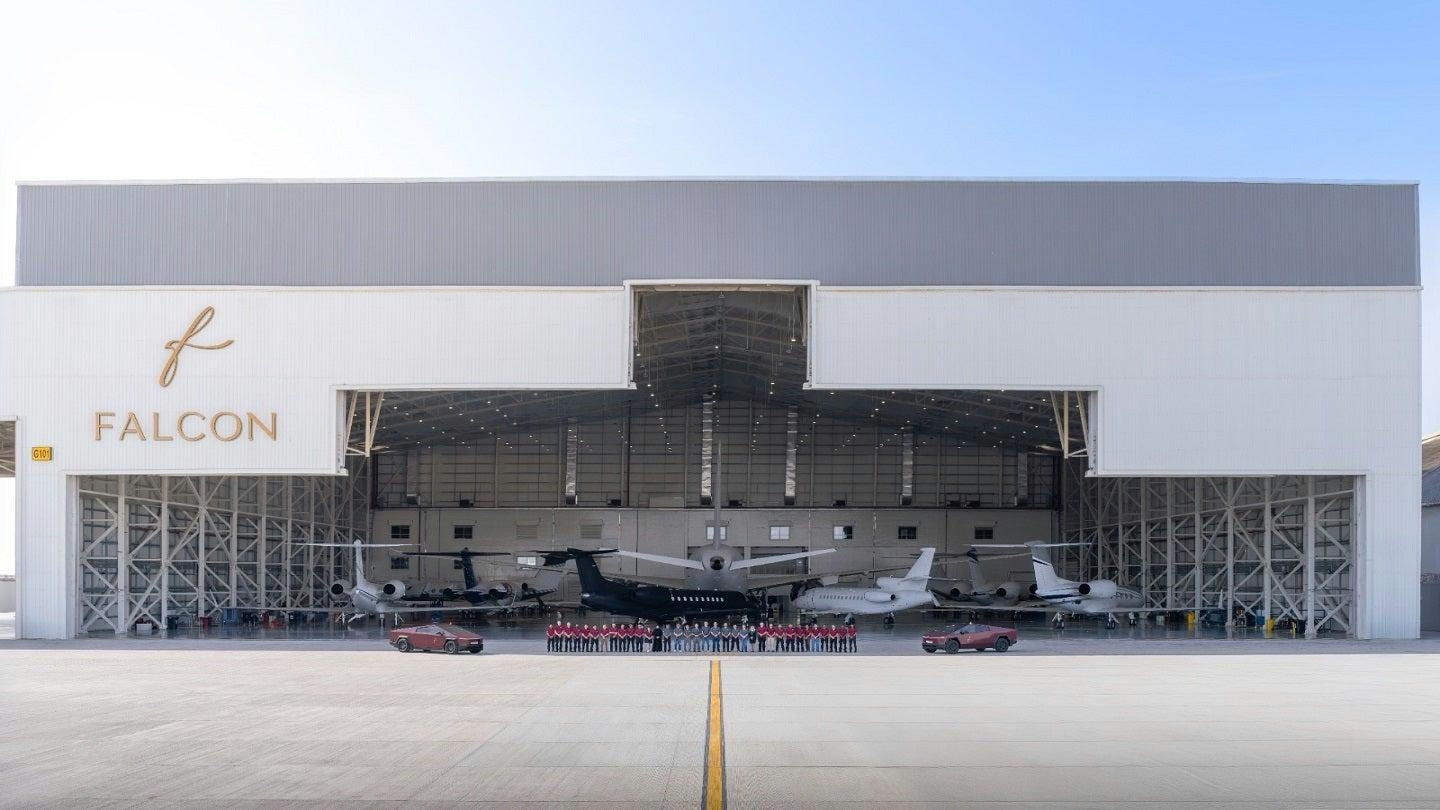
Morocco Advances Aviation Sector with Euroairlines Investment in Infrastructure and AI
Morocco is intensifying its efforts to establish itself as a premier aviation hub in the region through substantial investments in airport infrastructure and advanced technologies. Central to this ambition is the Airports 2030 strategy, which envisions accommodating 95 million passengers by 2035. This plan involves the modernization and expansion of airport facilities, the introduction of new domestic and international routes, and the enhancement of passenger services. An initial investment of MAD 38 billion (approximately $3.8 billion) is earmarked to lay the foundation for sustained growth, aiming to improve connectivity and reduce travel costs for Moroccan citizens.
Euroairlines’ Role in Morocco’s Aviation Transformation
Spanish aviation distribution specialist Euroairlines is playing a critical role in Morocco’s evolving aviation landscape. Drawing on its expertise in travel and service distribution, Euroairlines is partnering with local entities to streamline operations and broaden market access. The company’s involvement is expected to support the rising demand for air travel and contribute to the modernization of airport operations, thereby facilitating Morocco’s broader aviation ambitions.
Airports 2030: Enhancing Global Connectivity
The Airports 2030 initiative forms a key pillar of Morocco’s economic development strategy, focusing on upgrading airport infrastructure to meet increasing passenger volumes and shifting travel dynamics. Planned developments include the construction of new terminals at major international airports and the enhancement of air traffic control systems. These improvements are designed to position Moroccan airports as efficient, globally connected gateways capable of managing the anticipated surge in post-pandemic travel and bolstering the country’s tourism industry.
Integrating Artificial Intelligence to Boost Competitiveness
In response to intensifying global competition in the aviation sector, Morocco is adopting artificial intelligence (AI) technologies across its aviation industry. AI applications are being deployed to optimize pricing strategies, streamline booking processes, and manage passenger flows more effectively. These innovations aim to increase operational efficiency, reduce delays, and enhance the overall customer experience. Euroairlines is actively supporting the integration of AI solutions, which are expected to strengthen the competitiveness of local airlines and accommodate the growing demand driven by tourism.
Challenges Facing Morocco’s Aviation Sector
Despite these promising developments, Morocco’s aviation sector confronts several challenges. Global uncertainties, particularly in markets such as Latin America and the Caribbean, complicate forecasting and investment decisions. Airlines worldwide face extended waiting periods for new aircraft deliveries, which constrain expansion plans. The private aviation sector is also grappling with operational difficulties, with taxation projected to become a significant cost factor by 2026. Furthermore, supply chain disruptions, tariffs, and embargoes pose risks to the consistent availability of aviation components.
Competition is intensifying as other nations, notably Turkey, invest strategically in digital infrastructure and data centers to enhance connectivity and establish themselves as vital digital corridors between Europe and the Middle East. Morocco’s emphasis on digital transformation and AI integration is therefore essential to maintaining its competitive position in this rapidly evolving environment.
Outlook
With substantial investment, strategic partnerships, and a strong commitment to technological innovation, Morocco is well-positioned to reinforce its status as a regional aviation leader. However, successfully navigating global uncertainties and industry challenges will be crucial to fully realizing the ambitious goals set forth in the Airports 2030 vision.
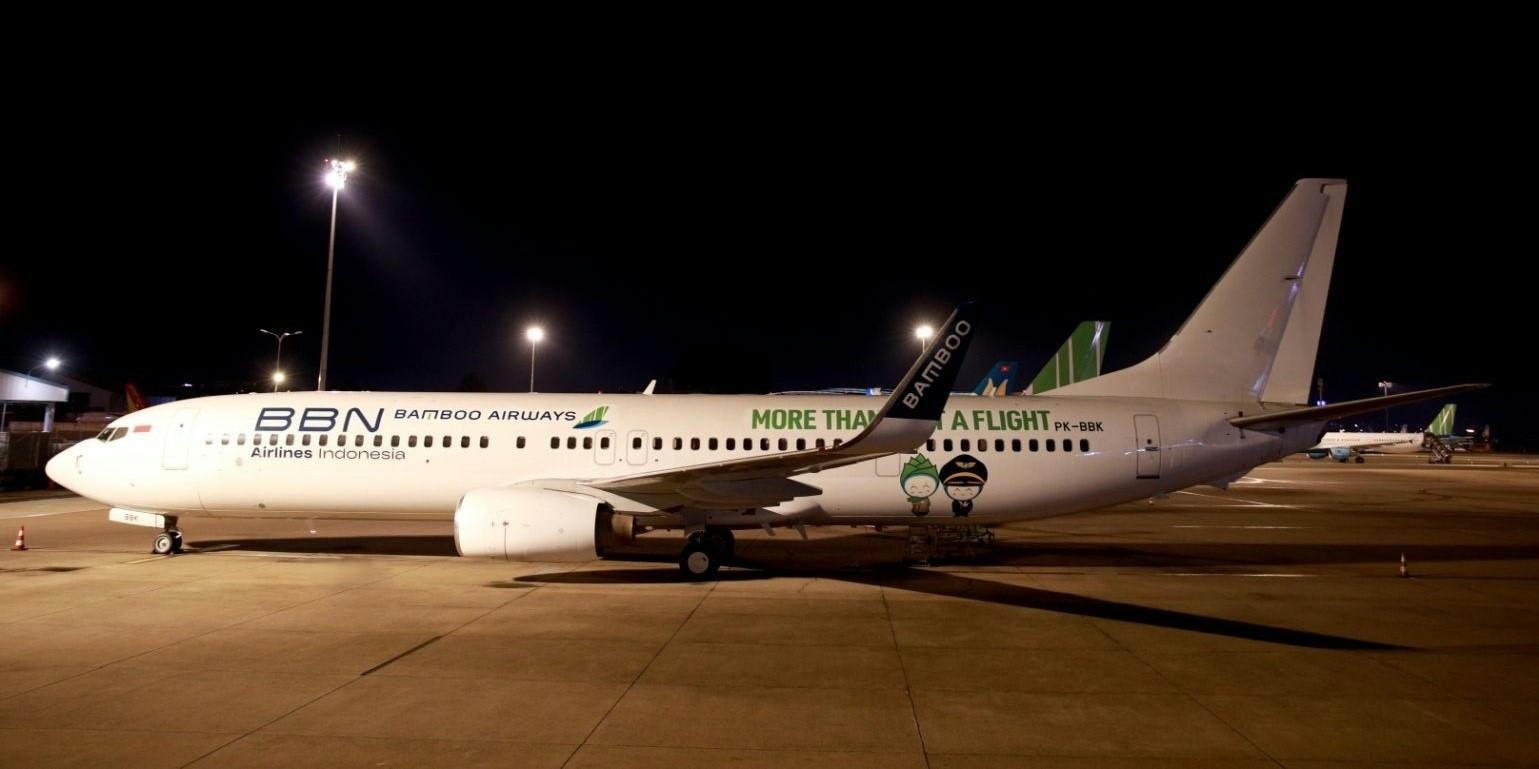
BBN Airlines Becomes IATA Member
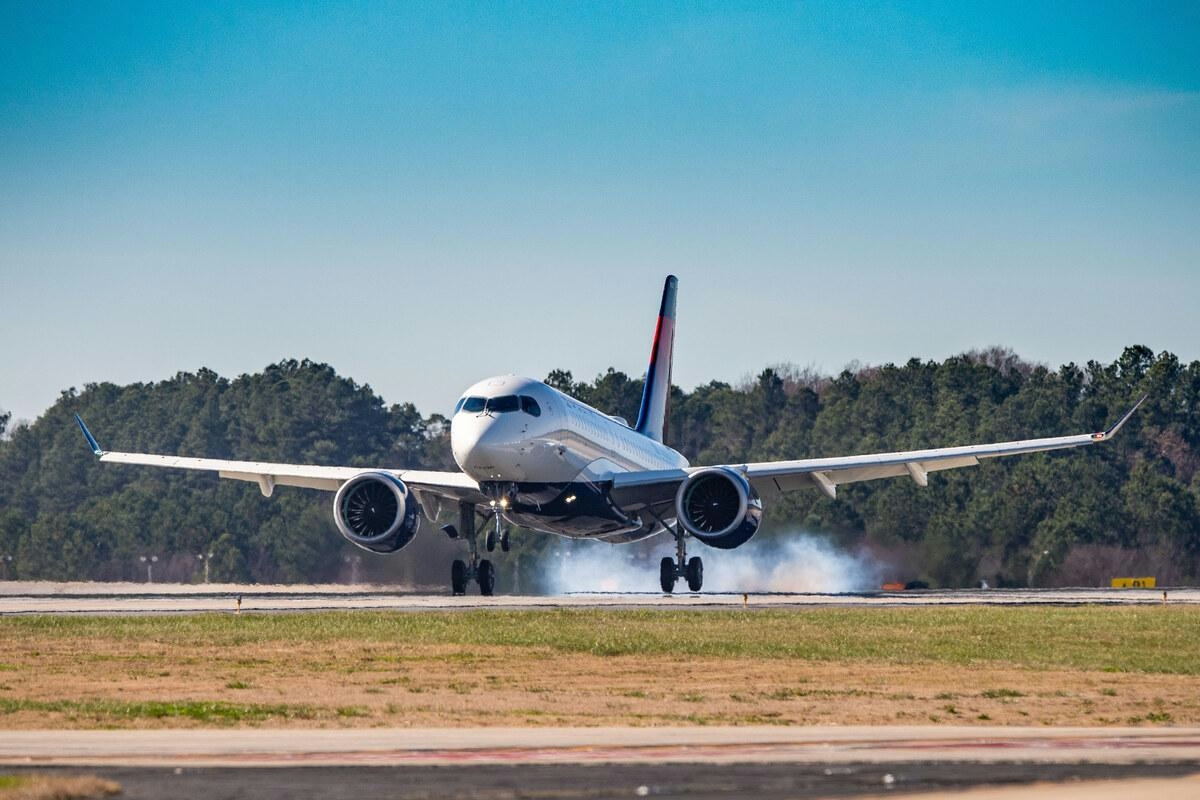
FAA Orders Breeze Airways and Delta to Inspect Airbus A220 Fuel Hoses

Philippine Aviation Navigates Expansion and Costs Amid Fuel Price Volatility
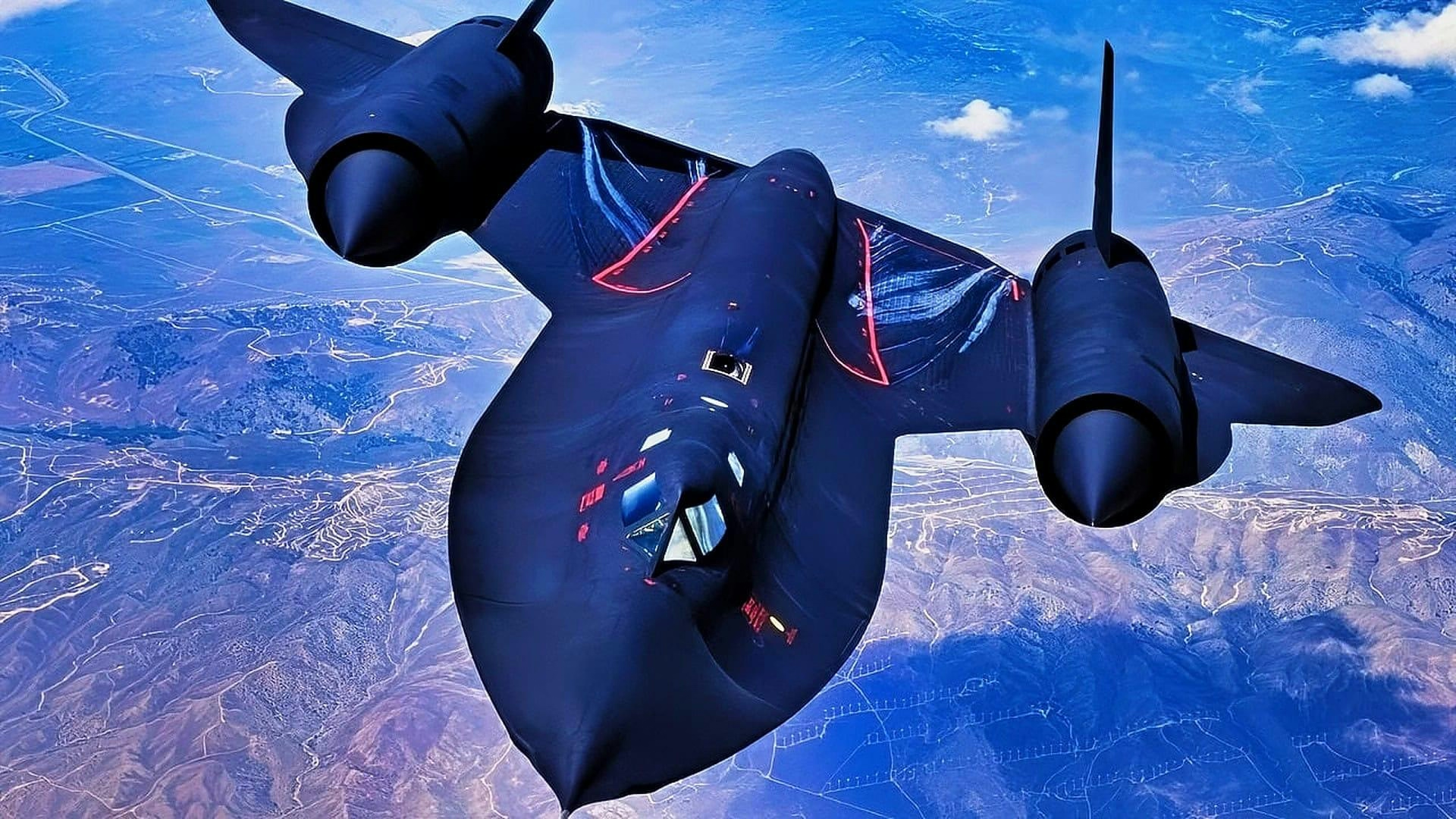
On April 26, 1971, an SR-71 Blackbird Flew Over 15,000 Miles in 10.5 Hours, Limited by Liquid Nitrogen Supply
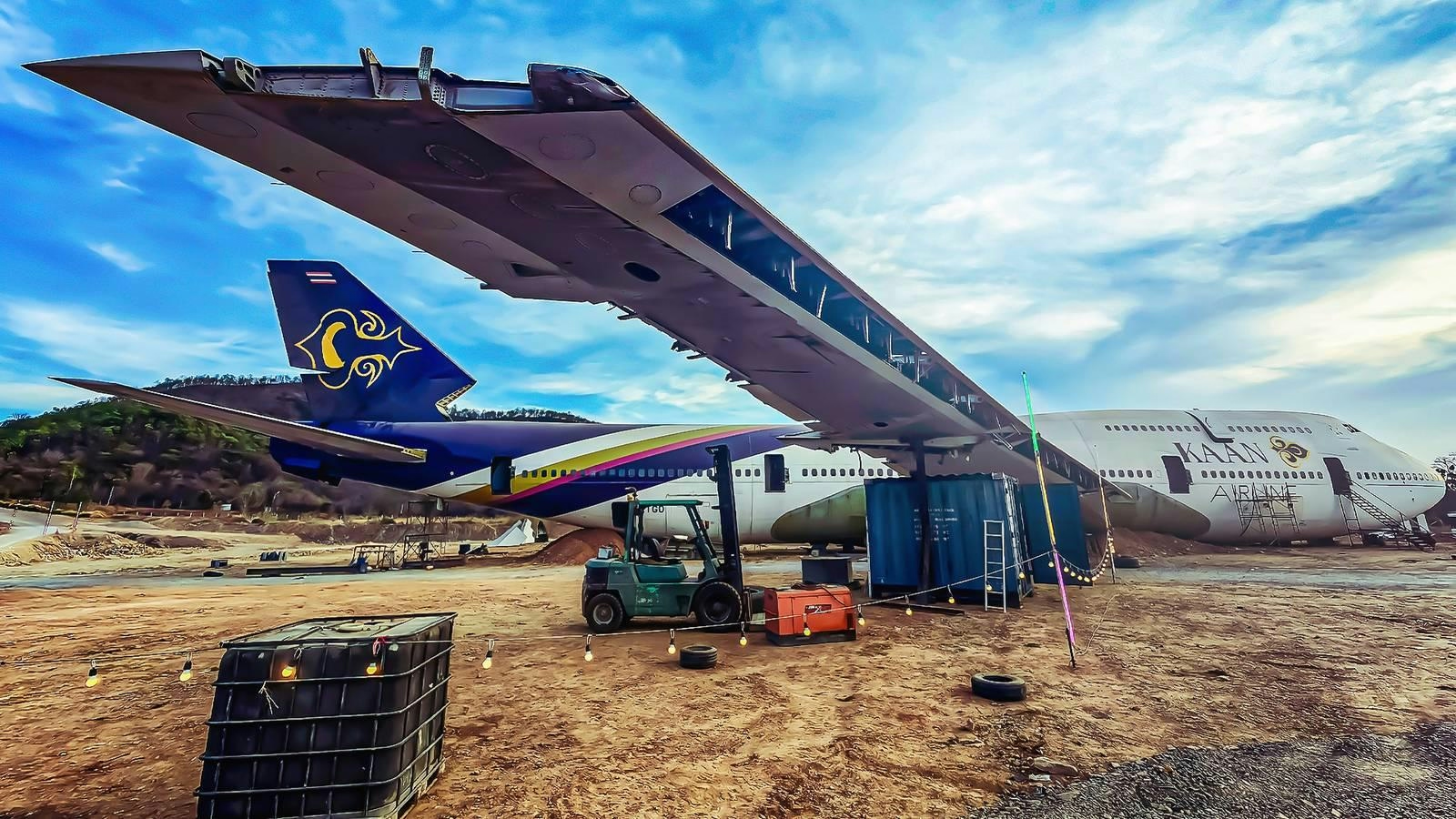
Boeing 747 Airframe Valued Less Than One Landing Gear Component
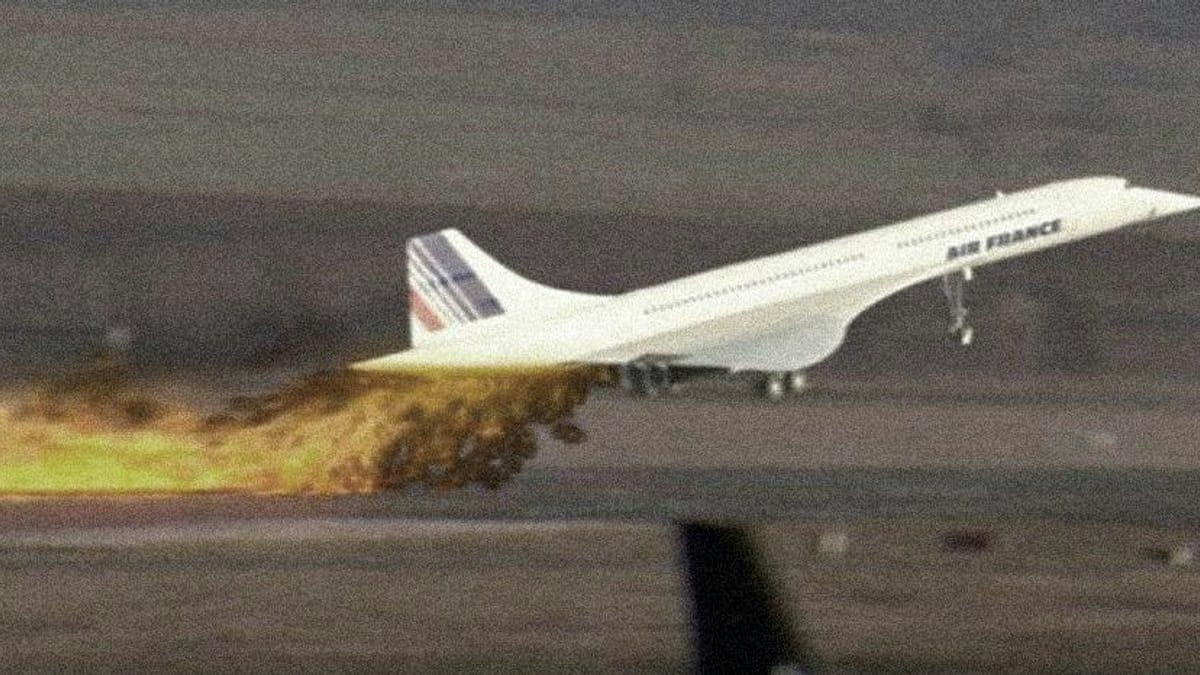
The Rear-Fan Engine Behind the Crash of the World's Fastest Airliner
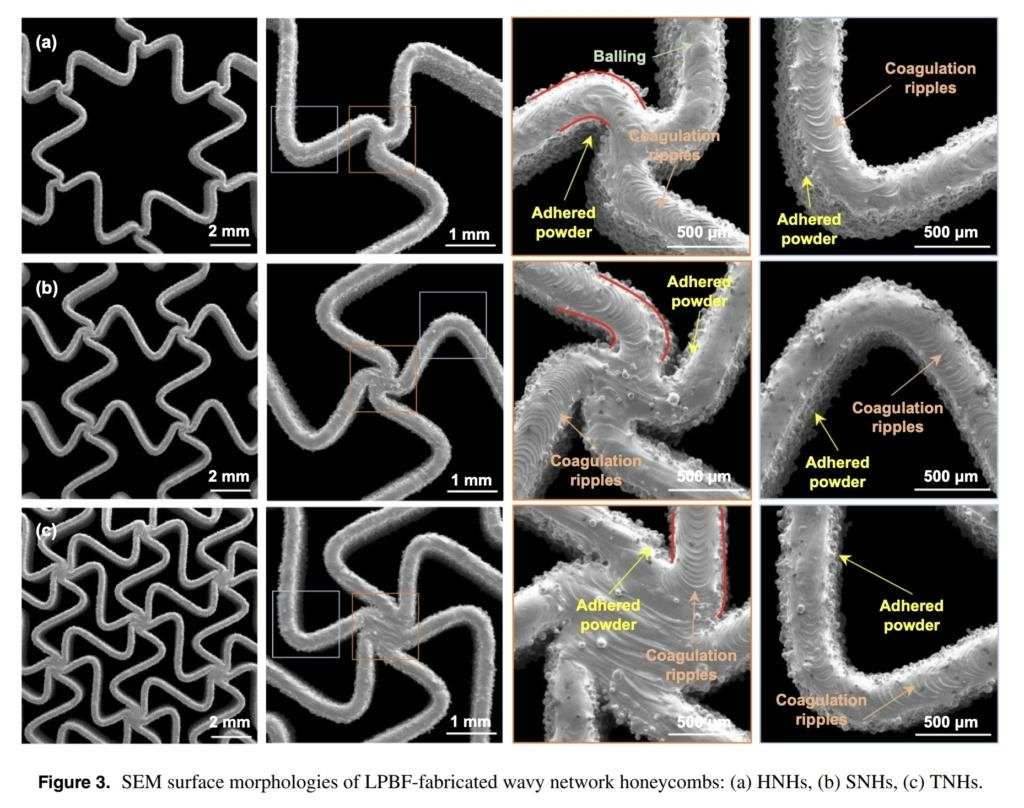
Morphing Aircraft Skin Improves Safety and Fuel Efficiency
BRICS Nations Commit to Enhanced Cooperation on Sustainable Transport and Green Aviation
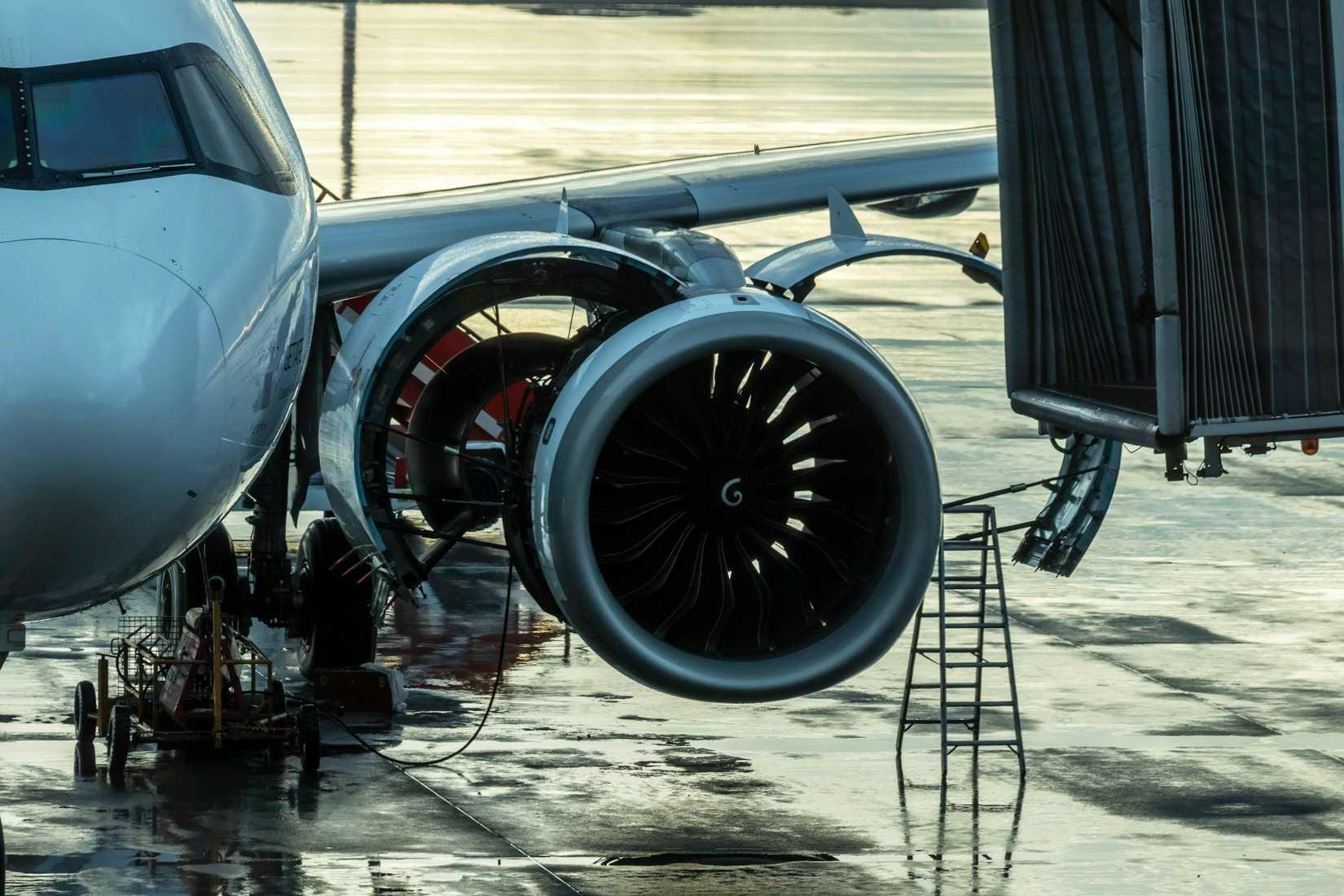
CFM Turbine Upgrade Doubles LEAP Engine Service Life in Harsh Conditions
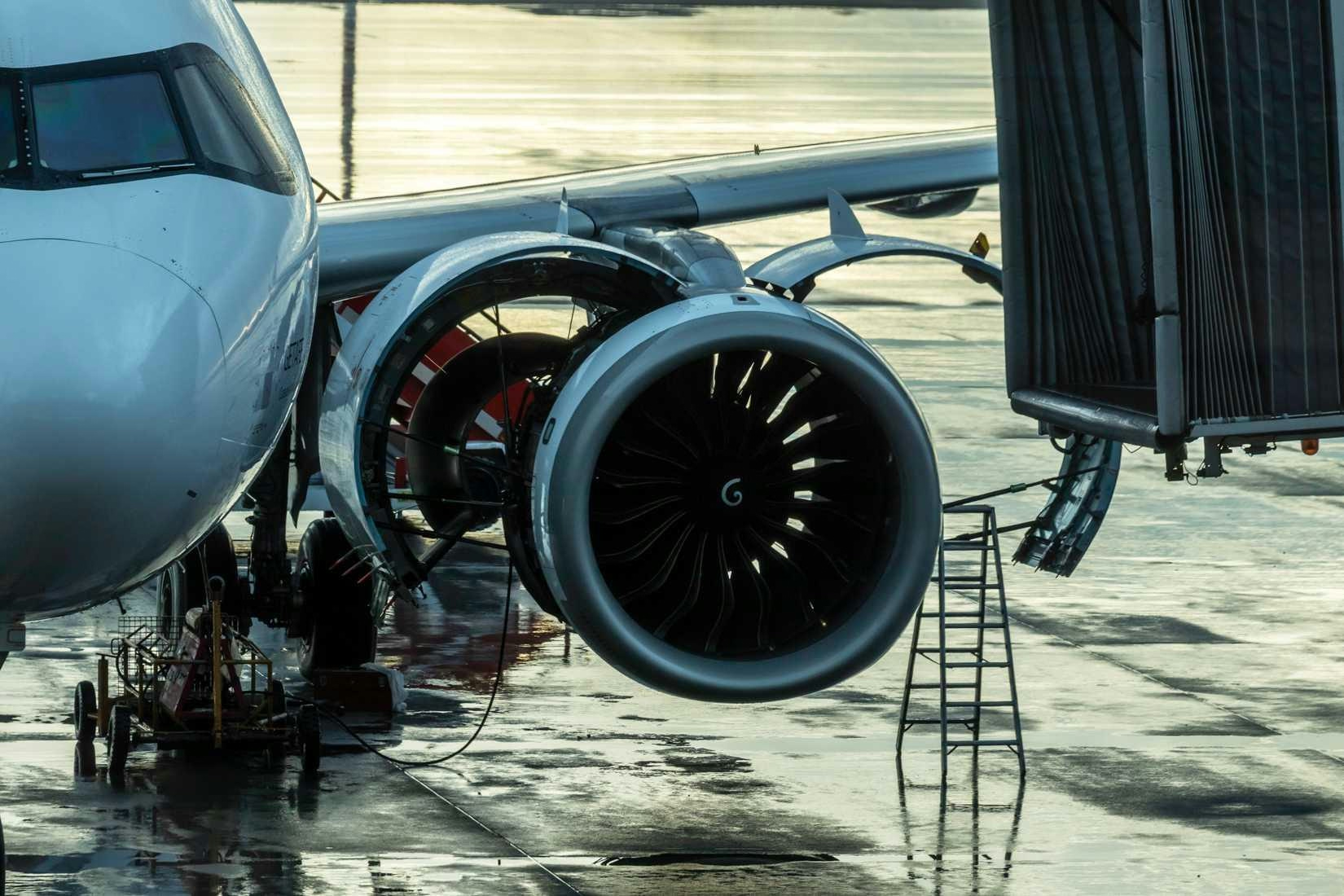
CFM Upgrade Doubles LEAP Engine Lifespan in Harsh Climates
